
You may have heard that Seventh-day Adventists care about health.
But what you may not know is that Adventists have been the subjects of long-term research into lifestyle and health. Since 1958, researchers from Loma Linda University School of Public Health have conducted five cohort studies. Collectively, these studies are known as the Adventist Health Studies.
These studies have helped confirm the incredible health benefits of the unique Adventist diet and lifestyle. They give us confidence that the Bible’s principles of health do work!
Read on to learn what you need to know about each study:
- Why do Seventh-day Adventists care about health?
- Why study Adventists?
- Study #1: Adventist Mortality Study
- Study #2: Adventist Health Study-1
- Study #3: Adventist Health Air Pollution Study
- Study #4: Adventist Health Study-2
- Study #5: Adventist Religion and Health Study
- Key lifestyle takeaways from the Adventist Health Studies
Why do Seventh-day Adventists care about health?
Seventh-day Adventists emphasize whole health—physical, mental, social, and spiritual. These facets are connected: Physical health affects all the others, including the spiritual.
We also recognize that our bodies belong to God and that He desires us to honor Him in the way we care for them (1 Corinthians 6:19–20). And we do so through our lifestyle choices.
Because Adventists live such a healthful lifestyle and tend to have a lower incidence of disease, researchers wanted to see if there was a connection. The purpose of the Adventist Health Studies has been “to measure the link between lifestyle, diet, disease, and mortality among Seventh-day Adventists.”
These studies have increased overall knowledge of lifestyle diseases—diseases that result from people’s day-to-day choices for their diet, activities, and environment.
Why study Adventists?

Image by Andreas Breitling from Pixabay
Adventists are an ideal demographic to study. They are very similar to one another in their lifestyle: They don’t smoke or drink, and they live active lives. But their eating habits cover a spectrum—meaning that researchers can study the impact of dietary patterns without the interference of other factors.
Adventists fit into the following dietary categories, as was the case for Adventist Health Study-1 and Adventist Health Study-2:
- Vegan—doesn’t include any animal products
- Lacto-ovo vegetarian—includes eggs and dairy
- Pesco-vegetarian—includes eggs, dairy, and fish
- Semi-vegetarian—includes meat less than once per week
- Non-vegetarian—includes meat more than once per week
Study #1: Adventist Mortality Study
The Adventist Mortality Study ran from 1958 to 1966 and looked at the death rates of Californian Adventists. The American Cancer Society provided the funding because it was conducting a similar study on the general population and wanted to compare the results. Dr. Frank Lemon and Dr. Richard Walden from Loma Linda University School of Medicine led the study.
Participants
The study included 22,940 Seventh-day Adventists who lived in California.
The methods
The researchers surveyed the participants and then followed up with them after five years. Though the study spanned eight years, one more follow-up took place 25 years later.
The results

Photo by Simon Godfrey on Unsplash
The main finding of the study was this:
Adventists live longer than the general population. Their death rates are lower for all causes of death, including multiple kinds of cancer, cardiovascular disease, stroke, and diabetes.
This was the case even when Adventists were compared with only non-smoking, non-Adventists. Thus, other aspects of lifestyle made a difference, too!
Study #2: Adventist Health Study-1 (AHS-1)
From 1974 to 1988, the National Cancer Institute sponsored Loma Linda University to do a second study: Adventist Health Study-1. This time, instead of comparing Adventists and non-Adventists, researchers wanted to investigate the relationship between diet and cancer. In 1981, they also expanded it to cover cardiovascular disease.
Dr. Roland Phillips was the head researcher this time, followed by Dr. Gary E. Fraser who took over after his death in 1987.
The participants
AHS-1 involved 34,192 Adventists who lived in California. They had to be at least 30 years of age or older, though the average age of the women was 53, and the average age of the men was 51. Most of them reported that they exercised regularly.
The methods
AHS-1 surveyed each participant using a questionnaire about lifestyle and medical history. It included 60 dietary questions.
For six years, researchers used follow-up surveys to assess the participants every year. They also looked at hospital and medical records and the National Death Index.
The results
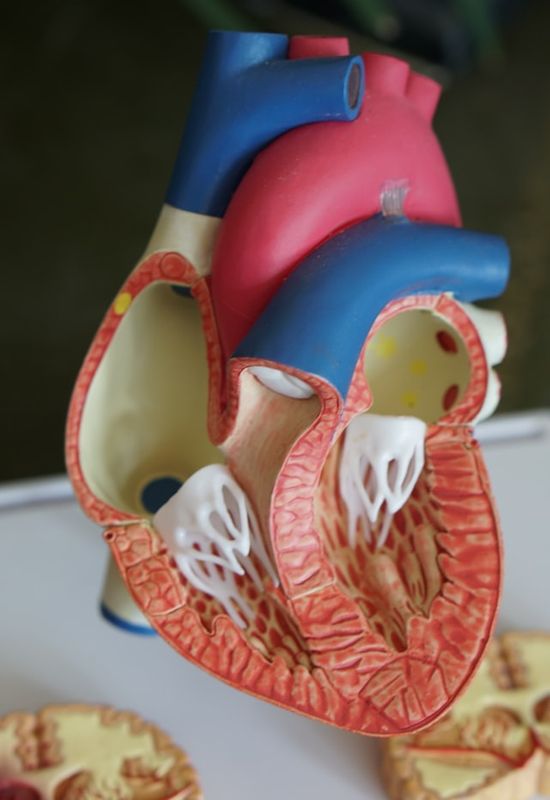
Photo by Robina Weermeijer on Unsplash
Findings from AHS-1 covered life expectancy, cancer, cardiovascular disease, and their connections to diet. It found that the closer participants adhered to a total vegetarian diet, the lower their risk for chronic disease.
Let’s start with the life expectancy findings:
According to the survey, Adventist men live 7.3 years longer and Adventist women live 4.4 years longer than the general population. For vegetarian men, the number increased to nearly 10 years!
The researchers believe there are five contributing factors:
- Never smoking
- Maintaining a normal body weight
- Exercising
- Eating a vegetarian diet
- Eating nuts
Next, here are some things they noticed related to cancer:
- Vegetarians have a lower risk of all types of cancer compared to non-vegetarians.
- Those who ate high-fiber foods—fruits, vegetables, grains, and legumes—had a significant decrease in colon cancer risk.
- Meat consumption many times per week may increase the risk of colon cancer by up to 60%.
- Foods that may help lower cancer risk are legumes and dried fruits (for pancreatic cancer); fresh fruits (for lung cancer, stomach cancer, and ovarian cancer); and tomatoes and soy milk (for prostate cancer).
And related to cardiovascular disease?
- Adventists who had the same risk factors (diabetes, obesity, and a history of smoking) for cardiovascular disease as the general population increased their risk of heart attacks, too.
- Men who ate two or more servings of beef a week had an increase in fatalities from CHD (coronary heart disease).
- Eating whole wheat bread instead of white bread may lower the risk of cardiovascular disease.
- Nuts seemed to make a big difference, too. Those who ate nuts one to four times a week decreased their risk of nonfatal heart attacks by 74% and fatal CHD by 73%.
Study #3: Adventist Health Air Pollution Study (AHSMOG)

The Adventist Health Air Pollution Study is a substudy of AHS-1. It began in 1977 and has continued to the present. Its purpose has been to study the link between air pollutants and respiratory diseases.
The study had many sponsors:
- National Cancer Institute
- National Heart, Lung, and Blood Institute
- National Institute for Environmental Health Sciences
- Environmental Protection Agency
- American Cancer Society
The participants
Researchers chose 6,338 individuals from those surveyed during AHS-1.
The methods
Participants filled out respiratory symptom questionnaires multiple times (in 1977, 1987, 1992, and 2000). They were specifically watched for coronary heart disease, cancer, and death.
The results
AHSMOG helped to show some of the links between air pollution and various chronic respiratory conditions, such as asthma, bronchitis, and lung cancer.
Study #4: Adventist Health Study-2 (AHS-2)
The Adventist Health Study-2, again sponsored by the National Cancer Institute, began in 2002 and continues to the present. Its purpose was to understand the effect of food and certain nutrients on cancer and heart disease.
Dr. Fraser became the head researcher assisted by ten other senior researchers. The study employed a total of 50 people.
The number of participants took the research to another level, too.
The participants
Rather than sticking to Adventists in California, AHS-2 recruited participants from all across the United States and Canada for a total of 96,194 people. Many were Caucasian, but nearly 26,000 were African Americans, making this one of the few large health studies of black Americans.
The methods
Compared to AHS-1, the survey was much longer. It included 594 questions about lifestyle and medical history but especially zeroed in on dietary patterns. It had a food frequency questionnaire with more than 200 food items. And participants had to describe all the food they ate for six different days.
Follow-up included surveys, hospital records, and records from the National Death Index.
The results
AHS-2 showed significant correlations between diet and chronic conditions. The closer people were to eating a vegan diet, the lower their cholesterol, blood pressure, and risk of diabetes and metabolic syndrome. They were also less likely to get certain types of cancer (breast, prostate, and colon).
The researchers saw the same progression from non-vegetarians to vegans when it came to weight and BMI (body mass index). In fact, vegans had lower BMIs and weighed an average of 30 pounds less than non-vegetarians of the same height.

Photo by Nadine Primeau on Unsplash
Researchers believe that eating meat is not the only factor, though. They noticed that the vegans and vegetarians tended to live healthier lives in general: getting more sleep, eating more fruits and vegetables, consuming less saturated fat, and having a higher intake of beans and nuts.
The study looked at other areas too:
- The connection of highly processed foods to higher mortality1
- The impact of protein (vegetarian or otherwise) intake on wrist fractures in women
- Vitamin D levels in those who eat a vegetarian diet
- The effect of vitamin B-12 supplementation on B-12 levels in the body
Study #5: Adventist Religion and Health Study (ARHS)
The Adventist Religion and Health Study, a substudy of AHS-2, began in 2006 and has continued to the present. It is funded by the National Institute of Aging and looks at the relationship between religion, upbringing, and health.
The participants
ARHS involved 11,000 North American Adventists from AHS-2.
The methods
Participants in the ARHS received an extra survey that asked them questions about the following:
- Religious beliefs and practices
- Stressful life experiences
- Psychological characteristics
- Social life
Some of the participants living in California underwent testing of blood and urine, physical performance, memory, and blood pressure.
A follow-up survey went out to participants in 2009.
The results

Preliminary findings of ARHS include:
- Adventists tend to experience better mental health than non-Adventists.
- Religious coping methods—such as seeking help from God, looking for lessons in a difficult situation, or praying—seemed to decrease depressive symptoms in those who were divorced.
- Traumatic life situations may contribute to fibromyalgia.
- People with an abusive upbringing may be less religious as adults and struggle more with negative emotions.
- People who keep Sabbath may have better mental health.
What are key lifestyle takeaways from the Adventist Health Studies?
The Adventist Health Studies provide overwhelming evidence for the benefits of the Adventist lifestyle, particularly a plant-based diet. As you’ve been reading the results, you may be wondering how you can apply them to your life.
Dr. Gary Fraser, head researcher of AHS-2 for many years, asked in a presentation: “So, what’s a sensible person to do?”
No doubt, following the Adventist lifestyle principles makes a difference. The principles are simple: a healthy diet, water consumption, exercise, rest, sunlight exposure, fresh air, self-control, and trust in God.
When it comes to diet, Dr. Fraser offers the following suggestions based on the study results2:
- Focus on a vegetarian diet (though fish on occasion may be beneficial).
- Minimize the amount of highly processed foods you eat.
- Cut dairy intake, but be sure to get plenty of plant-based calcium.
- Enjoy small quantities of nuts.
- Supplement with vitamin B-12, if you are over the age of 60.
- Get plenty of plant-based protein.
Note: These suggestions are not meant to be taken as medical advice. Be sure to consult your doctor and/or a registered dietitian for more specifics about your personal situation.
Science gives us greater confidence in God’s ways.
For the past 150 years, Adventists have promoted a healthy lifestyle and diet. During much of that time, we shared about the difference it made in our lives. But never before had our lifestyle habits been evaluated in a full-blown scientific study.
The Adventist Health Studies have changed that. They give us greater confidence that the principles of healthy living do reduce lifestyle disease risk.
The result?
Optimum physical, mental, and spiritual health!
- “Gary Fraser, MBChB, PhD – New Results from Adventist Health Study 2,” YouTube, March 30, 2021. [↵]
- Ibid. [↵]
Related Articles



More Answers

Quem Foram os Juízes de Israel no Antigo Testamento?
Quem Foram os Juízes de Israel no Antigo Testamento?Tempos de crise exigem homens e mulheres de ação. Os israelitas, recém-estabelecidos na Terra Prometida, encontraram-se nesses tempos. À medida que nações inimigas atacavam e oprimiam as tribos, eles clamavam a Deus...

¿En qué se diferencian los Adventistas del Séptimo Día de otros protestantes?
¿En qué se diferencian los Adventistas del Séptimo Día de otros protestantes?Como denominación cristiana protestante, la Iglesia Adventista del Séptimo Día considera la Biblia como la regla suprema de fe y a Jesucristo como el único camino a la salvación. Tenemos...
Como os Adventistas do Sétimo Dia São Diferentes de Outros Protestantes?
Como os Adventistas do Sétimo Dia São Diferentes de Outros Protestantes?Como uma denominação cristã protestante, a Igreja Adventista do Sétimo Dia considera a Bíblia como o guia supremo e vê Jesus Cristo como o único caminho para a salvação. Temos algumas diferenças...

O que é ASI (Associação de Empresários e Profissionais Adventistas)?
O que é ASI (Associação de Empresários e Profissionais Adventistas)?ASI, que significa Associação de Empresários e Profissionais Adventistas (tradução adaptada), é uma organização baseada em associação que oferece apoio aos membros adventistas (profissionais...

Jesús y la Mujer en el Pozo: Derribando Barreras
El encuentro de Jesús con la mujer en el pozo revela su sentir por las personas heridas y su deseo de derribar prejuicios. Esta página analiza cómo Jesús se acercó a ella.

Revealing The True Meaning of The Parable of The Rich Man & Lazarus
Learn the real point behind one of Jesus’ most vivid parables.
O que são as Bem-Aventuranças (E o que significam)?
O que são as Bem-Aventuranças (E o que significam)?As Bem-Aventuranças, encontradas no início do Sermão da Montanha de Jesus no Evangelho de Mateus, são o manifesto do reino de Jesus. Elas descrevem a maneira como Seu reino funciona e o que significa ser um de Seus...

Líderes de la iglesia: ¿Cuál es el rol de un pastor Adventista?
Líderes de la iglesia: ¿Cuál es el rol de un pastor Adventista?¿Cuál es el rol de un pastor en la iglesia Adventista? La posición en sí misma, al menos en lo que respecta a una congregación local, no es muy diferente de la de los pastores en otras denominaciones...
ASI ni Nini (Huduma na Viwanda vya Waadventista vya Kibinafsi)?
ASI ni Nini (Huduma na Viwanda vya Waadventista vya Kibinafsi)?ASI, ambayo inayofupisha maneno (Huduma na Viwanda vya Waadventista vya Kibinafsi), ni shirika la uanachama linalotoa msaada kwa wainjilisti wa Kiadventista (wataalamu wa Kanisa la Waadventista wa Sabato...

Ellen White Alisema Nini Kuhusu Unabii wa Nyakati za Mwisho?
Tunaweza kusoma katika Maandiko kuhusu mfululizo wa matukio na dalili zinazoongoza hadi Ujio wa Pili wa Yesu Kristo.

Safari na Utume wa Ellen G. White Ulimwenguni
Safari na Utume wa Ellen G. White UlimwenguniIngawa Ellen White, mwanzilishi mwenza wa Kanisa la Waadventista wa Sabato, anajulikana zaidi kwa huduma yake nchini Marekani, pia alisafiri kwenda nchi nyingine kumi na mbili katika maisha yake—hili lilikuwa jambo kubwa...

Yote Kuhusu Wainjilisti wa Vitabu wa Kiadventista
Kanisa la Waadventista wa Sabato hutumia mbinu mbalimbali kusambaza tumaini la injili duniani.
¿Qué es ASI (Servicios e Industrias de Laicos Adventistas)?
¿Qué es ASI (Servicios e Industrias de Laicos Adventistas)?ASI, que significa Servicios e Industrias de Laicos Adventistas, es una organización basada en membresía que brinda apoyo a los laicos adventistas (profesionales Adventistas del Séptimo Día que no son...
¿Qué dijo Elena G. de White sobre la profecía de los últimos tiempos?
¿Qué dijo Elena G. de White sobre la profecía de los últimos tiempos?Podemos leer en las Escrituras acerca de la serie de eventos y señales que conducen a la segunda venida de Jesucristo. Y suena bastante intenso, por decir lo menos. La naturaleza simbólica del...
O que Ellen White disse sobre a profecia dos tempos finais?
O que Ellen White disse sobre a profecia dos tempos finais?Podemos ler nas Escrituras sobre a série de eventos e sinais que antecedem a segunda vinda de Jesus Cristo. E, para dizer o mínimo, isso soa bastante intenso. A natureza simbólica da linguagem da profecia...

Meaning of the Parable of the Two Sons in Matthew 21
Meaning of the Parable of the Two Sons in Matthew 21The parable of the two sons in Matthew 21:28-32 is about a father who instructs his sons to work in the family vineyard. The first son refuses to work but later has a change of heart and obeys. The second son says...
Viagens e Missão Mundial de Ellen G. White
Viagens e Missão Mundial de Ellen G. WhiteEmbora Ellen White, cofundadora da Igreja Adventista do Sétimo Dia, seja mais conhecida por seu ministério nos Estados Unidos, ela também viajou para outros doze países durante sua vida — uma grande conquista no século XIX,...
Joseph Bates na Nafasi Yake katika Kanisa la Waadventista
Joseph Bates na Nafasi Yake katika Kanisa la WaadventistaJoseph Bates alikuwa baharia aliyegeuka kuwa mhubiri ambaye alijiunga na Harakati ya Miller na kusubiri Ujio wa Pili wa Yesu kutokea mwaka 1844. Licha ya kukatishwa tamaa wakati hili halikutokea, Bates...

Je, Wasabato Husherehekea Sikukuu?
Je, Wasabato Husherehekea Sikukuu?Je unajiuliza ikiwa mwanafunzi mwenzako au mfanyakazi mwenzako Mwadventista husherehekea sikukuu kama wewe? Labda ungependa kumshirikisha kwenye sherehe fulani, lakini pia unataka kuheshimu imani yake. Kwa hiyo, huna uhakika wa jinsi...

O Que a Bíblia Diz Sobre a Segunda Vinda de Jesus Cristo
Curioso para saber o que a Bíblia diz sobre a Segunda Vinda de Jesus Cristo? Vamos abordar os versículos-chave e o que eles significam.

Waadventista Wanaamini Nini Kuhusu Imani na Matendo?
Waadventista Wanaamini Nini Kuhusu Imani na Matendo?Waadventista wanaamini tunaokolewa kwa imani, ambayo ni imani na tumaini tulilonalo kwa Yesu Kristo kutuokoa kutoka dhambini. Yesu, basi, anatupa uwezo wa kuishi kwa utii wa amri za Mungu na kuwahudumia wengine kwa...
Todo sobre los colportores Adventistas del Séptimo Día
Todo sobre los colportores Adventistas del Séptimo DíaLa Iglesia Adventista del Séptimo Día utiliza una variedad de métodos para difundir la esperanza del evangelio al mundo. Una de estas formas es a través del colportaje, también llamado “venta puerta a puerta” o...
Tudo Sobre Colportores Adventistas do Sétimo Dia
A Igreja Adventista do Sétimo Dia usa uma variedade de métodos para espalhar a esperança do evangelho ao mundo.
Los viajes y la misión mundial de Elena G. de White
Los viajes y la misión mundial de Elena G. de WhiteAunque Elena G. de White, cofundadora de la Iglesia Adventista del Séptimo Día, es más conocida por su ministerio en los Estados Unidos, también viajó a otros doce países durante su vida, un gran logro en el siglo XIX...

Mikutano ya Injili ya Waadventista ni Nini?
Kanisa la Waadventista wa Sabato linaweka mkazo mkubwa katika kushiriki injili kupitia uinjilisti, yaani kushiriki injili kupitia mahubiri, mafundisho, na ushuhuda.
Joseph Bates y su papel en la Iglesia Adventista del Séptimo Día
Joseph Bates y su papel en la Iglesia Adventista del Séptimo DíaJoseph Bates fue un marinero que se convirtió en predicador, se unió al Movimiento Millerita y esperó que ocurriera la Segunda Venida de Jesús en 1844. A pesar de sentirse decepcionado cuando esto no...
Joseph Bates e Seu Papel na Igreja Adventista do Sétimo Dia
Joseph Bates foi um marinheiro que se tornou pregador, juntou-se ao Movimento Millerita e esperou pela Segunda Vinda de Jesus em 1844.
¿Los Adventistas del Séptimo Día celebran las fiestas?
¿Los Adventistas del Séptimo Día celebran las fiestas?¿Te preguntas si tu compañero de clase o de trabajo adventista celebra las mismas fiestas que tú? Tal vez quieres incluirlo en algunas festividades, pero también deseas respetar sus creencias. Entonces, no estás...
Os Adventistas do Sétimo Dia Celebram Feriados?
Está se perguntando se seu colega de classe ou de trabalho adventista celebra os mesmos feriados que você?
Didn’t find your answer? Ask us!
We understand your concern of having questions but not knowing who to ask—we’ve felt it ourselves. When you’re ready to learn more about Adventists, send us a question! We know a thing or two about Adventists.