
If you’ve spent much time in the Bible books of Leviticus or Numbers, you might’ve noticed the word atonement.
Or perhaps you’ve heard a pastor use the term, too.
Seventh-day Adventists believe that Jesus Christ’s sacrifice on the Cross is the atonement for the sins of the world. In other words, His sacrifice removes the separation between us and God so we can be in close relationship with Him again.
Our Fundamental Belief about the life, death, and resurrection of Christ affirms this:
“In Christ’s life of perfect obedience to God’s will, His suffering, death, and resurrection, God provided the only means of atonement for human sin, so that those who by faith accept this atonement may have eternal life.”1
That atonement goes back to the symbols of the ancient sanctuary system in the Old Testament. Let’s go there to understand this topic better and answer some important questions:
What is “atonement” in the Bible?
Photo by Jametlene Reskp on Unsplash
Atonement in the Bible, in essence, is something that removes the effects of sin so that human beings can be reunited in their relationship with God. This concept comes up over and over again with the sacrifices of the Old Testament sanctuary systems.
The idea originates from the Hebrew word kippurim, which literally means “a covering.”2
But the word atonement has Anglo-Saxon origins and is a mashing together of the words at + one + meant to mean “a state of being ‘at one’ or in agreement.” The Greek equivalent katallagē is similar; it means “reconciliation.”3
And reconciliation is the whole point.
Biblical references to atonement have a “predominant sanctuary and sacrificial context.”4 God provided the sanctuary system to help His people understand how He would reconcile them to Himself (Exodus 25:8), even though their sins had separated them from Him.
But the Israelites knew that these rituals foreshadowed something greater. They were already aware that the earthly sanctuary pointed to a temple in heaven.5 And the sacrifices of lambs and goats were a representation of a greater sacrifice.
The sanctuary system was a symbol of how Jesus, through His sacrifice, would become the atonement for our sins.
Let’s look at how atonement was taught on a daily and yearly basis in ancient Israel. Then, we can see how it still applies to us today.
The daily atonement

Photo by Mitchell Orr on Unsplash
Each day in the ancient Israelite sanctuary, animal sacrifices and the work of the priests made atonement for the people.
Leviticus 5 details the procedure for a sacrifice when an individual sinned:
“And it shall be, when he is guilty in any of these matters, that he shall confess that he has sinned in that thing; and he shall bring his trespass offering to the LORD for his sin which he has committed, a female from the flock, a lamb or a kid of the goats as a sin offering. So the priest shall make atonement for him concerning his sin” (Leviticus 5:5-6, NKJV).
Roy Gane, Professor of Hebrew Bible and Ancient Near Eastern Languages, points out that this sacrifice removed the sin from the sinner, and that individual was “treated as though the sin had not occurred.”6
But what made that possible?
Leviticus 17:11 explains:
“For the life of the flesh is in the blood, and I have given it to you upon the altar to make atonement for your souls; for it is the blood that makes atonement for the soul” (NKJV).
It was a substitution: The animal died so that the human wouldn’t have to pay the penalty of death.7

Photo by Tingey Injury Law Firm on Unsplash
It’s the same as if you committed a crime that deserved lifetime imprisonment, but then someone offered to take your imprisonment so that you could go free.
Justice is still being satisfied—but someone else is taking your place.
Here’s how the sacrificial system illustrated that:
Since all human beings have a fallen nature, sin was of course a daily struggle. And it required regular sacrifices because of this.
So a person would bring an animal to the sanctuary for the sacrifice. There, they would put their hands on the animal, confess their sins, and then slit the throat of the animal themselves. It was a powerful lesson each time.
This ceremony was driving home the idea that the sin of that individual had a cost—life. Sin ultimately results in death.
As they saw the innocent animal bleeding, they realized just how serious their sin was—that it would ultimately cost the life of the Messiah.
Once the animal had been sacrificed, the priest continued the ceremony. They would take the blood of the animal, carry it into the Holy Place of the sanctuary, and sprinkle it before the veil that led into the Most Holy Place (Leviticus 4:6-7). Or, the priest would roast the sacrifice and eat part of it (Leviticus 10:17).
In either case, the priest was taking the place of the sinner and “carrying” the sin into the sanctuary—whether through sprinkling the blood or by bearing it in his body by eating the sacrifice.
Professor Gane explains that the atonement involved both of these parts: the sacrifice of a victim and the priestly substitution. The priest took upon himself the sins of the people, symbolizing how God bears our sins when He forgives them.8
But could the animal sacrifices really take away sin?
No. This whole system was taught to the Israelites as the earliest model of the plan of salvation, which would provide understanding not only to them, but for all those who read about it in Scripture.
So, for the time being, God assigned these ceremonies value. In the end, though, they were “massively inadequate when it came to fulfilling the needs of justice. There was a glaring need for a more valuable kind of victim and for a kind of priest who actually suffered for the culpabilities he would bear on behalf of us.”9
Jesus Christ was the perfect one to fill the role of both sacrificial victim and priest.
Before we get there, though, we need to cover one other aspect of the atonement in the sanctuary system.
The yearly atonement

Photo by Markus Spiske on Unsplash
Aside from the daily sacrifices that the priests would make in the Israelite sanctuary, a special sacrifice and set of rituals took place once a year—the tenth day of the seventh month in the Jewish calendar (Leviticus 23:27). On this day, called the Day of Atonement or cleansing of the sanctuary, the high priest would make atonement for the whole camp of Israel (Leviticus 16:30).
Here’s how Leviticus 16:32-34 describes it:
“And the priest, who is anointed and consecrated to minister as priest in his father’s place, shall make atonement, and put on the linen clothes, the holy garments; then he shall make atonement for the Holy Sanctuary, and he shall make atonement for the tabernacle of meeting and for the altar, and he shall make atonement for the priests and for all the people of the assembly. This shall be an everlasting statute for you, to make atonement for the children of Israel, for all their sins, once a year” (NKJV).
What made this day unique was that it was the only day of the year that God allowed the high priest to enter the Most Holy Place (the third and smallest compartment of the sanctuary), which represented the throne room of God.
Like visiting someone of royalty, the Israelites didn’t take this occasion lightly. Everyone in the Israelite camp would confess their sins and prepare for the high priest to go into the very presence of God as their representative.
Let’s walk through the whole ceremony as it’s described in Leviticus 16.
Before performing the ceremony, the high priest would prepare himself and offer a bull to make atonement for himself and his family (verse 6). This would make sure he was ceremonially pure before entering God’s presence.
Then, he would take two goats. One goat was “for the Lord” (verse 9), and one was known as “Azazel” or the scapegoat (verse 10).
The high priest would sacrifice the goat for the Lord and take its blood, sprinkling it in the Most Holy Place of the sanctuary over the mercy seat, the cover of the ark of the covenant, which contained the Law of God that had been broken (verse 15).
He would then work his way back out of the sanctuary, sprinkling blood in various locations along the way. The purpose was to “cleanse and consecrate it from the uncleannesses of the people of Israel” (Leviticus 16:19, ESV). In essence, the blood of the goat for the Lord symbolically purified the sanctuary of all the sins of the people that had been brought in throughout the year.
And the final part is recorded in verses 20-22:
“And when he has made an end of atoning for the Holy Place, the tabernacle of meeting, and the altar, he shall bring the live goat. Aaron shall lay both his hands on the head of the live goat, confess over it all the iniquities of the children of Israel, and all their transgressions, concerning all their sins, putting them on the head of the goat, and shall send it away into the wilderness by the hand of a suitable man. The goat shall bear on itself all their iniquities to an uninhabited land; and he shall release the goat in the wilderness” (NKJV).
The sins that had been removed from the sanctuary were placed on the scapegoat, which was sent out into the wilderness to die.
As a result, the whole Israelite camp was clean (Leviticus 16:30).
Like the daily sacrifices, though, this ceremony was ultimately inadequate for fully and completely removing sin from the sanctuary. But it looked forward to the “final and complete removal of sin from God’s universe.”10
We’ll see next how the New Testament writers help connect these rituals with today’s realities.
What does atonement have to do with salvation?

Photo by REGINE THOLEN on Unsplash
The atonement has everything to do with salvation! The Israelites performed animal sacrifices to symbolize having their sins covered and their relationship with God mended, but these were by no means capable of taking away sins (Hebrews 10:4). All simply pointed to Jesus’ work of atonement, which is fully sufficient (Hebrews 10:5-10).
Writers of the Old Testament recognized that God wasn’t bloodthirsty for animal sacrifices (Psalm 51:16; Isaiah 1:11 Hosea 6:6). The ceremonies were just a way of impressing on the people the need for a greater atonement. David prayed to God:
“As for our transgressions, You will provide atonement for them” (Psalm 65:3, NKJV).
Isaiah 53 foretold the coming of a suffering Servant who would take upon Himself the sins of the people (Isaiah 53:4-8).
And the New Testament picks up on sanctuary language, identifying Jesus as “the Lamb of God who takes away the sin of the world” (John 1:29, NKJV).
The equivalent of atonement in the New Testament is “reconciliation,” and it’s used in a couple of key verses about Jesus:
“We also rejoice in God through our Lord Jesus Christ, through whom we have now received the reconciliation” (Romans 5:11, NKJV).
“Now all things are of God, who has reconciled us to Himself through Jesus Christ” (2 Corinthians 5:18, NKJV).
So, how does Jesus provide atonement for us?
Complete atonement through Jesus Christ
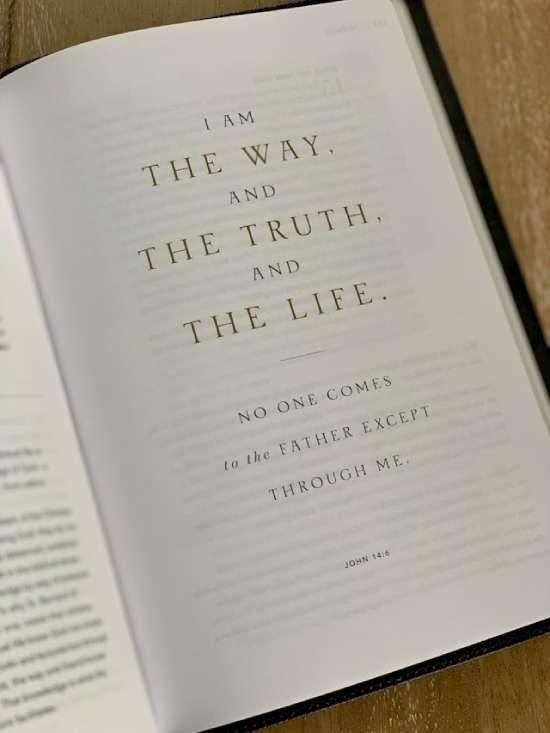
Photo by Tim Wildsmith on Unsplash
The atonement that comes through Jesus involves both His sacrificial work and priestly work for us. This follows from the sanctuary teaching that the victim of sacrifice and the priest were symbols of Christ and how He bears our sins.
This point is the focus of the apostle Paul in the book of Hebrews. He showed how the Old Testament sanctuary system was inadequate, but Christ is the greater atoning sacrifice and greater priest needed for the plan of salvation.11
Here’s how Hebrews 9:11-12 puts it:
“When Christ appeared as a high priest of the good things that have come, then through the greater and more perfect tent (not made with hands, that is, not of this creation) He entered once for all into the holy places, not by means of the blood of goats and calves but by means of His own blood, thus securing an eternal redemption” (ESV).
By His death on the Cross, Jesus was the sacrificial victim, becoming the atonement for our sins. And by His ministry in the sanctuary, He applies His blood just as the priests did, making intercession for us (Hebrews 7:25).
Professor Gane is emphatic: When it comes to Jesus, “you can’t separate His priesthood from His role as the victim.”12
In other words, Jesus’ sacrifice was enough for the forgiveness of the whole world (John 3:16). And His priestly ministry in the heavenly sanctuary applies that forgiveness to each individual specifically.13
And as we saw in the Scriptures, the term atonement is also used to refer to the Day of Atonement, which cleansed all the sins of the Israelite people once a year.
How does Jesus fulfill this aspect?
Before the Second Coming, Jesus will perform a work of judgment in the heavenly sanctuary (throne room of God) that cleanses the records there of all the sins His followers have confessed (Daniel 8:14; 7:9-10). It’s sometimes called the blotting out of sin (Acts 3:19; Revelation 3:5) or the investigative judgment in Adventism.
Hebrews 9:23 talks about this event in the context of the Day of Atonement:
“Thus it was necessary for the copies of the heavenly things to be purified with these rites, but the heavenly things themselves with better sacrifices than these” (ESV).
Once this work of Christ is finished, He will return to earth and take His people to be with Him. Sin will be no more, and we will live in a perfect new earth with Him (Revelation 21).
What can atonement look like for me today?
Today, we don’t have to sacrifice animals for atonement. Christ has provided full atonement for us, which we can receive through accepting Him and His sacrifice for us.
And the beautiful thing is, accepting Jesus’ atonement is life-changing. Gane says:
“The book of Hebrews reveals the transforming effect on those who accept Christ’s…sacrifice.”14
He goes on to mention Hebrews 9:14, which explains how the blood of Christ “[purifies] our conscience from dead works to serve the living God” (ESV).
Adventist pastor Ty Gibson affirms this idea:
“The atonement not only deals with the guilt of sin. The atonement of Christ deals with the dominating power that sin has over us. And according to Romans chapter 6, the atonement of Christ has a way of liberating us from the dominion of sin.”15
Through the atonement, Jesus frees us from the power sin has had over us through the lies of Satan. We are “set free from sin,” as Romans 6:7 says, and we no longer have to live under condemnation (Romans 8:1).
We don’t have to be in bondage to the lies Satan tells us—that we can’t be forgiven, that we aren’t good enough, etc. And we don’t have to be in bondage to anger, bitterness, hatred, fear, or any other sin.
When we have accepted Jesus’ gift by faith, we can have the assurance that He, as our High Priest, will apply His blood on our behalf in the heavenly sanctuary. He will blot out our sins so that someday, we can be fully reunited with Him.
Atonement—all about relationships

Photo by Kelly Sikkema on Unsplash
The atonement, symbolized by animal sacrifices in the Old Testament and fulfilled by Christ in the New Testament, is critical to the Christian experience. It’s all about God’s plan to end sin so He can be with us again.
Ultimately, it’s “all about relationships,” in the words of Professor Gane.
God is a relational God, and He created this plan out of deep love for us and a desire for us to heal our relationship with Him.
Because He loves us so much, He’ll never force us to take those steps.
But if we’re willing to accept the gift of the atonement, He wants to transform our lives through the Holy Spirit (Hebrews 8:10).
To understand what this looks like practically,
Related pages



- “What Adventists Believe About the Life, Death, and Resurrection of Christ,” Seventh-day Adventist Church. [↵]
- Horn, Siegfried, Seventh-day Adventist Bible Dictionary, Revised Ed., p. 97.[↵]
- Ibid. [↵]
- Cairus, Aecio, “Substitutionary Atonement,” Biblical Research Institute.[↵]
- Ibid. [↵]
- Gane, Roy, “Legal Substitution and Experiential Transformation in the Typology of Leviticus,” Symposium on Atonement, Adventist Theological Society. [↵]
- Ibid. [↵]
- Ibid. [↵]
- Ibid. [↵]
- Horn, p. 97-98. [↵]
- Gane, “Legal Substitution and Experiential Transformation in the Typology of Leviticus.” [↵]
- Ibid. [↵]
- Seventh-day Adventists Believe…, Review and Herald, 1988, p. 315-316. [↵]
- Gane, “Legal Substitution and Experiential Transformation in the Typology of Leviticus.” [↵]
- “Ty Gibson – Salvation/Atonement,” YouTube. [↵]
More Answers

Entendiendo la parábola de la oveja perdida
Los relatos de Jesús enseñan lecciones objetivas sobre el reino de Dios. Y tres parábolas en particular, la parábola de la oveja perdida, la parábola de la moneda perdida y la parábola del hijo pródigo, enseñan específicamente sobre el amor incondicional y redentor de Dios.
¿Cuál es la historia de la Biblia? Una visión general completa
La Biblia es el superventas número uno en el mundo de todos los tiempos. Está traducida a miles de idiomas y es leída por personas de todas las edades y procedencias.
Qual é a História da Bíblia? Uma Visão Geral Completa
Qual é a História da Bíblia? Uma Visão Geral CompletaA Bíblia é o best-seller número um de todos os tempos no mundo.1 Ela é traduzida para milhares de idiomas e lida por pessoas de todas as idades e origens. Sua popularidade é incrível. Mas qual é a história da...
Compreendendo a Parábola da Ovelha Perdida
Compreendendo a Parábola da Ovelha PerdidaAs parábolas de Jesus ensinam lições objetivas sobre o reino de Deus. E três parábolas em particular, a Parábola da Ovelha Perdida, a Parábola da Moeda Perdida e a Parábola do Filho Pródigo, especificamente ensinam sobre o...

¿Cómo ayudó Elena G. de White a fundar la Iglesia Adventista del Séptimo Día?
Elena G. de White, una humilde mujer de Gorham, Maine, fue cofundadora de la Iglesia Adventista del Séptimo Día y una líder clave en ella desde sus inicios.
Kuelewa Mfano wa Kondoo Aliyepotea
Kuelewa Mfano wa Kondoo AliyepoteaMifano ya Yesu inafundisha kwa vielelezo kuhusu ufalme wa Mungu. Na mifano mitatu maalum, Mfano wa Kondoo Aliyepotea, Mfano wa Sarafu Iliyopotea, na Mfano wa Mwana Mpotevu, hususan hufundisha kuhusu upendo wa Mungu usio na masharti...
Como Ellen G. White ajudou a fundar a Igreja Adventista do Sétimo Dia?
Ellen G. White, uma mulher humilde de Gorham, Maine, foi co-fundadora da Igreja Adventista do Sétimo Dia e uma líder chave desde o seu início.

Podemos encontrar Jesus Cristo no Antigo Testamento?
Podemos encontrar Jesus Cristo no Antigo Testamento?Sim, você pode se surpreender ao saber que existem centenas de versículos no Antigo Testamento sobre Jesus. Embora não mencionem Jesus pelo nome, mencionam outros nomes com os quais o associamos, como Messias, Filho...
Je, Tunaweza Kumpata Yesu Kristo Katika Agano la Kale?
Je, Tunaweza Kumpata Yesu Kristo Katika Agano la Kale?Ndio, unaweza kushangaa kujua kwamba kuna mamia ya aya katika Agano la Kale kuhusu Yesu. Ingawa hazimtaji Yesu kwa jina, zinataja majina mengine tunayoyahusisha naye kama Masihi, Mwana wa Mungu, na Mwana wa Adamu....
¿Podemos encontrar a Jesucristo en el Antiguo Testamento?
Sí, podrías sorprenderte al saber que hay cientos de versículos en el Antiguo Testamento sobre Jesús.

El Himnario Adventista del Séptimo Día
El Himnario Adventista del Séptimo Día es un libro de himnos utilizado en todo el mundo por muchas congregaciones Adventistas durante sus servicios de adoración.

¿Qué enseñó Elena G. de White sobre el vegetarianismo?
Una cosa que podrías haber escuchado sobre los Adventistas del Séptimo Día es su énfasis en un estilo de vida vegetariano.
O que Ellen White ensinou sobre o vegetarianismo?
Uma coisa que você pode ter ouvido sobre os Adventistas do Sétimo Dia é o destaque dado a um estilo de vida vegetariano.

Cómo calmar pensamientos ansiosos usando la Biblia
Cómo calmar pensamientos ansiosos usando la BibliaEstabas esperando una llamada telefónica de tu hija hace media hora, y todavía no ha llamado. Tampoco responde a tus llamadas. Sientes cómo late tu corazón mientras tus pensamientos se aceleran: ¿Y si ha tenido un...
Como acalmar pensamentos ansiosos, usando a Bíblia
Você estava esperando uma ligação de sua filha há meia hora, e ela ainda não ligou. Ela também não está atendendo suas chamadas.
Jinsi ya Kutuliza Fikira za Wasiwasi, Kwa Kutumia Biblia
Jinsi ya Kutuliza Fikira za Wasiwasi, Kwa Kutumia BibliaUlikuwa unategemea simu kutoka kwa binti yako nusu saa iliyopita, na bado hajapiga simu. Pia hajibu simu zako. Unahisi moyo wako ukidunda huku mawazo yako yakikimbia: labda amepata ajali ya gari?, Vipi kama kitu...
O Hinário Adventista do Sétimo Dia
O Hinário Adventista do Sétimo Dia é um livro de cânticos usado em todo o mundo por muitas congregações adventistas durante seus cultos de adoração.

Elena de White y el libro El conflicto de los siglos
El Gran Conflicto es uno de los libros más valorados por los Adventistas del Séptimo Día.
Ellen White e o Livro O Grande Conflito
O Grande Conflito é um dos livros mais valorizados por Adventistas do Sétimo Dia, escrito por Ellen G. White.
Ellen White na Kitabu cha Pambano Kuu
Pambano Kuu ni moja ya vitabu vya Ellen G. White vinavyo thaminiwa zaidi na Waadventista wa Sabato.
¿Qué es el Espíritu de Profecía (libros 1-4) de Elena G. de White?
Aplicar a profecia bíblica à história, aos eventos recentes e especialmente ao futuro pode ser uma tarefa assustadora. Até um pouco assustador para alguns.
O que é o Espírito de Profecia (Livros 1-4) de Ellen G. White?
Aplicar a profecia bíblica à história, aos eventos recentes e especialmente ao futuro pode ser uma tarefa assustadora.
Roho ya Unabii Ni nini (Kitabu cha 1-4) na Ellen G. White?
Kutumia unabii wa Biblia katika historia, matukio ya hivi karibuni, na hasa siku za usoni, inaweza kuwa kazi ngumu. Hata linaweza kuwa jambo la kutisha kidogo kwa baadhi.
Kuna Historia Gani Nyuma ya Biblia? Muhtasari Kamili
Kuna Historia Gani Nyuma ya Biblia? Muhtasari KamiliBiblia ni kitabu ambacho kimeuzwa zaidi duniani wakati wote.1 Imetafsiriwa katika maelfu ya lugha, kusomwa na watu wa umri na asili mbalimbali. Ukubwa wake ni wa kipekee. Lakini ni nini historia ya Biblia? Hiyo pia...

Muundo wa Uongozi wa Kanisa la Waadventista wa Sabato.
Kanisa la Waadventista wa Sabato lina mfumo wa uwakilishi unaounganisha makanisa yake zaidi ya 90,000 ulimwenguni na kuwapa washiriki wake nafasi katika kufanya maamuzi.
La estructura de liderazgo de la Iglesia Adventista del Séptimo Día
La Iglesia Adventista del Séptimo Día tiene una forma de estructura representativa que conecta sus más de 90,000 congregaciones en todo el mundo y brinda a sus miembros una parte en la toma de decisiones.
A Estrutura de Liderança da Igreja Adventista do Sétimo Dia
A Igreja Adventista do Sétimo Dia possui uma forma de estrutura representativa que conecta suas mais de 90.000 congregações em todo o mundo e dá aos seus membros uma parte no processo de tomada de decisão.

¿Quién es María Magdalena en la Biblia?
María Magdalena fue una seguidora y partidaria notablemente dedicada de Jesucristo durante su ministerio terrenal.
Quem é Maria Madalena na Bíblia?
Maria Madalena foi uma seguidora e apoiadora dedicada de Jesus Cristo durante o Seu ministério terreno.
Didn’t find your answer? Ask us!
We understand your concern of having questions but not knowing who to ask—we’ve felt it ourselves. When you’re ready to learn more about Adventists, send us a question! We know a thing or two about Adventists.