
If you’ve spent much time in the Bible books of Leviticus or Numbers, you might’ve noticed the word atonement.
Or perhaps you’ve heard a pastor use the term, too.
Seventh-day Adventists believe that Jesus Christ’s sacrifice on the Cross is the atonement for the sins of the world. In other words, His sacrifice removes the separation between us and God so we can be in close relationship with Him again.
Our Fundamental Belief about the life, death, and resurrection of Christ affirms this:
“In Christ’s life of perfect obedience to God’s will, His suffering, death, and resurrection, God provided the only means of atonement for human sin, so that those who by faith accept this atonement may have eternal life.”1
That atonement goes back to the symbols of the ancient sanctuary system in the Old Testament. Let’s go there to understand this topic better and answer some important questions:
What is “atonement” in the Bible?
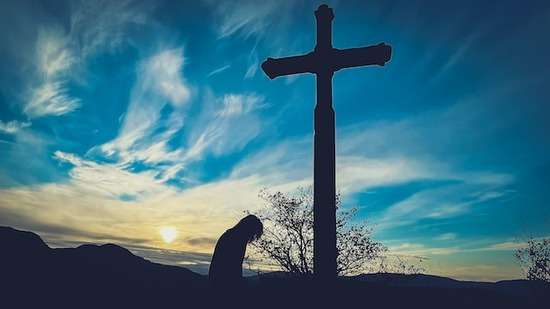
Photo by Jametlene Reskp on Unsplash
Atonement in the Bible, in essence, is something that removes the effects of sin so that human beings can be reunited in their relationship with God. This concept comes up over and over again with the sacrifices of the Old Testament sanctuary systems.
The idea originates from the Hebrew word kippurim, which literally means “a covering.”2
But the word atonement has Anglo-Saxon origins and is a mashing together of the words at + one + meant to mean “a state of being ‘at one’ or in agreement.” The Greek equivalent katallagē is similar; it means “reconciliation.”3
And reconciliation is the whole point.
Biblical references to atonement have a “predominant sanctuary and sacrificial context.”4 God provided the sanctuary system to help His people understand how He would reconcile them to Himself (Exodus 25:8), even though their sins had separated them from Him.
But the Israelites knew that these rituals foreshadowed something greater. They were already aware that the earthly sanctuary pointed to a temple in heaven.5 And the sacrifices of lambs and goats were a representation of a greater sacrifice.
The sanctuary system was a symbol of how Jesus, through His sacrifice, would become the atonement for our sins.
Let’s look at how atonement was taught on a daily and yearly basis in ancient Israel. Then, we can see how it still applies to us today.
The daily atonement

Photo by Mitchell Orr on Unsplash
Each day in the ancient Israelite sanctuary, animal sacrifices and the work of the priests made atonement for the people.
Leviticus 5 details the procedure for a sacrifice when an individual sinned:
“And it shall be, when he is guilty in any of these matters, that he shall confess that he has sinned in that thing; and he shall bring his trespass offering to the LORD for his sin which he has committed, a female from the flock, a lamb or a kid of the goats as a sin offering. So the priest shall make atonement for him concerning his sin” (Leviticus 5:5-6, NKJV).
Roy Gane, Professor of Hebrew Bible and Ancient Near Eastern Languages, points out that this sacrifice removed the sin from the sinner, and that individual was “treated as though the sin had not occurred.”6
But what made that possible?
Leviticus 17:11 explains:
“For the life of the flesh is in the blood, and I have given it to you upon the altar to make atonement for your souls; for it is the blood that makes atonement for the soul” (NKJV).
It was a substitution: The animal died so that the human wouldn’t have to pay the penalty of death.7

Photo by Tingey Injury Law Firm on Unsplash
It’s the same as if you committed a crime that deserved lifetime imprisonment, but then someone offered to take your imprisonment so that you could go free.
Justice is still being satisfied—but someone else is taking your place.
Here’s how the sacrificial system illustrated that:
Since all human beings have a fallen nature, sin was of course a daily struggle. And it required regular sacrifices because of this.
So a person would bring an animal to the sanctuary for the sacrifice. There, they would put their hands on the animal, confess their sins, and then slit the throat of the animal themselves. It was a powerful lesson each time.
This ceremony was driving home the idea that the sin of that individual had a cost—life. Sin ultimately results in death.
As they saw the innocent animal bleeding, they realized just how serious their sin was—that it would ultimately cost the life of the Messiah.
Once the animal had been sacrificed, the priest continued the ceremony. They would take the blood of the animal, carry it into the Holy Place of the sanctuary, and sprinkle it before the veil that led into the Most Holy Place (Leviticus 4:6-7). Or, the priest would roast the sacrifice and eat part of it (Leviticus 10:17).
In either case, the priest was taking the place of the sinner and “carrying” the sin into the sanctuary—whether through sprinkling the blood or by bearing it in his body by eating the sacrifice.
Professor Gane explains that the atonement involved both of these parts: the sacrifice of a victim and the priestly substitution. The priest took upon himself the sins of the people, symbolizing how God bears our sins when He forgives them.8
But could the animal sacrifices really take away sin?
No. This whole system was taught to the Israelites as the earliest model of the plan of salvation, which would provide understanding not only to them, but for all those who read about it in Scripture.
So, for the time being, God assigned these ceremonies value. In the end, though, they were “massively inadequate when it came to fulfilling the needs of justice. There was a glaring need for a more valuable kind of victim and for a kind of priest who actually suffered for the culpabilities he would bear on behalf of us.”9
Jesus Christ was the perfect one to fill the role of both sacrificial victim and priest.
Before we get there, though, we need to cover one other aspect of the atonement in the sanctuary system.
The yearly atonement

Photo by Markus Spiske on Unsplash
Aside from the daily sacrifices that the priests would make in the Israelite sanctuary, a special sacrifice and set of rituals took place once a year—the tenth day of the seventh month in the Jewish calendar (Leviticus 23:27). On this day, called the Day of Atonement or cleansing of the sanctuary, the high priest would make atonement for the whole camp of Israel (Leviticus 16:30).
Here’s how Leviticus 16:32-34 describes it:
“And the priest, who is anointed and consecrated to minister as priest in his father’s place, shall make atonement, and put on the linen clothes, the holy garments; then he shall make atonement for the Holy Sanctuary, and he shall make atonement for the tabernacle of meeting and for the altar, and he shall make atonement for the priests and for all the people of the assembly. This shall be an everlasting statute for you, to make atonement for the children of Israel, for all their sins, once a year” (NKJV).
What made this day unique was that it was the only day of the year that God allowed the high priest to enter the Most Holy Place (the third and smallest compartment of the sanctuary), which represented the throne room of God.
Like visiting someone of royalty, the Israelites didn’t take this occasion lightly. Everyone in the Israelite camp would confess their sins and prepare for the high priest to go into the very presence of God as their representative.
Let’s walk through the whole ceremony as it’s described in Leviticus 16.
Before performing the ceremony, the high priest would prepare himself and offer a bull to make atonement for himself and his family (verse 6). This would make sure he was ceremonially pure before entering God’s presence.
Then, he would take two goats. One goat was “for the Lord” (verse 9), and one was known as “Azazel” or the scapegoat (verse 10).
The high priest would sacrifice the goat for the Lord and take its blood, sprinkling it in the Most Holy Place of the sanctuary over the mercy seat, the cover of the ark of the covenant, which contained the Law of God that had been broken (verse 15).
He would then work his way back out of the sanctuary, sprinkling blood in various locations along the way. The purpose was to “cleanse and consecrate it from the uncleannesses of the people of Israel” (Leviticus 16:19, ESV). In essence, the blood of the goat for the Lord symbolically purified the sanctuary of all the sins of the people that had been brought in throughout the year.
And the final part is recorded in verses 20-22:
“And when he has made an end of atoning for the Holy Place, the tabernacle of meeting, and the altar, he shall bring the live goat. Aaron shall lay both his hands on the head of the live goat, confess over it all the iniquities of the children of Israel, and all their transgressions, concerning all their sins, putting them on the head of the goat, and shall send it away into the wilderness by the hand of a suitable man. The goat shall bear on itself all their iniquities to an uninhabited land; and he shall release the goat in the wilderness” (NKJV).
The sins that had been removed from the sanctuary were placed on the scapegoat, which was sent out into the wilderness to die.
As a result, the whole Israelite camp was clean (Leviticus 16:30).
Like the daily sacrifices, though, this ceremony was ultimately inadequate for fully and completely removing sin from the sanctuary. But it looked forward to the “final and complete removal of sin from God’s universe.”10
We’ll see next how the New Testament writers help connect these rituals with today’s realities.
What does atonement have to do with salvation?

Photo by REGINE THOLEN on Unsplash
The atonement has everything to do with salvation! The Israelites performed animal sacrifices to symbolize having their sins covered and their relationship with God mended, but these were by no means capable of taking away sins (Hebrews 10:4). All simply pointed to Jesus’ work of atonement, which is fully sufficient (Hebrews 10:5-10).
Writers of the Old Testament recognized that God wasn’t bloodthirsty for animal sacrifices (Psalm 51:16; Isaiah 1:11 Hosea 6:6). The ceremonies were just a way of impressing on the people the need for a greater atonement. David prayed to God:
“As for our transgressions, You will provide atonement for them” (Psalm 65:3, NKJV).
Isaiah 53 foretold the coming of a suffering Servant who would take upon Himself the sins of the people (Isaiah 53:4-8).
And the New Testament picks up on sanctuary language, identifying Jesus as “the Lamb of God who takes away the sin of the world” (John 1:29, NKJV).
The equivalent of atonement in the New Testament is “reconciliation,” and it’s used in a couple of key verses about Jesus:
“We also rejoice in God through our Lord Jesus Christ, through whom we have now received the reconciliation” (Romans 5:11, NKJV).
“Now all things are of God, who has reconciled us to Himself through Jesus Christ” (2 Corinthians 5:18, NKJV).
So, how does Jesus provide atonement for us?
Complete atonement through Jesus Christ
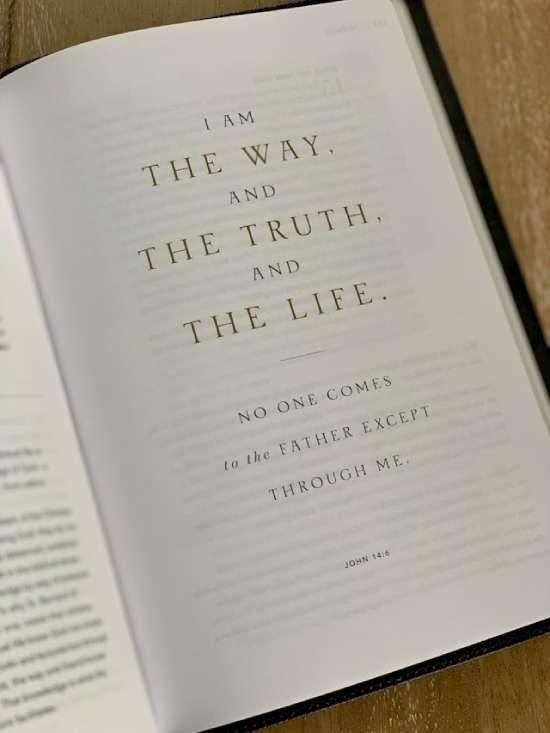
Photo by Tim Wildsmith on Unsplash
The atonement that comes through Jesus involves both His sacrificial work and priestly work for us. This follows from the sanctuary teaching that the victim of sacrifice and the priest were symbols of Christ and how He bears our sins.
This point is the focus of the apostle Paul in the book of Hebrews. He showed how the Old Testament sanctuary system was inadequate, but Christ is the greater atoning sacrifice and greater priest needed for the plan of salvation.11
Here’s how Hebrews 9:11-12 puts it:
“When Christ appeared as a high priest of the good things that have come, then through the greater and more perfect tent (not made with hands, that is, not of this creation) He entered once for all into the holy places, not by means of the blood of goats and calves but by means of His own blood, thus securing an eternal redemption” (ESV).
By His death on the Cross, Jesus was the sacrificial victim, becoming the atonement for our sins. And by His ministry in the sanctuary, He applies His blood just as the priests did, making intercession for us (Hebrews 7:25).
Professor Gane is emphatic: When it comes to Jesus, “you can’t separate His priesthood from His role as the victim.”12
In other words, Jesus’ sacrifice was enough for the forgiveness of the whole world (John 3:16). And His priestly ministry in the heavenly sanctuary applies that forgiveness to each individual specifically.13
And as we saw in the Scriptures, the term atonement is also used to refer to the Day of Atonement, which cleansed all the sins of the Israelite people once a year.
How does Jesus fulfill this aspect?
Before the Second Coming, Jesus will perform a work of judgment in the heavenly sanctuary (throne room of God) that cleanses the records there of all the sins His followers have confessed (Daniel 8:14; 7:9-10). It’s sometimes called the blotting out of sin (Acts 3:19; Revelation 3:5) or the investigative judgment in Adventism.
Hebrews 9:23 talks about this event in the context of the Day of Atonement:
“Thus it was necessary for the copies of the heavenly things to be purified with these rites, but the heavenly things themselves with better sacrifices than these” (ESV).
Once this work of Christ is finished, He will return to earth and take His people to be with Him. Sin will be no more, and we will live in a perfect new earth with Him (Revelation 21).
What can atonement look like for me today?
Today, we don’t have to sacrifice animals for atonement. Christ has provided full atonement for us, which we can receive through accepting Him and His sacrifice for us.
And the beautiful thing is, accepting Jesus’ atonement is life-changing. Gane says:
“The book of Hebrews reveals the transforming effect on those who accept Christ’s…sacrifice.”14
He goes on to mention Hebrews 9:14, which explains how the blood of Christ “[purifies] our conscience from dead works to serve the living God” (ESV).
Adventist pastor Ty Gibson affirms this idea:
“The atonement not only deals with the guilt of sin. The atonement of Christ deals with the dominating power that sin has over us. And according to Romans chapter 6, the atonement of Christ has a way of liberating us from the dominion of sin.”15
Through the atonement, Jesus frees us from the power sin has had over us through the lies of Satan. We are “set free from sin,” as Romans 6:7 says, and we no longer have to live under condemnation (Romans 8:1).
We don’t have to be in bondage to the lies Satan tells us—that we can’t be forgiven, that we aren’t good enough, etc. And we don’t have to be in bondage to anger, bitterness, hatred, fear, or any other sin.
When we have accepted Jesus’ gift by faith, we can have the assurance that He, as our High Priest, will apply His blood on our behalf in the heavenly sanctuary. He will blot out our sins so that someday, we can be fully reunited with Him.
Atonement—all about relationships

Photo by Kelly Sikkema on Unsplash
The atonement, symbolized by animal sacrifices in the Old Testament and fulfilled by Christ in the New Testament, is critical to the Christian experience. It’s all about God’s plan to end sin so He can be with us again.
Ultimately, it’s “all about relationships,” in the words of Professor Gane.
God is a relational God, and He created this plan out of deep love for us and a desire for us to heal our relationship with Him.
Because He loves us so much, He’ll never force us to take those steps.
But if we’re willing to accept the gift of the atonement, He wants to transform our lives through the Holy Spirit (Hebrews 8:10).
To understand what this looks like practically,
Related pages



- “What Adventists Believe About the Life, Death, and Resurrection of Christ,” Seventh-day Adventist Church. [↵]
- Horn, Siegfried, Seventh-day Adventist Bible Dictionary, Revised Ed., p. 97.[↵]
- Ibid. [↵]
- Cairus, Aecio, “Substitutionary Atonement,” Biblical Research Institute.[↵]
- Ibid. [↵]
- Gane, Roy, “Legal Substitution and Experiential Transformation in the Typology of Leviticus,” Symposium on Atonement, Adventist Theological Society. [↵]
- Ibid. [↵]
- Ibid. [↵]
- Ibid. [↵]
- Horn, p. 97-98. [↵]
- Gane, “Legal Substitution and Experiential Transformation in the Typology of Leviticus.” [↵]
- Ibid. [↵]
- Seventh-day Adventists Believe…, Review and Herald, 1988, p. 315-316. [↵]
- Gane, “Legal Substitution and Experiential Transformation in the Typology of Leviticus.” [↵]
- “Ty Gibson – Salvation/Atonement,” YouTube. [↵]
More Answers

Aya za Biblia Wakati Unapojisikia Kukata Tamaa
Maisha kamwe sio rahisi, lakini mara kwa mara mambo huwa magumu zaidi, yenye maumivu, au yanayo vunja moyo.
Versículos Bíblicos Para Quando Você Estiver Desanimado
A vida nunca é fácil, mas às vezes as coisas se tornam ainda mais difíceis, dolorosas ou desanimadoras.
Versículos bíblicos para cuando te sientes desanimado
La vida no siempre es fácil. A veces las cosas se tornan especialmente complicadas, dolorosas o desalentadoras.

Após a Ascensão de Jesus: O Que Ele Fez ao Longo do Novo Testamento
Primeiro conhecemos Jesus, o Filho de Deus e nosso Messias, lendo os relatos do Evangelho sobre Seu ministério terreno.
Después de la ascensión de Jesús: Lo que hizo a lo largo del Nuevo Testamento
Primero conocemos a Jesús, el Hijo de Dios y nuestro Mesías, al leer los relatos de los Evangelios sobre su ministerio terrenal.
Baada ya Yesu kupaa: Alichofanya katika Agano Jipya
Tunapata kumjua Yesu, Mwana wa Mungu na Masihi wetu, kwanza kwa kusoma habari za Injili kuhusu huduma yake duniani.

Hadithi za Uponyaji Katika Biblia na Maana Yake Kwako
Umewahi kuhisi kana kwamba isingewezekana kwako kuponywa? Kweli, kuna visa vya watu wanaoshinda changamoto zilizoshindikana au kupata uponyaji wa kimiujiza wa afya zao.
Msaada wa Upatikanaji na Maoni
Ikiwa unapata ugumu katika kupata maudhui katika tovuti yetu, unaweza kuomba kuyapata kwa namna mbadala kulingana na uhitaji wako. Ili kuomba taarifa katika muundo mbadala, tafadhali wasiliana nasi. Unaweza kujumuisha pia namna bora zaidi tunayoweza kuitumia...
Ayuda y comentarios sobre accesibilidad
Si encuentra alguna dificultad para acceder al contenido de nuestro sitio web, puede solicitar disponibilidad en un formato alternativo para sus necesidades de accesibilidad. Para solicitar información en un formato alternativo, comuníquese con nosotros. Asegúrese de...
Ajuda e Feedback de Acessibilidade
Se você encontrar alguma dificuldade em acessar o conteúdo em nosso site, pode solicitar que ele seja disponibilizado em um formato alternativo para suas necessidades de acessibilidade. Para solicitar informações em um formato alternativo, entre em contato conosco....
Sera ya Faragha
Sera ya FaraghaFaragha yako ni muhimu sana kwetu. Hivyo, katika sera hii tunaelezea jinsi tunavyokusanya, kutumia, kuwasiliana na kutumia taarifa binafsi: Wakati unapotembelea tovuti ya askanadventistfriend.com, shirika letu litajifunza taarifa fulani kuhusu wewe...
Política de Privacidad
Política de Privacidade
Sua privacidade é muito importante para nós. Assim, nesta política, descrevemos como coletamos, usamos, comunicamos e fazemos uso de informações pessoais: Ao acessar o site askanadventistfriend.com, nossa organização aprenderá certas informações sobre você durante sua...
Descargo de responsabilidad
Ask An Adventist Friend se compromete a mantener este sitio web actualizado y preciso. Si, no obstante, encuentra algo que sea incorrecto o esté desactualizado, le agradeceríamos que nos lo hiciera saber. Por favor, indique dónde en el sitio web leyó la información....
Isenção de responsabilidade
Pergunte a um Amigo Adventista está comprometido em manter este site atualizado e preciso. Se você encontrar algo que esteja incorreto ou desatualizado, agradeceríamos se você pudesse nos informar. Por favor, indique onde no site você leu a informação. Nós iremos...
Ilani ya Uwajibikaji
Ask An Adventist Friend imejitolea kuhakikisha tovuti hii inabaki kuwa ya kisasa na sahihi. Hata hivyo, iwapo utabaini taarifa yoyote isiyo sahihi au iliyopitwa na wakati, tutafurahi ikiwa utatufahamisha. Tafadhali eleza mahali ulipoisoma taarifa hiyo kwenye tovuti....
Merci de vous etre inscrit
You’re In! Welcome to the AskAnAdventistFriend Community!We’re so glad you’ve joined us, and we look forward to growing together in this faith journey! In the next few minutes, keep an eye out for a message from us in your inbox. In it, you’ll be asked to confirm your...
Gracias por Registrarte
¡Bienvenido a la comunidad AskAnAdventistFriend!¡Estamos felices de que te hayas unido a nosotros y esperamos crecer juntos en esta jornada de fe! En los próximos minutos, revisa tu bandeja de entrada, recibirás un mensaje de nosotros. En él, te pediremos que...
Obrigado por se Inscrever
Você agora faz parte! Seja bem-vindo à Comunidade AskAnAdventistFriend!Estamos muito felizes que você se juntou a nós e esperamos crescer juntos nesta jornada de fé! Nos próximos minutos, fique de olho na sua caixa de entrada para receber uma mensagem nossa. Nela,...
Asante Kwa Kujiandikisha
Umejiunga! Karibu kwenye Jamii ya AskAnAdventistFriend!Tuna furaha kubwa kwamba umejiunga nasi, na tunatarajia kukua pamoja nawe katika safari hii ya imani! Katika dakika chache zijazo, angalia ujumbe kutoka kwetu kwenye sanduku lako la barua. Katika ujumbe huo,...
Jiunge na Jamii ya AskAnAdventistFriend
Jiunge na Jamii ya AskAnAdventistFriendIkiwa umefurahia kile ulichoona kwenye tovuti yetu, usikose maudhui maalum ambayo yanapatikana tu kwa watu wanao pokea barua pepe zetu! Utapokea taarifa kuhusu maudhui mapya zaidi, pamoja na motisha, msukumo, na taarifa muhimu...
Estudios Bíblicos en Línea
Elige un estudio bíblico en línea Want to keep learning? There’s always more to discover within the pages of the Bible. Find out more about Jesus, humanity, the plan of salvation, and how God loves you enough to sacrifice everything, just to give you a chance to...
Pide Oración
Envíanos tu pedido de oración ¿Podemos orar por tí? La oración es poderosa. Cuando oramos, nos comunicamos con Dios, nos apoyamos mutuamente, nos sintonizamos con la presencia de Dios en nuestras vidas y abrimos nuestros corazones para ser movidos por el Espíritu...
Estudos Bíblicos Online
Escolha um Estudo Bíblico Online Want to keep learning? There’s always more to discover within the pages of the Bible. Find out more about Jesus, humanity, the plan of salvation, and how God loves you enough to sacrifice everything, just to give you a chance to choose...
Envie-nos seus pedidos de oração
Envie-nos seu pedido de oração Podemos orar por você? A oração é poderosa. Quando oramos, nos comunicamos com Deus, apoiamos uns aos outros, sintonizamos com a presença de Deus em nossas vidas e abrimos nosso coração para sermos movidos pelo Espírito Santo. A Bíblia...
Únete a la Comunidad
Únete a la comunidad de AskAnAdventistFriendSi te gusta lo que has visto en nuestro sitio web hasta ahora, ¡no querrás perderte el contenido exclusivo disponible solo para nuestra comunidad de correo electrónico! Serás notificado sobre contenido nuevo mientras también...
Junte-se à Comunidade
Junte-se à Comunidade AskAnAdventistFriendSe você gostou do que viu em nosso site até agora, não vai querer perder o conteúdo exclusivo disponível apenas para nossa comunidade de e-mail! Você será notificado sobre novos conteúdos, além de receber encorajamento...
Dona
¡Ayúdanos a seguir generando respuestas!AskAnAdventistFriend es un proyecto de divulgación sin fines de lucro que se compromete a responder tus preguntas sobre el Adventismo del Séptimo Día, Jesús, la Biblia, el Conflicto de los Siglos y más. Si deseas apoyar a...
Doe
Ajude-nos a continuar respondendo!AskAnAdventistFriend é um projeto de evangelismo sem fins lucrativos, dedicado a responder às suas perguntas sobre o Adventismo do Sétimo Dia, Jesus, a Bíblia, o Grande Conflito e muito mais. Se você deseja apoiar o...
Didn’t find your answer? Ask us!
We understand your concern of having questions but not knowing who to ask—we’ve felt it ourselves. When you’re ready to learn more about Adventists, send us a question! We know a thing or two about Adventists.