
The key figures and founders of Seventh-day Adventism were a group of people from various Protestant Christian denominations who were committed to studying the Word of God and sharing about Jesus Christ.
Though concentrated on the east coast of the United States, the movement didn’t remain there long. These individuals had a vision for a diverse worldwide movement that would reach across cultures and languages and result in connected congregations across the globe.
The Holy Spirit working through their efforts has done just that.
We’ll learn more about the lives of these ordinary yet devoted figures in the Adventist Movement:
Lots to cover! So, let’s begin with a man who emerged on the scene shortly after the Second Great Awakening of the early 19th century.
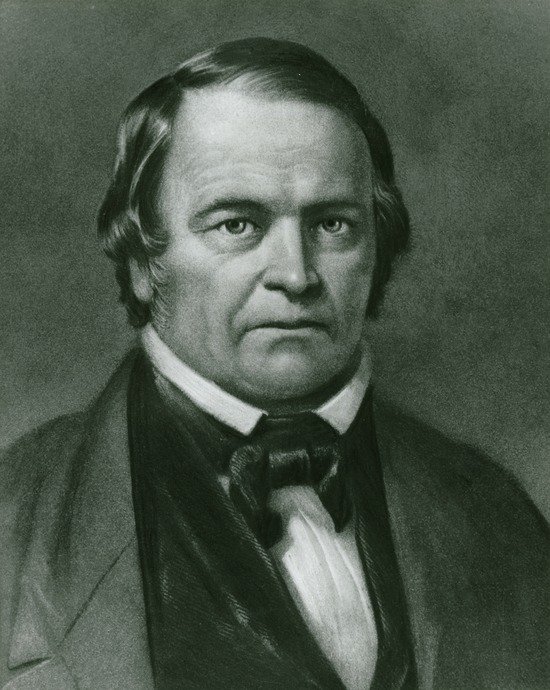
William Miller
Courtesy of the Ellen G. White Estate, Inc.
Initially known as the man who spurred the curiosity surrounding the second coming of Christ, William Miller was an American Baptist preacher and one of the forerunners of the Seventh-day Adventist Church.
Before becoming a devoted Bible scholar, Miller was a deist. After returning from serving in the War of 1812, however, he became anxious about the concepts of death and the afterlife.
He turned to the Bible for answers.
While studying his Bible, he learned much more than he ever thought he would. His memoir records how he found Scripture to contain “principle so perfectly adapted to the wants of a fallen world” and that “in Jesus I found a friend.”1
As Miller began to preach and publish information about the Second Advent, he and many of his followers, known as Millerites, were mocked openly and became unwelcome in their Christian churches.
So they went on to form the Millerite Movement, which focused on the truths they learned from their studies. They came to believe that Jesus would come in 1843 or 1844, and some of his followers eventually settled on October 22, 1844, as the exact date.
When Jesus didn’t return, the day became known as the Great Disappointment.
This set them back a bit. But they weren’t going to give up easily.
Many of his followers dove back into the Bible, back into the prophecy of Daniel 8:14. They knew the 2,300-day prophecy meant something, just not the coming of Christ.
Though Miller was wrong about the timing of the Second Coming, it spurred his followers (some of whom we’ll cover next) to start the Seventh-day Adventist Church, a movement that would continue to prepare the world for Christ’s return.
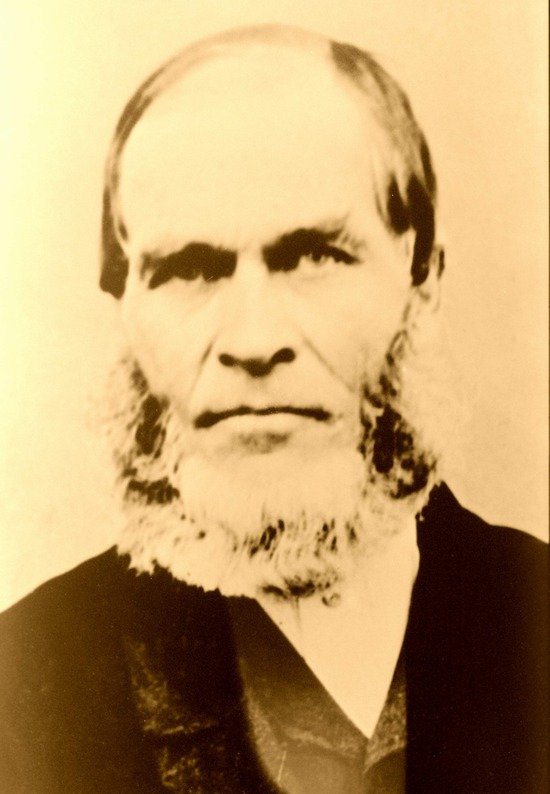
Hiram Edson
Courtesy of the Ellen G. White Estate, Inc.
Hiram Edson is perhaps best known in the Adventist Movement for his role in uncovering why Jesus didn’t come on October 22, 1844. And throughout the rest of his life, he encouraged and guided others to the truths in the Bible.
So how did he help unravel the Great Disappointment?
On October 23, as believers were reeling from their disappointment, Edson, a Millerite leader in his area, got a distinct impression that he needed to “encourage the brethren.”2
After praying with a small group of believers, he and a fellow Millerite, O.R.L. Crosier, set off through a cornfield to visit his neighbors.
But suddenly, Edson stopped.
“Brother Edson, what are you stopping for?” Crosier called out.
Edson responded, “The Lord was answering our morning prayer.”3
He shared how the Holy Spirit impressed him that Jesus wasn’t supposed to come to the earth on October 22, 1844. Rather, Jesus had begun an important work, known as the Investigative Judgment, in the Most Holy Place of the heavenly sanctuary.
This impression spurred Edson, along with Crosier and another individual named F. B. Hahn, to study the prophecy in Daniel that William Miller had studied. As they did so, they saw its connection to Jesus’ heavenly ministry (Hebrews 8 and 9).4
In 1846, Edson held a conference on his property in New York, where he shared what he had uncovered and met other Millerites who eventually started the Adventist Church.
Though he continued to work as a farmer throughout his life, spreading the gospel was always uppermost in his mind. He financially supported the church in every way he could.5 And he also went on evangelistic tours throughout New York and even up to Canada with other leaders in the Adventist Church, like Joseph Bates and J. N. Andrews.6
He received an honorary ordination to the ministry sometime between 1866 and 1875,7 but his life is truly an example of a layperson who committed to spreading the gospel in whatever ways he could.
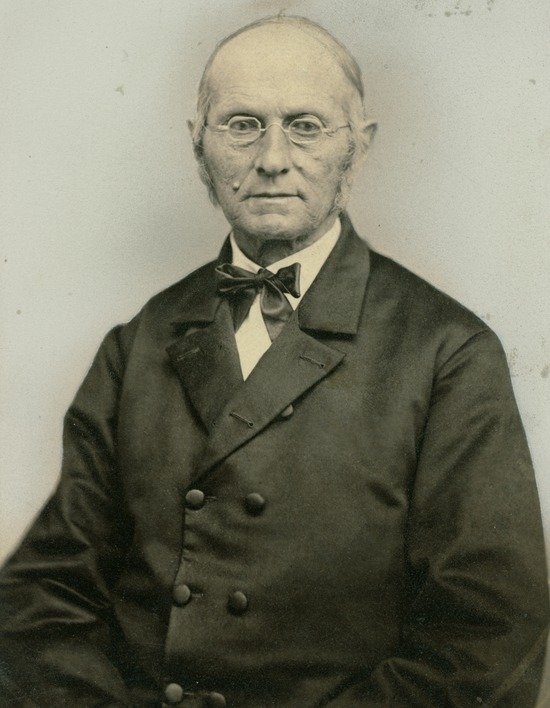
Joseph Bates
Courtesy of the Ellen G. White Estate, Inc.
Joseph Bates was a powerhouse in the Adventist Church, traveling—often on foot—from city to city to preach. He was involved in many leadership roles within the church and wrote on numerous biblical subjects, including the seventh-day Sabbath.
But before becoming an Adventist preacher, Joseph Bates spent many years out at sea. During this time, he began to read the Bible—a New Testament slipped into his suitcase by his wife. The little book changed his life, and he committed his life to God.
When he retired from the sea at age 35, he had a small fortune of $11,000—worth nearly $328,000 today.
After leaving the sea, Bates learned about William Miller and his teachings. He began working with Miller to educate people on the truths Miller and his followers had discovered. Despite the Great Disappointment, his faith in God didn’t waver.
In fact, he believed in the Advent Movement so much that he ended up putting his entire life’s savings—all $328,000 worth—toward its growth.
In 1846, Bates wrote a piece about the biblical seventh-day Sabbath and how it’s one of the ten commandments that has been forgotten by the Christian world. James and Ellen White read his article and, from it, decided to become “Sabbatarian Adventists.”
Along with James and Ellen White, Joseph Bates is one of the co-founders of the Seventh-day Adventist Church.
We’ll learn about James and Ellen White next.
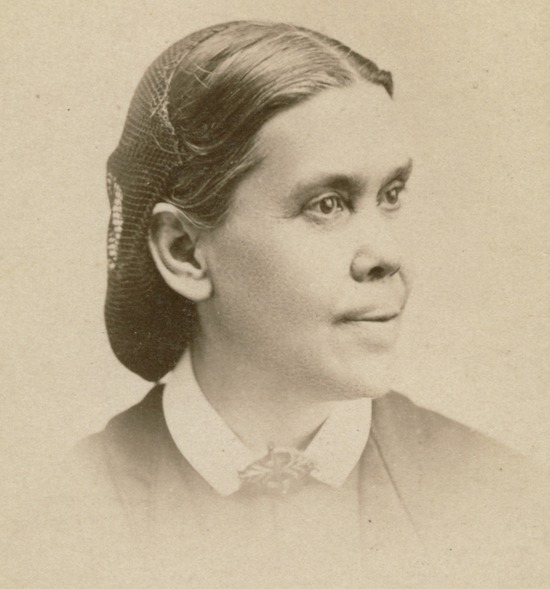
Ellen G. White
Courtesy of the Ellen G. White Estate, Inc.
Ellen White, recognized as having the biblical gift of prophecy, helped start and organize the Adventist Church. As it grew, she supported and guided its leadership, health and medical work, educational work, and worldwide missions. She was also a prolific writer, writing nearly 100,000 pages during her lifetime.
Without a shadow of a doubt, the Bible is the foundation of the Adventist faith. And everything Ellen White wrote was to make sure church leadership did not stray from the guidance of Scripture.
Through her writings, she provided the great controversy framework, which helped people see the Bible through the lens of a battle between Christ and Satan. She also sought to help people apply God’s Word to their daily lives in a practical way—no matter what denomination a person claimed.
All of Ellen White’s counsels and admonitions were documented and compiled into what is known today as the EGW Writings. These are managed by the trustees of the EGW Estate in Silver Spring, Maryland, and they remain relevant and of great value to the church.
James White
James White—Ellen White’s husband—was active in the Millerite Movement and, after the Great Disappointment, helped start the Adventist Church. He was a key proponent of organizing the General Conference of Seventh-day Adventists and played an integral role in founding other institutions.
The first Adventist school, health center, and publishing house were all started by him.
His personal health issues were what spurred the organization of an Adventist medical system. After receiving medical care while recovering from a stroke, he and his wife realized the help wasn’t what it could be. In response, they established the Battle Creek Sanitarium.
In addition to the health work, James White was involved in publishing, together with his wife. His first publication was The Present Truth, and it quickly became an effective gospel-spreading method. This periodical later became known as the Adventist Review and still circulates today.
The success of the Adventist Church in various witnessing methods—education, healthcare, and literature—can be attributed to James White’s tireless efforts.
J. N. Andrews
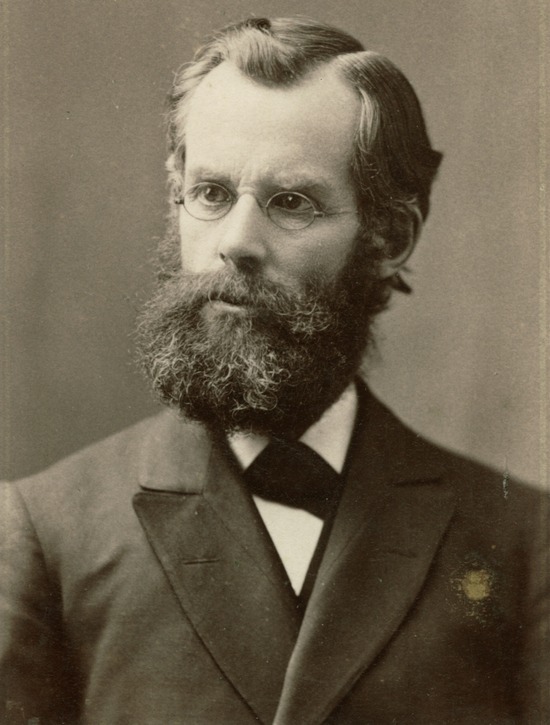
Courtesy of the Ellen G. White Estate, Inc.
John Nevins Andrews was an earnest Bible student who devoted his life to God’s work and contributed in many ways to Adventist theology. He spent many years writing and editing for Adventist publications, eventually taking the publishing work to Europe as the first Adventist missionary.
It all started when at age 12, Andrews learned about the Millerite Movement and excitedly awaited Jesus’ coming. The Great Disappointment was a big blow for him.
While struggling to know how to proceed, he learned about the seventh-day Sabbath and began to keep it. A few years later, in 1849, he met James and Ellen White and Joseph Bates, who directed him to the Bible and helped him understand what had really occurred on the day of the Great Disappointment.
At 20 years of age, he devoted himself to God’s work in numerous ways.
His earnest Bible studies led him to publish books, including an in-depth look at the history of the Sabbath. He also used his writings to support Ellen White’s writings, and together, they worked to spread the good news of Christ.
Later on, when the Adventist Church was officially established, he held the role of president of the General Conference for a time. He was also an editor of the Adventist Review.
As Seventh-day Adventist beliefs spread throughout America, Andrews knew that wasn’t enough.
If Christians were supposed to share the three angels’ messages with the whole world, then he needed to do just that. So he went to Switzerland, helping to lead the church in Europe, provide ministerial training, and establish Adventist publishing there.
Andrews’ mission work not only began the globalization of the Adventist Church but also helped grow the kingdom of God.
Today, Andrews University in Berrien Springs, Michigan—the first Adventist university—is named after J. N. Andrews in recognition of his efforts.
The Adventist Church today
Thanks to the work of Miller, Edson, Bates, the Whites, Andrews, and many others, Adventism flourished all around the world.
In the late 1870s, the church only had 16,000 members.
Twenty years later, in 1901, the worldwide membership count totaled 75,000.
Today, there are more than 20 million local church members, as well as 8,000+ schools, 100+ hospitals, and 50+ publishing houses.
With its fundamental beliefs firmly founded in biblical truth, the Adventist Church continues to grow, learn, and share the gospel with the world. The expansion of the Adventist Church hasn’t stopped…and it won’t until Christ returns to take us home.
Related Articles



- Bliss, Sylvester, Memoirs of William Miller (Joshua V. Himes, Boston, MA, 1853), p. 65. [↵]
- “The Voice of God,” Lest We Forget, vol. 3, p. 2. [↵]
- “Hiram Edson,” Adventist Learning Community. [↵]
- “The Voice of God,” Lest We Forget, vol. 3, p. 2. [↵]
- “Hiram Edson: Chosen instrument,” Lest We Forget, vol. 3, pp. 4–6. [↵]
- “Hiram Edson: The Farmer in the Cornfield,” Lineage. [↵]
- Ibid. [↵]
More Answers

¿Por qué muchos Adventistas del Séptimo Día eligen una dieta vegetariana?
¿Por qué muchos Adventistas del Séptimo Día eligen una dieta vegetariana?Puede que tengas un amigo adventista que sea vegetariano, o tal vez estés asistiendo a una Iglesia Adventista del Séptimo Día por primera vez y notes que en la comida compartida no hay carne....

What is Jesus’ Parable of the Sower About?
The parable of the sower is ultimately about how people responded to Jesus Christ and His message of the kingdom of God—the Gospel.

O que os Adventistas do Sétimo Dia acreditam sobre o Grande Conflito (Bem vs. Mal)?
O “Grande Conflito” é a frase que os Adventistas do Sétimo Dia normalmente usam para descrever o conflito espiritual cósmico entre as forças do bem (Deus) e as forças do mal ou do pecado (Satanás/o diabo).

Was Jesus Ever Hypocritical? Learn What the Bible Says.
Was Jesus Ever Hypocritical? Learn What the Bible SaysMany undesirable traits are associated with hypocrisy. But overall, hypocrites intentionally try to make others believe they uphold or represent a certain belief system, character trait, lifestyle, etc., when in...

Kukatishwa Tamaa Kukuu na Kile Tunachojifunza
Wafuasi wa Miller walitabiri kurudi kwa Kristo Oktoba 22, 1844, lakini Yesu hakuja kamwe. Tukio lingine lilitokea. Gundua kilichotokea kweli na Kukatishwa Tamaa Kukuu kunaweza kutufundisha leo.

When in Doubt: 7 Ways Christians Can Manage Uncertainty
When in Doubt: 7 Ways Christians Can Manage UncertaintyFew things in life are truly certain. And no matter how convinced some people can appear on the surface, no one is immune to doubt. And this isn’t a bad thing. Doubt has a purpose. A role to serve. (Just imagine...
El gran chasco y las lecciones que nos enseña
Los Milleritas predijeron el regreso de Cristo el 22 de octubre de 1844, pero Jesús nunca llegó. Ocurrió otro evento. Descubre lo que realmente sucedió y qué puede enseñarnos hoy El gran chasco.

Is Jesus the Same Being as Michael the Archangel?
Many Christians have wondered at the mysterious identity of Michael the Archangel.
A Grande Desapontamento e Lições que nos Ensina
Os Milleritas previram o retorno de Cristo em 22 de outubro de 1844, mas Jesus nunca chegou. Outro evento ocorreu. Descubra o que realmente aconteceu e o que o Grande Desapontamento pode nos ensinar hoje.
James Springer White, Co-Fundador da Igreja Adventista do Sétimo Dia
James Springer White (1821–1881) foi uma figura chave na Igreja Adventista do Sétimo Dia e marido de Ellen G. White.
James Springer White, cofundador de la Iglesia Adventista del Séptimo Día
James Springer White (1821–1881) fue una figura clave en la Iglesia Adventista del Séptimo Día y el esposo de Elena G. de White.

Kila Kitu Unachohitaji Kujua Kuhusu Chakula cha Siku ya Sabato
Kwa Waadventista Wa Sabato, kushiriki chakula cha Siku ya Sabato pamoja na marafiki na familia ni moja ya sehemu muhimu na ya kumbukumbu ya Sabato.

Nini Maana ya “Mwadventista”?
Waadventista wa Sabato ni dhehebu la Kikristo la Kiprotestanti wanaoshikilia Sabato ya siku ya saba kama ilivyoandikwa katika Biblia.

How to Have a Personal Relationship with Jesus: A 10-Step Guide
How to Have a Personal Relationship with Jesus: A GuideNo matter who you are, you’re surrounded by relationships. Friends, family, colleagues, acquaintances...they all play a part in our lives, for better or worse. So you’re surely aware of a lot of the components...

Biblia Ina Maana Gani Inaposema Yesu ni Mwana wa Mungu?
Biblia inapomwita Yesu Mwana wa Mungu inarejelea uungu wake. Jifunze ni nini kinachofanya hili kuwa muhimu na kinahusianaje na wokovu.

“Go and Sin No More”—What Did Jesus Mean?
These well-known words of Jesus Christ come from two New Testament stories in the book of John—a man healed by the Pool of Bethesda (John 5) and a woman caught in adultery (John 8).

Quais são as Mensagens dos Três Anjos em Apocalipse 14?
As mensagens dos três anjos em Apocalipse 14 advertem o mundo a adorar a Deus, deixar a confusão religiosa e evitar a adoração de tradições humanas em vez dos mandamentos de Deus.

Je! Tunaweza Kuitunza Siku Yoyote ya Wiki Kama Sabato?
Katika sura za kwanza kabisa za Biblia, tunamwona Mungu akianzisha kumbukumbu ya kila wiki na siku ya mapumziko, inayoitwa Sabato (Mwanzo 2:2-3).
¿Cuáles son los mensajes de los tres ángeles en Apocalipsis 14?
Los mensajes de los tres ángeles en Apocalipsis 14 invitan al mundo a adorar a Dios, abandonar la confusión religiosa y evitar la adoración de tradiciones humanas en lugar de los mandamientos de Dios.
Por que muitos Adventistas do Sétimo Dia escolhem uma dieta vegetariana?
Embora nem todo adventista seja vegetariano, muitos evitam completamente o consumo de carne para viver de forma mais saudável, buscando honrar a Deus física, espiritual e mentalmente.

Understanding the Miracles of Jesus Christ
Understanding the Miracles of Jesus ChristWhat do you think of when someone says something is “a miracle”? Maybe you think of an unexpected recovery, surviving a dangerous accident, or getting an answer to a seemingly impossible prayer. Simply put, miracles are...
O que significa “Adventista”?
O que significa "Adventista"?Os Adventistas do Sétimo Dia são uma denominação cristã protestante que observa o sábado bíblico do sétimo dia. A partir dessa crença, eles obtêm a primeira parte de seu nome. Mas e quanto à segunda parte - "Adventista"? “Adventista”...
¿Podemos guardar el sábado bíblico cualquier día de la semana?
En los primeros capítulos de la Biblia, encontramos a Dios estableciendo un memorial semanal y día de reposo, conocido como el sábado (Génesis 2:2-3).
Podemos guardar o Sábado em qualquer dia da semana?
Nos primeiros capítulos da Bíblia, encontramos Deus estabelecendo um memorial semanal e dia de descanso, conhecido como o Sábado (Gênesis 2:2-3).
O que significa a Bíblia quando chama Jesus de Filho de Deus?
Quando a Bíblia chama Jesus de Filho de Deus, está se referindo à Sua divindade. Saiba o que torna isso tão significativo e o que tem a ver com a salvação.
¿Qué creen los Adventistas del Séptimo Día acerca de la Biblia?
La Biblia forma la base de todo lo que los Adventistas del Séptimo Día creen y enseñan.
Legado Duradouro de Ellen G. White
Ellen G. White é um nome bem conhecido entre os Adventistas do Sétimo Dia, mas ela também teve um impacto em muitas outras partes da história, além de ser co-fundadora da Igreja Adventista.

What Does it Mean to Have Faith in Jesus?
What Does it Mean to Have Faith in Jesus?To have faith in Jesus means we place our spiritual hope, trust, belief, and priority in Him as our loving Savior. And that sounds great as an idea. That’s our goal, right? But when we go through difficult times, face...
James Springer White, Mwanzilishi wa Kanisa la Waadventista Wa Sabato
James Springer White (1821–1881) alikuwa mtu muhimu katika Kanisa la Waadventista wa Sabato na mume wa Ellen G. White.
Didn’t find your answer? Ask us!
We understand your concern of having questions but not knowing who to ask—we’ve felt it ourselves. When you’re ready to learn more about Adventists, send us a question! We know a thing or two about Adventists.