
Ellen White is an important part of the Seventh-day Adventist Church: she played a significant role in its founding, provided biblical support for several key doctrines, and continues to inspire church members today with her insightful counsel.
But if you’re just becoming familiar with what Adventism is and what it’s all about, it might feel strange to find that so much attention is placed on one particular person of our history.
It might even bring you to wonder, can I still be an Adventist if I don’t “believe” in Ellen White or Ellen White’s teachings?
Simply put, the answer is, “yes!” And we’ll get into why.
Jesus and the Bible have always been, and still are, the foundation of the Adventist Church. No individual or man-made creed will change that.
This page will discuss how Adventists regard Ellen White, answering questions like:
- What does it mean to “believe” in Ellen White
- Can I be an Adventist if I don’t believe in Ellen White?
- Why do Adventists hold Ellen White in such high regard?
Let’s start off by establishing what it even means to believe in Ellen White.
What does “belief” in Ellen White mean?
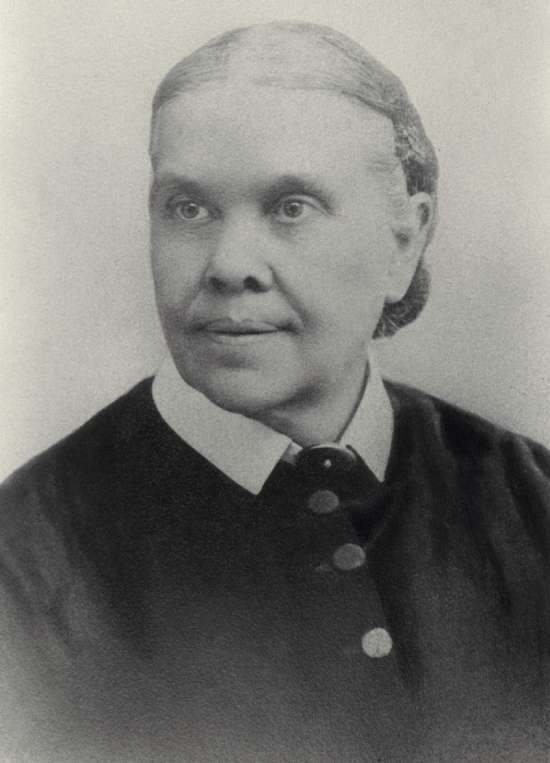
Courtesy of the Ellen G. White Estate, Inc.
When Adventists talk about belief in Ellen White, they aren’t referring to it in the same way that a person would ”believe” in Jesus Christ.
Ellen White is not, and should never be, held in the same regard as God.
So, instead of asking if someone believes in Ellen White, it’s more accurate to ask if someone believes that she had the spiritual gift of prophecy.1
This doesn’t mean unwaveringly adhering to all of her writings, as many of them were written in a specific context to a specific audience. She also wrote ordinary letters about everyday things, just like many people did in those days when they didn’t live in close proximity.
Rather, believing in Ellen White is more about recognizing her as a servant of God and acknowledging her prophetic gift (just as we’d say that we “believe” in the prophets we read about in the Bible).
But how do Adventists know that Ellen White exhibited the gift of prophecy?
Well, she passes the tests of a prophet as outlined in the Bible:
- Glorify God and not themselves (John 16:13)2
- Testify that Jesus became human and is from God (1 John 4:2)3
- Must align with the Bible (Isaiah 8:20)4
- Lives a life that bears good fruit [habits] (Matthew 7:15-16)5
- Prophecies must come true (Jeremiah 28:9)6
Her writings and instructions that concern Adventist doctrine and theology are always compared to biblical instruction. Nothing she wrote contradicts or amends the instructions of the Word of God.
Many Adventists who know Ellen White’s teachings well feel confident that her writings align with the Bible and can supplement their spiritual life.
That being said, Seventh-day Adventism is a global church, so there are certainly varying degrees of knowledge about or application of Ellen White’s teachings from congregation to congregation, and even Adventist to Adventist.
These differences ensure that Adventists are not Adventist simply because they “check the box” of believing in Ellen White’s inspired counsel. Not only that, but an individual’s beliefs shape over time depending on their experiences. Each is on their own unique walk with God.
Now, let’s break down the primary question of this article a little bit more.
Can I be an Adventist if I don’t believe in Ellen White?
There are several reasons why the answer to this question is yes, including:
- Jesus and the Bible are the foundation of the Adventist Church.
- The early Adventist Church pioneers themselves, including Ellen White, would answer this question with a “yes.”
- Ellen White embraced the fact that her special gift was to point people toward Scripture, upholding its importance.
- The Fundamental Beliefs are descriptive and not prescriptive.
By going over each of these reasons, we can gain a better understanding of the Church and why someone can still be an Adventist, even if they don’t fully believe in or know everything about Ellen White’s prophetic gift.
Jesus Christ and the Bible are the foundation of the Adventist Church
From its beginning, the Adventist Church has placed a lot of emphasis on careful Bible study. The Word of God and the life of His Son, Jesus, make up the cornerstone of the Church. Without those things, the Church would not exist.
The Bible is also the foundation of all Adventist doctrines and beliefs, including the Sabbath, the Trinity, Creation, the Great Controversy, and the second coming of Christ.
Furthermore, God is the only being that Adventists worship. Adventist fellowship, then, is dependent on one’s belief in and view of God.
Belief in Jesus, His gift of salvation, and the Bible are far more important than knowing all about Ellen White. Believing in Jesus and His gift of eternal life is actually a salvational issue. In other words, you certainly do not need to believe in Ellen White’s prophetic gift to be saved.
Early church founders’ position on this question
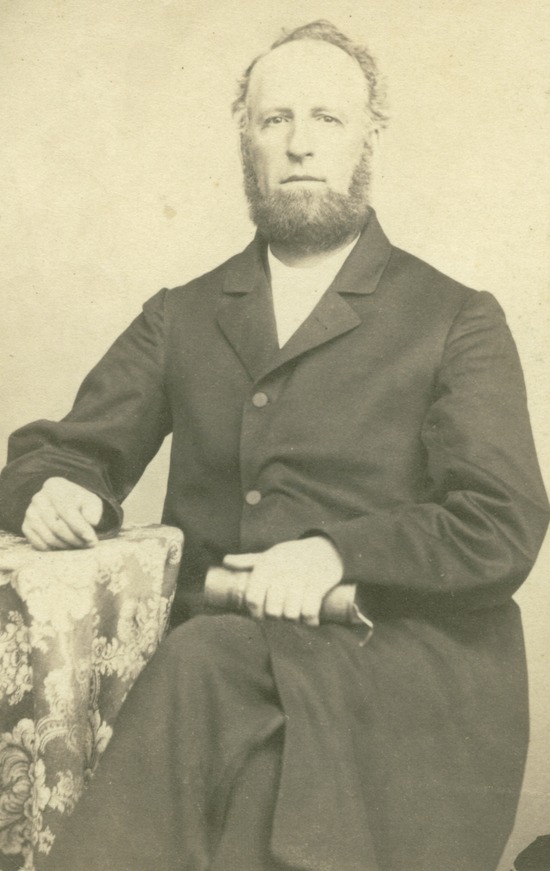
photo to indicate that this is James White, Ellen White’s husband?
The founders of the Adventist Church, including Ellen White herself, denied that belief in her writings and visions should be a necessity for Adventist church membership.
On several occasions, she made it clear that her role is merely that of a servant of God. She is not necessary for salvation, and her writings are reflections on concepts that are already in Scripture.
Her spiritual gift was meant to remind fellow believers of what they should already know, to give them insight on perplexing concepts, to provide insight about the end times, and to encourage her fellow believers to live according to the Bible’s principles.
The clearest example of Ellen White’s opinion on this point comes from the first volume of her book, Testimonies of the Church:
“There were some who were God’s children, and yet doubted the visions…Some were skeptical, and they had sufficient cause to make them so…There should be no trial or labor with those who have never seen the individual having visions, and who have no personal knowledge of the influence of the visions. Such [people] should not be deprived of the benefits and privileges of the church, if their Christian course is otherwise correct, and they have formed a good Christian character.”7
Another founder of the Church—and Ellen White’s husband—James White, similarly opposes the use of Ellen White’s spiritual gift as a test of faith:
“It is well known that we have been charged with testing all men by the visions, and of making them the rule of our faith. This is bold untruth, of which those who uttered it were not ignorant. This I have denied, and deny it still.”8
It’s clear based on these quotes that believing in Ellen White’s visions and writings is not necessary for church membership.
However, because the Adventist Church does accept Ellen White as an inspired messenger, if one joins the Church who actively opposes this belief and seeks to create disunity, that can become a problem that needs to be addressed.
If, however, members and congregations are treated with love and respect, then these differing perspectives don’t have to cause any unrest.9
The fundamental beliefs are descriptive, not prescriptive
The fundamental beliefs are often taken as a check-box of what an Adventist should or should not believe and how an Adventist should or should not live.
This would make the fundamental beliefs prescriptive, meaning that they are prescribing a set of beliefs or lifestyle for members to follow.
However, it’s much more useful and accurate to look at the fundamental beliefs as descriptive instead.
Rather than having the fundamental beliefs be a series of boxes you need to check in order to be an Adventist, they are better seen as describing what the majority of Adventists believe.
However, if someone wishes to join the Adventist Church but disagrees with most of its members’ perspectives of Scripture and its application, one might simply question the reasoning. It may be that “Seventh-day Adventist” isn’t the most accurate description of their faith. (But that still would not make them unwelcome in the faith community, unless they intended to create discord. And that’s a different issue altogether.)
Those wishing to join the Adventist Church are introduced to the 28 fundamental beliefs and to Ellen White and her writings, so that they can judge for themselves why Adventists believe she had the prophetic spiritual gift.
Why do many Adventists hold Ellen White in high regard?

Photo by Emmanuel Phaeton on Unsplash
Ellen White, along with other founding members of the Church, shaped the Church for the better.
Many key Adventist doctrines, which were founded on biblical principles, were confirmed by insights that Ellen White received from God, such as the investigative judgment, righteousness by faith, and the Great Controversy.
Not only that, but many of Ellen White’s writings and lifestyle guidelines have enriched fellow believers’ study of the Bible and their application of it to their lives.
She adds detail and reflection to the story of the Bible in a way that makes studying the Word of God so much more insightful and lovely.
Also, believing in Ellen White’s spiritual gift of prophecy gives church members insight into God’s ability to reveal truth to His children, even today (Acts 2:17-18).
While acceptance of Ellen White’s gift is not a prerequisite for membership in the Adventist Church, getting acquainted with her writings can certainly be helpful in terms of spiritual growth and application.
You can attend and worship in an Adventist church no matter what you believe
Whether or not you are interested in joining the Adventist Church, you are always welcome to attend a church and worship there.
You don’t have to know anything about Adventist doctrine or the Bible, and you certainly won’t be turned away or discriminated against for any belief or lack of knowledge.
At the end of the day, sharing the love and welcoming heart of Jesus is the whole point of the Adventist Church. But we do believe that Ellen White’s writings provide valuable insights into God’s Word and help us to better live out His mission in this world.
Jesus is the essential piece. He is where we can all find eternal life and peace while on this earth.
Read this page about Ellen White’s visions and prophecies if you are interested in learning more about Ellen White, her prophetic gift, or why so many Adventists hold her in high regard.
- Romans 12:6; 1 Corinthians 12:28, 29; 13:1-3, 8; 14:6; Ephesians 4:11 [↵]
- https://ellenwhite.org/faq/18 [↵]
- https://ellenwhite.org/faq/18 [↵]
- https://ellenwhite.org/faq/18 [↵]
- https://ellenwhite.org/faq/18 [↵]
- https://ellenwhite.org/faq/18 [↵]
- https://egwwritings.org/read?panels=p648.867&index=0#highlight=648.852%7C0 [↵]
- White, James. Review and Herald, Feb 14, 1856, pp. 158 [↵]
- White, Ellen. Testimonies of the Church, volume 1, pp 327-329 [↵]
Related Articles



More Answers
Sera ya Faragha
Sera ya FaraghaFaragha yako ni muhimu sana kwetu. Hivyo, katika sera hii tunaelezea jinsi tunavyokusanya, kutumia, kuwasiliana na kutumia taarifa binafsi: Wakati unapotembelea tovuti ya askanadventistfriend.com, shirika letu litajifunza taarifa fulani kuhusu wewe...
Política de Privacidad
Política de Privacidade
Sua privacidade é muito importante para nós. Assim, nesta política, descrevemos como coletamos, usamos, comunicamos e fazemos uso de informações pessoais: Ao acessar o site askanadventistfriend.com, nossa organização aprenderá certas informações sobre você durante sua...
Descargo de responsabilidad
Ask An Adventist Friend se compromete a mantener este sitio web actualizado y preciso. Si, no obstante, encuentra algo que sea incorrecto o esté desactualizado, le agradeceríamos que nos lo hiciera saber. Por favor, indique dónde en el sitio web leyó la información....
Isenção de responsabilidade
Pergunte a um Amigo Adventista está comprometido em manter este site atualizado e preciso. Se você encontrar algo que esteja incorreto ou desatualizado, agradeceríamos se você pudesse nos informar. Por favor, indique onde no site você leu a informação. Nós iremos...
Ilani ya Uwajibikaji
Ask An Adventist Friend imejitolea kuhakikisha tovuti hii inabaki kuwa ya kisasa na sahihi. Hata hivyo, iwapo utabaini taarifa yoyote isiyo sahihi au iliyopitwa na wakati, tutafurahi ikiwa utatufahamisha. Tafadhali eleza mahali ulipoisoma taarifa hiyo kwenye tovuti....
Merci de vous etre inscrit
You’re In! Welcome to the AskAnAdventistFriend Community!We’re so glad you’ve joined us, and we look forward to growing together in this faith journey! In the next few minutes, keep an eye out for a message from us in your inbox. In it, you’ll be asked to confirm your...
Gracias por Registrarte
¡Bienvenido a la comunidad AskAnAdventistFriend!¡Estamos felices de que te hayas unido a nosotros y esperamos crecer juntos en esta jornada de fe! En los próximos minutos, revisa tu bandeja de entrada, recibirás un mensaje de nosotros. En él, te pediremos que...
Obrigado por se Inscrever
Você agora faz parte! Seja bem-vindo à Comunidade AskAnAdventistFriend!Estamos muito felizes que você se juntou a nós e esperamos crescer juntos nesta jornada de fé! Nos próximos minutos, fique de olho na sua caixa de entrada para receber uma mensagem nossa. Nela,...
Asante Kwa Kujiandikisha
Umejiunga! Karibu kwenye Jamii ya AskAnAdventistFriend!Tuna furaha kubwa kwamba umejiunga nasi, na tunatarajia kukua pamoja nawe katika safari hii ya imani! Katika dakika chache zijazo, angalia ujumbe kutoka kwetu kwenye sanduku lako la barua. Katika ujumbe huo,...
Jiunge na Jamii ya AskAnAdventistFriend
Jiunge na Jamii ya AskAnAdventistFriendIkiwa umefurahia kile ulichoona kwenye tovuti yetu, usikose maudhui maalum ambayo yanapatikana tu kwa watu wanao pokea barua pepe zetu! Utapokea taarifa kuhusu maudhui mapya zaidi, pamoja na motisha, msukumo, na taarifa muhimu...
Estudios Bíblicos en Línea
Elige un estudio bíblico en línea Want to keep learning? There’s always more to discover within the pages of the Bible. Find out more about Jesus, humanity, the plan of salvation, and how God loves you enough to sacrifice everything, just to give you a chance to...
Pide Oración
Envíanos tu pedido de oración ¿Podemos orar por tí? La oración es poderosa. Cuando oramos, nos comunicamos con Dios, nos apoyamos mutuamente, nos sintonizamos con la presencia de Dios en nuestras vidas y abrimos nuestros corazones para ser movidos por el Espíritu...
Estudos Bíblicos Online
Escolha um Estudo Bíblico Online Want to keep learning? There’s always more to discover within the pages of the Bible. Find out more about Jesus, humanity, the plan of salvation, and how God loves you enough to sacrifice everything, just to give you a chance to choose...
Envie-nos seus pedidos de oração
Envie-nos seu pedido de oração Podemos orar por você? A oração é poderosa. Quando oramos, nos comunicamos com Deus, apoiamos uns aos outros, sintonizamos com a presença de Deus em nossas vidas e abrimos nosso coração para sermos movidos pelo Espírito Santo. A Bíblia...
Únete a la Comunidad
Únete a la comunidad de AskAnAdventistFriendSi te gusta lo que has visto en nuestro sitio web hasta ahora, ¡no querrás perderte el contenido exclusivo disponible solo para nuestra comunidad de correo electrónico! Serás notificado sobre contenido nuevo mientras también...
Junte-se à Comunidade
Junte-se à Comunidade AskAnAdventistFriendSe você gostou do que viu em nosso site até agora, não vai querer perder o conteúdo exclusivo disponível apenas para nossa comunidade de e-mail! Você será notificado sobre novos conteúdos, além de receber encorajamento...
Dona
¡Ayúdanos a seguir generando respuestas!AskAnAdventistFriend es un proyecto de divulgación sin fines de lucro que se compromete a responder tus preguntas sobre el Adventismo del Séptimo Día, Jesús, la Biblia, el Conflicto de los Siglos y más. Si deseas apoyar a...
Doe
Ajude-nos a continuar respondendo!AskAnAdventistFriend é um projeto de evangelismo sem fins lucrativos, dedicado a responder às suas perguntas sobre o Adventismo do Sétimo Dia, Jesus, a Bíblia, o Grande Conflito e muito mais. Se você deseja apoiar o...
Contáctanos
ContáctanosEnvíanos un mensaje¡Nos encantaría saber de ti! No dudes en hacer una pregunta, solicitar información o hacer una sugerencia.
Contate-Nos
Contate-NosEnvie-nos uma mensagemAdoraríamos ouvir de você! Sinta-se à vontade para fazer uma pergunta, solicitar informações ou oferecer uma sugestão.
Sobre nosotros
Cuando tienes preguntas importantes, quieres respuestas directamente de la fuente. Eso es lo que hemos venido a hacer con AskAnAdventistFriend.com. Este sitio es operado por Adventistas del Séptimo Día dedicados y activos que quieren responder a tus preguntas. La...
Sobre nós
Quando você tem perguntas importantes, você quer respostas diretamente da fonte. É por isso que estamos aqui com AskAnAdventistFriend.com Este site é operado por Adventistas do Sétimo Dia dedicados e engajados que querem responder às suas perguntas A maior parte do...
Maktaba ya Rasilimali
Free Resources to Boost Your Bible StudyLike what you’ve read on our website? You can take the content with you by downloading our FREE Bible study tools below. Each PDF accompanies an article on AskAnAdventistFriend.com, providing you with supplemental content,...
Changia
Tusaidie kuendelea kupata majibu!AskAnAdventistFriend ni mradi unaolenga kuwafikia wengine bila kujipatia faida ambao umejikita katika kujibu maswali yako kuhusu Waadventista wa Sabato, Yesu, Biblia, Pambano Kuu, na mengineyo. Ikiwa ungependa kuchangia kifedha...
Masomo ya Biblia mtandaoni
Chagua Kujifunza Biblia Mtandaoni Want to keep learning? There’s always more to discover within the pages of the Bible. Find out more about Jesus, humanity, the plan of salvation, and how God loves you enough to sacrifice everything, just to give you a chance to...
Tutumie Maombi Yako
Tuma Ombi Lako Tunaweza kukuombea? Maombi yana nguvu. Tunapoomba, tunawasiliana na Mungu, tunasaidiana, tunakaribisha uwepo wa Mungu katika maisha yetu, na tunafungua mioyo yetu kwa uongozi wa Roho Mtakatifu. Biblia inatuambia “Msijisumbue kwa neno lo lote; bali...
Kuhusu Tovuti
Unapokuwa na Maswali Muhimu, Unahitaji Majibu Moja kwa Moja Kutoka Kwenye Chanzo. Hili ndilo tunalofanya katika AskAnAdventistFriend.com. Tovuti hii inaendeshwa na Waadventista wa Sabato waliojitolea na walio tayari kujibu maswali yako. Sehemu kubwa ya maudhui yetu...
Wasiliana Nasi
Wasiliana NasiTutumie UjumbeTungependa kusikia kutoka kwako! Jisikie huru kuuliza swali, kutafuta taarifa, au kutoa pendekezo.
Didn’t find your answer? Ask us!
We understand your concern of having questions but not knowing who to ask—we’ve felt it ourselves. When you’re ready to learn more about Adventists, send us a question! We know a thing or two about Adventists.