
When the Seventh-day Adventist Church was still young, a council of the church in Europe requested Ellen White, one of Adventism’s key leaders, to come to Europe. Despite the many obstacles, God led her there to help the new churches and members for two years.
Here’s an overview of her journey and all the ways God used her to spread the gospel there.
We’re going to cover:
Let’s first take a look at the timing of her trip.
When Ellen White traveled to Europe
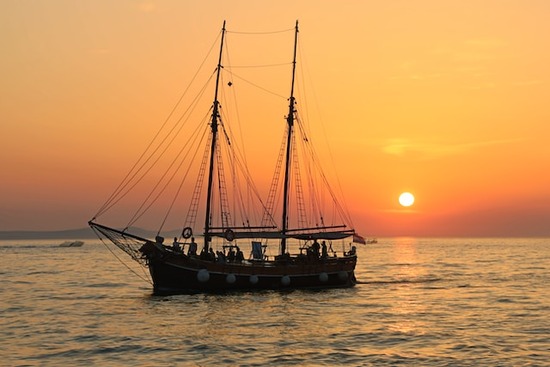
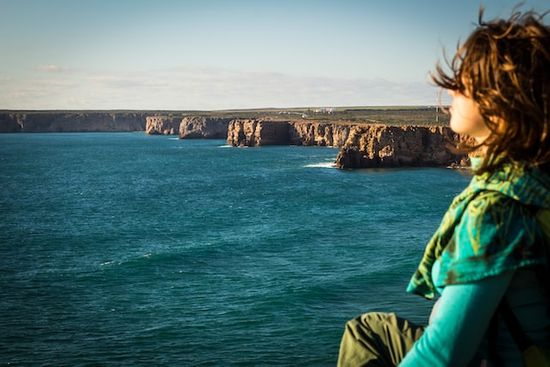
Photo by Katherine McCormack on Unsplash
Ellen White journeyed to Europe in August of 1885 and remained there until 1887.
This was a time when airplanes were yet future. Ships were the only way to cross the sea, while on land, trains and horse-drawn carriages were typical transportation.
No air conditioning existed for the hot summer days, either, so traveling could be rather uncomfortable.
The Adventist Church at this time was just a few decades old, Following the Millerite Movement in the 1840s, those of the Advent Movement began meeting and studying together, but they didn’t organize into a church until 1863. And in Europe, the movement was even newer and it needed support.
On July 6, 1885, Ellen White began her trip across the United States from her home in St. Helena, California. On the way, she stopped in Kansas City, Missouri, Battle Creek, Michigan, and some other places, arriving in Boston in time for her August 7 embarkation on the ship S.S. Cephalonia.
She traveled with her son, William C. White, his wife Mary Kelsey White, and their three-year-old daughter Ella, as well as some other assistants and close church members.
It took 11 days to cross the Atlantic, and the trip was pleasant. Ellen White and her companions arrived in Liverpool, England, on August 18.
She stayed in Europe for two years. She returned to America by way of England again, departing from Liverpool on August 3, 1887, on the ship City of Rome.
This time she traveled with a smaller group: her daughter-in-law Mary and granddaughters Ella and Mabel. They arrived in New York on August 11.
Why Ellen White went to Europe
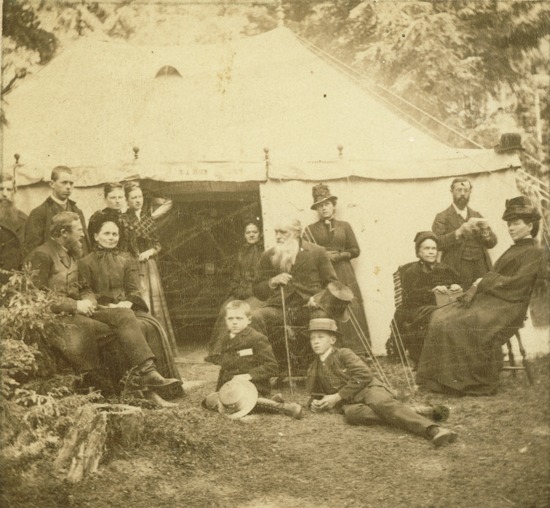
“Ellen White in Norway with a group of Adventist believers”
Ellen White’s goal in traveling to Europe was to assist in the newly started work of the Adventist Church there. She went to encourage and strengthen the small congregations scattered across the Old World.
The request for her to come arrived after the Second European Council of Seventh-day Adventist Missions in 1884. The council members wanted her to visit the European mission. She also felt she could help Europe more in person because her writings hadn’t been translated into all the European languages.1
Before Ellen White was asked to visit Europe, another Adventist, J. N. Andrews, had been a key figure in the European mission. He was the first Adventist missionary to go to the continent and was deeply involved in the writing and editing of Adventist publications. Sadly, though, he had died in 1883.
The European council members also wanted Ellen White’s son, W. C. White, to help oversee some building projects—in addition to assisting his mother.
Despite all these reasons to go, Ellen White took eight months to decide to make the trip. It wasn’t that she didn’t want to see the Adventists in Europe; she deeply wanted to help where she could to share the gospel of Jesus’ second coming.
But she just realized the enormity of such a trip.
She was an older woman—nearly 60 years old—and was worn down from the ceaseless round of meetings, speaking, and travel. Her husband, James White, had died recently, and she was alone. In the Review and Herald, she wrote,
“To travel across the continent to leave from Boston for Europe in the heat of summer and in my condition of health, seemed almost presumptuous. … I had suffered great mental weariness and physical debility…. My courage was gone, and I longed for human help, one who had a firm hold from above, and whose faith would stimulate mine.”2
After many months of debating and worrying, her son William visited her and became that human help. He reminded her of past times when she had been worried and Jesus had helped her. She wrote,
“The love and blessing of God filled my heart, and from that hour I began to gather strength and courage.”3
And she embarked on a new adventure.
What Ellen White did in Europe
From the time she arrived in England to the time she left two years later, Ellen White devoted her attention to the churches and the people. She spoke at countless churches and halls and held numerous tent meetings, which were popular in the day. In between her speaking engagements, she helped start organizations and spent time writing and publishing her books.
She traveled to:
- England
- Switzerland
- Germany
- France
- Italy
- Sweden
- Norway
- Denmark
Many were excited to see and hear her speak in person.
The largest European crowd she addressed was in a military gymnasium in Norway. Sixteen hundred people packed in to hear her talk.4
Working with specific congregations
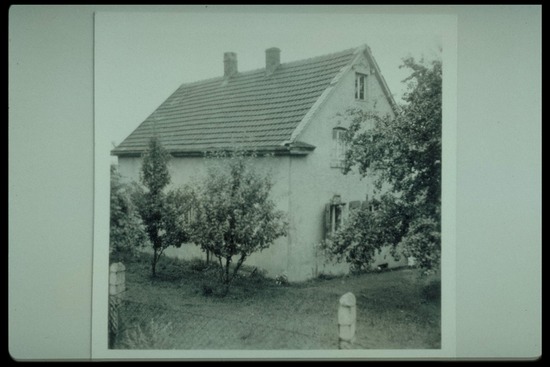
“Adventist church in Vohwinkel, Germany”
Aside from speaking, Ellen White was involved in various church activities and in counseling congregations.
While in Tramelan, Switzerland, on Christmas Day in 1886, she performed the dedication ceremony for the first Seventh-day Adventist church building in Europe.5
On another occasion, she conducted Bible study classes in Basel, Switzerland, for the young people working in the Adventist publishing house there.6 She wrote to her son Edson about the progress of the classes:
“Our meetings are doing good. I wish there could be something of this kind every morning in the Review and Herald office.”7
As Ellen White spent time with various congregations, she also found ways to counsel them in their specific needs.
Church members in Christiana (now Oslo), Norway, were treating the Sabbath in a lax way by sending their children to school on that day and justifying it as acceptable because it was “doing good.” Ellen White counseled them:
“[Your] duty is plain, to obey God’s requirements at whatever cost.”8
Even though attending school on Saturday was a cultural norm, she encouraged them to place God’s principles first.
Another problem the members had was harshly criticizing each other for minor things.9
Ellen White realized that such nit-picking ignored the big picture, just as it did in the time of the Pharisees in the Bible:
“There is a conscientiousness that will carry everything to extremes, and make Christian duties as burdensome as the Jews made the observance of the Sabbath.”10
She began solving the problems by gathering all the members of the church after services one day and praying over them.
She also helped with challenges at a church in Vohwinkel, Germany. There also, unkind criticism had crept in and split the church.
While there, Ellen White had a dream about a group that obviously referred to the church in Vohwinkel. They were all involved in an unhappy and unpeaceful meeting when a stranger with a hidden face addressed their animosity and criticism. When he finished speaking, a light suddenly illuminated the man’s face:
“They [the church members] said one to another: ‘It is Jesus; it is Jesus!’ and then such confessions of sins as were made and confessions to one another. There was weeping, for the hearts seemed to be broken, and then there was rejoicing and the room was filled with the mellow light of heaven.”11
With this in mind, Ellen White went to the Vohwinkel Church that Sabbath. After services, she suggested the members have a social gathering. Everyone was surprised but attended, resulting in a successful time. Later, she gave appeals for peace and unity, all of which helped the members see the dangerous direction they were heading in.
Helping individuals
Ellen White did much to assist the fledgling congregations, but that didn’t sap her time or energy for individual people. One such person was young Edith Andrews, a niece of the Adventist missionary J. N. Andrews.
This girl was dying of tuberculosis, and in her last few months, Ellen White talked and studied Scripture with her. Edith was a friendly girl and a natural leader among the other young people, but she hadn’t always set the best example.12 Ellen White encouraged her to repent and accept Jesus.
Shortly before she died, Edith took the advice to heart. Ellen White later wrote:
“We have evidence that Edith’s life is not what it might have been, but her last days were days of penitence, repentance, and confession.”13
In the midst of all Ellen White’s busyness, one person was just as important to her as a whole congregation.
Starting camp meetings
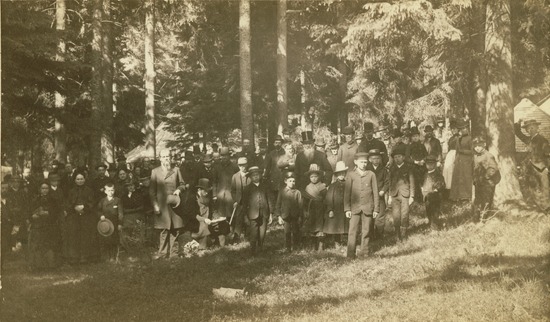
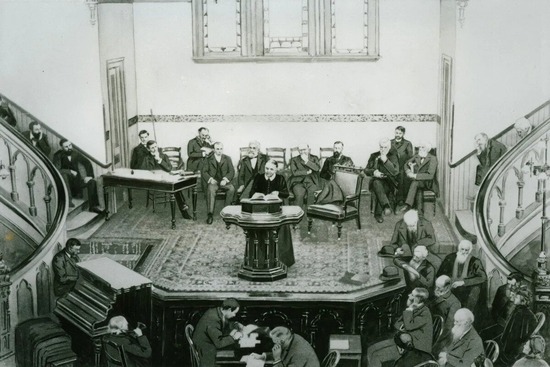
“Adventist camp meeting in Norway, 1887”
Camp meetings—large meetings held in tents with singing and preaching—were in vogue in North American Adventist circles, but not yet in Europe due to the smaller Adventist population there. But through Ellen White’s efforts, the Adventist number grew large enough to support a camp meeting.
The first European camp meeting was held in Moss, Norway, in June of 1887.14 Ellen White was invited to speak at this significant event, and she did.
Writing and publishing
Besides all the preaching, teaching, and visiting Ellen White did over her two-year stay, she also spent a considerable amount of time writing and publishing. Her European headquarters was in Basel, a city in northwestern Switzerland. She would return there in between tours and when winter snow prevented her from traveling.
During this downtime, she wrote for The Review and Herald and compiled copy for her books.
She spent the first winter arranging and editing sermons and travel notes about Europe for a book called Historical Sketches of SDA Foreign Missions.15
The next winter, she took on the formidable task of revisiting and expanding the Spirit of Prophecy book The Great Controversy.16
Readers had been thrilled by the first version in 1884, which was an enlarged version of the original story in Spiritual Gifts. With her trip to Europe, Ellen White realized she needed to enlarge The Great Controversy and gear it toward an audience both inside and outside Adventism.
In Europe, she had the opportunity of visiting the site of the Reformation, including the Swiss cities Basel and Zurich and parts of Germany—all places she’d written about. Her son Willie wrote in a letter,
“During [Ellen White’s] two years residence in Basel, she visited many places where events of special importance occurred in the Reformation days. This refreshed her memory as to what she had been shown [in vision] and this led to important enlargement in those portions of the book dealing with the Reformation days.”17
She was also able to access the extensive library of J. N. Andrews, who had been an earnest scholar in the Adventist Church.
Touring and experiencing different cultures
Yes, Ellen White had gone to Europe to work, but not every moment was spent doing so. During her stay, she found time to take excursions for rest and relaxation.
For example, when she visited France in 1886, she stopped in Paris, where she toured the stock exchange, Versailles, and the tomb of Napoleon.18
The Adventists in Scandinavia also gave her opportunities to experience different cultures. On one visit, Ellen White sampled Swedish culture at breakfast. She described it this way:
“There was a round table with a cloth upon it and a flower pot in the center, and bread, a quarter of uncut cheese, hot milk, and fried cakes, which constituted our breakfast…. We were invited to come to the table, all standing. A blessing was asked and then we stood around the table, took something in our hands, and walked about, talking and eating.”19
She had experienced her first smorgasbord.
Besides seeing these unique examples of culture, Ellen White went on walks and picnics in the countryside of the places she stayed, especially around Basel.
Ellen White’s European legacy

Photo by Joanna Kosinska on Unsplash
Ellen White’s European tour brought lasting encouragement and support to the Adventists there.
At a time before television, radio, and cell phones, seeing leaders in person was an inspiring thing for a group. It was no different for the Adventist Church.
L. H. Christian, president of the European Adventist Division in the 1920s, wrote about Ellen White’s influence years after she visited:
“The advent movement in Europe would never have been the same if it had not been for her visit…. [W]hen now and then in later years a few disloyal ones ridiculed and belittled the gift of prophecy and the servant of God, our people said: ‘We know better. We heard her speak. We have seen her humble, godly, inspiring life. We have her books, and they agree with the Bible and deepen our love for Jesus.’”20
The words of the Europeans sum up Ellen White’s legacy. Not only did she encourage and support individual congregations with her counsel but she also helped many more learn about the truth of the Bible through her evangelism efforts.
Traveling in Europe also helped her realize the need for translating her books into other languages so the Adventist message could reach non-English speakers. She worked with the publishing houses in Switzerland and England to achieve those goals.
In addition, Ellen White used her European experience to enrich her book The Great Controversy.
She had seen places and people in her visions, but sometimes she hadn’t known where or who they were or when they took place. Being in Europe expanded her understanding.
Being outside North America for the first time, Ellen White learned a lot too. She saw firsthand how different the thinking and culture was in the European countries, but she also realized, under all the exterior differences, how similar everyone really is—whether they’re in Michigan or Italy. It paved the way for her ministry in other countries, such as Australia.
Ellen White had set out to spread the gospel of Christ in Europe. Through her encouragement and support, the European churches today can reach even more people with that same message.
Read more about her visit to Europe in the book Ellen G. White in Europe 1885-1887 by D. A. Delafield.
Also get a peek into The Great Controversy, the significant book Ellen White revised in Europe.
Related Articles

- “Establishing the British Mission of the Seventh-day Adventist Church 1863-1887: Chapter 8,” British Conference Union of Seventh-day Adventists, Adventisthistory.org.uk [↵]
- White, Ellen G, The Review and Herald, September 15, 1885 [↵]
- Ibid. [↵]
- Delafield, D. A., Ellen White in Europe, (Review and Herald Publishing Association, 1975), p. 122 [↵]
- Ibid., p. 247 [↵]
- Ibid., p. 212 [↵]
- White, Ellen G, Letter 105, 1886 [↵]
- Delafield, p. 121 [↵]
- Ibid., p. 119 [↵]
- Ibid., p. 120 [↵]
- Ibid., p. 278 [↵]
- Ibid., p. 88 [↵]
- White, Ellen G, Manuscript 30, 1885 [↵]
- Delafield, p. 300 [↵]
- Ibid., p. 256 [↵]
- Ibid. [↵]
- White, Arthur L., The Ellen G. White Writings, p. 127 [↵]
- Ibid., pp. 229–230 [↵]
- White, Ellen G, Manuscript 26, 1885 [↵]
- Delafield, p. 318 [↵]
More Answers

Mariamu Magdalene ni Nani Katika Biblia?
Mariamu Magdalene alikuwa mfuasi na msaidizi wa kipekee wa Yesu Kristo wakati wa huduma yake duniani.

Ninawezaje Kuanza Kutunza Sabato?
Sabato, inayokuja kila siku ya saba ya juma, ni siku maalum inayoheshimu amri ya nne na uumbaji wa Mungu.
Como Começo a Observar o Sábado?
O Sábado, que ocorre no sétimo dia da semana, é um dia especial honrando o quarto mandamento e a criação de Deus.
¿Cómo comienzo a observar el sábado?
El sábado, que es el séptimo día de la semana, es un día especial que honra el cuarto mandamiento y la creación de Dios.

Legalismo na Bíblia: Definição, Perigos e Exemplos
Descubra o que a Bíblia diz sobre o legalismo, por que é perigoso e como podemos evitá-lo hoje.
Legalismo en la Biblia: Definición, Peligros y Ejemplos
Descubra lo que dice la Biblia sobre el legalismo, por qué es peligroso y cómo podemos evitarlo hoy.
Uhalisi wa Kisheria katika Biblia: Maana, Hatari, na Mifano
Gundua kile Biblia inachosema kuhusu uhalisi wa kisheria, kwanini ni hatari na namna tunavyoweza kuepuka leo.
¿Qué significa realmente la historia del Hijo Pródigo?
La parábola del hijo pródigo cuenta la historia de un hijo descarriado, un hermano celoso y un padre con amor incondicional. Veamos qué podemos aprender de esta historia hoy.
Hadithi ya Mwana Mpotevu Kweli Inamaanisha Nini?
Hadithi ya Mwana Mpotevu inaeleza kisa cha mwana aliye mbali na familia, kaka mwenye wivu, na baba mwenye upendo usio na masharti. Tuchunguze tunachoweza kujifunza kutoka kwake leo.
Qual é o Verdadeiro Significado da Parábola do Filho Pródigo?
A Parábola do Filho Pródigo conta a história de um filho rebelde, um irmão ciumento e um pai com amor incondicional. Vamos ver o que podemos aprender com isso hoje.

Narrativas de Cura na Bíblia e o que Elas Significam Para Você
Umewahi kuhisi kana kwamba isingewezekana kwako kuponywa? Kweli, kuna visa vya watu wanaoshinda changamoto zilizoshindikana au kupata uponyaji wa kimiujiza wa afya zao.

Je, Ni Kawaida Wakristo Kuwa na Mashaka?
Ndio, ni kawaida kabisa kwa Wakristo kupitia vipindi vya mashaka katika maisha yao ya kiroho. Kila mtu ameshawahi kuwa na mashaka wakati mmoja au mwingine, hata wachungaji, wanatheolojia, na watu muhimu katika Biblia.
Kila Kitu Kuhusu Agano la Kale na Jipya katika Biblia
Kila Kitu Kuhusu Agano la Kale na Jipya katika Biblia“Agano" ni mada iliyoenea kote katika Biblia. Wakristo mara nyingi hutofautisha agano la kale na jipya wanapoyazungumzia, lakini kwa kweli, Maandiko yanarejelea hatua au kufanywa upya tofauti wa agano moja. Ndiyo...
Tudo sobre as Antigas e Novas Alianças na Bíblia
Quando Deus prometeu um Messias a Adão e Eva, Ele estabeleceu uma aliança eterna que se estende até nós. Isto inclui tanto a antiga como a nova aliança.
Todo sobre el antiguo y el nuevo pacto en la Biblia
Todo sobre el antiguo y el nuevo pacto en la BibliaEl 'pacto' es un tema recurrente a lo largo de la Biblia. Los cristianos suelen hablar del antiguo y del nuevo pacto como entidades separadas, pero en realidad, la Escritura se refiere a diferentes fases o...
É Normal Para Cristãos Experimentarem Dúvida?
Sim, é completamente normal para os cristãos passarem por períodos de dúvida em sua vida espiritual.
Cómo los Adventistas desarrollaron la doctrina del santuario y en qué consiste
Cuando los Adventistas hablan de la “doctrina del santuario”, se refieren al concepto de que el santuario celestial revela el plan de salvación, tanto en nuestro caminar personal con Jesús como en la obra que Él continúa haciendo como nuestro intercesor en el cielo.

Ellen White Alifundisha nini Kuhusu Matumizi ya Vyakula Vinavyotokana na Mimea?
Moja ya mambo ambayo unaweza kuwa umewahi kusikia kuhusu Waadventista wa Sabato ni msisitizo wao kwenye mtindo wa maisha wa kutumia vyakula vinavyotokana na mimea.

Kitabu cha Nyimbo cha Waadventista Wa Sabato
Kitabu cha nyimbo cha Waadventista wa Sabato ni kitabu cha nyimbo kinachotumiwa ulimwenguni kote na makanisa mengi ya Waadventista wakati wa ibada zao.
Como os Adventistas Desenvolveram a Doutrina do Santuário e o Que Ela Significa
Quando os Adventistas falam sobre a “doutrina do santuário”, estão se referindo ao conceito de que o santuário celestial revela o plano de salvação
Namna Waadventista Walivyojifunza Fundisho la Patakatifu na Maana Yake
Wakati Waadventista wanapozungumzia “fundisho la Patakatifu,” wanarejelea dhana kwamba hekalu la mbinguni linafunua mpango wa wokovu
Relatos de sanidad en la Biblia y lo que significan para ti
¿Alguna vez has sentido que la sanidad simplemente no es posible para ti? Claro, hay historias de personas que superan probabilidades insuperables o experimentan restauraciones milagrosas de su salud.
Es normal que los cristianos experimenten dudas
¿Es normal que los cristianos experimenten dudas?Sí, es completamente normal que los cristianos experimenten períodos de duda en su vida espiritual. Todos han dudado en un momento u otro, incluso pastores, teólogos y figuras importantes en la Biblia. No se siente bien...

Lo que el ejemplo de Jesús puede enseñarnos sobre el ayuno y la oración
El ayuno y la oración fueron una gran parte del ministerio de Jesús en la Tierra. Aprendamos cómo el ejemplo de Jesús puede enseñarnos a tener una relación más profunda con Dios.
O Que o Exemplo de Jesus Pode Nos Ensinar Sobre Oração e Jejum
El ayuno y la oración fueron una gran parte del ministerio de Jesús en la Tierra. Aprendamos cómo el ejemplo de Jesús puede enseñarnos a tener una relación más profunda con Dios.
Kile Mfano wa Yesu Kinatufundisha Kuhusu Maombi na Kufunga
Kufunga na kuomba vilikuwa sehemu muhimu ya huduma ya Yesu Duniani. Hebu tujifunze jinsi mfano wa Yesu unavyoweza kutufundisha jinsi ya kuwa na uhusiano wa karibu zaidi na Mungu. Kufunga na kuomba vilichukua sehemu kubwa ya huduma ya Yesu Duniani.

¿Cuándo regresará Jesús?
La Biblia dice que nadie lo sabe, ni siquiera los ángeles (Mateo 24:36). Es por eso que la Biblia nos aconseja no fijar fechas para su regreso. Mientras tanto, somos llamados a estar listos.
Quando Jesus Voltará?
A Bíblia diz que ninguém pode saber, nem mesmo os anjos (Mateus 24:36)! Por isso, a Bíblia nos desencoraja de tentar marcar datas para Sua volta. Enquanto isso, somos encorajados a estar prontos.
Ni Lini Yesu Atarudi Tena?
Biblia inasema kwamba hakuna mtu anayeweza kujua, hata malaika (Mathayo 24:36)! Ndio maana Biblia inatushauri tusijaribu kuweka tarehe ya kurudi kwake. Kwa sasa, tunahimizwa kuwa tayari.
Didn’t find your answer? Ask us!
We understand your concern of having questions but not knowing who to ask—we’ve felt it ourselves. When you’re ready to learn more about Adventists, send us a question! We know a thing or two about Adventists.