
It’s natural to be a bit skeptical when you hear about someone being “divinely inspired,” or that something is a “message from God,” etc. And we expect nothing different if you’re hearing about Ellen White, an influential co-founder of the Seventh-day Adventist Church, for the first time. After all, the Bible tells us that we’re supposed to test these things!
Fortunately, there’s a fairly simple answer to why we’re confident that Ellen White’s spiritual counsel was prompted by the Holy Spirit: Any information she claimed to have received from God has always been in line with what the Bible says and has always upheld Jesus Christ as the Son of God, our Redeemer and Savior.
(And that’s a huge part of what Scripture tells us to use as “tests of a prophet.”)1
So whether you’ve read her writings yet or not, we’ll take you through:
- The Adventist Church’s position on the nature of Ellen White’s writings
- How we can tell which of her writings were inspired, and which came about from her own observations and studies
- Why Ellen White’s writings are still relevant today
Let’s start with the official stance of the Seventh-day Adventist Church.
What does the Adventist Church say about the nature of Ellen White’s writings?

The Seventh-day Adventist Church believes that Ellen White’s writings align with the spirit of prophecy (Revelation 19:10).
In other words, we believe she was given one of the gifts of the Holy Spirit—the prophetic gift—as mentioned in Romans 12 and 1 Corinthians 14.
(You can read more about this in the 18th Fundamental Belief of the Seventh-day Adventist Church.)
Some people wonder whether God still uses prophets today, in the post-biblical era.
But Scripture hasn’t given any indication that God would ever stop using prophets to further the gospel or help nurture and guide His followers. We’re even told that prophecy is a spiritual gift given by the Holy Spirit, just as leadership, giving, and teaching are (Romans 12:6-8).
As a matter of fact, the Bible tells us that the gift of prophecy will increase as we reach the last days (Acts 2:17).
It also tells us to “test the spirits,” so we don’t get led astray by false prophets (1 John 4:1-2, ESV). And Scripture gives us several guidelines to use in doing just that.
And throughout her life, Ellen White has demonstrated that she passes the biblical tests of a prophet.
(For a more comprehensive list of the tests of a prophet, check out “6 Ways to Tell if Someone is a True Prophet” or “10 Tests of a Prophet.”)
Here are just a few examples:
1) A prophet’s words should align with the Bible (Isaiah 8:20; 1 John 4:1-3): As we’ve already mentioned, Ellen White’s messages always point to principles found within Scripture, and always uplift the Bible as the ultimate spiritual authority. In fact, she made a point to remind her fellow Christians of this in her very first book.
“I recommend to you, dear reader, the Word of God as the rule of your faith and practice. By that Word we are to be judged. God has, in that Word, promised to give visions in the “last days”; not for a new rule of faith, but for the comfort of His people, and to correct those who err from Bible truth.”2
2) A prophet’s predictions should come true (Deuteronomy 18:20-21): Ellen White knew things she could only know through divine revelation. For example, she was shown the yet-unknown (or neglected to be acknowledged) dangers of certain 19th-century medical practices. On top of that, she was also given specific visions about last-day events. Many of her predictions have come true, while others have yet to happen. One of the most notable predictions she gave was when she described how the secession of the Southern states would lead to the Civil War.3
3) A prophet’s message should inspire positive change (Ezekiel 13:10): The primary goal of all her writings were to call people to be more diligent about following the Scriptures they profess to believe in.
This is evident in the way she calls people to put their sins and selfishness behind them and come to God.
Sometimes she would call for positive change on a grand scale, by pointing out areas where church leaders had begun to stray from what Scripture teaches (such as when she warned church leaders to guard against the growing influence of spiritualism, especially in the form of pantheistic teachings).4
On other occasions, she would write personal letters to some whom she felt needed direct confrontation. One example of this is when she contacted John Byington, the man who would soon become the first president of the Seventh-day Adventist General Conference.5 She wrote him a letter to remind him to take his focus off of worldly struggles, and instead focus his attention on God’s faithfulness.6
Because this man was on the path toward leadership in the Adventist Church, she knew that it was appropriate to be rather blunt. So she called him out, warning him that a fixation on becoming well-respected and financially comfortable was a distraction from the ministry work ahead of him.
4) A prophet should always glorify God (John 16:13):7 True prophets never seek to glorify themselves. When they speak of their ability, they always direct any glory to God. After all, prophets aren’t called to be popular. They’re called to be humble messengers for God. Even at the expense of their own lives, popularity, and welfare, true prophets call people to be more like Jesus Christ and to worship God alone (Revelation 22:9).
Ellen White’s writings were all about sharing God’s glory and love with others. She constantly reflected on her reliance on the Holy Spirit, humbling herself before God and others as she asked Him to guide her ministry.8 And even when her messages were not well received, she continued with her spiritual duty to provide guidance or even rebuke, when necessary.
Overall, it’s not hard to see divine inspiration in Ellen White’s writings because they continuously give glory to God, and consistently ask us to live by His Word above all else. Nothing she wrote gave indication that any of her prophetic gift was used to bolster her own pride or public standing.
How we can tell which of her messages were directly inspired by God?
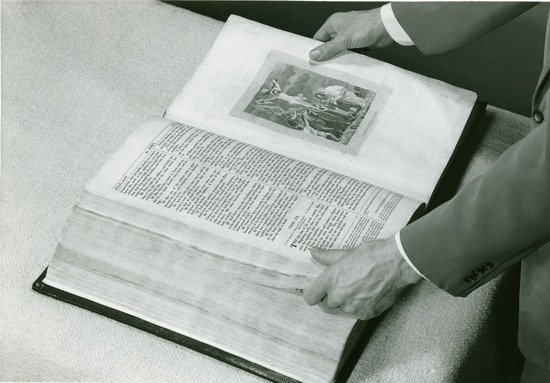
There are certain markers that help us distinguish between Ellen White’s personal views and her inspired writings.
After all, just because Ellen White had prophetic duties doesn’t mean she didn’t have her own life and her own informed opinions. For example, she would often write newsy letters to friends and family.
Some of the advice she gave family and close friends through these personal letters she did not attribute to divine inspiration, but to her own experiences and good sense.
And it’s not difficult to differentiate between her personal and inspired writings, especially if we look at the context when we encounter a quote from her.
For one thing, Ellen White was careful to tell people whether she was speaking from her own thoughts or from God’s instruction.
And the fact that she wrote her own thoughts demonstrates what true prophets are really like.
They’re not distant, impersonal, or cold. They’re not overly strange or intentionally isolated from the goings-on of daily life. Prophets, throughout history, haven’t been much different than any other person—they have families, jobs, differing personalities, personal struggles, and unique perspectives.
Their positions as prophets simply call them to have a closer connection with the Holy Spirit, which often enables them to look at even the most simple things of life with a deeper spiritual perspective.
As Tim Poirier, the Vice Director of the Ellen G. White Estate, puts it:
“It is easy to know whether the message came from revelation when she says ‘I was shown…’ or ‘It was revealed to me…’ etc. But the mere absence of such expression does not necessarily mean that what follows is only her own opinion. A colleague of mine used to say that what she wrote was the product of ‘an enlightened mind’—meaning that even if she hadn’t received a specific revelation about a matter, the counsels and instruction that she presented were based on principles that derived from the benefit of having received many visions and prophetic dreams throughout her lifetime.”
This helps us see that while not every piece of her writing was a direct message from God or the recounting of a prophetic vision, we can rest assured that her words were prayed over, and the concepts she wrote about were studied with a biblical perspective.
But if you come across a quote of hers and you’re wondering if it was inspired or not, here are some things you can do to help determine as such.
First, always check the context of the quote. (You can find all her writings at egwwritings.org.)
Then, ask the following questions:
- Is she speaking to family or close friends, to a general audience, or to a specified group of people? Once it’s clear who the audience is, then proceed to the following questions.
- Is it practical advice about a common subject, or spiritual guidance about a serious matter?
- Does she say it’s her own opinion, or that it’s based on her observations? If not, does she seem to be making a spiritual plea for the sake of a person’s well-being, or the sake of the gospel message?
In general, you can usually assume she was relaying instruction from God when she:
- Gave spiritual reproof
- Described events of biblical prophecy, or provided information about future events
- Provided instruction on health reform (for the sake of ministry, stewardship, and representing Christ)
- Provided guidance on matters of doctrine
- Gave guidance to the General Conference or other church leaders (particularly regarding fundamental beliefs or the mission and administration of the Adventist Church)
And, though many of her personal writings weren’t directly inspired, that doesn’t mean they aren’t important or that they aren’t based on biblical truths. As someone with the prophetic gift, she was constantly growing closer to God—which also meant growing in wisdom. We can often find helpful advice in her words that help us apply the Bible’s profound principles to daily life.
Why Ellen White’s writings are still relevant today
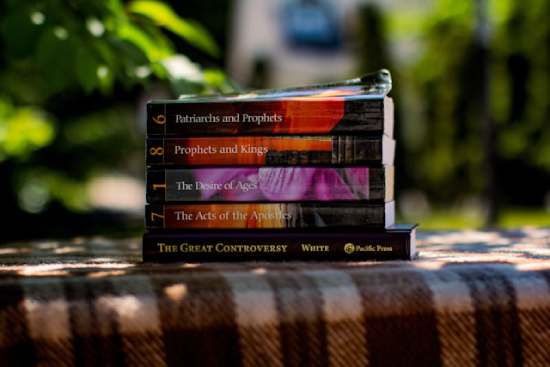
Photo by Emmanuel Phaeton on Unsplash
Ellen White’s writings contain timeless truths for God’s people. These truths include information about how we care for ourselves, how we treat other people, how to apply Bible prophecy to history, and how we might recognize and understand prophetic events yet to come.
While there might be specific instruction she gave that doesn’t apply to current times (like cautioning families from wasting their money on bicycles, which were very expensive at the time), we can still find value in the general principle behind what she wrote about maintaining good standards of stewardship by managing our money responsibly.
We just have to be careful about applying her instruction directly to contemporary situations that don’t match the context in which she was writing.
But you might still find that some of her quotes, books, articles, or pamphlets are not relevant to your situation, or maybe you come across statements where the contextual details would require some extra research.
Well, that’s okay! Her writings were for those who needed them. They weren’t all written for everyone, at every time, in every situation. And there’s no requirement to read everything she wrote. After all, her primary goal was to get people to keep up with regular Bible study!
So even if some of her writings don’t seem relevant or useful to us at the time, we can be thankful for the principles presented and we can appreciate the impact they’ve had on other people’s lives.
Her first vision gave hope to the Millerite people regarding the Second Coming. From there, she led Advent believers—like Joseph Bates and James White—through what she wrote in her books, such as Testimonies for the Church and Spiritual Gifts, as well as her contributions to Signs of the Times and The Review and Herald.
Even today, Ellen White’s more popular books (like the Desire of Ages, The Great Controversy, and Steps to Christ) have provided spiritual enrichment for countless people. Many have attested to how these books have helped them grow closer to Jesus Christ.
In fact, the writings of Ellen G. White have grown so popular that she is considered one of the most translated female authors in the world.9
If you’re interested in taking a look at her writings for yourself, you can find them at the Ellen G. White Estate or at egwwritings.org.
Want to learn more about Ellen White’s life and how she became involved in ministry? prophetic gift?
Find a Church
If you’re interested in finding a local Adventist church near you, you can use the Adventist Locator provided by the General Conference of Seventh-day Adventists.
Related Articles



- Deuteronomy 18:20-22; Isaiah 8:20; Jeremiah 23:16; Matthew 7:15-20; Luke 6:26; John 14:6; Romans 16:18; 2 Peter 2:1-3; 1 John 4:1-6. [↵]
- White, Ellen G., Early Writings, p. 78 [↵]
- Douglass, E. Herbert, Messenger of the Lord, p. 158 [↵]
- Ibid, pp. 200-201 [↵]
- https://adventistreview.org/news/when-ellen-white-rebuked-the-adventist-church-s-future-first-president/ [↵]
- Ibid. [↵]
- “10 Tests Of A Prophet,” https://www.ellengwhitetruth.com/her-ministry/10-tests-of-a-prophet [↵]
- “The Test Results Pt.2,” https://www.ellengwhitetruth.com/her-ministry/the-test-results/the-test-results-pt-2 [↵]
- https://m.egwwritings.org/en/about [↵]
More Answers

The Barren Fig Tree Parable: What It Means to Bear Fruit
Find out what the Parable of the Barren Fig Tree really means.

¿Qué son las reuniones evangelísticas adventistas?
¿Qué son las reuniones evangelísticas adventistas?La Iglesia Adventista del Séptimo Día pone un gran énfasis en compartir el evangelio mediante la evangelización, o compartir el evangelio a través de la predicación, la enseñanza y el testimonio. Una de las formas en...
O que são os Encontros Evangelísticos Adventistas?
O que são os Encontros Evangelísticos Adventistas?A Igreja Adventista do Sétimo Dia dá grande ênfase ao compartilhamento do evangelho por meio da evangelização, ou seja, compartilhar o evangelho através da pregação, ensino e testemunho. Uma das formas de realizarmos...

O Que os Adventistas Acreditam Sobre Fé e Obras?
O Que os Adventistas Acreditam Sobre Fé e Obras?Os adventistas acreditam que somos salvos pela fé, que é a crença e confiança que temos em Jesus Cristo para nos salvar dos nossos pecados. Jesus, então, nos capacita a viver em harmonia com os mandamentos de Deus e a...
¿Qué creen los Adventistas sobre la fe y las obras?
¿Qué creen los Adventistas sobre la fe y las obras?Los adventistas creen que somos salvos por la fe, que es la creencia y confianza que tenemos en Jesucristo para salvarnos de nuestros pecados. Jesús, entonces, nos capacita para vivir en armonía con los mandamientos...

Je, Ninahitaji Kuwa Mwadventista Ili Niokolewe
Je, Ninahitaji Kuwa Mwadventista Ili Niokolewe?Jibu la swali hili ni rahisi, “hapana.” Linapokuja swala la wokovu katika Yesu Kristo, kinachohitajika kwa mtu ni kukiri dhabihu ya Yesu kwa ajili yetu, kuamini kwamba Ametuokoa, na kudai zawadi ya bure ya wokovu ambayo...
¿Necesito ser adventista para ser salvo?
¿Necesito ser adventista para ser salvo?La respuesta a esta pregunta es simplemente, “no.” Cuando se trata de la salvación en Jesucristo, todo lo que se requiere de una persona es reconocer el sacrificio de Jesús por nosotros, creer que Él nos ha salvado y reclamar el...
Preciso ser Adventista para ser salvo?
A resposta para essa pergunta é simplesmente: “não.”

Lo que la Biblia dice sobre la Segunda Venida de Jesucristo
¿Tienes curiosidad sobre lo que la Biblia dice acerca de la Segunda Venida de Jesucristo? Cubriremos los versículos clave y su significado.

¿Quién fue Mateo, el apóstol, en la Biblia?
En el primer libro del Nuevo Testamento, encontramos la historia del Evangelio desde la perspectiva de Mateo.
2 Corinthians: An Overview of Paul’s Most Personal Letter
Discover Paul’s lessons on forgiveness, reconciliation, generosity, and more. It’s all in the book of 2 Corinthians!
Quem Foi Mateus, o Apóstolo, na Bíblia?
Quem Foi Mateus, o Apóstolo, na Bíblia?No primeiro livro do Novo Testamento, encontramos a história do Evangelho sob a perspectiva de Mateus. Ele era um coletor de impostos judeu de Cafarnaum, no primeiro século d.C., e provavelmente era desprezado pelos outros judeus...

The Pharisee and the Tax Collector Parable: Its Meaning Made Simple
The Meaning of the Pharisee and the Tax Collector ParableIn Luke 18:9-14, Jesus told a parable about two men who went to the temple to pray. One was a Pharisee and the other a tax collector. The Pharisee prayed (well, bragged) about his own good works compared to the...
Biblia Inasema Nini Kuhusu Ujio wa Pili wa Yesu Kristo
Unajuliza Biblia inasema nini kuhusu Kurudi kwa Yesu Kristo Mara ya Pili? Tutajadili aya kuu na maana zake.

The Story of the Widow’s Mite—What It Really Means
The Story of the Widow’s Mite—What It Really MeansPeople often assume bigger is better, but the Bible turns this concept on its head with the story of the Widow’s Mite. Of all the donations Jesus sees at the temple, the gift that draws His attention is not the...

Consejo de Elena G. de White sobre la Educación Universitaria
Consejo de Elena G. de White sobre la Educación UniversitariaElena G. de White, una cofundadora importante del Adventismo, es conocida a menudo por su orientación práctica y espiritual para la educación infantil adecuada. Pero también estuvo significativamente...
Mathayo Alikuwa Nani Katika Biblia?
Mathayo Alikuwa Nani Katika Biblia?Katika kitabu cha kwanza cha Agano Jipya, tunapata simulizi la Injili kutoka kwa Mathayo. Alikuwa mtoza ushuru Myahudi kutoka Kapernaumu katika karne ya kwanza MK, na huenda alichukiwa na Wayahudi wenzake kwa kuchagua kazi hiyo....

¿Cuáles son los beneficios de vivir en el campo?
¿Cuáles son los beneficios de vivir en el campo?Visitar el campo puede ofrecer un descanso muy necesario del típico ajetreo y bullicio de la ciudad. Muchos incluso han decidido mudarse a zonas rurales para disfrutar de un ritmo más lento, espacios amplios, aire...
Quais São os Benefícios de Viver no Campo?
Visitar o campo pode oferecer uma pausa muito necessária do típico agito da cidade.

¿Qué significa la parábola de la perla de gran precio?
Esto es lo que Jesús enseñó sobre el reino de los cielos a través de esta breve parábola sobre un comerciante que encuentra una perla invaluable.
O Que Significa a Parábola da Pérola de Grande Valor?
Aqui está o que Jesus ensinou sobre o reino dos céus por meio desta parábola curta sobre um comerciante que encontra uma pérola inestimável.

Por Que Muitos Adventistas Querem Viver no Campo
Por Que Muitos Adventistas Querem Viver no CampoViver em áreas rurais é algo que os adventistas têm valorizado historicamente, embora as necessidades da vida moderna nem sempre tenham tornado isso possível. Convenhamos, as vantagens da vida na cidade são bastante...

Uma Visão Geral de Romanos: Fé, Justiça, Relacionamentos
Uma Visão Geral de Romanos: Fé, Justiça, RelacionamentosO livro de Romanos é uma das 21 epístolas, ou cartas abertas, do Novo Testamento. E embora seja um texto bíblico antigo, ainda tem uma relevância significativa (até surpreendente) para nossas vidas hoje. O...

Jesus é o Mesmo Ser que Miguel, o Arcanjo?
Jesus é o Mesmo Ser que Miguel, o Arcanjo?Muitos cristãos têm se perguntado sobre a misteriosa identidade de Miguel, o Arcanjo. Desde os primórdios do cristianismo, muitos interpretaram Miguel como o Messias identificado com a figura do Anjo do Senhor. O reformador...
Je, Faida za Kuishi Vijijini ni Zipi?
Kutembelea maeneo ya vijijini kunaweza kutoa mapumziko yanayohitajika sana kutoka kwenye pilikapilika za kawaida za mijini.
Je, Mfano wa Lulu ya Thamani Kubwa Unamaanisha Nini?
Hivi ndivyo Yesu alivyofundisha kuhusu ufalme wa mbinguni kupitia mfano huu mfupi wa mfanyabiashara aliyepata lulu ya thamani isiyo na kifani.
Kwa Nini Waadventista Wengi Wanataka Kuishi Vijijini
Kwa Nini Waadventista Wengi Wanataka Kuishi VijijiniKuishi maeneo ya vijijini ni jambo ambalo Waadventista wamekuwa wakilithamini kihistoria, ingawa mahitaji ya maisha ya kisasa hayafanyi iwezekane kila wakati. Tukubali, faida za kuishi mjini zinaonekana wazi: fursa...
Muhtasari wa Kitabu cha Warumi: Imani, Haki, Mahusiano
Hapa kuna muhtasari na historia ya waraka mrefu zaidi wa Paulo.

Sobre o que é a Parábola do Semeador de Jesus?
A parábola do semeador é, em última análise, sobre como as pessoas responderam a Jesus Cristo e Sua mensagem do reino de Deus—o Evangelho.
Didn’t find your answer? Ask us!
We understand your concern of having questions but not knowing who to ask—we’ve felt it ourselves. When you’re ready to learn more about Adventists, send us a question! We know a thing or two about Adventists.