
Though she never called herself a prophet, Adventists recognize that Ellen White, one of the founders of the Seventh-day Adventist Church, demonstrated the spirit of prophecy, or the prophetic gift as described in Romans 12:4-8 and 1 Corinthians 14:1-5.2
We believe it was this prophetic gift that enabled Ellen White to guide the fledgling Adventist Church with spiritual counsel, correction, and encouragement.
In turn, Adventists began referring to her writings as the “Spirit of Prophecy,” because it was through the gift of prophecy that she was able to provide counsel in the first place.
Along with many other Christians, Adventists believe the gift of prophecy is still relevant today. Considering that the “spirit of prophecy” will be one of the reasons God’s remnant stands firm in the end times, it will only get more important as time continues (Joel 2:28-31).
But we’ve only just brushed the surface of this crucial topic.
Let’s learn more about the “spirit of prophecy” as the Bible explains it and how it has been observed in the life and ministry of Ellen White. We’ll cover:
- What the Bible says about the “Spirit of Prophecy”
- How have Adventists observed the Spirit of Prophecy in modern times
- What does “Spirit of Prophecy” mean for us today?
What does the Bible say about the spirit of prophecy?
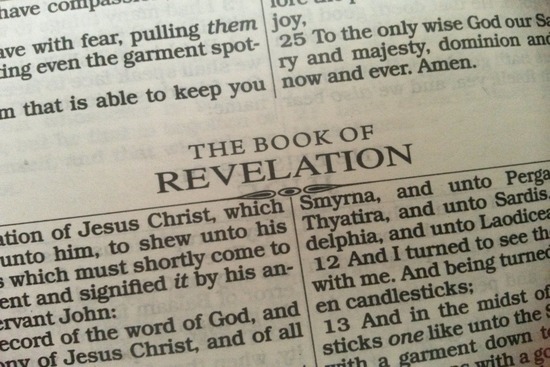
Image by James Nichols from Pixabay
The Bible tells us that the spirit of prophecy is the ability to receive prophecies from God, otherwise known as the testimony of Jesus Christ, which enables prophets to teach, correct, and encourage fellow followers of God (1 Corinthians 12:7-10; Revelation 19:10; 22:9).
To better understand how prophecy relates to the testimony of Jesus, let’s look at a spectacular scene in the book of Revelation:
The apostle John is exiled to an island because of his faith in Jesus Christ. While on the island, he sees prophetic visions from God and images that cannot be described with earthy language: horrendous beasts with several heads, heavenly talking creatures covered in eyes…but also the Son of God.
Through these visions, John sees how the history of the world will play out, right up to the Second Coming of Christ. During one of the visions, he’s so overwhelmed by the glory of God that he falls down to worship the angel who is explaining the visions to him:
“And I fell at his feet to worship him. But he said to me, ‘See that you do not do that! I am your fellow servant, and of your brethren who have the testimony of Jesus. Worship God! For the testimony of Jesus is the spirit of prophecy’” (Revelation 19:10, NKJV).
Another passage involves a very similar scenario and sheds some light on the meaning of the words here:
“Now I, John, saw and heard these things. And when I heard and saw, I fell down to worship before the feet of the angel who showed me these things. Then he said to me, ‘See that you do not do that. For I am your fellow servant, and of your brethren the prophets, and of those who keep the words of this book. Worship God’” (Revelation 22:9, NKJV).
Those who have the spirit of prophecy, or the testimony of Jesus, are the prophets.
Because of the limitations of sin, God cannot communicate His will to us face to face. In His love, He has found various ways to convey His messages. Throughout the Bible, particularly the history of ancient Israel in the Old Testament, God chose prophets to speak for Him.
When a prophet speaks, he or she is “prophesying” and the resulting message is known as a prophecy.
This message, directed to either an individual or a group of people, can predict something that is going to happen, give clarity about a situation, or reveal the will of God. Prophets gave people instructions on how to turn back to God and outlined the consequences they would suffer if they rejected His love.
There are both true prophets (those who communicate messages received by God) and false prophets (those who speak their own opinions and present them as divine, or receive messages from evil spirits).
But God didn’t choose everyone to be prophets. In the New Testament, Paul the apostle provides a list of gifts or special abilities that the Holy Spirit gives to different people. Some have the gift of healing or faith, some have gifts of teaching or preaching, and others have the gift of prophecy (1 Corinthians 12:10), also known as the spirit of prophecy.
How have Adventists observed the spirit of prophecy in modern times?
Seventh-day Adventists believe in the biblical definition of the spirit of prophecy—the Spirit of God gives messages to specific people, who are then called prophets. We also see it as an identifier of God’s people in the end times, as described in Acts 2:17, because the messages guide us and prepare us for the Second Coming.
As Pastor Ted Wilson, the president of the General Conference of Seventh-day Adventists, points out, we apply this phrase specifically to the writings of Ellen White because she gave evidence of being someone God used as a prophet. She also wrote a specific four-volume set of books called The Spirit of Prophecy.
But to get a clear understanding, let’s further examine the Adventist beliefs that relate to the spirit of prophecy.
The spirit of prophecy is an identifying mark of God’s people
Revelation 12:17 speaks about God’s remaining people in the last days—“the remnant”—as having two characteristics:
- Keeping “the commandments of God”
- Having “the testimony of Jesus Christ”
And as we saw in Revelation 19:10, the testimony of Jesus is the same as the spirit of prophecy.
The “testimony of Jesus Christ” is the witness of Jesus among God’s people through the medium of the prophetic gift.
This is consistent with other New Testament writers who implied that the gift of prophecy would continue to the end of time. Ephesians 4:11-13 says it would continue “till we all come to the unity of the faith, and of the knowledge of the Son of God, unto a perfect man, to the measure of the stature of the fullness of Christ” (NKJV).
All of the other special gifts mentioned are still needed in the church. Men and women are still qualified by the Holy Spirit to fill these offices, and the spirit of prophecy is no exception.
What’s more, Jesus knew that thousands of churches would claim to be the true church. There will be false prophets, even people claiming to be the Messiah! To help us distinguish the true from the false, He outlined a criteria. One of the ways we know that a group of people is following God’s divine will is if they uphold the Word of God and its prophecies and always uplift Jesus as the Christ, our only Savior and the Son of God (1 Thessalonians 5:20; 1 John 4:2-3).
The spirit of prophecy is a gift

Photo by Ekaterina Shevchenko on Unsplash
God, through His Holy Spirit, gives us all different gifts, which are described in three different places in the Bible (Romans 12:6–8, 1 Corinthians 12:8–10, and Ephesians 4:11). Notice what 1 Corinthians 12 tells us about it:
“There are diversities of gifts, but the same Spirit. For to one is given the word of wisdom through the Spirit, to another the word of knowledge through the same Spirit, to another faith by the same Spirit, to another gifts of healings by the same Spirit, to another the working of miracles, to another prophecy, to another discerning of spirits, to another different kinds of tongues, to another the interpretation of tongues” (1 Corinthians 12:4, 8-10, NKJV).
So why are all these gifts different?
Think about it this way:
When the holidays come around, a lot of people are excited at the possibility of receiving a gift from someone special. But you may not be as thrilled to find out that you got the exact same gift as everyone else. It wouldn’t seem personal.
God, through His Spirit, gives us all different gifts. And these gifts help to build up the church of God (Ephesians 4:12) and show people what Jesus is like.
But having one of these gifts doesn’t mean that an individual is infallible, or more holy in some way, or that their words are on the same level as the Bible. An individual with a gift from the Holy Spirit is not more important than another. All these individuals should work together to edify the entire body of Christ.
When you receive a gift, you show appreciation to the giver. But because we cannot walk directly into God’s throne room and thank Him for His gifts, we show appreciation by sharing that gift and using it to draw others closer to Him.
Let’s look at one individual whom Adventists believe had the spiritual gift of prophecy.
The spirit of prophecy was manifested in the life of Ellen White
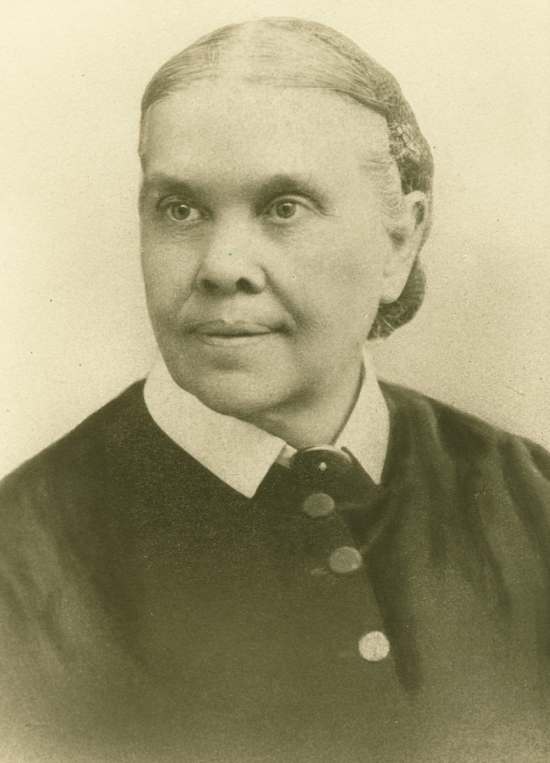
“Courtesy of the Ellen G. White Estate, Inc.”
According to Belief 18 of the 28 Fundamental Beliefs of the Adventist Church, the spirit of prophecy, a gift given to Ellen G. White by the Holy Spirit, is believed to be a sign of God’s remnant of believers in the end times.3
But how can we know that she had the spirit of prophecy?
Christianity Today published a piece exploring how self-proclaimed prophets and apostles amass millions of followers and lead megachurches around the globe.4 But we have reason to be cautious because Jesus warned His disciples that “many false prophets will appear and deceive many” (Matthew 24:11, NKJV).
However, if Jesus warned of false prophets, we can conclude that true prophets will also appear. If God was no longer going to speak through prophets, He would’ve made it very clear that we should not listen to anyone who claims to be a prophet.
What’s important is the ability to discern the true from the false, as this verse points out:
“Beloved, do not believe every spirit, but test the spirits, whether they are of God; because many false prophets have gone out into the world” (1 John 4:1, NKJV).
The Bible gives us some tests which we can use to test whether someone is a prophet. Bible scholar Gerhard Pfandl, PhD, summarizes them:
- A true prophet’s words and actions will be in harmony with the Bible (Isaiah 8:20)
- A true prophet’s predictions will come to pass (Deuteronomy 18:22)
- A true prophet uplifts and strengthens the church (Ephesians 4:11, 12)
- A true prophet will always uphold Jesus Christ as the Son of God and Savior (1 John 4:2)
- A true prophet will demonstrate good habits and character (Matthew 7:16) Ellen White met these criteria, though she herself never claimed the title of a prophet.
But it makes sense to conclude that she was. After all, one who has the gift of teaching is called a teacher and one with the gift of leadership is called a leader. So, one who has the gift of prophecy is a prophet.
But Seventh-day Adventists do not see her writings as equal to the Bible. Instead, we believe they point to God’s Word as the standard for living. Through the spirit of prophecy, God gave counsel on spirituality, education, social life, evangelism, prophecy, publishing, health, and business. Especially prominent is the advice to follow the Bible alone and prepare for Jesus’ Second Coming.
The spirit of prophecy guides our daily lives and helps prepare us for the Second Coming

People may disregard the importance of the spirit of prophecy because they believe that it only has to do with the end times. Perhaps they associate the term with lots of “doom and gloom.” However, the testimony of Jesus Christ, which is the spirit of prophecy, is the Gospel made practical.
It’s about breaking down the Gospel and applying it to every aspect of life: making dinner, decorating your college dorm room, dating, enjoying sexual intimacy with your spouse, raising children, shopping for shoes, working out, walking your dog, and worshiping God. It also covers matters relating to eternity such as salvation, what happens when we die, and how to prepare for the end of times.
It’s like having a person in your neighborhood who gives you the best biblical advice about any situation you’re facing—whether you need advice on what to cook for Thanksgiving dinner, what to wear to your friend’s wedding, how to budget for the year, or who you should marry. Better yet, every piece of advice is based on the Bible alone. No charge. No strings attached. The only requirement is that you double-check the counsel with God’s holy Word.
The spirit of prophecy works similarly to this little analogy. Our Heavenly Father wants us to live in such a way that glorifies Him and brings joy and peace to our lives. This is why He instructs us:
“Don’t abandon wisdom, and she will watch over you” (Proverbs 4:6, CSB).
“So whether you eat or drink or whatever you do, do all to the glory of God” (1 Corinthians 10:31, ESV).
In order to fulfill the command to do everything for the glory of God, He provides counsel to show us how to do everything for Him.
Prophets like Moses, Elijah, Isaiah, Jeremiah, and Daniel gave God’s people instructions on how they should live. When their counsel was followed, the result was blessings from God. If the people ignored the spirit of prophecy and chose to follow their own inclinations, they suffered the results of their decisions.
In the 1800s, the church was still in the dark on many practical subjects, such as the relationship between diet and overall health or the purpose of education. God chose Ellen White to convey messages that were relevant to that time and can also be applied to our lives today.
When you follow the spirit of prophecy, whether it’s given through prophets in the Bible, or through the writings of Ellen White, or anyone else God chooses to endow with the gift of prophecy, you will experience the Gospel on a practical level. Everyday life is a way to prepare for the Second Coming. When we put God’s Word into practice every day, we’re improving our quality of life here on earth and also getting ready for Jesus to come.
What does the spirit of prophecy mean for us today?

Photo by Aleksandar Popovski on Unsplash
The spirit of prophecy is a beautiful gift and not something to be afraid of. We can appreciate one another for the gifts God has given to us. There is so much to learn about the spirit of prophecy but we do even better when we apply the counsel in our lives.
Ellen White, who we believe was given this gift by God, did a great job by not only verbally conveying what God had shown to her but writing down the counsels so that we could have them today. Her writings, which many Adventists still refer to as the Spirit of Prophecy, don’t in any way replace the Bible nor are they on par with God’s infallible Word. Like a telescope helping us to see the grandeur of the night sky, her work helps us to see the beauty in the Scriptures with greater detail.
In the end, what matters most is not the ability to possess or understand the spirit of prophecy, but to love God.
A time will come when we will be able to understand fully and will no longer need further explanation of God’s Word. In this case, prophecies will fall short, but God’s love and our love for Him will remain:
“Love never ends. As for prophecies, they will pass away; as for tongues, they will cease; as for knowledge, it will pass away. For we know in part and we prophesy in part, but when the perfect comes, the partial will pass away” (1 Corinthians 13:8-10, ESV).
Still curious about how the gift of prophecy works, and what Adventists believe about it?
Choose an Online Bible Study
Want to keep learning? Find out more about Jesus, humanity, the plan of salvation, and how God loves you enough to sacrifice everything, just to give you a chance to choose Him.
Sometimes it can be hard to know where to start, that’s why we offer free, user-friendly, online Bible study options you can do anytime, anywhere, and at your own pace.
This online Bible school will take you through the major themes of Scripture, breaking down the Bible’s complex concepts into bite-sized pieces, which can lead you toward the answers of life’s more challenging questions.
Related Articles



- “Official Beliefs of the Seventh-day Adventist Church,” Seventh-day Adventist World Church. https://www.adventist.org/beliefs/. [↵]
- Ibid. [↵]
- Ibid. [↵]
- https://www.christianitytoday.com/ct/2017/august-web-only/bethel-church-international-house-prayer-prophets-apostles.html. [↵]
More Answers

Entendiendo la parábola de la oveja perdida
Los relatos de Jesús enseñan lecciones objetivas sobre el reino de Dios. Y tres parábolas en particular, la parábola de la oveja perdida, la parábola de la moneda perdida y la parábola del hijo pródigo, enseñan específicamente sobre el amor incondicional y redentor de Dios.
¿Cuál es la historia de la Biblia? Una visión general completa
La Biblia es el superventas número uno en el mundo de todos los tiempos. Está traducida a miles de idiomas y es leída por personas de todas las edades y procedencias.
Qual é a História da Bíblia? Uma Visão Geral Completa
Qual é a História da Bíblia? Uma Visão Geral CompletaA Bíblia é o best-seller número um de todos os tempos no mundo.1 Ela é traduzida para milhares de idiomas e lida por pessoas de todas as idades e origens. Sua popularidade é incrível. Mas qual é a história da...
Compreendendo a Parábola da Ovelha Perdida
Compreendendo a Parábola da Ovelha PerdidaAs parábolas de Jesus ensinam lições objetivas sobre o reino de Deus. E três parábolas em particular, a Parábola da Ovelha Perdida, a Parábola da Moeda Perdida e a Parábola do Filho Pródigo, especificamente ensinam sobre o...

¿Cómo ayudó Elena G. de White a fundar la Iglesia Adventista del Séptimo Día?
Elena G. de White, una humilde mujer de Gorham, Maine, fue cofundadora de la Iglesia Adventista del Séptimo Día y una líder clave en ella desde sus inicios.
Kuelewa Mfano wa Kondoo Aliyepotea
Kuelewa Mfano wa Kondoo AliyepoteaMifano ya Yesu inafundisha kwa vielelezo kuhusu ufalme wa Mungu. Na mifano mitatu maalum, Mfano wa Kondoo Aliyepotea, Mfano wa Sarafu Iliyopotea, na Mfano wa Mwana Mpotevu, hususan hufundisha kuhusu upendo wa Mungu usio na masharti...
Como Ellen G. White ajudou a fundar a Igreja Adventista do Sétimo Dia?
Ellen G. White, uma mulher humilde de Gorham, Maine, foi co-fundadora da Igreja Adventista do Sétimo Dia e uma líder chave desde o seu início.

Podemos encontrar Jesus Cristo no Antigo Testamento?
Podemos encontrar Jesus Cristo no Antigo Testamento?Sim, você pode se surpreender ao saber que existem centenas de versículos no Antigo Testamento sobre Jesus. Embora não mencionem Jesus pelo nome, mencionam outros nomes com os quais o associamos, como Messias, Filho...
Je, Tunaweza Kumpata Yesu Kristo Katika Agano la Kale?
Je, Tunaweza Kumpata Yesu Kristo Katika Agano la Kale?Ndio, unaweza kushangaa kujua kwamba kuna mamia ya aya katika Agano la Kale kuhusu Yesu. Ingawa hazimtaji Yesu kwa jina, zinataja majina mengine tunayoyahusisha naye kama Masihi, Mwana wa Mungu, na Mwana wa Adamu....
¿Podemos encontrar a Jesucristo en el Antiguo Testamento?
Sí, podrías sorprenderte al saber que hay cientos de versículos en el Antiguo Testamento sobre Jesús.

El Himnario Adventista del Séptimo Día
El Himnario Adventista del Séptimo Día es un libro de himnos utilizado en todo el mundo por muchas congregaciones Adventistas durante sus servicios de adoración.

¿Qué enseñó Elena G. de White sobre el vegetarianismo?
Una cosa que podrías haber escuchado sobre los Adventistas del Séptimo Día es su énfasis en un estilo de vida vegetariano.
O que Ellen White ensinou sobre o vegetarianismo?
Uma coisa que você pode ter ouvido sobre os Adventistas do Sétimo Dia é o destaque dado a um estilo de vida vegetariano.

Cómo calmar pensamientos ansiosos usando la Biblia
Cómo calmar pensamientos ansiosos usando la BibliaEstabas esperando una llamada telefónica de tu hija hace media hora, y todavía no ha llamado. Tampoco responde a tus llamadas. Sientes cómo late tu corazón mientras tus pensamientos se aceleran: ¿Y si ha tenido un...
Como acalmar pensamentos ansiosos, usando a Bíblia
Você estava esperando uma ligação de sua filha há meia hora, e ela ainda não ligou. Ela também não está atendendo suas chamadas.
Jinsi ya Kutuliza Fikira za Wasiwasi, Kwa Kutumia Biblia
Jinsi ya Kutuliza Fikira za Wasiwasi, Kwa Kutumia BibliaUlikuwa unategemea simu kutoka kwa binti yako nusu saa iliyopita, na bado hajapiga simu. Pia hajibu simu zako. Unahisi moyo wako ukidunda huku mawazo yako yakikimbia: labda amepata ajali ya gari?, Vipi kama kitu...
O Hinário Adventista do Sétimo Dia
O Hinário Adventista do Sétimo Dia é um livro de cânticos usado em todo o mundo por muitas congregações adventistas durante seus cultos de adoração.

Elena de White y el libro El conflicto de los siglos
El Gran Conflicto es uno de los libros más valorados por los Adventistas del Séptimo Día.
Ellen White e o Livro O Grande Conflito
O Grande Conflito é um dos livros mais valorizados por Adventistas do Sétimo Dia, escrito por Ellen G. White.
Ellen White na Kitabu cha Pambano Kuu
Pambano Kuu ni moja ya vitabu vya Ellen G. White vinavyo thaminiwa zaidi na Waadventista wa Sabato.
¿Qué es el Espíritu de Profecía (libros 1-4) de Elena G. de White?
Aplicar a profecia bíblica à história, aos eventos recentes e especialmente ao futuro pode ser uma tarefa assustadora. Até um pouco assustador para alguns.
O que é o Espírito de Profecia (Livros 1-4) de Ellen G. White?
Aplicar a profecia bíblica à história, aos eventos recentes e especialmente ao futuro pode ser uma tarefa assustadora.
Roho ya Unabii Ni nini (Kitabu cha 1-4) na Ellen G. White?
Kutumia unabii wa Biblia katika historia, matukio ya hivi karibuni, na hasa siku za usoni, inaweza kuwa kazi ngumu. Hata linaweza kuwa jambo la kutisha kidogo kwa baadhi.
Kuna Historia Gani Nyuma ya Biblia? Muhtasari Kamili
Kuna Historia Gani Nyuma ya Biblia? Muhtasari KamiliBiblia ni kitabu ambacho kimeuzwa zaidi duniani wakati wote.1 Imetafsiriwa katika maelfu ya lugha, kusomwa na watu wa umri na asili mbalimbali. Ukubwa wake ni wa kipekee. Lakini ni nini historia ya Biblia? Hiyo pia...

Muundo wa Uongozi wa Kanisa la Waadventista wa Sabato.
Kanisa la Waadventista wa Sabato lina mfumo wa uwakilishi unaounganisha makanisa yake zaidi ya 90,000 ulimwenguni na kuwapa washiriki wake nafasi katika kufanya maamuzi.
La estructura de liderazgo de la Iglesia Adventista del Séptimo Día
La Iglesia Adventista del Séptimo Día tiene una forma de estructura representativa que conecta sus más de 90,000 congregaciones en todo el mundo y brinda a sus miembros una parte en la toma de decisiones.
A Estrutura de Liderança da Igreja Adventista do Sétimo Dia
A Igreja Adventista do Sétimo Dia possui uma forma de estrutura representativa que conecta suas mais de 90.000 congregações em todo o mundo e dá aos seus membros uma parte no processo de tomada de decisão.

¿Quién es María Magdalena en la Biblia?
María Magdalena fue una seguidora y partidaria notablemente dedicada de Jesucristo durante su ministerio terrenal.
Quem é Maria Madalena na Bíblia?
Maria Madalena foi uma seguidora e apoiadora dedicada de Jesus Cristo durante o Seu ministério terreno.
Didn’t find your answer? Ask us!
We understand your concern of having questions but not knowing who to ask—we’ve felt it ourselves. When you’re ready to learn more about Adventists, send us a question! We know a thing or two about Adventists.