
Ellen White, one of the founders of the Seventh-day Adventist Church, believed that education was not complete unless it was founded upon the principles of the Bible.
It’s crucial for giving students a framework through which to understand every other aspect of life.
But what does the Bible have to do with math or science? Is it important to integrate the Bible with schoolwork?
We’ll answer these questions by looking at:
- Why Ellen White cared about education
- Her insights for a Bible-based education
- Where her counsel about education came from
- How to incorporate the Bible into the classroom
Let’s first get some background to Ellen White’s emphasis on education.
Why Ellen White cared about education
Ellen White focused so much on education because she recognized its ripple effect on every other part of life. As Proverbs 22:6 states, the direction of a person’s life is shaped during the training received in the formative years. An education that leads children to know God is vital because it’ll impact them for the rest of their lives—and possibly for eternity.
Ellen White advocated for whole-person education—what she called true education.
This type of education went beyond the three Rs. She emphasized that it “is the harmonious development of the physical, the mental, and the spiritual powers.”1
It also incorporates service, a core principle of Christianity: “It prepares the student for the joy of service in this world and for the higher joy of wider service in the world to come.”2
Taking it one step further, she wrote that education, in its highest sense, is connected to the work of redemption. Both have their foundation in Jesus Christ.3
And if education is so closely tied together with redemption, it makes sense that the Bible would play an important role in both.
Ellen White’s insights for a Bible-based education

Photo by Gift Habeshaw on Unsplash
Ellen White believed in having the Bible as the foundation for education. She wrote, “The Bible is the great educator; for it is not possible prayerfully to study its sacred pages without having the intellect disciplined, ennobled, purified, and refined.”4
Though the Word of God isn’t a comprehensive textbook on every subject, it provides a worldview that can shape how a student thinks about life.
And how does it do this?
For one, the Bible shows us our origin and our ultimate purpose.
It shows us that God created humans to reflect His image. But to a great extent, we lost the image of God when Adam and Eve chose to disobey Him (Genesis 3). A Bible-based education plays a role in restoring us to reflect the character of God again.5
This restoration ties education to the Great Controversy theme in the Bible.6 The Great Controversy is the unseen battle between good and evil—God and Satan—happening at this very moment. Satan has worked hard to skew our understanding of God and turn Him into something He is not.
Educating children within a biblical framework can help them see God’s true character and the way the love of God can transform their lives.
When it comes to the use of the Bible in the classroom, Ellen White offered balanced guidelines. The Word of God couldn’t just be inserted into the curriculum to “flavor” the other subjects.7
She wrote,
“The Bible should not be brought into our schools to be sandwiched in between infidelity. The Bible must be made the groundwork and subject matter of education.”8
In other words, teachers and students shouldn’t treat the Bible like every other textbook that may or may not contradict Christian teachings. Rather, the Bible is the authority for evaluating every other textbook.
But the Bible can’t be the only textbook, either.9 Not every subject is in the Bible.
What Ellen White advocated for is an education through the lens of a biblical worldview. This means that the subject matter of the classes promotes the values of the Bible and points to Jesus. The students learn to evaluate everything by the principles of the Bible.
But what is the purpose of a biblical framework after the child has finished school?
Proverbs 22:6 tells us,
“Train up a child in the way he should go, and when he is old he will not depart from it.”

Photo by Stormseeker on Unsplash
This is what a biblical education seeks to do—to teach students to use the Bible to think and reason for themselves all throughout life. Ellen White said,
“It is the work of true education to develop this power, to train the youth to be thinkers, and not mere reflectors of other men’s thought.”10
As a result, students will have the skills to discern truth with the help of the Holy Spirit and effectively share that truth with others.
This kind of education prepares us to be good citizens and witnesses for Christ.
Here’s how Ellen White described this philosophy:
“The Holy Scriptures are the perfect standard of truth, and as such should be given the highest place in education. To obtain an education worthy of the name, we must receive a knowledge of God, the Creator, and of Christ, the Redeemer, as they are revealed in the sacred Word.”
Now that we have seen her counsels regarding a Bible-based education, let’s see where these counsels came from.
Where Ellen White’s counsel about education came from
Everything Ellen White taught about education is solidly rooted in the Bible and the truths the Spirit of God impressed upon her.
The context in which she lived also played a role in her desire to improve educational practices. So what did education look like in her day?
Education in Ellen White’s time

Photo by Austrian National Library on Unsplash
In the mid-to-late 1800s, education in industrialized countries was far from what it is today. In the United States, most schools were one-room country schoolhouses where students were taught the “three Rs” of reading, writing, and arithmetic. Though much of the class material was moral and practical, the main learning method was memorization. Students didn’t have to think critically about what they were studying.11
The schoolhouses were dark, and little physical movement was permitted outside of recess. “Fidgeting” called for severe punishment.
As a result, education was one-sided, focusing on developing mental capacities over physical ones.
The few schools of a higher caliber often taught a classical curriculum.12 Students, mostly young men, learned the arts and studied the writings of classic thinkers, such as Cicero, Plato, and Homer. These authors were steeped in Greek and Roman philosophy, which often contradicted biblical principles.
At this time in America, the Transcendentalist period was also in full swing, and its ideas about humanity’s inherent goodness clashed with the Bible’s teaching that man is sinful and needs a Savior.
Education needed help, and Ellen White stepped in to do what she could for the next generation. While she was also interested in what educational reformers were proposing, the Bible was her principal guide.
The Bible and God’s counsel
The Bible shaped every aspect of Ellen White’s educational counsel. She often quoted passages from Scripture and used their principles when outlining teaching methods.
For example, in her book Education, she traces education from the time of Adam and Eve to the Israelites and gleans principles for today.
Just like the Israelites were instructed to educate their children in a true knowledge of God, she encouraged teachers to make the law of God a practical part of daily life:
“These words that I am giving you today are to be in your heart. Repeat them to your children. Talk about them when you sit in your house and when you walk along the road, when you lie down and when you get up” (Deuteronomy 6:6–7, CSB).
As Ellen White wrote these ideas down, God was guiding her. Though she didn’t record a specific vision on the topic, she wrote that “the subject of education has been presented before me in different lines, in varied aspects, by many illustrations, and with direct specification, now upon one point, and again upon another.”13
Let’s look at how we can make her counsel practical.
How to incorporate the Bible into the classroom
As we addressed earlier, students can be taught to evaluate every subject through a biblical worldview. Here are ways to do this:
Use biblical themes for essay topics
When teaching students how to write, teachers can give them essay prompts on themes that encourage them to look for answers in the Bible. Students could also study a Bible character or topic, such as faith or ambition, and write about their findings.
Give reading assignments based on biographies in the Bible
The Bible is a unique collection of narratives that can make for great character studies.
Ellen White pointed out that because God is the ultimate author of the Bible, its biographies don’t have the human bias common in other stories:
“No part of the Bible is of greater value than its biographies. These biographies differ from all others in that they are absolutely true to life. It is impossible for any finite mind to interpret rightly, in all things, the workings of another. None but [God]…[can] delineate character, or give a faithful picture of a human life.”14
Through reading Bible narratives, students will also learn the principle of cause and effect: actions have consequences. Ellen White puts it this way:
“No truth does the Bible more clearly teach than that what we do is the result of what we are. To a great degree the experiences of life are the fruition of our own thoughts and deeds.”15
Teach science from a biblical perspective, using the story of Creation
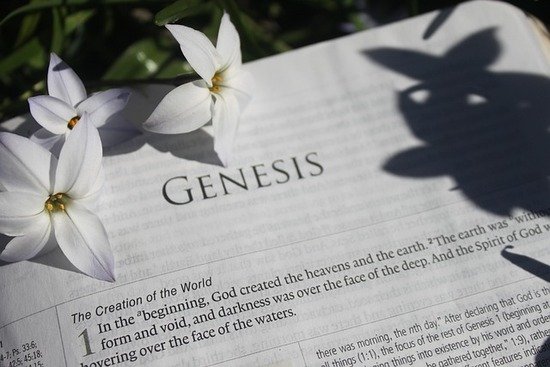
Teachers can use a creationist curriculum, coupled with a study of the Creation story, to establish students in a biblical perspective of our origins.
Study the methods of government in Bible times
While learning about modern types of government, students can also learn about how governments look at various points in Bible history. For example, the special form of government God designed for the Israelites in contrast to those of other nations mentioned in the Bible, such as the Babylonians, Persians, and Romans.
Include the narratives of the Bible in the study of history
We often think of the Bible as a spiritual book, but it’s also a rich repository of ancient history. In fact, the Institute for Creation Research states,
“The Bible has proven to be more historically and archaeologically accurate than any other ancient book. It has been subjected to the minutest scientific textual analysis possible to humanity and has been proven to be authentic in every way.”
So why not use it as a source in your world history curriculum?
A Bible-based education develops individual thinkers
Ellen White summed up her biblical integration ideas in a single quote:
“In [the Bible’s] pages are found history the most ancient; biography the truest to life; principles of government for the control of the state, for the regulation of the household—principles that human wisdom has never equaled.”16
Even if the students aren’t directly participating in Bible study, their teachers can weave those principles into many aspects of the classroom. The Bible can be the standard for testing all other subject matter and activities.
In this way, children carry a solid foundation into adulthood—the ability to think for themselves and evaluate life by the Bible.
- White, Ellen G., Education, p. 13 [↵]
- Ibid. [↵]
- Ibid., p. 30 [↵]
- White, Ellen, Christian Education (International Tract Society, 1894), p. 103 [↵]
- Douglass, Herbert E., Messenger of the Lord, p. 346 [↵]
- Ibid. [↵]
- bid., p. 347 [↵]
- White, Ellen G., Fundamentals of Christian Education, p. 474 [↵]
- Messenger of the Lord, p. 347 [↵]
- Education, p. 17 [↵]
- Knight, George, “The Transformation of Education” in Land, Gary, The World of Ellen White, pp. 162-163 [↵]
- Ibid. [↵]
- Fundamentals of Christian Education, p. 310 [↵]
- Education, p. 146 [↵]
- Ibid. [↵]
- Ibid., p. 125 [↵]
More Answers
Contáctanos
ContáctanosEnvíanos un mensaje¡Nos encantaría saber de ti! No dudes en hacer una pregunta, solicitar información o hacer una sugerencia.
Contate-Nos
Contate-NosEnvie-nos uma mensagemAdoraríamos ouvir de você! Sinta-se à vontade para fazer uma pergunta, solicitar informações ou oferecer uma sugestão.
Sobre nosotros
Cuando tienes preguntas importantes, quieres respuestas directamente de la fuente. Eso es lo que hemos venido a hacer con AskAnAdventistFriend.com. Este sitio es operado por Adventistas del Séptimo Día dedicados y activos que quieren responder a tus preguntas. La...
Sobre nós
Quando você tem perguntas importantes, você quer respostas diretamente da fonte. É por isso que estamos aqui com AskAnAdventistFriend.com Este site é operado por Adventistas do Sétimo Dia dedicados e engajados que querem responder às suas perguntas A maior parte do...
Maktaba ya Rasilimali
Free Resources to Boost Your Bible StudyLike what you’ve read on our website? You can take the content with you by downloading our FREE Bible study tools below. Each PDF accompanies an article on AskAnAdventistFriend.com, providing you with supplemental content,...
Changia
Tusaidie kuendelea kupata majibu!AskAnAdventistFriend ni mradi unaolenga kuwafikia wengine bila kujipatia faida ambao umejikita katika kujibu maswali yako kuhusu Waadventista wa Sabato, Yesu, Biblia, Pambano Kuu, na mengineyo. Ikiwa ungependa kuchangia kifedha...
Masomo ya Biblia mtandaoni
Chagua Kujifunza Biblia Mtandaoni Want to keep learning? There’s always more to discover within the pages of the Bible. Find out more about Jesus, humanity, the plan of salvation, and how God loves you enough to sacrifice everything, just to give you a chance to...
Tutumie Maombi Yako
Tuma Ombi Lako Tunaweza kukuombea? Maombi yana nguvu. Tunapoomba, tunawasiliana na Mungu, tunasaidiana, tunakaribisha uwepo wa Mungu katika maisha yetu, na tunafungua mioyo yetu kwa uongozi wa Roho Mtakatifu. Biblia inatuambia “Msijisumbue kwa neno lo lote; bali...
Kuhusu Tovuti
Unapokuwa na Maswali Muhimu, Unahitaji Majibu Moja kwa Moja Kutoka Kwenye Chanzo. Hili ndilo tunalofanya katika AskAnAdventistFriend.com. Tovuti hii inaendeshwa na Waadventista wa Sabato waliojitolea na walio tayari kujibu maswali yako. Sehemu kubwa ya maudhui yetu...
Wasiliana Nasi
Wasiliana NasiTutumie UjumbeTungependa kusikia kutoka kwako! Jisikie huru kuuliza swali, kutafuta taarifa, au kutoa pendekezo.

Is Demon Possession Real? Here’s What the Bible Says
Is Demon Possession Real? Here’s What the Bible SaysThe topic of demon possession can be brought to mind from stories, movies, the Bible, or even as a metaphor. And it can include mental images of people behaving in disturbing, erratic, or unnatural ways. Every now...
እንኳን ደህና መጡ ወደ ድህረ ገጻችን
ሰላም እንዴት ነው? ይህ የአማርኛ እትም ነው። እኛ በድህረ ገጻችን ላይ አማርኛ ቋንቋ ለመጠቀም እንፈልጋለን። ይህ ድህረ ገጽ ለመረጃ መስጠትና ለማስተላለፊያ ነው። በአማርኛ እና በእንግሊዝኛ የተጻፉ የጥቅስ አንቀጾችን እንለቀቅበታለን። አማርኛ የኢትዮጵያ አንዱ ከተለመዱ ቋንቋዎች ነው። በአብዛኛው አካባቢ የተናገረ ሲሆን እንዲሁም የመንግስት ቋንቋ ነው። በዚህ ድህረ ገጽ ላይ አማርኛ የተጻፉ ትምህርቶች፣ መመሪያዎችና...
Jesus and the Pharisees and Sadducees (Why They Opposed Jesus)
The Pharisees and Sadducees hated Jesus and wanted Him dead. This page looks at who they were and what motivated them to oppose Jesus.

13 Bible Study Tools to Boost Your Daily Bible Reading
Bible study tools come in all types, including concordances, encyclopedias, downloadables, journaling, atlases, and more. Use these tools to enrich your study for a fuller understanding God’s Word.

A Christian’s Guide to a Joyful Life (Even When It’s Hard)
Joy. It’s something you long for, yet maybe you’re not sure how to truly experience it on a day-to-day basis. Sure, you have moments of joy—but how about the rest of the time?

The Many Names of Jesus in the Bible and What They Mean
The Many Names of Jesus in the Bible and What They MeanThe Bible includes a lot of names for Jesus, and they all reveal different facets of His identity, power, character, and mission. We’ve all had nicknames throughout our lives. They might be shortened versions of...

How Can We Prepare for Sabbath?
How Can We Prepare for Sabbath?Sabbath is a special, consecrated time of rest each week. And to make sure we can fully embrace it, respect it, enjoy it, and “call the Sabbath a delight” (Isaiah 58:13, CSB), it can be helpful to prepare for it ahead of time. These...

What is the Role of Laypeople vs. the Role of Clergy?
The word “laity” comes from the Greek word laikos, which means “of the people.”

Bible Verses For When You’re Discouraged
Life is never easy, but sometimes things become extra difficult, painful, or disheartening.

When Is Jesus Coming Back?
The Bible doesn’t tell us exactly when the Second Coming will occur, but learn about the signs that point to the nearness of the return of Christ.

How Do I Begin Observing the Sabbath?
The Sabbath, which comes on the seventh day of the week, is a special day honoring the fourth commandment and God’s creation.

Understanding The Parable of The Lost Sheep
The parables of Jesus teach object lessons about the kingdom of God. And three parables in particular, the parable of the lost sheep, the parable of the lost coin, and the parable of the prodigal son, specifically teach about God’s unconditional, redemptive love.

All About the Old and New Covenants in the Bible
When God promised a Messiah to Adam and Eve, He established an everlasting covenant that reaches down to us. This includes both the old and new covenants.

Is It Normal For Christians to Experience Doubt?
Yes, it is completely normal for Christians to experience periods of doubt in their spiritual life.

After Jesus’ Ascension: What He Did Throughout the New Testament
After Jesus’ Ascension: His work Throughout the New TestamentWe first get to know Jesus, the Son of God and our Messiah, by reading the Gospel accounts of His earthly ministry. And after He died for our sins and was resurrected, He returned to heaven. This is known as...
How Adventists Developed the Sanctuary Doctrine and What It Means
How Adventists Developed the Sanctuary Doctrine and What It MeansWhen Adventists talk about “sanctuary doctrine,” they’re referring to the concept that the heavenly sanctuary reveals the plan of salvation—both in our personal walk with Jesus and in the work Jesus...

Legalism in the Bible: Definition, Dangers, and Examples
Find out what the Bible says about legalism, why it’s dangerous, and how we can avoid it today.
What Does the Story of the Prodigal Son Really Mean?
The Parable of the Prodigal Son tells the story of a wayward son, a jealous brother, and a father with unconditional love. Let’s see what we can learn from it today.

Who is Mary Magdalene in the Bible
Mary Magdalene was a remarkably dedicated follower and supporter of Jesus Christ during His earthly ministry.
Didn’t find your answer? Ask us!
We understand your concern of having questions but not knowing who to ask—we’ve felt it ourselves. When you’re ready to learn more about Adventists, send us a question! We know a thing or two about Adventists.