
We’ve got you covered with simple techniques and plans to improve your Bible study experience.
Bible study is an essential part of the Christian life because it’s how we build our relationship with God and understand His will for our lives.
And He has promised to give us understanding and guide us every step of the way (James 1:5). Spiritual discernment isn’t restricted to pastors or theology professors—it’s given to everyone!
To help you create a custom Bible study plan that’s both practical and meaningful, we’ll give you:
Bible study can sometimes feel like a mental workout, but we’re here to simplify the process. Let’s go!
6 steps for personal Bible study
Though Bible studies vary, the following six steps provide principles of personal Bible study to help make it relevant to your everyday life.
1. Prepare

Photo by Olivia Snow on Unsplash
Set aside some quiet time for daily Bible study. While there’s no prescribed time for how long you should study, try starting with 15 minutes.
As you begin, prayer is one of the best ways to prepare your mindset.
Pause and ask the Holy Spirit to guide you to truth and give you understanding (John 14:26). Because the Bible is a spiritual book, we won’t be able to grasp its concepts if we’re not guided by the Holy Spirit (1 Corinthians 2:10–11).
And we all have our bad days; we all get angry, frustrated, sad, or anxious. Share your feelings with Jesus and ask Him to help you focus on your study. Or if it’s an issue you can address by studying Scripture, ask God to guide you and give you peace.
Another aspect of preparation is making sure that you’re coming to the Bible with a teachable and willing heart (John 7:17). Hebrews 4:12 describes the Word of God as something “living and powerful” that pierces the motives of our hearts (NKJV).
So be prepared to not only be informed but also transformed by what you study (Romans 12:1–2).
Then, take a moment to think about the topic you want to study and the tools you’ll use. Draft a quick plan if you don’t already have one, and move to the second step.
2. Read
Decide what Bible version you’d like to read. You can stick with whatever version your personal Bible is, or find other versions online at places like Biblegateway.com. We recommend the New King James Version (NKJV) for beginners, but the English Standard Version (ESV) or King James Version (KJV) are great options as well.
Open your Bible to the passage you intend to study. First, read it over to get a general understanding.
And don’t feel like you have to rush in your Bible reading!
Read slowly and intentionally. Don’t hesitate to read your passage two or three times. Remember, it’s not about how fast you read but the quality of your reading.
3. Observe

Photo by Fa Barboza on Unsplash
For this step, you may want to get out a binder or notebook and summarize what you just read. Notice any repeating words or phrases, major characters, or themes. Write down your reactions to what you read as well as any questions you have about the text.
If you’re a more tactile person, you can mark your Bible—or if you feel more comfortable, a printed copy of the passage. From there, circle, underline, and highlight to your heart’s content.
God invites us to reason with Him (Isaiah 1:18), and asking questions about a passage can be a great way to do this. The journalist questions are a great place to start:
- Who?
- What?
- When?
- Where?
- How?
4. Go deeper
After you’ve spent some time observing your passage, you will no doubt have some thoughts and questions.
You can go a little deeper by using a Bible dictionary or concordance—an index showing the locations of different keywords in the Bible. These will help you understand the meaning of words and phrases.
Other ways you can go deeper include:
- Reading the surrounding verses and passages to understand a text in its context (2 Peter 3:16–17).
- Comparing other passages with each other to get a complete picture of a topic (1 Corinthians 2:13).
- Looking up all the verses on one topic before developing an idea about what they mean (Isaiah 28:10).
Another way to add richness to your study is to understand the historical and cultural context of the passages you’re reading. Some Bibles, and many Bible commentaries, include this kind of information in the introduction before each book of the Bible.
And even if you don’t find all the answers you are looking for, don’t be discouraged. Sometimes, the gems in God’s Word take time and diligence to discover (Matthew 13:44).
5. Reflect
Think about what you have learned (Joshua 1:8; Psalm 119:15).
Then, ask yourself:
- Did I learn anything new?
- Can I connect what I learned today with any other subjects I’ve studied before?
- Do I have any more questions about this subject, and what can I do to get them answered?
- What have I learned in this study of God and His character? What is my reaction to this revelation?
- What have I learned about myself?
- What did my study give me? Hope? A new way of doing things?
Answer these questions in your notebook.
6. Apply

Photo by Beth Macdonald on Unsplash
Finally, it’s time to take what you’ve learned and make it practical to your life (James 1:22).
Claim your passage’s promises, and accept its correction.
If it’s a call to take action, write up a plan.
For example, if you read about Jesus feeding the 5,000, think about how you can serve the needs of those around you. You can serve at a soup kitchen or make a special meal for your neighbors. The possibilities are endless!
After all, what’s the point of learning if you don’t do anything with your knowledge? It doesn’t have to be a grand gesture, but at the same time, don’t be afraid to try something big.
As you finish your Bible study, thank God for the time in His Word.
You’ll find the more studying you do, the faster the time goes by. You might even want to spend extra time poring over what you just learned!
See the next section for other tips to help you find that joy in the experience.
Additional tips
Aside from the basic framework of a Bible study, here are some other pointers to guide you:
- Make a plan: Draft a plan before you begin, or plan for the month in advance. Don’t be afraid to deviate from the plan, but have a basic schedule to keep you on track. See the section below for more ideas.
- Start small: Keep your study goals realistic. If you give yourself too much work, you’ll lose interest in studying altogether. Start small, and slowly build up your study load.
- Don’t rush: Go at whatever pace you need to get the most out of your study. Avoid tracking your study by how many pages you’ve read. It might encourage you to rush to get it done. Start instead by giving yourself a time frame, such as 30 minutes rather than 30 pages.
- Find a time that works for you: Some people like to study in the morning, while others like to study in the afternoon. Whatever you choose, keep your study time consistent to build a habit.
- Make it a special time: Remove distractions from the room, or go to a private place where you can focus. Create an environment you’ll look forward to studying in. For example, you may want to play worship music or light a candle.
- Ask others to keep you accountable: If you have a hard time motivating yourself to study, ask someone to be your accountability partner. They can encourage you to stick to your study schedule.
- Get study supplies:

Photo by Debby Hudson on Unsplash
New pens, notebooks, and highlighters can help motivate you to study.
- Build your resource library: Use commentaries, concordances, dictionaries, and atlases to deepen your study. (See Biblehub.com for online versions of these tools. Or check out Vines Expository Dictionary and KJV Bible with Strong’s for app versions.)
- Use your learning style: Study the Bible in a way that suits your learning style. If you’re more visual, try taking notes, doodling, or making charts. If you’re more auditory, listen to an audio Bible.
- Use your imagination: When you’re reading, visualize your passage. If it’s a story, imagine what the setting was like and what the characters were feeling. Doing so will help the Bible become more personal and real.
- Store your notes: If you handwrite your notes, copy them over to a computer at some point. It’ll come in handy if you ever lose your physical notes.
- Tell others what you learned: Test your understanding of whatever topic you studied by explaining it to someone else. If they’re familiar with the Bible, they may have their own helpful insights. If they’re new to the Bible, your discussion might make them curious to learn more.
With all these tips in mind, remember there isn’t just one way of studying the Bible. Keep experimenting to discover what works for you.
And the possible study topics are numerous too. We’ll share some ideas next.
Bible study plans
You don’t have to make your own Bible study plan from scratch. If you’re struggling to know where to start, here’s a list of proven plans to get you going:
- The Gospels: The Gospels in the New Testament (Matthew, Mark, Luke, and John) are a good place for beginners to start because they are relatively easy to read and help readers understand the character of Christ.
- Bible study guides or plans: Using a pre-made Bible reading plan or study guide is an easy way to dive deeper into specific topics or passages of Scripture. Some also cover Bible doctrines like salvation, baptism, or death. Many are available online or as physical copies and come in sets of lessons.
- Parables: These fictional stories Jesus used to teach lessons are a great source of practical life lessons. But they must be studied carefully. Look for the main point or comparison Jesus makes rather than trying to interpret every detail.
- Bible stories: These parts of Scripture are full of valuable information and insight, offering us a way to relate to the Bible and its characters. They help us see how God relates to humanity and how we, in turn, can respond to Him. Not to mention that stories are easier for people to remember and reflect on!
- Character studies: Pick a Bible character—perhaps your favorite one or one you’re not very familiar with. Make a timeline of the individual’s life or a chart detailing their early life and personality. Search for every single Bible story where they’re mentioned. Think about how you can relate to them and what you can learn from their life.
- Topical study: Focus on one topic or theme of Scripture, like prayer, forgiveness, or victory over sin. Use a Bible concordance or sites like Bibleinfo.com to find passages that match your topic.
- Keyword study: Use a Bible concordance to find every single verse that mentions a specific keyword you’ve chosen. Find how many times your word is mentioned and how it’s used across different passages. Use a Bible dictionary to find the word’s meaning in its original language.
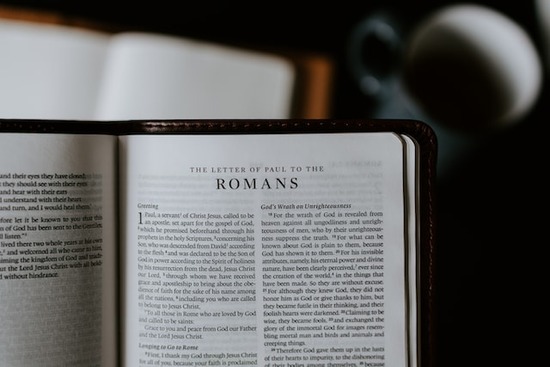
Photo by Kelly Sikkema on Unsplash
- Book of the Bible: Pick a book to study thoroughly. You might want to start with a smaller book so it’s not too overwhelming. Reread the entire book several times. As you do, you’ll get a deeper grasp of the book and be able to make an outline with quick summaries of each chapter. Then, list the events or themes in each section.
- Devotionals: Devotionals contain daily verses and short essays that reflect on those verses. Use the devotional of the day as the topic for your Bible study. (A great option is the book The Desire of Ages. It goes through the life of Christ in chronological order. You can study each Bible story and follow that up by reading a chapter of this inspiring book.)
- Scripture memorization: If you feel stuck in a rut with Bible study, spend time memorizing Scripture instead—perhaps something that can encourage you in your current season. Write the verses down on notecards or use the Bible Memory App.
- Drawing the Bible: This study is an engaging option for all you creatives out there. Draw a passage of Scripture as you read. Start with the book of Genesis and draw one picture for each chapter. It’ll help you better memorize the events in each chapter. (See “How to Study the Bible: Access Your Photographic Memory” by Ivor Myers.)
- Jesus in the Bible: Whenever you read a Bible story, see if you can spot a Bible figure that has similarities to Christ and His mission. (For instance, Moses was a shepherd like Jesus. And as Moses led the Israelites out of Egypt, Jesus Christ leads us out of sin.) Keeping your eye out for these patterns will help you see familiar Bible verses in a new light while also reminding you that all Scriptures point to Jesus (John 5:39).
- Questions: Have a specific question? Use that as a starting point for your study, and find verses that address it.
- Bible history: Create a timeline based on the stories in Bible history that you’ve read. Supplement your study with maps, history books, or documentaries. You’ll find the majority of Bible history in the Old Testament.
Try one of these methods for a month and see how it goes. We recommend you stick with one of these methods for at least 18 days (the time it takes to form a habit).1
But if you’re one of those people who can’t stand the thought of sticking to the same routine every day, consider having something specific you do each day of the week.
You might study a certain topic on Monday, memorize a passage on Tuesday, go through a devotional on Wednesday, and so on.
The beautiful thing is that you can tailor your Bible study time to your needs, interests, and learning style. It’ll look different for each person.
Bible study connects us to the God of peace
The Bible is not just a book of doctrines or a collection of texts that prove a point. It’s a story that shows us who God is and how He wants to be in a personal relationship with each one of us.
That’s why Satan will help us think of every excuse not to study. He’ll try to discourage us from it because he knows it’s our main connection to God and the way in which we can discern between truth and error.
If you’re feeling unmotivated, plan engaging activities during your study.
If you’re finding yourself discouraged, stressed, or anxious, take a deep breath and say a prayer. Put the worries of the day behind you and ask the Holy Spirit to help you focus on His Word.
And as you study, you just might begin to feel more peaceful because the Bible connects you with the God of peace (Romans 15:33).
Want to incorporate Bible study into your everyday life?
Choose an Online Bible Study
Want to keep learning? Find out more about Jesus, humanity, the plan of salvation, and how God loves you enough to sacrifice everything, just to give you a chance to choose Him.
Sometimes it can be hard to know where to start, that’s why we offer free, user-friendly, online Bible study options you can do anytime, anywhere, and at your own pace.
This online Bible school will take you through the major themes of Scripture, breaking down the Bible’s complex concepts into bite-sized pieces, which can lead you toward the answers of life’s more challenging questions.
- Frothingham, Scott, “How Long Does It Take for a New Behavior to Become Automatic?” healthline.com, Healthline Media, Accessed Sept. 22, 2022, https://www.healthline.com/health/how-long-does-it-take-to-form-a-habit#base-figure. [↵]
Related Articles


More Answers

Kwa nini Ukoo wa Yesu Kristo ni muhimu sana?
Je, umewahi kufuatilia ukoo wako nyuma ya vizazi kadhaa? Je, umewahi jaribu kujua kama mababu zako walifanya jambo lolote maarufu (au la kusikitisha)?
Por que a genealogia de Jesus Cristo é tão importante?
Já rastreou sua genealogia por várias gerações? Já tentou descobrir se seus antepassados fizeram algo famoso (ou infame)?

Can God Forgive Me?
In one way or another, every single one of us has made a sizeable mistake that we’re ashamed of.
Waadventista Wasabato wanaamini nini kuhusu Biblia?
Biblia ndiyo msingi wa kila kanuni na mafundisho ya Waadventista wa Sabato.
¿Por qué es tan importante la genealogía de Jesucristo?
¿Alguna vez has rastreado tu genealogía varias generaciones atrás? ¿Alguna vez intentaste descubrir si tus ancestros hicieron algo famoso (o infame)?
El camino a Cristo: Una guía para tener una relación con Jesús
El camino a Cristo: Una guía para tener una relación con JesúsYa sea que estés comenzando tu camino con Jesucristo, estés regresando después de algún tiempo lejos, o hayas tenido una relación con Jesús durante años, usar un libro, además de la Biblia, para guiar o...
Rey David: ¿Cómo fue un hombre conforme al corazón de Dios?
Guerra, derramamiento de sangre, asesinato, adulterio: todos estos crímenes ensombrecieron la vida de un hombre del Antiguo Testamento llamado David.

Mfalme Daudi: Alikuwaje Mtu Ambaye Aliupendeza Moyo wa Mungu?
Vita, umwagaji damu, mauaji, uzinzi—maovu haya yote yalifunika maisha ya mtu wa Agano la Kale aliyeitwa Daudi.

Quem é o “Filho do Homem” na Bíblia?
Ao se chamar de Filho do Homem, Jesus confirmou seu papel como salvador da humanidade. Saiba o que mais esse título nos diz sobre Jesus.
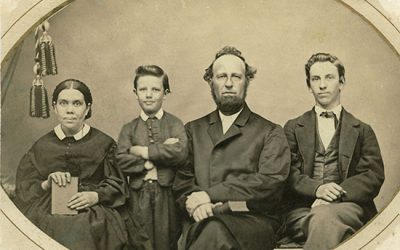
Wafahamu Watoto wa Ellen White
Ellen White, ambaye ni mmoja wa waanzilishi maarufu zaidi wa Kanisa la Waadventista wa Sabato, alikuwa na watoto wanne na mumewe, James: Henry Nichols, James Edson, William Clarence, na John Herbert.
“Caminho a Cristo”: Um Guia para um Relacionamento com Jesus
Quer você esteja apenas começando sua jornada com Jesus Cristo, esteja retornando após algum tempo afastado, ou tenha tido um relacionamento com Jesus por anos, usar um livro
Rei Davi: Como Ele Foi um Homem Segundo o Coração de Deus?
Rei Davi: Como Ele Foi um Homem Segundo o Coração de Deus?Guerra, derramamento de sangue, assassinato, adultério - todos esses crimes lançaram sombra sobre a vida de um homem do Antigo Testamento chamado Davi. No entanto, ele foi chamado de homem segundo o coração de...

The Book of Acts: A Simple Guide
The Book of Acts: A Simple GuideThe book of Acts is the fifth book in the New Testament. It’s a continuation of one of the Gospel accounts and an intimate look into the eventful early history of the Christian church. The four accounts of the Gospel (Matthew, Mark,...

O que Ellen White diz sobre a oração?
O que Ellen White diz sobre a oração?Você já teve um fardo que precisava contar a alguém, mas tinha medo de ser julgado se o fizesse? Não precisamos ter esse tipo de medo quando se trata de falar com Deus - uma prática espiritual chamada oração. Ellen G. White, uma...

Pumziko na Kuunganishwa Tena: Maana Halisi ya Kutunza Sabato
Biblia inatuambia kwamba tunatunza Sabato kwa kuepuka kazi. Mungu alitoa sheria hii kwa sababu alijua itatuimarisha na kutuletea furaha, pamoja na kutupa muda wa kuungana naye na kujipatia nguvu kutokana na maisha yetu yenye shughuli nyingi.

Jinsi Mafundisho ya Ellen White Yanavyoweza Kuboresha Afya Yako
Matibabu katika karne ya kumi na tisa yalisemekana kuacha “ugonjwa zaidi kuliko yalivyotibu” kwa matumizi yake ya kutoa damu na “dawa” kama zebaki na arseniki.
“Mwana wa Adamu” ni nani katika Biblia?
Kwa kujiita Mwenyewe Mwana wa Adamu, Yesu alithibitisha jukumu lake kama mwokozi wa wanadamu. Jifunze jambo jingine jina hili linachosema kuhusu Yesu.
Quem foram os filhos de Ellen White?
Ellen White, que é provavelmente a co-fundadora mais conhecida da Igreja Adventista do Sétimo Dia, teve quatro filhos com seu marido, James: Henry Nichols, James Edson, William Clarence e John Herbert.

Cómo Elena G. de White influenció el mensaje de salud adventista
Cómo Elena G. de White influenció el mensaje de salud adventistaLos Adventistas del Séptimo Día son conocidos por su énfasis en la vida saludable. Y Elena G. de White fue una influencia significativa en el desarrollo de esta prioridad y práctica entre los adventistas....
Como os Ensinos de Ellen White Podem Melhorar Sua Saúde
Como os Ensinos de Ellen White Podem Melhorar Sua SaúdeAssistência médica no século XIX era dito deixar "mais doenças do que levava embora" com o uso de sangrias e "remédios" como mercúrio e arsênico.1 À medida que as pessoas questionavam esses métodos, novas...
Cómo las enseñanzas de Elena G. de White pueden mejorar tu salud
La atención médica en el siglo XIX se decía que dejaba “más enfermedades de las que eliminaba” con su uso de sangrías y “medicamentos” como el mercurio y el arsénico.

All About the Gospel of Matthew
The Book of Matthew is one of the four Gospel narratives in the Bible
Descanso e Reconexão: O Que Realmente Significa Guardar o Sábado
A Bíblia nos diz que guardamos o Sábado evitando o trabalho. Deus fez essa lei porque sabia que ela nos fortaleceria e nos traria alegria, além de nos dar tempo para nos reconectar com Ele e recarregar das nossas vidas ocupadas.
Descanso y reconexión: lo que realmente significa guardar el sábado
La Biblia nos dice que guardamos el sábado evitando el trabajo. Dios hizo esta ley porque sabía que nos fortalecería y nos traería alegría, además de darnos tiempo para reconectarnos con Él y recargar energías de nuestras vidas ocupadas.

Todo lo que necesitas saber sobre la Escuela Sabática
La Escuela Sabática es el componente de estudio bíblico del programa de la iglesia en la mayoría de las Iglesias Adventistas del Séptimo Día.

O que os Adventistas do Sétimo Dia acreditam sobre a autoridade da Bíblia?
Saiba como um livro realmente antigo (a Bíblia) é o único fundamento para todas as crenças dos Adventistas do Sétimo Dia.
¿Qué creen los Adventistas sobre la autoridad de la Biblia?
Puede hacerte sentir intimidado o frustrado. Podrías pensar en un líder de iglesia que parecía arruinar toda tu diversión cuando eras niño, o un jefe que supervisa cada uno de tus movimientos en el trabajo…

¿Qué es un médico misionero adventista?
Un médico misionero en la Iglesia Adventista es alguien que cuida de las necesidades médicas de las personas como una forma de mostrar el amor de Jesús. Pueden viajar a otro país, o incluso simplemente servir en su ciudad natal.
Ni nini Mtaalam wa Matibabu wa Kiadventista?
Mmishonari wa matibabu katika Kanisa la Waadventista ni mtu anayejali mahitaji ya matibabu ya watu kama njia ya kuonyesha upendo wa Yesu.
Didn’t find your answer? Ask us!
We understand your concern of having questions but not knowing who to ask—we’ve felt it ourselves. When you’re ready to learn more about Adventists, send us a question! We know a thing or two about Adventists.