
On the surface, it seems like the Parable of the Rich Fool is about wealth. And while Jesus did tell it in response to a money-related question, but He wasn’t telling Christians to avoid wealth, or that wealth is inherently evil. In fact, it’s less about money and more about motives, priorities, and where we place our trust.
If we only rely on a quick read-through of this parable, it can leave us feeling a bit confused. Was the rich man really being labeled a fool for saving, planning, and storing extra crops? Seems a little harsh.
But like anything with depth and meaning, this requires a closer look. So let’s go over:
- What happens in the story
- The context and purpose
- What the story truly reveals
- How it applies today (or any time)
What we learn will help us stress less and depend more on God—the One who supplies all our needs. So let’s start at the beginning and dig in.
Recap of the rich fool parable from Luke 12

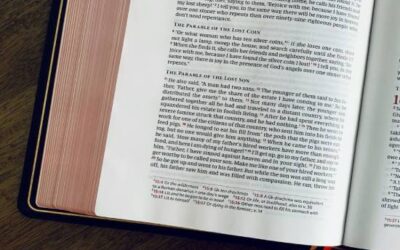
Photo by Conner Baker on Unsplash
We’ll start with a quick summary of the parable. A rich landowner decides to build a new barn to store his surplus of crops so he can live a long life of luxury. But he learns from God that all his long-term plans and wealth won’t save him from dying that night. And it certainly won’t serve him after he’s gone.
Now let’s see what the Bible says:
“And [Jesus] said to them, ‘Take care, and be on your guard against all covetousness, for one’s life does not consist in the abundance of his possessions.
And he told them a parable, saying, “The land of a rich man produced plentifully, and he thought to himself, ‘What shall I do, for I have nowhere to store my crops?’ And he said, ‘I will do this: I will tear down my barns and build larger ones, and there I will store all my grain and my goods. And I will say to my soul, “Soul, you have ample goods laid up for many years; relax, eat, drink, be merry.”’
But God said to him, ‘Fool! This night your soul is required of you, and the things you have prepared, whose will they be?’ So is the one who lays up treasure for himself and is not rich toward God” (Luke 12:15-21, ESV).
The start of the New Testament is teeming with parables of Jesus. But the book of Luke is the only Gospel account that records the Parable of the Rich Fool.
On their own, these standalone passages are just the surface layer of the whole message. That’s why it’s always helpful to do a quick Bible study of the parable in context.
The context of the Parable of the Rich Fool
The Bible shows us a bit about what was happening when Jesus told this parable. Tens of thousands of people were trampling each other to get close to Him (Luke 12:1). Some people in the crowd had hidden motives (Luke 11:53-54). And one man reveals his personal motives when he says:
“Teacher, tell my brother to divide the inheritance with me” (Luke 12:13, ESV).
We don’t know much about this man, but his words sound more like a demand than a humble request for help.
By Jewish law (in the Torah), firstborn sons received a double portion of the inheritance.1 So it’s very likely he was a younger brother.
But Jesus doesn’t jump into the debate over who should get how much of the family fortune (Luke 12:14). True to His teaching style (and to our brains’ learning style), He tells a parable as a prompt to help people think it out themselves. And this one’s about a man who assigns a lot of meaning to wealth. It addresses the deeper issues in this man’s heart (and the hearts of the crowd).
The sole character in the parable (besides God) is the “rich fool” himself. The bulk of the story is about the man’s internal thoughts, plans, and satisfaction over his wealth.
But it ends with God warning the man that he’ll lose his life and wealth that very night.
To set the stage for this story, there are two other parables in this chapter with related themes, like stewardship (Luke 12:35-48).
It’s also fitting that before the man in the crowd spoke, Jesus was talking about reliance on God (Luke 12:4-7). And afterward, Jesus continues to remind them to trust in God to provide for their needs (Luke 12:22-34), which is a key theme in this parable.
Now that we’ve set the stage, let’s get into the nitty-gritty of what it all means.
Digging deeper into the parable’s meaning
The Parable of the Rich Fool covers more than it might initially seem to. Jesus mentions one theme of “greed” (Luke 12:15, CSB)—But we also see themes like trust, stewardship, and more. And it all comes down to what a Christian prioritizes: acquiring wealth or success in this life vs. eternity with Jesus Christ.
Let’s look at some of the ways Jesus words this parable to uncover His lessons.
Motives, greed, selfishness, and stewardship

Photo by Andrea Piacquadio
These four themes all tie together, so we’ll tackle them as one.
First, did you notice that the man in the parable only thought about himself? He talks to his own soul, or pneuma (in Greek). “Pneuma refers to a person’s life as a whole… but at times specifically of one’s inner life and thought.”2 So, you could easily replace “soul” with the word “self” (Luke 12:17, 19, CSB).
In this story, then, we’re seeing a man’s internal thoughts and motives, known only to God and to himself. And his reasons for hoarding wealth are all about himself.
This is different from investing or storing up supplies for emergencies. Many stories from the rest of Scripture portray planning for the future and preparing for unexpected hardships as smart and savvy, like when Joseph stored the surplus of Egypt’s crops after Pharaoh had a dream about an upcoming famine (Genesis 43:31-36).
The difference was that Joseph acted according to God’s warning and for the good of everyone.
But the foolish man consults only himself instead of asking for wisdom from God. It never crosses his mind to do anything besides keeping it all for himself so he can stop working and live it up.
He also credits himself with his blessings, rather than God. The fool doesn’t recognize that he’s only a steward of what God blessed Him with.
A steward is a “manager of a household or estate.”3 Jesus often uses parables like the ones about the rich fool and the unwise steward (verses 42-48) to remind us that everything we have—like our time, talents, and money—ultimately comes from God.
The rich fool wasn’t only a poor steward by hoarding his wealth to himself. He also planned to stop doing anything worthwhile.
And this isn’t about retirement. It’s that the farmer planned to stop using his talents so he could focus on indulgence and entertainment. But the Bible says we’re “created in Christ Jesus for good works” (Ephesians 2:10, NKJV).
As one commentary puts it:
“The gospel of the kingdom is designed to take men’s thoughts away from self and direct them upward toward God and outward toward their fellow men.”4
God asks us to hold our blessings with an open hand and use them according to His guidance.
As for this guy, he had two full barns already—plenty to meet his needs.5 But he wanted more. And the parable indicates that his plans for his extra profit didn’t involve God or others. He plans to “relax, eat, drink, and be merry” (Luke 12:19, ESV).
Perhaps he had intentions to live like “the prodigal son, in a far country, forgetting God and his fellow men.”6 Or it might be someone who never gives to a good cause, yet owns three cars and orders gourmet food every day. But he could also represent anyone who hoards more than they need.
The nameless man secures his comfort in this life. But in the process, he loses sight of what matters.
Misplaced priorities
The rich man isn’t a “fool” because of his wealth or money management skills. It’s because he settles for a life of ease now at the cost of his eternal life later. And he not only hurts himself, but those he could have helped or influenced for the kingdom of God.
When we don’t consider the world outside ourselves (or the eternal life beyond this one), it’s easy to get pulled into the chase for wealth, success, admiration, etc.
The man in the crowd who prompted the parable was in the presence of God incarnate. But all he could think of was getting what he felt would complete his present happiness. So this parable can remind us not to let anything temporary become more important to us than Christ and His gift of eternal life.
The foolish farmer had plenty of treasure for this life, but was “not rich toward God” (Luke 12:21, ESV). He placed value in fleeting earthly treasures over the unfading treasures God promises. So it wasn’t his money that did him in, but his love of money.
That’s why, after telling this parable, Jesus emphasizes what has real, lasting value:
“Sell your possessions and give to the poor. Make money-bags for yourselves that won’t grow old, an inexhaustible treasure in heaven, where no thief comes near and no moth destroys. For where your treasure is, there your heart will be also” (Luke 12:33-34, CSB).
It’s about where we place our confidence and our hope.
Relying on self vs. trust in God
It’s easy to judge the rich man as materialistic and greedy. But many of us can relate to the desire for security and the fear of not having enough.
There’s also a fear that comes from seeing what others have and worrying if we don’t have it. But that constant feeling of not having enough can reveal a lack of trust in our Creator.
Jesus opens the Parable of the Rich Fool with this warning:
“Watch out and be on guard against all greed, because one’s life is not in the abundance of his possessions” (Luke 12:15, CSB).
The rich farmer feels a false sense of security because of his solid finances. And he feels no dependence, even for God. But in the parable, God reminds him:
“You fool! This very night your life is demanded of you. And the things you have prepared—whose will they be?” (Luke 12:20, CSB).
The man could control a lot for himself in life. He managed wealth, built bigger barns, and retired early. But he couldn’t prevent his death or secure his own salvation.
We see that today, too. It looks like the people with deep pockets are the ones who get what they want.
But no matter what time period or economy we live in, wealth can only take us so far. And it never seems to fully satisfy our deepest needs.
We owe our lives to our Creator God and to Jesus, whom He sent to save us. And salvation requires a willingness to surrender, which stems from the belief that God cares for us and promises to guide us.
That’s why Jesus surrounds the parable with reminders of how God will provide for those who trust in Him.
- God will provide what we need for our lives (Luke 12:22, 29-30)
- God will take care of those who depend on Him, as His other creations do (Luke 12:24, 27-28)
- God will help us submit our material needs to Him, so we can focus on more important things (Luke 12:4-7)
- God will never lose sight of even the smallest details of what we need (Luke 12:6-7)
- God will protect those who trust in Him as a Shepherd does His “little flock” (Luke 12:32)
When we trust in God fully, we’ll stop looking to money or ourselves for security. We’ll look to God. We’ll thank Him for what we have, use it as He directs, and trust Him to supply what we need when we need it (Philippians 4:19).
What we can learn from the rich fool today

Photos by Denis Gvozdov
Pride, selfishness, fear, and greed haunt humanity no matter the time or place. The message of the rich fool reminds us to value God and His eternal treasures above wealth and success, which appear to satisfy but never truly do. And when we do lean on Him, we can learn to stress less, live generously, and embrace the promise of eternal treasures.
Since many of us today don’t live in farming societies, it’s rarely barns we’d build to hold what we value. Today, they might be hedge funds. We also see bigger houses, hotels, and penthouses. Storage units have popped up everywhere. And we often hear of executives taking huge bonuses while laying off thousands of workers to cut costs.7
Because of this, it’s also tempting to think the parable doesn’t apply to those of us who aren’t in the upper income brackets. It’s easy to think of the rich fool as representing other people, not us. But that’s not the case. In the story, it was the man’s thoughts, plans, and motives being examined, rather than material wealth itself.
Any one of us is at risk of choosing our own comfort at the expense of others, or at the expense of our faith. Or valuing success or prestige over integrity or generosity. Or thinking we’re entitled to something just because of our earthly status. We’re all fighting against our fallen human nature, and any of these things can lead us down the same road as the “fool” in the story.
The Bible says to love God and others above ourselves, and to avoid selfish ambition (Philippians 2:3-4). We have examples like the Good Samaritan and Jesus Himself (John 13:14-15, Luke 10:25-37).
Stability, savings, and retirement aren’t evil things. In fact, Jesus tells us to plan ahead (Luke 14:28-30). But when those things (or anything else) take up our primary focus in life, it’s all too easy for them to become our obsession.
Here’s how:
1. We stop relying on God and start relying on ourselves and the “securities” the world offers (Psalm 20:7).
2. We hold onto what we have with an iron grip, fearful of losing it, which limits our generosity and consideration for others (Proverbs 11:24).
3. Our fixation on earthly treasure begins to outweigh our love for God and for others (1 Timothy 6:10).
4. Our tangible wealth causes us to ignore our spiritual poverty (Revelation 3:17).
5. We don’t take leaps of faith, led by God, if it might cost us our resources or status (2 Corinthians 9:8).
6. We link our personal worth to worldly success. And we forget our eternal worth.
Placing our trust in God instead of in the treasures of this world actually makes us more secure. After all, He owns “the cattle on a thousand hills” (Psalm 50:10, ESV).
Even King Solomon, with all his wealth and influence, admitted that hoarding wealth is harmful and unreliable (Ecclesiastes 5:13-14).
So, how do we grow trust and start relying on God to provide? One pastor shares this from personal experience:
“[God] called us to change our focus. Instead of hungering to resolve our physical needs, we must hunger for His presence, for His Spirit.”8
It’s an ongoing conversation with God. As we spend time in God’s Word and in prayer, it becomes clearer what to do with our time, talents, and resources. He’ll help us put the needs and wants of this world into perspective.
It doesn’t mean we’ll have to live penniless. It means letting God direct our plans and resources (Proverbs 3:5-6).
Trust in the One Who Has Unlimited Resources
We learned that the Parable of the Rich Fool is about more than just greed. It teaches that we’re stewards of all God gives us. And as we follow His guidance to use what we have, we can rely on Him to provide for our needs.
It’s also about valuing God’s promise of eternal life over the fading treasures of this earth. And that mindset helps us live with an open hand and a generous heart.
The world cares about climbing corporate ladders, building bigger barns, and living large. But as Christians, we’re part of the kingdom of God. We have a heavenly Father who wants to give us the best life—one that’s full and rich in love. And He promises far better treasures than this temporary life could ever provide.
Want to keep learning from Jesus’ wisdom about stewardship and priorities?
- Jacobson, Yosef Y. “Firstborn Rights,” Chabad.org. [↵]
- Dybdahl, Jon L., Commentary on Luke 12:19, Andrews Study Bible, Andrews University Press (2010), p. 1352. [↵]
- “Dictionaries – Steward, Stewardship,” Blue Letter Bible. [↵]
- Nichol, Francis D., The Seventh-day Adventist Bible Commentary, Vol. 5, Review and Herald Publishing Association (1954), p. 797. [↵]
- Dybdahl, Commentary on Luke 12:18, Andrews Study Bible, p. 1352. [↵]
- Nichol, The Seventh-day Adventist Bible Commentary, Vol. 5, p. 797. [↵]
- Lee, Lloyd , and Jyoti Mann. “Meta Approves Bonuses of Up to 200% of Company Executives’ Salaries as It Trims Stock Awards for Employees.” Business Insider, February 21, 2025. [↵]
- Goia, Pavel, DMin, and Mowrer, Kelly, In the Spirit and Power, p. 17. [↵]
More Answers

Meaning of the Parable of the Two Sons in Matthew 21
Meaning of the Parable of the Two Sons in Matthew 21The parable of the two sons in Matthew 21:28-32 is about a father who instructs his sons to work in the family vineyard. The first son refuses to work but later has a change of heart and obeys. The second son says...

The Barren Fig Tree Parable: What It Means to Bear Fruit
Find out what the Parable of the Barren Fig Tree really means.

The Pharisee and the Tax Collector Parable: Its Meaning Made Simple
The Meaning of the Pharisee and the Tax Collector ParableIn Luke 18:9-14, Jesus told a parable about two men who went to the temple to pray. One was a Pharisee and the other a tax collector. The Pharisee prayed (well, bragged) about his own good works compared to the...

The Story of the Widow’s Mite—What It Really Means
The Story of the Widow’s Mite—What It Really MeansPeople often assume bigger is better, but the Bible turns this concept on its head with the story of the Widow’s Mite. Of all the donations Jesus sees at the temple, the gift that draws Jesus’ attention is not the...

Parable of the Wedding Feast: Lessons From a Royal Invitation
Discover the beautiful Gospel invitation behind this parable of Jesus.

The Lamp on a Stand Parable—What Does it Mean?
Going through the main points, major themes, and takeaways for this parable.

Understanding the Parable of the Hidden Treasure (Matthew 13:44)
Here’s what the “Hidden Treasure” parables shows us about God’s love.

The Parable of the Persistent Widow—What it Means for Your Prayer Life
Find out what the Persistent Widow parable actually means.

What the Parable of the Mustard Seed is All About
This parable shows us how God is always at work, even if we can’t always see it.

The True Meaning of the Friend at Midnight Parable
Uncovering the real message at the heart of the Parable of the Friend at Midnight

The Parable of the Lost Coin—How God Feels About Each of Us
Learn what the Parable of the Lost Coin teaches us about God’s love for each one of us.

What the Two Builders Parable Actually Means
A walkthrough and breakdown of the Parable of the Wise and Foolish Builders.

What Does the Parable of the Dishonest Manager Really Mean?
Here’s a breakdown of what the “Parable of the Dishonest Manager” actually means.

What the Good Samaritan Parable Really Teaches Us
The parable of the good Samaritan is a story familiar to religious and secular audiences alike.

What Does the Parable of the 10 Virgins Teach Us?
The story of the 10 virgins found in Matthew 25:1-13 is a well-recognized parable of Jesus, and one with a profoundly important message for all of humanity.

The Parable of the Unforgiving Servant—A Walk-through
Through this somewhat alarming story, Jesus teaches us about forgiveness, mercy, and human nature.

What Does the Parable of the Pearl of Great Price Mean?
Here’s what Jesus taught about the kingdom of heaven through this short parable about a merchant who finds a priceless pearl.

What is Jesus’ Parable of the Sower About?
The parable of the sower is ultimately about how people responded to Jesus Christ and His message of the kingdom of God—the Gospel.

Understanding The Parable of The Lost Sheep
The parables of Jesus teach object lessons about the kingdom of God. And three parables in particular, the parable of the lost sheep, the parable of the lost coin, and the parable of the prodigal son, specifically teach about God’s unconditional, redemptive love.
What Does the Story of the Prodigal Son Really Mean?
The Parable of the Prodigal Son tells the story of a wayward son, a jealous brother, and a father with unconditional love. Let’s see what we can learn from it today.

The Parables of Jesus
Have you ever been on the verge of sleep in the middle of a long lecture or sermon when suddenly the speaker takes a turn and begins to tell a story?