
Abraham is known for being the first patriarch of the Hebrew people.
God communicated directly with Abraham and made a covenant with him that would provide land, protection, and fruitfulness for his descendants. And he indeed became the father of many nations, making him a foundational figure in three monotheistic world religions: Judaism, Islam, and Christianity (Genesis 17:5, 19-20; Genesis 25:1-6, 12-18).
He’s the first person Scripture focuses on in depth after Noah’s family and the great Flood, even though there were many generations between them. He came from the line of Noah’s son, Shem.
And even though Abraham’s story is told in Genesis, he is mentioned throughout the entire Bible. He is regarded as a model of faithfulness, following God alone and opposing the worship of idols, which was common in his time.
Two of his sons, Isaac and Ishmael, also hold both biblical and historical significance.
So what was it about Abraham’s life and faith that made him such a well-known and well-respected prophet throughout all of Scripture?
Here we’ll go through the significant themes and events of Abraham’s story, as well as the timeless truths we can apply to our own lives.
- Who was Abraham?
- What was God’s covenant with him?
- What legacy did he leave behind?
- What are the key lessons from his life?
Let’s learn more about Abraham’s heritage.
Who was Abraham?
Abraham, first known as Abram, was a man who came from the Ur of the Chaldeans (present-day Iraq)1 around 2000 BCE. His father, Terah, who Jewish texts suggest was an idol-maker,2 had settled in Haran.
But Abraham received a special call to go to the land of Canaan, where God promised to bless him and make his descendants into a great nation (Genesis 11:27–12:3). This meant leaving his relatives and culture, and following God in complete faith.
And it’s at this point in his life that we start getting to know him through Scripture.
Let’s look at his influence throughout the three major faiths that recognize him as a significant patriarch.
A father of the faith to Jews through Isaac
Those of the Jewish faith consider Abraham their founder and call him “Abraham our Father.” They revere him because through him, God’s covenant came to the nation of Israel, and later the Jewish people.
A father of the faith to Muslims through Ishamel

Photo by Utsman Media on Unsplash
The Islamic faith began through descendants of Abraham’s first-born son Ishmael, whom God also promised to make into a great nation (Genesis 16:10–12; 21:17–21).
He is an important figure in Islam both historically and as a revered prophet. His name appears 69 times in the Quran,3 more than any other biblical figure (except for Moses).4 Muslims call him “Ibrahim.”
Though Abraham isn’t considered a Muslim, they uphold his role as a prophet and believe that all other prophets, including Muhammad, descend from him.
A father of the faith to Christians
At the very beginning of the New Testament, we see how the genealogy of Jesus is traced back to Abraham (Matthew 1:1).
But while the blood lineage of Abraham was emphasized throughout the Old Testament, from the time of Jesus’ earthly ministry onward, Abraham is primarily referenced as an example of faith (Hebrews 11:8, 17).
The apostle Paul describes him as one who received salvation through faith (Romans 4:3, 13), and that all who choose to accept Jesus Christ as their Savior are part of that heritage (John 8:39; Galatians 3:6-7, 15, 26-29).
“For those of you who were baptized into Christ have been clothed with Christ. There is no Jew or Greek, slave or free, male and female; since you are all one in Christ Jesus. And if you belong to Christ, then you are Abraham’s seed, heirs according to the promise” (Galatians 3:27-29, CSB, emphasis added).
God’s covenant with Abraham

Photo by Pro Church Media on Unsplash
God made a special covenant with Abraham to bless him and his descendants, to make him a great nation, and to give him the land of Canaan. It’s sometimes known as the Abrahamic covenant or everlasting covenant.
God’s love and patience for His children is demonstrated as He repeated and enlarged that covenant many times throughout Abraham’s life. We’re going to look at each of those experiences and see how they apply to us today. Though given to Abraham, that covenant comes down to our time with promises of blessing through Jesus Christ.
The call to leave his home (Genesis 12)
The first time God comes to Abraham, He asks Abraham to leave his home and family in Haran.
God knew that Abraham needed to get away from an environment of idolatry in order to become a man of faith (Joshua 24:2).
He promised Abraham that his descendants would become a great nation, and in him “all the families of the earth [would] be blessed” (Genesis 12:3, NASB).
This promise was an echo of God’s promise to Adam and Eve—that one of their descendants would become the deliverer of the people from sin and evil (Genesis 3:15).
Eventually, Jesus would be born from this family line as its greatest blessing.
The restatement of the covenant (Genesis 13)
Abraham obeyed God’s command and went to the land of Canaan, but challenges abounded. A famine forced him and his family to find help in Egypt. There, Abraham failed to have complete faith in God and lied to protect himself. But despite his mistake, God led Abraham out of Egypt and then reassured him of the covenant.
This time, God emphasized His promise to give the land of Canaan to Abraham’s descendants. He said:
“Arise, walk about in the land through its length and width” (Genesis 13:17, NASB).
The words “walk about” were words of dominion. Because of Adam and Eve’s fall into sin, Satan had claimed the earth as his dominion (Job 1:7). But here, God is promising that it would belong to Abraham and God’s people once again.
God’s pledge to keep the covenant (Genesis 15)
Abraham struggled with fears and doubts—just like we do. Instead of giving up on him, God gave him tangible assurances of the covenant.
Here’s what happened.
Back in Canaan, Abraham receives news that his nephew Lot’s camp has been captured by an alliance of kings. Abraham gathers together a small army and, with God’s help, defeats these kings and rescues Lot.

Photo by Klemen Vrankar on Unsplash
Despite the victory, Abraham is unsettled. Will the Canaanite kings return and attack him?
That’s when God comes to him with these words:
“Do not be afraid, Abram. I am your shield, your exceedingly great reward” (Genesis 15:1, NKJV).
But Abraham continues to question. With all these great nations in Canaan, how will this land become his? And he doesn’t even have a son that could become a great nation!
God took Abraham out under the night sky, blanketed in stars. All those stars? That’s how many descendants Abraham would have.
But in his humanness, Abraham questions again: “Lord GOD, how shall I know that I will inherit [the land]?” (Genesis 15:8, NKJV).
To answer this question, God instructed Abraham to perform a special tradition used for establishing a covenant (Genesis 15:9–18). Through it, God pledged to uphold every word that He had spoken. He understood Abraham’s doubts and gave him the needed assurance.
New names and the symbol of circumcision (Genesis 17)
God gave Abraham another reminder of the covenant and added the rite of circumcision as a symbol of it.
See, Abraham had become a little impatient. He and his wife were both getting old. What if Abraham had a child with her servant Hagar instead? Culturally, this wasn’t an unusual practice when a woman was not able to conceive. As a result, he had a son with Hagar and named him Ishmael.
Abraham had rushed ahead of God, but God still didn’t give up on him. It was at this time that God changed his name from Abram to Abraham (Genesis 17:5), which means “father of a multitude.”
He gave Abraham the rite of circumcision as a symbol of the covenant. It represented having a sensitive heart toward God instead of being hardhearted.
He showed Abraham some tough love too by telling him that Ishmael was not the promised child. Sarah would still have a child. To emphasize this, God changed Sarah’s name from Sarai to Sarah to symbolize her role as the mother of a nation (Genesis 17:15–16).
But Abraham’s greatest test was still to come.
The testing sacrifice of Isaac (Genesis 22)
At last, the promised child—Isaac—arrived. But Abraham had struggled to trust God up to this point. Now, God gave him a final test, asking him to sacrifice his only son on Mount Moriah. Imagine Abraham’s agony and confusion!
You may read this story and think that this test doesn’t sound like something a loving God would require.
But keep in mind:
This was not Abraham’s first experience with God. Abraham knew God’s heart and had seen His mercy and faithfulness over and over again.

Photo by Paxson Woelber on Unsplash
Thus, he didn’t hesitate to obey. In fact, it seems that he believed God was going to provide in another way (Genesis 22:5, 8; Hebrews 11:19).
That’s just what happened.
Before Abraham could use his knife to slay his son, an angel stopped him. It was enough.
Abraham had been victorious through faith. And through the experience, he caught a glimpse of the greatest sacrifice to come—God the Father giving His Son Jesus Christ for us (John 3:16).
One last time, God repeated the promise of that blessing to him and his descendants (Genesis 22:15–18).
Abraham’s family and legacy
Abraham died at 175 years of age, from old age, and was buried in the same cave as his wife, Sarah.5 He left behind a legacy through his children: Isaac, Ishmael, and his six sons from his second wife Keturah (he married her after Sarah died).
His son Isaac had two sons: Esau and Jacob. While they were still in the womb, God promised that they would both become nations (Genesis 25:32).
Esau’s descendants became the Edomites.
Jacob was later renamed “Israel” by God (Genesis 35:10), and became the patriarch of the nation of Israel, fathering the namesakes of its twelve tribes. And later on, this lineage would be the one Jesus was born into (Matthew 1:11-17).
As Christians, we believe that the connection between Jesus and Isaac was hinted at as early as the story of the attempted sacrifice of Isaac, which fits as a parallel of how God the Father sacrificed His Son, Jesus, to save us from our sins.
Now let’s look at the descendants of Abraham’s first-born son, Ishmael.
As we mentioned earlier, Ishamael’s descendants went on to become the Arab tribes and nations in the Middle East.
And finally, Abraham’s six other sons (Genesis 25:1-2)—Zimran, Jokshan, Medan, Midian, Ishbak, and Shuah—formed other people groups. We don’t know much about their descendants, except that Midian’s family became the Midianites.
But greater than Abraham’s bloodline is the example he left behind for us.
Lessons from Abraham’s life
Let’s look at three key lessons we can learn from what Scripture tells us about Abraham.
Patience for God’s timing

Photo by Osama Saeed on Unsplash
The virtue of “waiting on the Lord” is a common concept because human timing is so vastly different from God’s perfect timing.
Impatience is part of our fallen nature. It’s not easy to trust in God when we can’t see the outcome.
Abraham and Sarah had to deal with the need for patience when they still remained childless into old age, even though God had promised that Abraham would be “the father of many nations” (Genesis 17:5, CSB).
And even though they took matters into their own hands at first, God still came through. He gave a son to him and Sarah, as promised.
So when we find ourselves waiting for God to act in our lives, remember Abraham’s experience. Let’s resist the urge to rush the process or fulfill God’s plan in the way our limited vision sees fit. Instead, trusting in God and focusing on what He has placed in front of us is the best way to adhere to His will. We can rest in the assurance that He is active in our lives and has our best interests at heart, even if we can’t always see it.
Obedience to God, even when it doesn’t make “sense”
Sometimes, obeying God can seem contrary to what we think is best. But we can choose to continue to believe in Him and act accordingly (Genesis 15:6).
Yes, He gives us evidence to hold onto, but we still have to take steps of faith, like Abraham did when called to leave his homeland or asked to sacrifice the very son God promised him (Hebrews 11:17; Genesis 22).
God’s faithfulness to His promises
Continuing on the theme of patience, sometimes, God’s promises seem to be delayed. But He always fulfills them. His timing is perfect.
The covenant God made with Abraham had nothing to do with Abraham’s promises. It was all based on God’s promise. And God came through. It was fitting, then, that Abraham called the place where he was asked to sacrifice Isaac “Yahweh provides” (Genesis 22:14).
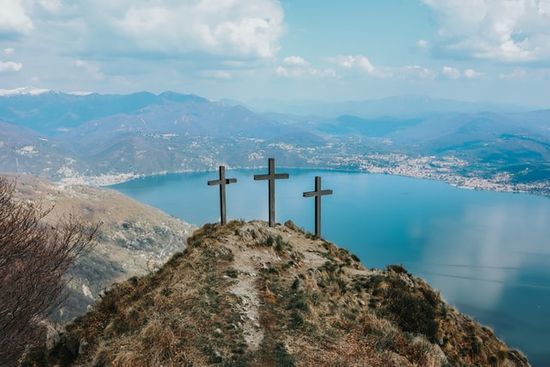
His life is testimony to this fact.
And through this, we learn that salvation is all about what God has promised, not what we do or promise. Salvation from sin and victory comes through Jesus and everything that He has done for us (Ephesians 2:8–10).
The promise to Abraham is for us too
We see Abraham as a great patriarch, and he was—as three of the world’s major religions would agree.
But Christians also understand that Abraham was human. He made mistakes and struggled to trust God, just like we do.
Though that could seem disappointing, this is actually encouraging. It means that Abraham’s story has relevant lessons for us and that God can use us too, even when we struggle with our faith.
God is always faithful to His covenant and still longs to give us the blessing through Jesus that He promised to Abraham.
Liked this character sketch of Abraham?
Related Articles


- “Ur,” Brittanica Encyclopedia, https://www.britannica.com/place/Ur. [↵]
- Solomin, Rachel M, “Stories of Our Ancestors,” My Jewish Learning, https://www.myjewishlearning.com/article/stories-of-our-ancestors/ [↵]
- Wheeler, Brannon, “Abraham and Islam,” Society of Biblical Literature, https://wwww.bibleodyssey.org/people/related-articles/abraham-and-islam/. [↵]
- Ibid. [↵]
- Genesis 23:19; Genesis 25:7–8; Genesis 49:31 [↵]
More Answers
Contáctanos
ContáctanosEnvíanos un mensaje¡Nos encantaría saber de ti! No dudes en hacer una pregunta, solicitar información o hacer una sugerencia.
Contate-Nos
Contate-NosEnvie-nos uma mensagemAdoraríamos ouvir de você! Sinta-se à vontade para fazer uma pergunta, solicitar informações ou oferecer uma sugestão.
Sobre nosotros
Cuando tienes preguntas importantes, quieres respuestas directamente de la fuente. Eso es lo que hemos venido a hacer con AskAnAdventistFriend.com. Este sitio es operado por Adventistas del Séptimo Día dedicados y activos que quieren responder a tus preguntas. La...
Sobre nós
Quando você tem perguntas importantes, você quer respostas diretamente da fonte. É por isso que estamos aqui com AskAnAdventistFriend.com Este site é operado por Adventistas do Sétimo Dia dedicados e engajados que querem responder às suas perguntas A maior parte do...
Maktaba ya Rasilimali
Free Resources to Boost Your Bible StudyLike what you’ve read on our website? You can take the content with you by downloading our FREE Bible study tools below. Each PDF accompanies an article on AskAnAdventistFriend.com, providing you with supplemental content,...
Changia
Tusaidie kuendelea kupata majibu!AskAnAdventistFriend ni mradi unaolenga kuwafikia wengine bila kujipatia faida ambao umejikita katika kujibu maswali yako kuhusu Waadventista wa Sabato, Yesu, Biblia, Pambano Kuu, na mengineyo. Ikiwa ungependa kuchangia kifedha...
Masomo ya Biblia mtandaoni
Chagua Kujifunza Biblia Mtandaoni Want to keep learning? There’s always more to discover within the pages of the Bible. Find out more about Jesus, humanity, the plan of salvation, and how God loves you enough to sacrifice everything, just to give you a chance to...
Tutumie Maombi Yako
Tuma Ombi Lako Tunaweza kukuombea? Maombi yana nguvu. Tunapoomba, tunawasiliana na Mungu, tunasaidiana, tunakaribisha uwepo wa Mungu katika maisha yetu, na tunafungua mioyo yetu kwa uongozi wa Roho Mtakatifu. Biblia inatuambia “Msijisumbue kwa neno lo lote; bali...
Kuhusu Tovuti
Unapokuwa na Maswali Muhimu, Unahitaji Majibu Moja kwa Moja Kutoka Kwenye Chanzo. Hili ndilo tunalofanya katika AskAnAdventistFriend.com. Tovuti hii inaendeshwa na Waadventista wa Sabato waliojitolea na walio tayari kujibu maswali yako. Sehemu kubwa ya maudhui yetu...
Wasiliana Nasi
Wasiliana NasiTutumie UjumbeTungependa kusikia kutoka kwako! Jisikie huru kuuliza swali, kutafuta taarifa, au kutoa pendekezo.

Is Demon Possession Real? Here’s What the Bible Says
Is Demon Possession Real? Here’s What the Bible SaysThe topic of demon possession can be brought to mind from stories, movies, the Bible, or even as a metaphor. And it can include mental images of people behaving in disturbing, erratic, or unnatural ways. Every now...
እንኳን ደህና መጡ ወደ ድህረ ገጻችን
ሰላም እንዴት ነው? ይህ የአማርኛ እትም ነው። እኛ በድህረ ገጻችን ላይ አማርኛ ቋንቋ ለመጠቀም እንፈልጋለን። ይህ ድህረ ገጽ ለመረጃ መስጠትና ለማስተላለፊያ ነው። በአማርኛ እና በእንግሊዝኛ የተጻፉ የጥቅስ አንቀጾችን እንለቀቅበታለን። አማርኛ የኢትዮጵያ አንዱ ከተለመዱ ቋንቋዎች ነው። በአብዛኛው አካባቢ የተናገረ ሲሆን እንዲሁም የመንግስት ቋንቋ ነው። በዚህ ድህረ ገጽ ላይ አማርኛ የተጻፉ ትምህርቶች፣ መመሪያዎችና...

Jesus and the Pharisees and Sadducees (Why They Opposed Jesus)
The Pharisees and Sadducees hated Jesus and wanted Him dead. This page looks at who they were and what motivated them to oppose Jesus.

13 Bible Study Tools to Boost Your Daily Bible Reading
Bible study tools come in all types, including concordances, encyclopedias, downloadables, journaling, atlases, and more. Use these tools to enrich your study for a fuller understanding God’s Word.

A Christian’s Guide to a Joyful Life (Even When It’s Hard)
Joy. It’s something you long for, yet maybe you’re not sure how to truly experience it on a day-to-day basis. Sure, you have moments of joy—but how about the rest of the time?

The Many Names of Jesus in the Bible and What They Mean
The Many Names of Jesus in the Bible and What They MeanThe Bible includes a lot of names for Jesus, and they all reveal different facets of His identity, power, character, and mission. We’ve all had nicknames throughout our lives. They might be shortened versions of...

How Can We Prepare for Sabbath?
How Can We Prepare for Sabbath?Sabbath is a special, consecrated time of rest each week. And to make sure we can fully embrace it, respect it, enjoy it, and “call the Sabbath a delight” (Isaiah 58:13, CSB), it can be helpful to prepare for it ahead of time. These...

What is the Role of Laypeople vs. the Role of Clergy?
The word “laity” comes from the Greek word laikos, which means “of the people.”

Bible Verses For When You’re Discouraged
Life is never easy, but sometimes things become extra difficult, painful, or disheartening.

When Is Jesus Coming Back?
The Bible doesn’t tell us exactly when the Second Coming will occur, but learn about the signs that point to the nearness of the return of Christ.

How Do I Begin Observing the Sabbath?
The Sabbath, which comes on the seventh day of the week, is a special day honoring the fourth commandment and God’s creation.

Understanding The Parable of The Lost Sheep
The parables of Jesus teach object lessons about the kingdom of God. And three parables in particular, the parable of the lost sheep, the parable of the lost coin, and the parable of the prodigal son, specifically teach about God’s unconditional, redemptive love.
All About the Old and New Covenants in the Bible
When God promised a Messiah to Adam and Eve, He established an everlasting covenant that reaches down to us. This includes both the old and new covenants.

Is It Normal For Christians to Experience Doubt?
Yes, it is completely normal for Christians to experience periods of doubt in their spiritual life.
After Jesus’ Ascension: What He Did Throughout the New Testament
After Jesus’ Ascension: His work Throughout the New TestamentWe first get to know Jesus, the Son of God and our Messiah, by reading the Gospel accounts of His earthly ministry. And after He died for our sins and was resurrected, He returned to heaven. This is known as...
How Adventists Developed the Sanctuary Doctrine and What It Means
How Adventists Developed the Sanctuary Doctrine and What It MeansWhen Adventists talk about “sanctuary doctrine,” they’re referring to the concept that the heavenly sanctuary reveals the plan of salvation—both in our personal walk with Jesus and in the work Jesus...

Legalism in the Bible: Definition, Dangers, and Examples
Find out what the Bible says about legalism, why it’s dangerous, and how we can avoid it today.
What Does the Story of the Prodigal Son Really Mean?
The Parable of the Prodigal Son tells the story of a wayward son, a jealous brother, and a father with unconditional love. Let’s see what we can learn from it today.

Who is Mary Magdalene in the Bible
Mary Magdalene was a remarkably dedicated follower and supporter of Jesus Christ during His earthly ministry.
Didn’t find your answer? Ask us!
We understand your concern of having questions but not knowing who to ask—we’ve felt it ourselves. When you’re ready to learn more about Adventists, send us a question! We know a thing or two about Adventists.