
Abraham is known for being the first patriarch of the Hebrew people.
God communicated directly with Abraham and made a covenant with him that would provide land, protection, and fruitfulness for his descendants. And he indeed became the father of many nations, making him a foundational figure in three monotheistic world religions: Judaism, Islam, and Christianity (Genesis 17:5, 19-20; Genesis 25:1-6, 12-18).
He’s the first person Scripture focuses on in depth after Noah’s family and the great Flood, even though there were many generations between them. He came from the line of Noah’s son, Shem.
And even though Abraham’s story is told in Genesis, he is mentioned throughout the entire Bible. He is regarded as a model of faithfulness, following God alone and opposing the worship of idols, which was common in his time.
Two of his sons, Isaac and Ishmael, also hold both biblical and historical significance.
So what was it about Abraham’s life and faith that made him such a well-known and well-respected prophet throughout all of Scripture?
Here we’ll go through the significant themes and events of Abraham’s story, as well as the timeless truths we can apply to our own lives.
- Who was Abraham?
- What was God’s covenant with him?
- What legacy did he leave behind?
- What are the key lessons from his life?
Let’s learn more about Abraham’s heritage.
Who was Abraham?
Abraham, first known as Abram, was a man who came from the Ur of the Chaldeans (present-day Iraq)1 around 2000 BCE. His father, Terah, who Jewish texts suggest was an idol-maker,2 had settled in Haran.
But Abraham received a special call to go to the land of Canaan, where God promised to bless him and make his descendants into a great nation (Genesis 11:27–12:3). This meant leaving his relatives and culture, and following God in complete faith.
And it’s at this point in his life that we start getting to know him through Scripture.
Let’s look at his influence throughout the three major faiths that recognize him as a significant patriarch.
A father of the faith to Jews through Isaac
Those of the Jewish faith consider Abraham their founder and call him “Abraham our Father.” They revere him because through him, God’s covenant came to the nation of Israel, and later the Jewish people.
A father of the faith to Muslims through Ishamel

Photo by Utsman Media on Unsplash
The Islamic faith began through descendants of Abraham’s first-born son Ishmael, whom God also promised to make into a great nation (Genesis 16:10–12; 21:17–21).
He is an important figure in Islam both historically and as a revered prophet. His name appears 69 times in the Quran,3 more than any other biblical figure (except for Moses).4 Muslims call him “Ibrahim.”
Though Abraham isn’t considered a Muslim, they uphold his role as a prophet and believe that all other prophets, including Muhammad, descend from him.
A father of the faith to Christians
At the very beginning of the New Testament, we see how the genealogy of Jesus is traced back to Abraham (Matthew 1:1).
But while the blood lineage of Abraham was emphasized throughout the Old Testament, from the time of Jesus’ earthly ministry onward, Abraham is primarily referenced as an example of faith (Hebrews 11:8, 17).
The apostle Paul describes him as one who received salvation through faith (Romans 4:3, 13), and that all who choose to accept Jesus Christ as their Savior are part of that heritage (John 8:39; Galatians 3:6-7, 15, 26-29).
“For those of you who were baptized into Christ have been clothed with Christ. There is no Jew or Greek, slave or free, male and female; since you are all one in Christ Jesus. And if you belong to Christ, then you are Abraham’s seed, heirs according to the promise” (Galatians 3:27-29, CSB, emphasis added).
God’s covenant with Abraham

Photo by Pro Church Media on Unsplash
God made a special covenant with Abraham to bless him and his descendants, to make him a great nation, and to give him the land of Canaan. It’s sometimes known as the Abrahamic covenant or everlasting covenant.
God’s love and patience for His children is demonstrated as He repeated and enlarged that covenant many times throughout Abraham’s life. We’re going to look at each of those experiences and see how they apply to us today. Though given to Abraham, that covenant comes down to our time with promises of blessing through Jesus Christ.
The call to leave his home (Genesis 12)
The first time God comes to Abraham, He asks Abraham to leave his home and family in Haran.
God knew that Abraham needed to get away from an environment of idolatry in order to become a man of faith (Joshua 24:2).
He promised Abraham that his descendants would become a great nation, and in him “all the families of the earth [would] be blessed” (Genesis 12:3, NASB).
This promise was an echo of God’s promise to Adam and Eve—that one of their descendants would become the deliverer of the people from sin and evil (Genesis 3:15).
Eventually, Jesus would be born from this family line as its greatest blessing.
The restatement of the covenant (Genesis 13)
Abraham obeyed God’s command and went to the land of Canaan, but challenges abounded. A famine forced him and his family to find help in Egypt. There, Abraham failed to have complete faith in God and lied to protect himself. But despite his mistake, God led Abraham out of Egypt and then reassured him of the covenant.
This time, God emphasized His promise to give the land of Canaan to Abraham’s descendants. He said:
“Arise, walk about in the land through its length and width” (Genesis 13:17, NASB).
The words “walk about” were words of dominion. Because of Adam and Eve’s fall into sin, Satan had claimed the earth as his dominion (Job 1:7). But here, God is promising that it would belong to Abraham and God’s people once again.
God’s pledge to keep the covenant (Genesis 15)
Abraham struggled with fears and doubts—just like we do. Instead of giving up on him, God gave him tangible assurances of the covenant.
Here’s what happened.
Back in Canaan, Abraham receives news that his nephew Lot’s camp has been captured by an alliance of kings. Abraham gathers together a small army and, with God’s help, defeats these kings and rescues Lot.

Photo by Klemen Vrankar on Unsplash
Despite the victory, Abraham is unsettled. Will the Canaanite kings return and attack him?
That’s when God comes to him with these words:
“Do not be afraid, Abram. I am your shield, your exceedingly great reward” (Genesis 15:1, NKJV).
But Abraham continues to question. With all these great nations in Canaan, how will this land become his? And he doesn’t even have a son that could become a great nation!
God took Abraham out under the night sky, blanketed in stars. All those stars? That’s how many descendants Abraham would have.
But in his humanness, Abraham questions again: “Lord GOD, how shall I know that I will inherit [the land]?” (Genesis 15:8, NKJV).
To answer this question, God instructed Abraham to perform a special tradition used for establishing a covenant (Genesis 15:9–18). Through it, God pledged to uphold every word that He had spoken. He understood Abraham’s doubts and gave him the needed assurance.
New names and the symbol of circumcision (Genesis 17)
God gave Abraham another reminder of the covenant and added the rite of circumcision as a symbol of it.
See, Abraham had become a little impatient. He and his wife were both getting old. What if Abraham had a child with her servant Hagar instead? Culturally, this wasn’t an unusual practice when a woman was not able to conceive. As a result, he had a son with Hagar and named him Ishmael.
Abraham had rushed ahead of God, but God still didn’t give up on him. It was at this time that God changed his name from Abram to Abraham (Genesis 17:5), which means “father of a multitude.”
He gave Abraham the rite of circumcision as a symbol of the covenant. It represented having a sensitive heart toward God instead of being hardhearted.
He showed Abraham some tough love too by telling him that Ishmael was not the promised child. Sarah would still have a child. To emphasize this, God changed Sarah’s name from Sarai to Sarah to symbolize her role as the mother of a nation (Genesis 17:15–16).
But Abraham’s greatest test was still to come.
The testing sacrifice of Isaac (Genesis 22)
At last, the promised child—Isaac—arrived. But Abraham had struggled to trust God up to this point. Now, God gave him a final test, asking him to sacrifice his only son on Mount Moriah. Imagine Abraham’s agony and confusion!
You may read this story and think that this test doesn’t sound like something a loving God would require.
But keep in mind:
This was not Abraham’s first experience with God. Abraham knew God’s heart and had seen His mercy and faithfulness over and over again.

Photo by Paxson Woelber on Unsplash
Thus, he didn’t hesitate to obey. In fact, it seems that he believed God was going to provide in another way (Genesis 22:5, 8; Hebrews 11:19).
That’s just what happened.
Before Abraham could use his knife to slay his son, an angel stopped him. It was enough.
Abraham had been victorious through faith. And through the experience, he caught a glimpse of the greatest sacrifice to come—God the Father giving His Son Jesus Christ for us (John 3:16).
One last time, God repeated the promise of that blessing to him and his descendants (Genesis 22:15–18).
Abraham’s family and legacy
Abraham died at 175 years of age, from old age, and was buried in the same cave as his wife, Sarah.5 He left behind a legacy through his children: Isaac, Ishmael, and his six sons from his second wife Keturah (he married her after Sarah died).
His son Isaac had two sons: Esau and Jacob. While they were still in the womb, God promised that they would both become nations (Genesis 25:32).
Esau’s descendants became the Edomites.
Jacob was later renamed “Israel” by God (Genesis 35:10), and became the patriarch of the nation of Israel, fathering the namesakes of its twelve tribes. And later on, this lineage would be the one Jesus was born into (Matthew 1:11-17).
As Christians, we believe that the connection between Jesus and Isaac was hinted at as early as the story of the attempted sacrifice of Isaac, which fits as a parallel of how God the Father sacrificed His Son, Jesus, to save us from our sins.
Now let’s look at the descendants of Abraham’s first-born son, Ishmael.
As we mentioned earlier, Ishamael’s descendants went on to become the Arab tribes and nations in the Middle East.
And finally, Abraham’s six other sons (Genesis 25:1-2)—Zimran, Jokshan, Medan, Midian, Ishbak, and Shuah—formed other people groups. We don’t know much about their descendants, except that Midian’s family became the Midianites.
But greater than Abraham’s bloodline is the example he left behind for us.
Lessons from Abraham’s life
Let’s look at three key lessons we can learn from what Scripture tells us about Abraham.
Patience for God’s timing
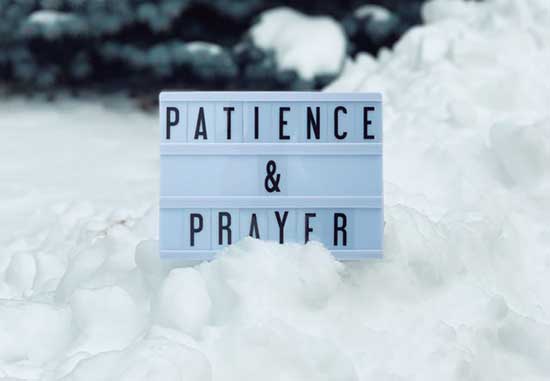
Photo by Osama Saeed on Unsplash
The virtue of “waiting on the Lord” is a common concept because human timing is so vastly different from God’s perfect timing.
Impatience is part of our fallen nature. It’s not easy to trust in God when we can’t see the outcome.
Abraham and Sarah had to deal with the need for patience when they still remained childless into old age, even though God had promised that Abraham would be “the father of many nations” (Genesis 17:5, CSB).
And even though they took matters into their own hands at first, God still came through. He gave a son to him and Sarah, as promised.
So when we find ourselves waiting for God to act in our lives, remember Abraham’s experience. Let’s resist the urge to rush the process or fulfill God’s plan in the way our limited vision sees fit. Instead, trusting in God and focusing on what He has placed in front of us is the best way to adhere to His will. We can rest in the assurance that He is active in our lives and has our best interests at heart, even if we can’t always see it.
Obedience to God, even when it doesn’t make “sense”
Sometimes, obeying God can seem contrary to what we think is best. But we can choose to continue to believe in Him and act accordingly (Genesis 15:6).
Yes, He gives us evidence to hold onto, but we still have to take steps of faith, like Abraham did when called to leave his homeland or asked to sacrifice the very son God promised him (Hebrews 11:17; Genesis 22).
God’s faithfulness to His promises
Continuing on the theme of patience, sometimes, God’s promises seem to be delayed. But He always fulfills them. His timing is perfect.
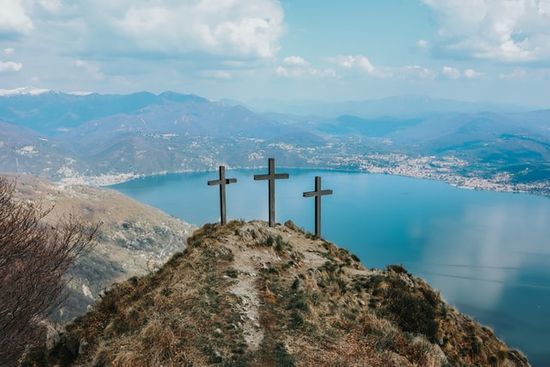
The covenant God made with Abraham had nothing to do with Abraham’s promises. It was all based on God’s promise. And God came through. It was fitting, then, that Abraham called the place where he was asked to sacrifice Isaac “Yahweh provides” (Genesis 22:14).
His life is testimony to this fact.
And through this, we learn that salvation is all about what God has promised, not what we do or promise. Salvation from sin and victory comes through Jesus and everything that He has done for us (Ephesians 2:8–10).
The promise to Abraham is for us too
We see Abraham as a great patriarch, and he was—as three of the world’s major religions would agree.
But Christians also understand that Abraham was human. He made mistakes and struggled to trust God, just like we do.
Though that could seem disappointing, this is actually encouraging. It means that Abraham’s story has relevant lessons for us and that God can use us too, even when we struggle with our faith.
God is always faithful to His covenant and still longs to give us the blessing through Jesus that He promised to Abraham.
Liked this character sketch of Abraham?
Related Articles


- “Ur,” Brittanica Encyclopedia, https://www.britannica.com/place/Ur. [↵]
- Solomin, Rachel M, “Stories of Our Ancestors,” My Jewish Learning, https://www.myjewishlearning.com/article/stories-of-our-ancestors/ [↵]
- Wheeler, Brannon, “Abraham and Islam,” Society of Biblical Literature, https://wwww.bibleodyssey.org/people/related-articles/abraham-and-islam/. [↵]
- Ibid. [↵]
- Genesis 23:19; Genesis 25:7–8; Genesis 49:31 [↵]
More Answers

Como os Ensinos de Ellen White Podem Melhorar Sua Saúde
Como os Ensinos de Ellen White Podem Melhorar Sua SaúdeAssistência médica no século XIX era dito deixar "mais doenças do que levava embora" com o uso de sangrias e "remédios" como mercúrio e arsênico.1 À medida que as pessoas questionavam esses métodos, novas...
Cómo las enseñanzas de Elena G. de White pueden mejorar tu salud
La atención médica en el siglo XIX se decía que dejaba “más enfermedades de las que eliminaba” con su uso de sangrías y “medicamentos” como el mercurio y el arsénico.

All About the Gospel of Matthew
The Book of Matthew is one of the four Gospel narratives in the Bible
Descanso e Reconexão: O Que Realmente Significa Guardar o Sábado
A Bíblia nos diz que guardamos o Sábado evitando o trabalho. Deus fez essa lei porque sabia que ela nos fortaleceria e nos traria alegria, além de nos dar tempo para nos reconectar com Ele e recarregar das nossas vidas ocupadas.
Descanso y reconexión: lo que realmente significa guardar el sábado
La Biblia nos dice que guardamos el sábado evitando el trabajo. Dios hizo esta ley porque sabía que nos fortalecería y nos traería alegría, además de darnos tiempo para reconectarnos con Él y recargar energías de nuestras vidas ocupadas.

Todo lo que necesitas saber sobre la Escuela Sabática
La Escuela Sabática es el componente de estudio bíblico del programa de la iglesia en la mayoría de las Iglesias Adventistas del Séptimo Día.

O que os Adventistas do Sétimo Dia acreditam sobre a autoridade da Bíblia?
Saiba como um livro realmente antigo (a Bíblia) é o único fundamento para todas as crenças dos Adventistas do Sétimo Dia.
¿Qué creen los Adventistas sobre la autoridad de la Biblia?
Puede hacerte sentir intimidado o frustrado. Podrías pensar en un líder de iglesia que parecía arruinar toda tu diversión cuando eras niño, o un jefe que supervisa cada uno de tus movimientos en el trabajo…

¿Qué es un médico misionero adventista?
Un médico misionero en la Iglesia Adventista es alguien que cuida de las necesidades médicas de las personas como una forma de mostrar el amor de Jesús. Pueden viajar a otro país, o incluso simplemente servir en su ciudad natal.
Ni nini Mtaalam wa Matibabu wa Kiadventista?
Mmishonari wa matibabu katika Kanisa la Waadventista ni mtu anayejali mahitaji ya matibabu ya watu kama njia ya kuonyesha upendo wa Yesu.
O que é um missionário médico adventista?
Um missionário médico na Igreja Adventista é alguém que cuida das necessidades médicas das pessoas como uma forma de mostrar o amor de Jesus. Eles podem viajar para outro país, ou até mesmo servir em sua cidade natal.

Guía definitiva para el estudio personal de la Biblia
¿Alguna vez has sentido que estudiar la Biblia es un desafío y simplemente no estás seguro de por dónde empezar? ¿O estás buscando ideas nuevas para mejorar tus hábitos actuales de estudio bíblico?
O Guia Definitivo para o Estudo Pessoal da Bíblia
Já sentiu que estudar a Bíblia é desafiador e não tem certeza por onde começar? Ou está procurando ideias novas para melhorar seus hábitos atuais de estudo da Bíblia?
¿Los Adventistas del Séptimo Día observan festividades relacionadas con la Pascua?
La resurrección de Jesús, celebrada en muchas festividades relacionadas con la Pascua, es central para las creencias de la Iglesia Adventista del Séptimo Día.

10 Bible Teachings Adventists Believe About the Devil
10 Bible Teachings Adventists Believe About the DevilSeventh-day Adventists believe the devil (or Lucifer-turned-Satan) is real and active. He is the sole adversary of God and humanity (1 Peter 5:8), making him the opposing force in the cosmic conflict between good...

¿Los Adventistas del Séptimo Día creen que solo ellos irán al cielo?
No, los adventistas definitivamente no creen que son los únicos que irán al cielo. De hecho, no creemos que la admisión al cielo se base en la iglesia o denominación a la que pertenecemos.
Waadventista Wa Sabato Wanaamini Nini Kuhusu Mamlaka ya Biblia?
Jifunze jinsi kitabu kimoja cha zamani sana (Biblia) kilivyo msingi pekee wa imani zote za Waadventista wa Sabato.
Mwongozo Bora Katika Kujifunza Biblia Binafsi
Umewahi kuhisi kwamba kusoma Biblia ni jambo gumu, na hujui uanzie wapi? Au unatafuta mawazo mapya ya kuboresha tabia yako ya usomaji wa Biblia.
Je, Waadventista Wasabato Wanasherehekea Siku Kuu Zinazohusiana na Pasaka?
Kufufuka kwa Yesu, kunakoadhimishwa katika siku kuu nyingi zinazohusiana na Pasaka, ni muhimu katika imani za Kanisa la Waadventista wa Sabato.
Je, Waadventista Wasabato Wanaamini Wao Pekee Ndiyo Watakao Kwenda Mbinguni?
Hapana, Waadventista hakika hawaamini kwamba wao ndio pekee watakao kwenda mbinguni. Kwa kweli, hatuamini kwamba kupokelewa mbinguni kunategemea kanisa au madhehebu tunayohusiana nayo.

Chakula cha Pamoja Katika Kanisa la Kiadventista: Mahali Ambapo Chakula na Urafiki Vinakutana
Mara nyingi, kawaida kwenye ratiba inayotofautiana kutoka mara moja kwa wiki hadi mara moja kwa mwezi hadi mara moja kwa robo, kanisa la Waadventista litakuwa na “karamu za ushirika,” mara nyingi zikiitwa chakula cha mchana cha pamoja.

Je, Waadventista Wa Sabato Wanaamini Nini Kuhusu Uumbaji Katika Biblia?
Waadventista Wa Sabato wanaamini kwamba Mungu ndiye Muumbaji wa ulimwengu. Wanafikia hitimisho hili kutoka kitabu cha kwanza cha Biblia—Mwanzo.

Jinsi Ellen White Alivyochangia Ujumbe wa Afya wa Waadventista
Jinsi Ellen White Alivyochangia Ujumbe wa Afya wa WaadventistaWaadventista wa Sabato wanajulikana kwa kusisitiza maisha yenye afya bora. Na Ellen G. White alikuwa na ushawishi mkubwa katika maendeleo ya kipaumbele hiki na utekelezaji wake miongoni mwa Waadventista....
Os Adventistas do Sétimo Dia observam feriados relacionados à Páscoa?
Os Adventistas do Sétimo Dia observam feriados relacionados à Páscoa?A ressurreição de Jesus, celebrada em muitos feriados relacionados à Páscoa, é central para as crenças da Igreja Adventista do Sétimo Dia. E isso significa que buscamos todas as oportunidades para...
Os Adventistas do Sétimo Dia acreditam que apenas eles irão para o Céu?
Não, os Adventistas definitivamente não acreditam que são os únicos que irão para o céu. Na verdade, não acreditamos que a admissão no céu dependa de qual igreja ou denominação pertencemos.

Ellen White anasema nini kuhusu Maombi?
Je, umewahi kuwa na mzigo ambao ulihitaji kumwambia mtu, lakini uliogopa kuhukumiwa ikiwa ungefanya hivyo?

Nani Aliyebadilisha Sabato kwenda Jumapili?
Nani Aliyebadilisha Sabato kwenda Jumapili?Ikiwa Biblia haijawahi kutaja mabadiliko ya Sabato, kwa nini leo wengi wanaenda kanisani Jumapili? Nani alibadilisha siku hiyo? Lakini hilo sio swali sahihi la kuuliza. Sabato haijabadilika. Kilichobadilika ni uamuzi wa...

Is It Okay to Worship On Sunday Instead of Saturday?
If there’s no wrong time to worship God, why are there different ideas on the day churches meet?

Ellen G. White au Biblia—Kipi ni Muhimu Zaidi kwa Waadventista?
Biblia—bila shaka—ndiyo kitabu muhimu zaidi. Ni kipimo tunachotumia kupima maandishi mengine yote, ikiwa ni pamoja na yale ya Ellen White.
Didn’t find your answer? Ask us!
We understand your concern of having questions but not knowing who to ask—we’ve felt it ourselves. When you’re ready to learn more about Adventists, send us a question! We know a thing or two about Adventists.