
What does it mean to keep the Sabbath?
The Bible tells us that we keep the Sabbath by avoiding work. God made this law because he knew it would strengthen us and bring us joy, as well as give us time to reconnect with Him and recharge from our busy lives.
Of course, when God gave the Sabbath commandment, some people misinterpreted it. They did not stick with this simple principle, and instead made specific laws about what it meant to refrain from work. They focused on what you can’t do instead of what you can do.
Human beings have always had a tendency to reduce God’s principles into easy-seeming “moral checklists.” They hope that the checklist will make these principles more concrete and straightforward to follow. But in reality, all it does is heap on stipulations that God never actually asks of us.
In the end, this goes against the principle of the Sabbath, because it turns what is supposed to be a delight into a burden.
Above all, the Sabbath, or Shabbat, is a special day to spend time with God. It’s not supposed to be a burden or a checklist of do’s and don’ts.
The word Sabbath means a day of rest.1
And that’s exactly what God intended the Sabbath to be.
It’s a time to come away from the worries of this world and remember how much God cares for us by studying the promises of hope in His word and reflecting on the blessings He has given us.
If you’re looking for practical ways to keep the Sabbath look no further! We’re about to jump into:
- The biblical principles of the Sabbath
- Misconceptions about the Sabbath
- The benefits of Sabbath rest
- 55 activities you can do on the Sabbath
Let’s start with looking at what the Bible actually says.
The biblical principles of the Sabbath

Where does the Sabbath originate from in the Bible?
Some suggest that the Sabbath first appeared when God created The Ten Commandments (Deuteronomy 5:12-15). But we can find the original Sabbath described in the Old Testament as early as Creation. The Bible says that God rested on the seventh day of the week and made it holy (Genesis 2:2-3).
This means that even from the beginning of earth’s creation, God chose the seventh day, Saturday, to be His holy day of pausing to rest and enjoy what He made. And the fact that God kept the Sabbath Himself means it isn’t tied down to any specific group of people.
In other words, Sabbath isn’t just for Jews. It’s for everyone!
We also know that Sabbath is observed from Friday evening to Saturday evening as each day ends when it’s sundown (Leviticus 23:32).
The validity of the seventh day appears again when the fourth commandment is introduced to God’s people, the Israelites:
“Remember the Sabbath day, to keep it holy. Six days you shall labor and do all your work, but the seventh day is the Sabbath of the Lord your God.
In it you shall do no work: you, nor your son, nor your daughter, nor your male servant, nor your female servant, nor your cattle, nor your stranger who is within your gates.
For in six days the Lord made the heavens and the earth, the sea, and all that is in them, and rested the seventh day. Therefore the Lord blessed the Sabbath day and hallowed it” (Exodus 20: 8-11, NKJV).
From the word of God, we can see that the core guideline for the Sabbath is to avoid work.
Does that mean there’s something inherently wrong about working?
Of course not!
God knows that we need to work to survive and provide for our families. Plus, Adam and Eve even worked in the garden before sin was part of their lives.
But God is a God of balance. Work is something we do, using our own abilities. And there’s a time to work, and a time to rest. And during this rest, we shift our focus upward and outward.
Upward, by acknowledging God as our creator and taking time to worship Him. Outward, by taking notice of the world He created for us and taking time to enjoy it.
But our human lives are far from balanced. With our busy schedules, it can feel difficult to make time to spend with God, even though we need His guidance daily.
That’s why the Sabbath can be such a blessing. While we spend spurts of time focused on Him during the week, Sabbath is a day we can set aside completely, casting our cares on Him.
This is why God gave us the Sabbath commandment—to give our minds and bodies rest, and to help us re-center our lives on Him.
(Because let’s be honest…sometimes, unless we’re actually told to stop working, we’ll just keep on pushing ourselves!)
This principle extends to making other people work for us. The verse is clear that no one should work on God’s holy day. This way everyone will be able to enjoy the blessings of the Sabbath.
For this reason, Sabbath-keepers often try to avoid the following so they can make sure to keep the Sabbath holy:
- Buying or selling: Because it requires others to work, and it involves business transactions.
- Significant household chores or projects: Because many housework chores could be done another day, and because they take up time you could be spending with God.
- Secular activities and entertainment: Not because they’re inherently bad, but because they often occupy our minds in a way that keeps us from slowing down and spending quality time with God.
Of course, there may be exceptions. After all, if your car breaks down on the way to church you might have to pay someone to tow your car.
And while Sabbath-keepers sometimes try to avoid significant cooking, sometimes a spill needs to be cleaned up, or food needs to be heated before it’s ready to eat.
Remember this guideline of the Sabbath: it’s not about refusing to lift a finger, it’s about drawing closer to God.
And if ever in doubt, ask for the Holy Spirit’s guidance to show you how to spend your day.
Misconceptions about the Sabbath Day
No one should ever make you feel that the Sabbath day is a burden or about things you are not allowed to do on Sabbath. But sometimes well-meaning people get stuck on the procedure and forget the big picture. The big picture, of course, is that the Sabbath was made for humanity to improve life (Mark 2:27).
In Jesus’ time, there was a group of people who always focused on the details. They were determined to keep the Sabbath, and to enforce others to keep it the way they saw fit.
This type of “obedience” did not come from an inward transformation of character or a love for God. They wanted adoration, to be regarded by their people as holy, and they wanted power over them as well.
These people were called the Pharisees.
The Pharisees were known for taking obedience to the extreme. And while obedience is a good thing, it becomes something else entirely when love is taken out of it. The Pharisees were determined to keep God’s law by their own merit, and because of this, they applied Scripture’s principles rigidly, literally, and without exception of any kind.
They also created their own specific rules involving the Sabbath2:
- No writing
- No lighting candles
- No extinguishing fires
- No excessive walking (more than ⅔ of a mile)
These are just a few of the rules that made the Sabbath a burden for the Jewish people of that time. Instead of thinking about God, their thoughts were drawn to all the things they couldn’t do, and the fear of punishment when they would inevitably break one of these rules.
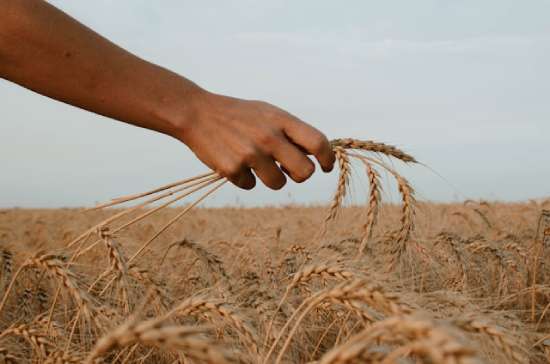
Photo by Paz Arando on Unsplash
The Pharisees even tried to correct how Jesus Christ kept the Sabbath when His disciples picked grain on a Saturday (Mark 2:23-28).
The Pharisees considered picking grain work. But Jesus showed how that application was too rigid. We can see that this was a situation of simple hunger and finding the nearest (and probably easiest) source of nourishment. It wasn’t that they were trying to earn a profit by picking the grain. They were attending to their physical needs.
Jesus also used Sabbath to heal people, but the Pharisees condemned Him even for that! They claimed that healing should not be done on the Sabbath, that it was like a form of work. However, Jesus explains that it is right to do good on the Sabbath (Matthew 12:12).
Even today, some people observe Sabbath with tenacity. They will not turn on their stoves to heat their food or flip the light switches in their house because they think it’s work.
(Even if avoiding “work” is more inconvenient and requires more effort!)
But frankly, a day of deprivation and avoidance is hardly a day to look forward to. It’s the opposite of what God wants for us (Isaiah 58: 13-14).
And Sabbath doesn’t have to be an idle time either!
You can keep the Sabbath by actively spending time with God and serving others.
The benefits of Sabbath rest
We all need a vacation. By the time we get to Friday, we all feel exhausted and burnt out from our busy lives. We wish we had just one day out of the week to reflect and recharge.
God planned ahead. He knew we would need a time of rest from the cares of this life.
One of the first benefits of keeping the Sabbath is that it can improve your physical health.
Studies have shown that people who keep a regular Sabbath live 10 years longer than those who don’t.3 This is probably because they are able to physically rest their bodies as well as their minds. This mental factor may play an even larger role in contributing to physical health. After all, stress is one of the greatest contributors to decreased health and can cause heart disease.4
It should be no surprise that stress decreases when people are removed from stressful environments like work. Even taking a break from stressful daily obligations, which can sometimes include social media and technology, can be incredibly beneficial to one’s health.
On top of that, the Sabbath also allows families to spend dedicated time together. During a busy week, it can be hard enough getting everyone to sit at the dinner table together. But on Sabbath, you can spend more of the day reconnecting with loved ones.
The Sabbath also benefits the community as a whole. When Sabbath-keepers serve the community and tell others about Jesus, the community is able to benefit and grow.
Most importantly, the Sabbath can benefit you personally by helping you re-center on the priorities of life. You can seek and find peace in Jesus Christ.
55 activities you can do on the Sabbath

Photo by Dominik Lange on Unsplash
Beyond abstaining from work, everyone keeps the Sabbath differently. Focus on what you can do on the Sabbath to rest and reconnect.
Some families have their own preferences for what they enjoy. Common activities can fall into the following categories:
- Time with God (praying and reading His word)
- Time with family (games, activities, leisure, conversation, going to church events together)
- Time resting (taking naps, sitting outside, meditating on Scripture, not thinking about work )
- Time in nature (hiking, swimming, picnicking, etc.)
- Time serving others (community service, helping a neighbor, outreach events)
All these things help us rest, reconnect with God and loved ones, and remember how God cares for us.
Here are 55 practical ways you can start celebrating the Sabbath:
- Go to church
- Pray
- Study the Bible
- Dedicate a whole Sabbath to serving others
- Listen to Christian music
- Go on a walk with friends
- Go to the park and reflect on God’s creation
- Play a Bible board game or trivia game with your family
- Prepare food on Friday and have a special picnic the following Saturday
- Write a letter to tell someone how important they are to you
- Leave kind notes for your neighbors — tell them how much Jesus loves them
- Play a Bible crossword game
- Put together a puzzle
- Color in a coloring book to de-stress
- Go swimming
- Paint or draw a picture for someone you love
- Deliver some homemade treats to your neighbors
- Crochet or knit a blanket and donate it to people in need
- Make a prayer journal
- Take time to learn about the plants in your yard, or find various ways to admire God’s creation
- Write and play your own songs to praise God
- Fly a kite
- Pick fresh fruit
- Do something nice for a family member
- Do something nice for a stranger
- Take a nap
- Go bird-watching
- Watch a nature documentary
- Watch a Bible documentary
- Listen to a sermon or Bible podcast
- Talk out loud to God
- Study old Sabbath school lessons
- Brainstorm Bible study topic ideas
- Write down your testimony
- Write down your favorite Bible verses
- Take a short camping trip in a peaceful location
- Join a small group at your church
- Go to volunteer events at your church
- Write down a prayer list
- Do a seasonal activity (build a snowman, collect fall leaves, etc.)
- Invite friends to an evangelistic meeting or Bible study
- Visit your elderly neighbors
- Learn a new musical instrument
- Make a Bible timeline
- Explore Bible history
- Read a Christian book
- Watch a Christian film
- Have a Bible scavenger hunt in your yard
- Donate food
- Serve the homeless in your community
- Play with pets
- Call someone you haven’t talked to in a while
- Draw pictures to go along with Bible verses to help you better visualize them
- Memorize Scripture
- Read a devotional
In the end, you know you’re keeping the Sabbath right when you feel closer to Jesus. And the awesome news is, Jesus looks forward to spending time with you too!
If you want to learn more about the Sabbath, check out these Bible study guides
Choose an Online Bible Study
Want to keep learning? Find out more about Jesus, humanity, the plan of salvation, and how God loves you enough to sacrifice everything, just to give you a chance to choose Him.
Sometimes it can be hard to know where to start, that’s why we offer free, user-friendly, online Bible study options you can do anytime, anywhere, and at your own pace.
This online Bible school will take you through the major themes of Scripture, breaking down the Bible’s complex concepts into bite-sized pieces, which can lead you toward the answers of life’s more challenging questions.
Visit an Adventist church near you and learn first-hand what it means to keep the Sabbath.
Find a Church
If you’re interested in finding a local Adventist church near you, you can use the Adventist Locator provided by the General Conference of Seventh-day Adventists.
1. https://www.merriam-webster.com/dictionary/Sabbath [↵]
2. https://bibleask.org/rules-pharisees-made-sabbath-observance/ [↵]
3. “The Last Day of Prophecy” by Amazing Facts [↵]
4. Ibid [↵]
Related Articles


More Answers

The Barren Fig Tree Parable: What It Means to Bear Fruit
Find out what the Parable of the Barren Fig Tree really means.

¿Qué son las reuniones evangelísticas adventistas?
¿Qué son las reuniones evangelísticas adventistas?La Iglesia Adventista del Séptimo Día pone un gran énfasis en compartir el evangelio mediante la evangelización, o compartir el evangelio a través de la predicación, la enseñanza y el testimonio. Una de las formas en...
O que são os Encontros Evangelísticos Adventistas?
O que são os Encontros Evangelísticos Adventistas?A Igreja Adventista do Sétimo Dia dá grande ênfase ao compartilhamento do evangelho por meio da evangelização, ou seja, compartilhar o evangelho através da pregação, ensino e testemunho. Uma das formas de realizarmos...

O Que os Adventistas Acreditam Sobre Fé e Obras?
O Que os Adventistas Acreditam Sobre Fé e Obras?Os adventistas acreditam que somos salvos pela fé, que é a crença e confiança que temos em Jesus Cristo para nos salvar dos nossos pecados. Jesus, então, nos capacita a viver em harmonia com os mandamentos de Deus e a...
¿Qué creen los Adventistas sobre la fe y las obras?
¿Qué creen los Adventistas sobre la fe y las obras?Los adventistas creen que somos salvos por la fe, que es la creencia y confianza que tenemos en Jesucristo para salvarnos de nuestros pecados. Jesús, entonces, nos capacita para vivir en armonía con los mandamientos...
Je, Ninahitaji Kuwa Mwadventista Ili Niokolewe
Je, Ninahitaji Kuwa Mwadventista Ili Niokolewe?Jibu la swali hili ni rahisi, “hapana.” Linapokuja swala la wokovu katika Yesu Kristo, kinachohitajika kwa mtu ni kukiri dhabihu ya Yesu kwa ajili yetu, kuamini kwamba Ametuokoa, na kudai zawadi ya bure ya wokovu ambayo...
¿Necesito ser adventista para ser salvo?
¿Necesito ser adventista para ser salvo?La respuesta a esta pregunta es simplemente, “no.” Cuando se trata de la salvación en Jesucristo, todo lo que se requiere de una persona es reconocer el sacrificio de Jesús por nosotros, creer que Él nos ha salvado y reclamar el...
Preciso ser Adventista para ser salvo?
A resposta para essa pergunta é simplesmente: “não.”

Lo que la Biblia dice sobre la Segunda Venida de Jesucristo
¿Tienes curiosidad sobre lo que la Biblia dice acerca de la Segunda Venida de Jesucristo? Cubriremos los versículos clave y su significado.

¿Quién fue Mateo, el apóstol, en la Biblia?
En el primer libro del Nuevo Testamento, encontramos la historia del Evangelio desde la perspectiva de Mateo.
2 Corinthians: An Overview of Paul’s Most Personal Letter
Discover Paul’s lessons on forgiveness, reconciliation, generosity, and more. It’s all in the book of 2 Corinthians!
Quem Foi Mateus, o Apóstolo, na Bíblia?
Quem Foi Mateus, o Apóstolo, na Bíblia?No primeiro livro do Novo Testamento, encontramos a história do Evangelho sob a perspectiva de Mateus. Ele era um coletor de impostos judeu de Cafarnaum, no primeiro século d.C., e provavelmente era desprezado pelos outros judeus...

The Pharisee and the Tax Collector Parable: Its Meaning Made Simple
The Meaning of the Pharisee and the Tax Collector ParableIn Luke 18:9-14, Jesus told a parable about two men who went to the temple to pray. One was a Pharisee and the other a tax collector. The Pharisee prayed (well, bragged) about his own good works compared to the...
Biblia Inasema Nini Kuhusu Ujio wa Pili wa Yesu Kristo
Unajuliza Biblia inasema nini kuhusu Kurudi kwa Yesu Kristo Mara ya Pili? Tutajadili aya kuu na maana zake.

The Story of the Widow’s Mite—What It Really Means
The Story of the Widow’s Mite—What It Really MeansPeople often assume bigger is better, but the Bible turns this concept on its head with the story of the Widow’s Mite. Of all the donations Jesus sees at the temple, the gift that draws His attention is not the...

Consejo de Elena G. de White sobre la Educación Universitaria
Consejo de Elena G. de White sobre la Educación UniversitariaElena G. de White, una cofundadora importante del Adventismo, es conocida a menudo por su orientación práctica y espiritual para la educación infantil adecuada. Pero también estuvo significativamente...
Mathayo Alikuwa Nani Katika Biblia?
Mathayo Alikuwa Nani Katika Biblia?Katika kitabu cha kwanza cha Agano Jipya, tunapata simulizi la Injili kutoka kwa Mathayo. Alikuwa mtoza ushuru Myahudi kutoka Kapernaumu katika karne ya kwanza MK, na huenda alichukiwa na Wayahudi wenzake kwa kuchagua kazi hiyo....

¿Cuáles son los beneficios de vivir en el campo?
¿Cuáles son los beneficios de vivir en el campo?Visitar el campo puede ofrecer un descanso muy necesario del típico ajetreo y bullicio de la ciudad. Muchos incluso han decidido mudarse a zonas rurales para disfrutar de un ritmo más lento, espacios amplios, aire...
Quais São os Benefícios de Viver no Campo?
Visitar o campo pode oferecer uma pausa muito necessária do típico agito da cidade.

¿Qué significa la parábola de la perla de gran precio?
Esto es lo que Jesús enseñó sobre el reino de los cielos a través de esta breve parábola sobre un comerciante que encuentra una perla invaluable.
O Que Significa a Parábola da Pérola de Grande Valor?
Aqui está o que Jesus ensinou sobre o reino dos céus por meio desta parábola curta sobre um comerciante que encontra uma pérola inestimável.
Por Que Muitos Adventistas Querem Viver no Campo
Por Que Muitos Adventistas Querem Viver no CampoViver em áreas rurais é algo que os adventistas têm valorizado historicamente, embora as necessidades da vida moderna nem sempre tenham tornado isso possível. Convenhamos, as vantagens da vida na cidade são bastante...

Uma Visão Geral de Romanos: Fé, Justiça, Relacionamentos
Uma Visão Geral de Romanos: Fé, Justiça, RelacionamentosO livro de Romanos é uma das 21 epístolas, ou cartas abertas, do Novo Testamento. E embora seja um texto bíblico antigo, ainda tem uma relevância significativa (até surpreendente) para nossas vidas hoje. O...

Jesus é o Mesmo Ser que Miguel, o Arcanjo?
Jesus é o Mesmo Ser que Miguel, o Arcanjo?Muitos cristãos têm se perguntado sobre a misteriosa identidade de Miguel, o Arcanjo. Desde os primórdios do cristianismo, muitos interpretaram Miguel como o Messias identificado com a figura do Anjo do Senhor. O reformador...
Je, Faida za Kuishi Vijijini ni Zipi?
Kutembelea maeneo ya vijijini kunaweza kutoa mapumziko yanayohitajika sana kutoka kwenye pilikapilika za kawaida za mijini.
Je, Mfano wa Lulu ya Thamani Kubwa Unamaanisha Nini?
Hivi ndivyo Yesu alivyofundisha kuhusu ufalme wa mbinguni kupitia mfano huu mfupi wa mfanyabiashara aliyepata lulu ya thamani isiyo na kifani.
Kwa Nini Waadventista Wengi Wanataka Kuishi Vijijini
Kwa Nini Waadventista Wengi Wanataka Kuishi VijijiniKuishi maeneo ya vijijini ni jambo ambalo Waadventista wamekuwa wakilithamini kihistoria, ingawa mahitaji ya maisha ya kisasa hayafanyi iwezekane kila wakati. Tukubali, faida za kuishi mjini zinaonekana wazi: fursa...
Muhtasari wa Kitabu cha Warumi: Imani, Haki, Mahusiano
Hapa kuna muhtasari na historia ya waraka mrefu zaidi wa Paulo.
Sobre o que é a Parábola do Semeador de Jesus?
A parábola do semeador é, em última análise, sobre como as pessoas responderam a Jesus Cristo e Sua mensagem do reino de Deus—o Evangelho.
Didn’t find your answer? Ask us!
We understand your concern of having questions but not knowing who to ask—we’ve felt it ourselves. When you’re ready to learn more about Adventists, send us a question! We know a thing or two about Adventists.