
Are you concerned about sunlight’s negative effects? You might be the one who lathers on the sunscreen and covers up when you go outside. Or maybe you avoid being outside as much as possible.
You might be surprised, then, to learn that small amounts of exposure to direct sunlight trigger your body to make vitamin D—a vital nutrient—and can make a positive difference in physical, mental, and spiritual health. Research is showing sunshine may reduce the risk of autoimmune disease, cardiovascular disease, and cancer, while boosting levels of endorphins in your brain to make you feel good.
Follow us as we go over:
- 10 health benefits of sunlight
- What sun exposure has to do with spiritual health
- How much sunlight we need
- How to get more sun
10 health benefits of sunlight
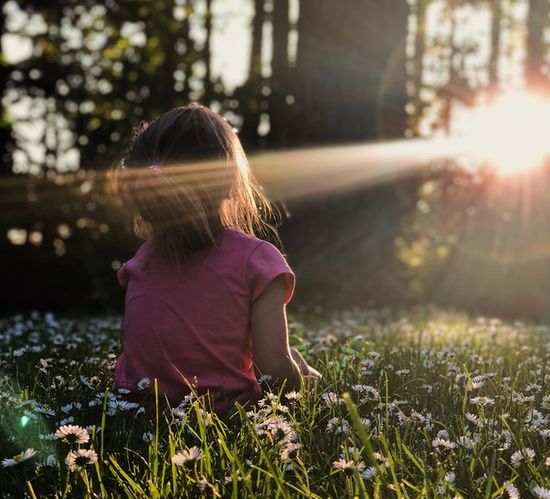
Photo by Melissa Askew on Unsplash
Ultraviolet (UV) rays from the sun stimulate the production of vitamin D and other important hormones like serotonin and melatonin in our bodies.1 The result is a whole array of benefits:
- Increased bone health
- Decreased risk of sickness
- Decreased risk of cancer
- Improved blood pressure
- Better sleep
- Better mental health
- Improved ability to think
- Balanced hormones
- Better eye health
- Better skin health
Let’s explore each one of these health benefits a little more.
1. You’ll have stronger bones
UVB light helps your body produce higher levels of vitamin D, which will, in turn, help your body absorb calcium, allowing your body to form stronger bones.
On the other hand, a lack of vitamin D can lead to bone conditions like osteoporosis, rickets, osteomalacia, and weak teeth.
A study published in the American Journal of Clinical Nutrition also noticed the link between vitamin D deficiency and muscle weakness. Older individuals with low vitamin D levels had a greater risk of falling than those with enough vitamin D.2
2. You’ll get sick less
High vitamin D levels may boost the immune system, too. People with higher amounts of it in their bloodstream seemed to have a lower chance of getting respiratory tract infections such as the cold or flu.3
And some other research may help us understand why:
Researchers at the University of Copenhagen found that vitamin D helps stimulate certain kinds of immune cells called killer T cells. Without vitamin D, these cells “remain dormant” instead of fighting bacteria and viruses.4
The vitamin D obtained from sunshine can also produce regulatory T cells which can potentially decrease the chances of developing autoimmune diseases like multiple sclerosis.5
So if you want to mobilize your body’s defense systems, make sure you’re getting enough sunlight!
Aside from boosting the immune system, sunlight benefits you by acting as a disinfectant. It’s the reason your grandma used to hang her laundry outside to dry: Sun rays kill bacteria.6
3. You’ll reduce your risk of cancer
The vitamin D produced by sunlight can also decrease cancer risk. This is because vitamin D, in many cases, stops the growth of cancer cells.7
In this way, high vitamin D levels may also decrease the risk of colon, pancreatic, ovarian, and breast cancer.8 We should note, though, that it doesn’t help with all kinds of cancer; stomach and prostate cancer are two exceptions.9
4. You’ll have lower blood pressure
In response to the sun, the cells produce a chemical called nitric oxide, which opens up the blood vessels, allowing for easier blood flow.10
A study published in the Journal of the American Heart Association noted that spending time in the sun seemed to lower the blood pressure levels of participants.11 This, in turn, can help lower chances of developing cardiovascular disease.
5. You’ll sleep better
Sunlight helps your body produce melatonin, a hormone that regulates your circadian rhythm and sleep during the night. Artificial light, though, does not have the same effect as natural light.12
6. You’ll improve your mental health
Ever heard of SAD? It stands for seasonal affective disorder, a “type of depression that’s related to changes in seasons.”13
People can get SAD when they don’t have enough sunlight or daylight exposure.14 It’s a common occurrence for people who live in higher latitudes, especially near the Arctic Circle where the sun emerges for only a few hours during the day in the winter.15
A study by Brigham Young University noticed something similar: People experienced greater “mental health distress” during the winter months when there was less time between sunrise and sunset.16
One of the primary ways to prevent or cope with SAD is to get more natural light or use a light box that mimics natural light.
But for the majority of us that don’t live in those darker regions, we can take advantage of sunlight year-round.
As light enters the eyes, it triggers the production of neurotransmitters, chemicals in the brain that affect many aspects of the body, including mood. In this way, sunlight can boost levels of serotonin—a hormone that stimulates happiness.17
But turns out, sunlight helps your brain in other ways too.
7. You’ll think better

Photo by Candice Picard on Unsplash
We all want to be more alert, think more clearly, and focus better. Sunlight might play into that as well!
Spending time in the sun increases the blood flow to the brain and boosts the production of neurotransmitters. These neurotransmitters help you pass messages between nerve cells in the brain, allowing you to think and focus better.18
8. Your hormones will be more balanced
Spending time in the sun may help with hormone balance.
Studies found that men who spent one hour in the morning sunlight had an increase in luteinizing hormone, a chemical that encourages reproductive health. Studies have also found that sunlight helped women experience more balanced menstrual cycles.19
9. It may help your eyesight
Sunlight exposure may decrease the development of nearsightedness, or myopia. Vitamin D stimulates the development of the eye, the release of dopamine to “regulate the sclera,” and prevention of eye elongation, which can lead to myopia.20
Nevertheless, too much time in the sun could also hurt your eyes. So be sure to wear sunglasses if you’re spending a lot of time outdoors.
10. It may improve skin conditions
Sunlight may help with skin conditions like psoriasis21 and eczema.22
While Dr. Melissa Piliang, a dermatologist at the Cleveland Clinic, cautions against excessive sun exposure, she agrees that light therapy can actually improve various skin conditions.23
But the benefits of sunshine don’t stop there! Sun exposure can also improve spiritual health.
How sun exposure affects spiritual health
Photo by Priscilla Du Preez 🇨🇦 on Unsplash
Sun exposure can improve spiritual health through many different avenues—whether cheering us up with its bright light or benefitting our mental health so that we can have clearer minds to connect with God.
After all, our physical, mental, and spiritual well-being are not independent from one another. The more sunlight improves our mental and physical health, the more it’ll improve our spiritual health, too.
The Adventist Church has long since recognized the connection between physical, mental, and spiritual health. As a matter of fact, one of our early founders, Ellen White, was quick to draw a connection between spiritual and physical health when she outlined basic principles of health:
“Pure air, sunlight, abstemiousness, rest, exercise, proper diet, the use of water, trust in divine power—these are the true remedies.”24
She promoted these principles of health, calling sunlight a “blessing from heaven” and “one of nature’s most healing agents.”25
Long before scientific research confirmed the benefits of the sun, she encouraged people to spend time outdoors in “the glad sunshine” and to allow light into their homes.26 She taught that time in nature—and sunlight—could improve mental health and provide opportunities for spiritual reflection.27
During the Creation week, God made the sun to be our primary light source and called it “good” (Genesis 1:14–18). Thus, looking at the beauty of nature can call our attention back to that account—reminding us of how much thought and care God put into creating our world.
So, with all these benefits, we’re ready to go get some sun. But before then, we need to answer an important question: How much sun exposure is too much?
How much sunlight do we need?
Moderate sun exposure is good for us, but we need to make sure we don’t get too much.
Dr. Neil Nedley, an award-winning physician who runs the Nedley Depression and Anxiety Recovery program, talks about the importance of sunlight in his book, The Lost Art of Thinking.
It’s in this book that Dr. Nedley offers the following public health recommendations:
“Each day, get 5 to 30 minutes in the sun between 10 a.m. and 4 p.m. without wearing sunscreen. Make sure that your face, arms, hands, and legs are exposed to the sun. People with fair skin will need less time, while those who are older and have darker skin need to spend more time in the sun to get the same amount of vitamin D.”28
There’s reason to be careful about exposure to the UV rays of the sun. Getting too much sun can lead to a higher risk of:
- Sunburn
- Wrinkles and early skin aging
- Skin cancer like melanoma
That’s why people who spend a lot of time in the sun should take special care to protect their skin.
The World Health Organization recommends you wear sun protection, typically a sunscreen of SPF 15 or higher, good sunglasses, a hat, and even a light, long-sleeved shirt to protect the skin on your arms and shoulders.29
Of course, be sure to follow the medical advice of your primary healthcare provider. Take special caution if you take any medications that make your skin sensitive to bright lights or UV radiation.
While excess sun exposure can be dangerous, most of us have the opposite problem: We suffer from a lack of UV light! What can we do about that?
How can we get more sun?

Photo by Filip Urban on Unsplash
Here are some ways Adventists get in those 5 to 30 minutes of sunlight. They just might work for you too!
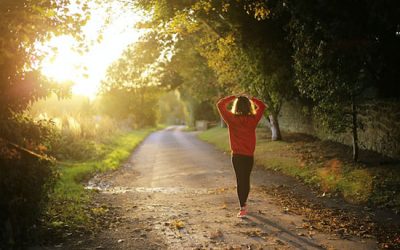
- Exercising outdoors—whether jogging, walking, going for a bike ride, or doing some other form of enjoyable exercise
- Working in the garden or yard
- Allowing light indoors—opening up those curtains and blinds
- Eating a meal outside or having a picnic with a friend
- Standing or sitting in the sunshine for a short time
If you live in a region of the world that gets significantly less sunlight during certain parts of the year, you may want to try the following tips to continue experiencing the benefits of sunlight:
- Be intentional about finding and sitting in the sun whenever possible, particularly in the morning
- Get light therapy from a light box or expose yourself to blue light for 15 to 20 minutes in the morning30
- Take a vitamin D supplement (be sure to check with your doctor first)
Let some sunshine in!
God created sunlight to be a blessing for humans. It provides us with warmth, light, and health benefits.
In our broken and imperfect world, we have to be careful to protect our skin from the dangers of sunlight. But this doesn’t mean we should avoid it. We need to soak up some sun to produce vitamins and hormones that are necessary for our health and well-being.
We just have to take a moderate approach!
Why don’t you give it a try? Get 5 to 30 minutes of sunshine each day and discover how God’s gift of light can revolutionize your health!
- “Vitamin D: Fact Sheet for Health Professionals,” National Institutes of Health. [↵]
- Janssen et al., “Vitamin D Deficiency, Muscle Function, and Falls in Elderly People,” American Journal of Clinical Nutrition, 75 (4), 2002, pp. 611–615. [↵]
- Duval, William, “Low Vitamin D Levels Associated with Colds and Flus,” National Institutes of Health. [↵]
- “Vitamin D Crucial to Activating Immune Defenses,” ScienceDaily, March 8, 2010. [↵]
- “Sunlight and Vitamin D Findings May Help Understanding of Autoimmune Diseases,” University of Aberdeen. [↵]
- Holland, Kimberly, “Want to Kill Dangerous Bacteria? Open Your Blinds,” Healthline, Nov. 28, 2018. [↵]
- Holick, Michael, “Vitamin D, Sunlight, and Cancer Connection,” Anticancer Agents Med Chem, 13(1), 2013, pp. 70–82. [↵]
- Ibid. [↵]
- Cristol, Hope, “Myths and Facts about Cancer and Vitamin D,” WebMD. [↵]
- Holliman, Graham, “Ultraviolet Radiation-Induced Production of Nitric Oxide,” Scientific Reports, Sept. 11, 2017. [↵]
- “Could Sunshine Lower Blood Pressure? Study Offers Enlightenment,” American Heart Association News, Feb. 28, 2020. [↵]
- Nedley, Neil, The Lost Art of Thinking (Nedley Publishing, Ardmore, OK, 2011), p. 239. [↵]
- “Seasonal Affective Disorder,” Mayo Clinic. [↵]
- “Seasonal Affective Disorder: More Than the Winter Blues,” American Psychological Association, 2014. [↵]
- Haggag et al., “Seasonal Mood Variation,” Acta Psychiatrica Scandinavica, 81(2), pp. 141–145. [↵]
- Moss, Rachel, “Sunshine Improves Mental Wellbeing, with Dark Months Linked to Emotional Distress, Study Finds,” HuffPost, April 11, 2016. [↵]
- Nedley, p. 238. [↵]
- Kent et al., “Effect of Sunlight Exposure on Cognitive Function Among Depressed and Non-Depressed Participants,” Environmental Health, 8(34), 2009. [↵]
- Nedley, p. 239. [↵]
- Ho, Ciao-Lin, Wei-Fong Wu, and Yiing Mei Liou, “Dose–Response Relationship of Outdoor Exposure and Myopia Indicators,” Int J Environ Res Public Health, 16(14), p. 2595. [↵]
- “How the Sun Can Benefit Some Skin Conditions,” Cleveland Clinic. [↵]
- Ames, Hana,“Is the Sun Good for Eczema?” Medical News Today. [↵]
- “How the Sun Can Benefit Some Skin Conditions.” [↵]
- White, Ellen, The Ministry of Healing (Pacific Press, Mountain View, CA, 1905),p. 127. [↵]
- White, Ellen, Testimonies for the Church, vol. 2 (Pacific Press, Mountain View, CA, 1868), pp. 530, 527. [↵]
- Ibid., pp. 264, 275. [↵]
- White, Ellen, The Ministry of Healing, pp. 261-267. [↵]
- Nedley, p. 246. [↵]
- “Radiation: Sun Protection,” World Health Organization. [↵]
- Nedley, p. 240. [↵]
Want to learn more about Adventists and healthy living?

More Answers
Como os Ensinos de Ellen White Podem Melhorar Sua Saúde
Como os Ensinos de Ellen White Podem Melhorar Sua SaúdeAssistência médica no século XIX era dito deixar "mais doenças do que levava embora" com o uso de sangrias e "remédios" como mercúrio e arsênico.1 À medida que as pessoas questionavam esses métodos, novas...
Cómo las enseñanzas de Elena G. de White pueden mejorar tu salud
La atención médica en el siglo XIX se decía que dejaba “más enfermedades de las que eliminaba” con su uso de sangrías y “medicamentos” como el mercurio y el arsénico.

All About the Gospel of Matthew
The Book of Matthew is one of the four Gospel narratives in the Bible
Descanso e Reconexão: O Que Realmente Significa Guardar o Sábado
A Bíblia nos diz que guardamos o Sábado evitando o trabalho. Deus fez essa lei porque sabia que ela nos fortaleceria e nos traria alegria, além de nos dar tempo para nos reconectar com Ele e recarregar das nossas vidas ocupadas.
Descanso y reconexión: lo que realmente significa guardar el sábado
La Biblia nos dice que guardamos el sábado evitando el trabajo. Dios hizo esta ley porque sabía que nos fortalecería y nos traería alegría, además de darnos tiempo para reconectarnos con Él y recargar energías de nuestras vidas ocupadas.

Todo lo que necesitas saber sobre la Escuela Sabática
La Escuela Sabática es el componente de estudio bíblico del programa de la iglesia en la mayoría de las Iglesias Adventistas del Séptimo Día.

O que os Adventistas do Sétimo Dia acreditam sobre a autoridade da Bíblia?
Saiba como um livro realmente antigo (a Bíblia) é o único fundamento para todas as crenças dos Adventistas do Sétimo Dia.
¿Qué creen los Adventistas sobre la autoridad de la Biblia?
Puede hacerte sentir intimidado o frustrado. Podrías pensar en un líder de iglesia que parecía arruinar toda tu diversión cuando eras niño, o un jefe que supervisa cada uno de tus movimientos en el trabajo…
¿Qué es un médico misionero adventista?
Un médico misionero en la Iglesia Adventista es alguien que cuida de las necesidades médicas de las personas como una forma de mostrar el amor de Jesús. Pueden viajar a otro país, o incluso simplemente servir en su ciudad natal.
Ni nini Mtaalam wa Matibabu wa Kiadventista?
Mmishonari wa matibabu katika Kanisa la Waadventista ni mtu anayejali mahitaji ya matibabu ya watu kama njia ya kuonyesha upendo wa Yesu.
O que é um missionário médico adventista?
Um missionário médico na Igreja Adventista é alguém que cuida das necessidades médicas das pessoas como uma forma de mostrar o amor de Jesus. Eles podem viajar para outro país, ou até mesmo servir em sua cidade natal.

Guía definitiva para el estudio personal de la Biblia
¿Alguna vez has sentido que estudiar la Biblia es un desafío y simplemente no estás seguro de por dónde empezar? ¿O estás buscando ideas nuevas para mejorar tus hábitos actuales de estudio bíblico?
O Guia Definitivo para o Estudo Pessoal da Bíblia
Já sentiu que estudar a Bíblia é desafiador e não tem certeza por onde começar? Ou está procurando ideias novas para melhorar seus hábitos atuais de estudo da Bíblia?

¿Los Adventistas del Séptimo Día observan festividades relacionadas con la Pascua?
La resurrección de Jesús, celebrada en muchas festividades relacionadas con la Pascua, es central para las creencias de la Iglesia Adventista del Séptimo Día.

10 Bible Teachings Adventists Believe About the Devil
10 Bible Teachings Adventists Believe About the DevilSeventh-day Adventists believe the devil (or Lucifer-turned-Satan) is real and active. He is the sole adversary of God and humanity (1 Peter 5:8), making him the opposing force in the cosmic conflict between good...

¿Los Adventistas del Séptimo Día creen que solo ellos irán al cielo?
No, los adventistas definitivamente no creen que son los únicos que irán al cielo. De hecho, no creemos que la admisión al cielo se base en la iglesia o denominación a la que pertenecemos.
Waadventista Wa Sabato Wanaamini Nini Kuhusu Mamlaka ya Biblia?
Jifunze jinsi kitabu kimoja cha zamani sana (Biblia) kilivyo msingi pekee wa imani zote za Waadventista wa Sabato.
Mwongozo Bora Katika Kujifunza Biblia Binafsi
Umewahi kuhisi kwamba kusoma Biblia ni jambo gumu, na hujui uanzie wapi? Au unatafuta mawazo mapya ya kuboresha tabia yako ya usomaji wa Biblia.
Je, Waadventista Wasabato Wanasherehekea Siku Kuu Zinazohusiana na Pasaka?
Kufufuka kwa Yesu, kunakoadhimishwa katika siku kuu nyingi zinazohusiana na Pasaka, ni muhimu katika imani za Kanisa la Waadventista wa Sabato.
Je, Waadventista Wasabato Wanaamini Wao Pekee Ndiyo Watakao Kwenda Mbinguni?
Hapana, Waadventista hakika hawaamini kwamba wao ndio pekee watakao kwenda mbinguni. Kwa kweli, hatuamini kwamba kupokelewa mbinguni kunategemea kanisa au madhehebu tunayohusiana nayo.

Chakula cha Pamoja Katika Kanisa la Kiadventista: Mahali Ambapo Chakula na Urafiki Vinakutana
Mara nyingi, kawaida kwenye ratiba inayotofautiana kutoka mara moja kwa wiki hadi mara moja kwa mwezi hadi mara moja kwa robo, kanisa la Waadventista litakuwa na “karamu za ushirika,” mara nyingi zikiitwa chakula cha mchana cha pamoja.

Je, Waadventista Wa Sabato Wanaamini Nini Kuhusu Uumbaji Katika Biblia?
Waadventista Wa Sabato wanaamini kwamba Mungu ndiye Muumbaji wa ulimwengu. Wanafikia hitimisho hili kutoka kitabu cha kwanza cha Biblia—Mwanzo.

Jinsi Ellen White Alivyochangia Ujumbe wa Afya wa Waadventista
Jinsi Ellen White Alivyochangia Ujumbe wa Afya wa WaadventistaWaadventista wa Sabato wanajulikana kwa kusisitiza maisha yenye afya bora. Na Ellen G. White alikuwa na ushawishi mkubwa katika maendeleo ya kipaumbele hiki na utekelezaji wake miongoni mwa Waadventista....
Os Adventistas do Sétimo Dia observam feriados relacionados à Páscoa?
Os Adventistas do Sétimo Dia observam feriados relacionados à Páscoa?A ressurreição de Jesus, celebrada em muitos feriados relacionados à Páscoa, é central para as crenças da Igreja Adventista do Sétimo Dia. E isso significa que buscamos todas as oportunidades para...
Os Adventistas do Sétimo Dia acreditam que apenas eles irão para o Céu?
Não, os Adventistas definitivamente não acreditam que são os únicos que irão para o céu. Na verdade, não acreditamos que a admissão no céu dependa de qual igreja ou denominação pertencemos.

Ellen White anasema nini kuhusu Maombi?
Je, umewahi kuwa na mzigo ambao ulihitaji kumwambia mtu, lakini uliogopa kuhukumiwa ikiwa ungefanya hivyo?

Nani Aliyebadilisha Sabato kwenda Jumapili?
Nani Aliyebadilisha Sabato kwenda Jumapili?Ikiwa Biblia haijawahi kutaja mabadiliko ya Sabato, kwa nini leo wengi wanaenda kanisani Jumapili? Nani alibadilisha siku hiyo? Lakini hilo sio swali sahihi la kuuliza. Sabato haijabadilika. Kilichobadilika ni uamuzi wa...

Is It Okay to Worship On Sunday Instead of Saturday?
If there’s no wrong time to worship God, why are there different ideas on the day churches meet?

Ellen G. White au Biblia—Kipi ni Muhimu Zaidi kwa Waadventista?
Biblia—bila shaka—ndiyo kitabu muhimu zaidi. Ni kipimo tunachotumia kupima maandishi mengine yote, ikiwa ni pamoja na yale ya Ellen White.
Didn’t find your answer? Ask us!
We understand your concern of having questions but not knowing who to ask—we’ve felt it ourselves. When you’re ready to learn more about Adventists, send us a question! We know a thing or two about Adventists.