
Who can we trust?
The desire to trust is hardwired in us from our earliest years. Ideally, our parents will have built a foundation of trust through their care for us.
But unfortunately, human beings break trust. It may not always be intentional, but when it comes to perfect reliability, we all fall short.
Unkept promises. Hurtful treatment. Betrayal. Jealousy. Power-grabs.
No wonder trusting God feels hard. What does it really mean to trust Him? How do we do it?
Trusting God is more than a mental exercise. It touches every aspect of our lives with the potential to heal us physically, mentally, and spiritually. For our own well-being, we need to be able to rely on something bigger than us. And that’s why Seventh-day Adventists underscore trust in divine power as one of our health principles.
Let’s look at this topic in depth:
What it means to trust in God
To trust is to “rely upon or place confidence in someone or something.” Trusting God means that we rely upon Him or place confidence in Him. It’s about a relationship.
This is because trust has to take place in the context of a relationship. We come to trust people in our lives as we spend time with them and see they’re reliable.
It’s similar with God.
The relational aspect of trusting Him is what makes such a difference in our well-being. People who experience the health benefits are people who have a relationship with God like they have with their loved ones. Brain scans show that their prayers produce the same kind of brain activity as though they were talking to a friend.1
(Later, we’ll talk about how you can develop this kind of relationship with God, too.)
Bible verses about trusting God
The Bible invites us to trust in God and shows us what that looks like. Proverbs 3:5–6 might be the most well-known verse on this topic:
“Trust in the Lord with all your heart, and lean not on your own understanding; in all your ways acknowledge Him, and He shall direct your paths” (NKJV).
But what does “trust in the Lord” mean?
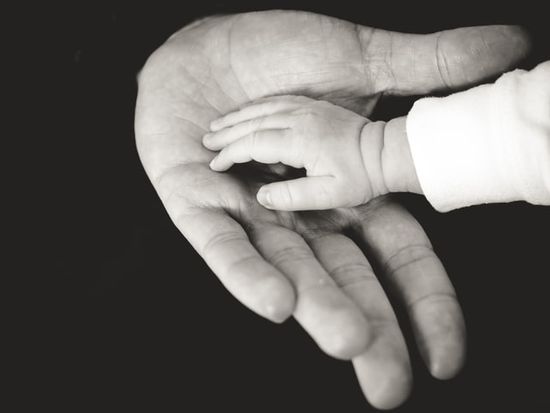
Photo by Liane Metzler on Unsplash
It means:
- Believing His love—the very essence of His character (Psalm 13:5; 1 John 4:8)
- Telling Him our hearts and allowing Him to be our safe place in difficult times (Psalm 62:8)
- Letting go of fear and worry (Psalm 56:11)
- Experiencing freedom from guilt, shame, and sin (1 John 3:19–21; Romans 8:1)
- Focusing on Him so we have His perfect peace (Isaiah 26:3)
- Choosing His ways in His Word instead of our own (Proverbs 3:5–6)
- Acting on what He has said (Numbers 20:12)
The result of this kind of trust is hope, joy, peace, and power (Romans 15:13). Not to mention all the health benefits we’ll look at next.
How trust in God improves health
The Bible says the peace that comes from trusting God gives “life to the body” (Proverbs 14:30, CSB). When we accept the hope and freedom Jesus gives us, it not only impacts us spiritually, but on an emotional and physical level as well. Let’s see how:
Better health habits
A report on how religion affects social stability looked at multiple studies that show religious people tend to use alcohol, cigarettes, and drugs less.2 Often, people who trust in God want to care for their bodies to honor Him. Or, they join communities that encourage this behavior.
Adventists take it a step further. They promote an all-round healthy lifestyle that includes nutrition and exercise habits too.
Less sickness
We build trust in God as we encounter His unconditional love (Psalm 32:10). And turns out, this kind of healthy relationship and the associated positive emotions may keep you healthier too! As we trust in divine power, we have a sense of peace and security that boosts the body’s ability to fight disease.
“Unconditional love is the most powerful stimulant of the immune system. The truth is: love heals,” says Bernie Siegel, MD, who wrote a book called Love, Medicine, and Miracles to document his clinical observations of the effects of love.3
One scientific trial gives us more evidence for this connection between love and the immune system. Participants with a positive emotional style in life had greater resistance to cold and flu viruses that were dripped into their noses.4
Longer life
People who trust in God tend to get involved in religious communities and activities. The side effect? A longer life!

Photo by Esther Ann on Unsplash
Dan Buettner, an award-winning journalist and National Geographic fellow, researched the regions of the world where people live quality lives into their hundreds. In his bestselling book The Blue Zones, he wrote about the common factors he discovered. One of them was religious attendance. Research tells us that this can increase life expectancy by 4 to 14 years!5
Other studies have concluded the same thing: Attending religious services—and having good health habits and social relationships—lowers mortality rates.6
Better coping ability
When we fully trust God, we are filled with hope, which allows us to better handle the stressors that come our way. Attending church and being part of a community also helps people cope with challenges, and it may reduce high blood pressure and stress hormones.7
Prayer makes a difference, too.
Dr. Herbert Benson of Harvard Medical School has studied how prayer creates a “relaxation response” in the body. It lowers heart rate, breathing rate, and other body processes.8
Better mental health
Trusting God has a major impact on mental health. Being able to give emotional burdens to Him is a large part of it.
In one study, participants received one-hour prayer sessions once a week for six weeks. During the sessions, they prayed specific prayers—letting go of hurts, forgiving people, or dealing with past trauma. In the end, they reported less depression and anxiety and greater optimism.9
In another experiment, religious people who prayed about a problem in their lives for ten minutes performed better on a cognitive task afterward.10
But the benefits may depend on how a person views God.
The Oxford University Press published a study that gives insight into the connection between anxiety, attachment to God, and prayer. Through surveying the participants, the researchers uncovered something interesting:
Some people had a secure attachment to God, meaning that they trusted His care and believed He took a personal interest in them. But others had an anxious attachment to Him, in which they weren’t sure if He always cared about them.
So who experienced the beneficial effects of prayer on their anxiety?
Those who had a secure attachment to God. In other words, they had a biblical picture of His unconditional love.
This shows us that knowing God’s true character is key to building trust in Him.
How to develop trust in God
Building trust with God is a lot like building trust in human relationships. We have to spend time with Him to know Him for who He truly is. Then, as we’re ready, we have to take steps forward in the relationship. Our trust grows as we see His faithfulness to us.
But first, remember:
Everyone is at a different point in their journey of trusting God.

Photo by Xavier Mouton Photographie on Unsplash
Some of us grew up within secure Christian homes where we saw trustworthy examples and gained an accurate picture of God.
But others of us had volatile home lives or toxic church communities that left us suspicious of Him.
It’s even possible that you may not know much about God at all. And that’s totally okay!
Whatever the case, part of learning to trust God is letting go of preconceived ideas. And it’s okay to test what you already believe or have been told. That’ll allow you to start fresh with the following steps:
1. Get to know Him
Trust only goes so far when you don’t know the one you’re trusting. That’s why we need to get to know God for who He is—not what others say about Him or portray Him to be.
So, spend time reading about Him in the Bible. As you do, pay special attention to how God fulfills His promises and comes through for His people. You could even keep a journal of all the characteristics you find.
2. Talk with Him
God speaks to us through His Word. Prayer, on the other hand, allows us to speak to Him. Being able to pour our hearts out to Him helps us build trust in Him.
As we give Him our burdens and requests, we’ll begin to see how He answers those prayers and guides our lives. And even when we don’t see answers right away, we can have His perfect peace “which surpasses all understanding” (Philippians 4:7, NKJV).
3. Choose His way
Part of trusting God is trusting what He says and acting on it. After all, He tells us:
“For My thoughts are not your thoughts, nor are your ways My ways…. For as the heavens are higher than the earth, so are My ways higher than your ways, and My thoughts than your thoughts” (Isaiah 55:8–9, NKJV).
When faced with decisions, we may want to do what we think is best. But trusting God means that we choose the path that aligns with His Word.
Building this kind of trust is a process. As we see His faithfulness in small areas of our lives, we will come to trust His counsels for the larger areas.
4. Praise Him
Stopping to think about God’s faithfulness is a powerful way to grow our trust in Him. Our human nature is quick to forget all that He’s done for us; so gratitude and praise bring us back to the reality of His goodness.
Trusting a loving God is healing

Photo by Edwin Andrade on Unsplash
We often separate our spiritual lives from other aspects of our lives. But the Bible and even medical science show that trusting God ties right in with every part of us, including our mental and physical health.
The benefits are many: better overall health, longer life, less sickness, greater ability to cope with stress, and less anxiety and depression.
But here’s the pivot point:
What kind of God are you trusting? Do you have an accurate picture of the God of the Bible? Have you studied about Him for yourself?
It’s a question we all need to ask ourselves at some point.
When we get to know Him as the loving God He is, then we can truly trust Him.
And those associated health benefits are a wonderful bonus!
Ready to begin that journey? Check out our online Bible studies now.
Choose an Online Bible Study
Want to keep learning? Find out more about Jesus, humanity, the plan of salvation, and how God loves you enough to sacrifice everything, just to give you a chance to choose Him.
Sometimes it can be hard to know where to start, that’s why we offer free, user-friendly, online Bible study options you can do anytime, anywhere, and at your own pace.
This online Bible school will take you through the major themes of Scripture, breaking down the Bible’s complex concepts into bite-sized pieces, which can lead you toward the answers of life’s more challenging questions.
- Feder, Sandra, “Religious Faith Can Lead to Positive Mental Benefits,” Stanford News, Nov. 13, 2020.[↵]
- Fagan, Patrick, “Why Religion Matters Even More: The Impact of Religious Practice on Social Stability,” The Heritage Foundation, Dec. 18, 2006. [↵]
- Quoted by Finley, Ernestine, Secrets to WELLNESS (Pacific Press, Nampa, ID, 2019), p. 107.[↵]
- Cohen et al., “Positive Emotional Style Predicts Resistance to Illness,” Psychosomatic Medicine, vol. 68(6), 2006. [↵]
- Buettner, Dan, “Power 9: Reverse Engineering Longevity,” BlueZones.com.[↵]
- Strawbridge et al., “Frequent Attendance at Religious Services and Mortality over 28 Years,” Am J Public Health, vol. 87(6), 1997; Johnson, Byron, “Objective Hope,” Center for Research on Religion and Urban Civil Society, 2002.[↵]
- Trilling, David, “Religion May Reduce Stress and Increase Longevity,” BlueZones.com, July 2017. [↵]
- Groopman, Jerome, “God on the Brain,” The New Yorker, Sept. 17, 2001.[↵]
- Boelens et al., “A Randomized Trial of the Effect of Prayer on Depression and Anxiety,” International Journal of Psychiatry in Medicine, vol. 39(4), 2009, pp. 377–392.[↵]
- Adams et al., “The Effects of Prayer on Attention Resource Availability and Attention Bias,” Religion, Brain & Behavior, vol. 7(2), 2017, pp. 117–133.[↵]
Related Articles


More Answers

Where Do We Go When We Die?
For those of us who’ve lost loved ones or faced serious health issues, we can’t help but wonder about life after death.

What is the Difference Between Grace and Mercy in the Bible?
Even in day-to-day life, we can see glimpses of grace and mercy—like when someone offers an angry, impatient person their spot in a line or when a parent hugs their child after a heated argument.

Waadventista Wasabato Wanatafsiri Vipi Unabii wa Biblia?
Jifunze zaidi kuhusu jinsi Waadventista wanavyotafsiri unabii katika Biblia—hasa katika vitabu kama Danieli na Ufunuo.

Urithi wa Kudumu wa Ellen G. White
Urithi wa Kudumu wa Ellen G. WhiteEllen G. White ni jina linalojulikana sana miongoni mwa Waadventista wa Sabato, lakini pia aliathiri sehemu nyingi za historia, mbali na kuwa mwanzilishi wa Kanisa la Waadventista wa Sabato. Ndiyo maana Jarida la Smithsonian...

¿Cómo interpretan la profecía bíblica los Adventistas del Séptimo Día?
Aprende más sobre cómo los Adventistas interpretan la profecía en la Biblia, especialmente en libros como Daniel y Apocalipsis.
Como os Adventistas do Sétimo Dia interpretam a profecia bíblica?
Saiba mais sobre como os Adventistas abordam a interpretação da profecia na Bíblia—especialmente nos livros como Daniel e Apocalipse.

Lo que necesitas saber sobre la tentación y cómo resistirla
¿Alguna vez has sentido que enfrentas la misma tentación día tras día? ¿La tentación que siempre parece resurgir?

What Jesus Meant by “Take Up Your Cross”
Whether you’ve spent a day or a decade around Christian circles, you’ve probably heard the phrase, “Pick up your cross.”

Je, Waadventista Wasabato Wana “Sheria”?
Tunashikilia kanuni tunazoamini zitasaidia kuweka uhusiano wa karibu na Yesu na Neno lake. Jifunze jinsi kanuni hizi zinavyo-ongoza mtindo wa maisha wa Waadventista.
El legado de Elena G. de White
El legado de Elena G. de WhiteyElena G. de White es un nombre muy conocido entre los Adventistas del Séptimo Día, pero también tuvo un impacto en muchas otras partes de la historia, además de ser cofundadora de la Iglesia Adventista. Por eso, la revista Smithsonian la...

All of Jesus’ Warnings and Encouragements in the Bible
Here’s a comprehensive list of every warning and encouragement from the words of Jesus, as well as how they can benefit our lives today.
¿Los Adventistas del Séptimo Día tienen “reglas”?
Sostenemos principios que creemos que nos ayudarán a mantener una relación más cercana con Jesús y su Palabra. Aprende cómo estos principios guían los estilos de vida adventistas.
Os Adventistas do Sétimo Dia têm “regras”?
Defendemos princípios que acreditamos nos ajudar a manter um relacionamento mais próximo com Jesus e com Sua Palavra. Saiba como esses princípios orientam o estilo de vida adventista.

Películas Adventistas: donde la fe y el cine se encuentran
La misión de la Iglesia Adventista del Séptimo Día desde el principio ha sido compartir la verdad de Dios en la Biblia.
Filmes Adventistas: Onde a Fé e o Cinema se Encontram
A missão da Igreja Adventista do Sétimo Dia desde o início tem sido compartilhar a verdade de Deus na Bíblia.

¿Por qué algunas Biblias tienen más libros que otras?
Los cristianos consideran la Biblia como sus escrituras sagradas. Pero dentro del cristianismo, diferentes denominaciones utilizan Biblias con cantidades diferentes de libros.
Por que algumas Bíblias têm mais livros do que outras?
Os cristãos consideram a Bíblia como suas escrituras sagradas. Mas dentro do Cristianismo, diferentes denominações usam Bíblias com números diferentes de livros.
O que você precisa saber sobre a tentação e como resistir a ela
Já se sentiu como se enfrentasse a mesma tentação dia após dia? Aquela tentação que sempre parece ressurgir?
O que os Adventistas do Sétimo Dia acreditam sobre a Bíblia?
A Bíblia forma a base de tudo o que os Adventistas do Sétimo Dia acreditam e ensinam.

Waadventista Wa Sabato wanaamini nini kuhusu Ubatizo?
Kama Wakristo wengi wa Kiprotestanti ulimwenguni kote na katika historia, Kanisa la Waadventista wa Sabato linaamini katika ubatizo, sherehe ambapo watu huzamishwa ndani ya maji kudhihirisha hadharani “kufa kwa maisha ya zamani” na “kuanza kwa maisha mapya katika Kristo”.

Jinsi Waadventista Wanavyoshughulikia Kifo na Mazishi
Mazishi mengi ya Waadventista wa Sabato yanafanana na yale ya madhehebu mengine ya Kiprotestanti, kama vile Wamethodisti, Wabatisti, au Wapresbiteri, lakini unaweza kupata tofauti chache au taratibu za pekee.
O que os Adventistas do Sétimo Dia acreditam sobre o batismo?
Assim como muitos cristãos protestantes em todo o mundo e ao longo da história, a Igreja Adventista do Sétimo Dia crê no batismo por imersão
¿Qué creen los Adventistas del Séptimo Día sobre el bautismo?
Al igual que muchos cristianos protestantes en todo el mundo y a lo largo de la historia, la Iglesia Adventista del Séptimo Día cree en el bautismo por inmersión

Does Jesus Really Care About Me?
Does Jesus Really Care About Me?Short answer: yes, Jesus really does care about you, specifically (1 Peter 5:7, ESV). But if you’re wondering whether Jesus Christ really, truly cares about you, you aren’t alone. Gideon, Abraham and Sarah, Job, Jeremiah, Elijah, even...
Filamu za Kiadventista: Mahali Imani na Filamu Zinapokutana
Tangu mwanzo, lengo la Kanisa la Waadventista wa Sabato limekuwa kueneza kweli ya Mungu katika Biblia.
Kwanini Baadhi ya Biblia Zina Vitabu Vingi Kuliko Zingine?
Wakristo wanachukulia Biblia kama maandiko yao matakatifu. Lakini ndani ya Ukristo, madhehebu tofauti hutumia Biblia zenye idadi tofauti ya vitabu.

Fe y obras: ¿Importan ambas en la vida de un cristiano?
En tantas religiones a lo largo del tiempo, los individuos trabajan hacia la iluminación, la salvación o el favor de una deidad.
Cómo los Adventistas manejan la muerte y los funerales
La mayoría de los servicios funerarios Adventistas del Séptimo Día son similares a los de otras denominaciones protestantes, como los metodistas, bautistas y presbiterianos, pero podrías encontrar algunas diferencias o matices únicos.
Didn’t find your answer? Ask us!
We understand your concern of having questions but not knowing who to ask—we’ve felt it ourselves. When you’re ready to learn more about Adventists, send us a question! We know a thing or two about Adventists.