
“When you can’t breathe, nothing else matters,” the American Lung Association tells us.
And while that’s true, the kind of air you’re breathing will determine the health benefits you experience.
Breathing fresh air—clean air that is free from both indoor and outdoor pollution—is an essential part of caring for our bodies, which God has given us. It gives our bodies the oxygen they need to stay physically healthy. It invigorates our minds. And in turn, the physical and mental benefits help us to be spiritually healthy and better connected to God.
On the other hand, when we’re breathing polluted or smoggy air, we’re at a greater risk of headaches, tiredness, a sluggish mind, coughing, bronchitis, sinusitis, and even cancer.1
Here, we’ll dive into the reasons why fresh air is so essential for overall health, and we’ll look at some ways to make sure we’re getting all the fresh air we need. We’ll cover:
- Physical benefits of fresh air
- Mental benefits of fresh air
- Spiritual benefits of fresh air
- How much fresh air do we need?
- How can we get fresher air?
Physical benefits of fresh air

Oxygen is absolutely necessary for our bodies to make energy and keep us alive. Clean air is the best source of this oxygen while providing many other benefits for physical health.
Deep breaths of fresh air increase the concentration of oxygen our lungs take in. It may be one of the reasons fresh air has been shown to improve body temperature, heart rate, and breathing efficiency.2
Fresh air also contains negative ions that energize the air—and us—by increasing the amount of oxygen we take in.
What exactly are these negative ions?
We’re so used to hearing the word “negative” and thinking “bad.” But here we’re talking about molecular polarity. Negative ions result when the air molecules “have gained or lost an electrical charge.” This usually happens when moving air, moving water, or sunlight breaks the molecules apart.3 These negative ions bind together with unhealthy particles, helping to remove them from the air. Think of them like nature’s air purifiers.4
Not surprisingly then, fresh air may have as much as ten times more of these negative ions than stale air!5
And researchers believe that fresh air is also one of the reasons that the Japanese practice of “forest bathing”—spending time in forests—impacts physical health in so many positive ways.6
Forests have a higher concentration of oxygen due to the way trees convert carbon dioxide into oxygen. And that higher concentration of oxygen can mean the following for us:
- Increased energy levels7
- A stronger immune system8
- Lowered stress levels9
- Better function of antioxidants (substances that help protect the cells from damage)10
- Less inflammatory markers related to coronary artery disease and chronic heart failure11
Mental benefits of fresh air

Photo by Japheth Mast on Unsplash
Because of the connection between the mind and the body, the physical benefits of fresh air translate to mental health, too. Though the brain only makes up 2% of the body, it uses 20% of the body’s oxygen supply. Fresh air is vital for the brain.
Have you ever found yourself stuck in a rut when learning something or trying to solve a problem?
In exasperation, you shut your laptop screen and went for a short walk. And when you returned, your mind felt clear and refreshed.
You were experiencing the mental health benefits of fresh air.
The increased oxygen and negative ions combine to help:
- Relax the mind12
- Improve focus and learning ability13
- Improve mood (by increasing levels of serotonin, the brain’s happiness hormone)14
- Decrease stress, anxiety, depression, and anger15
Spiritual benefits of fresh air

Photo by Gift Habeshaw on Unsplash
Adventists believe that we are holistic beings whose physical, mental, and spiritual health are interconnected. Experiencing the benefits of fresh air means that we will have clear minds for connecting with God.
The Bible calls our bodies temples of the Holy Spirit (1 Corinthians 3:16–17) because the body houses the mind, through which we talk with God and perceive the wisdom He’s seeking to give us. This means that what we choose to think about can have eternal consequences:
“For to set the mind on the flesh is death, but to set the mind on the Spirit is life and peace” (Romans 8:6, ESV).
And fresh air? When we experience its benefit on the mind, we also experience its spiritual benefits:
- We’re able to understand God’s Word better
- We have a clearer mind for prayer
- We can focus on God and His Spirit
- We make better decisions
How much fresh air do we need?

Photo by Annie Spratt on Unsplash
When it comes to the amount of fresh air you need, the more, the better! Recent research suggests at least 30–40 minutes per day.
But unfortunately, most Americans spend over 90% of their time indoors, where fresh air tends to be lacking and the air may be polluted by cigarette smoke, paint, chemicals in furniture, household chemicals, and more.
In 2019, researchers surveyed a group of people about the time they spent in nature and their resulting sense of health and wellness.
They found that those who spent between 200 and 300 minutes per week (30 and 40 minutes per day) outdoors had the greatest sense of health and wellbeing.16 Though there were other factors involved (such as spending time in green spaces), fresh air no doubt played a part.
The good news is that fresh air may continue to make a difference in your health even when you can’t be in it all the time! According to one study, the physical benefits of going on a forest bathing vacation lasted for at least seven days afterward.17
How can we enjoy more fresh air?
Follow these simple tips:
- Spend time outdoors in an environment full of negative ions
- Open your windows
- Get some house plants
- Use air purifiers and filters
Participate in outdoor activities
Indoor air can have up to 100 times more pollutants than outdoor air! Doesn’t that make you want to get some clean outdoor air?
Look for places out in nature where the concentration of negative ions is likely to be higher. Places such as waterfalls, creeks, rivers, forests, and the ocean.
Some ideas for spending time outdoors are:
- Walks in the sunshine
- Outdoor exercise
- Working in your yard or garden
- A picnic at a park
- Reading a book outside
But there are ways to improve indoor air quality, too.
Open your windows
Let some of that fresh outdoor air into your home! If the weather is warm and you don’t live in a polluted city, open those windows wide. For better ventilation, run a fan and open the windows on opposite sides of your house to allow a crosswind.
On cold days, even cracking the window for a few minutes can help rejuvenate the indoor air.
Get some house plants

Photo by Kate Darmody on Unsplash
Plants take in carbon dioxide and release oxygen into the air, making them great for improving air quality. They also absorb toxic pollutants that come from carpets, furniture, cleaning products, and paint.18 In fact, one plant alone can remove up to 90% of pollutants in a room.19
Use air purifiers and filters
Air purifiers can help improve indoor air quality by removing unhealthful particles. Also, place air filters in your vents and keep them clean to ensure that the air circulating through your home is clean.
Breathe deep of fresh air and God’s Spirit
God cares about every aspect of our health—including the air we breathe. He designed fresh air to invigorate us physically, mentally, and spiritually. This is why Adventists are intentional about getting out in nature to enjoy the benefits of fresh air.
The Bible uses air as a metaphor for the Holy Spirit. Just like we need fresh air moment by moment, we need the Holy Spirit to help us navigate our daily lives.
So let’s make sure we’re getting deep breaths of both kinds of air—the fresh outdoor air and the air of God’s Spirit. Both are good for you, refreshing your mind, body, and spirit.
For more about how the Bible and health go hand in hand,
Related Articles


- Nedley, Neil, Lost Art of Thinking (Nedley Publishing, Ardmore, OK, 2011), p. 252; “Indoor Air Quality,” OSHA.gov. [↵]
- English, Jim, “The Positive Health Benefits of Negative Ions,” Nutrition Review, nutritionreview.org, April 22, 2013. [↵]
- Mann, Denise, “Negative Ions Create Positive Vibes,” WebMD.com, May 6, 2002. [↵]
- English, “The Positive Health Benefits of Negative Ions.” [↵]
- Nedley, p. 250. [↵]
- Evans, Karin, “Why Forest Bathing Is Good for Your Health,” Greater Good, greatergood.berkeley.edu, August 20, 2018. [↵]
- Nedley, p. 250. [↵]
- Ibid. [↵]
- Li, Qing, “Effect of Forest Bathing Trips on Human Immune Function,” Environmental Health and Preventative Medicine, 15(1), 2010, pp. 9–17. [↵]
- Mao, et al., “The Salutary Influence of Forest Bathing on Elderly Patients with Chronic Heart Failure,” International Journal of Environmental Research and Public Health 14, 4: 368, 2017. [↵]
- Ibid. [↵]
- Nedley, p. 250. [↵]
- Ibid. [↵]
- Mann, Denise, “Negative Ions Create Positive Vibes.” [↵]
- Evans, Karin, “Why Forest Bathing Is Good for Your Health.” [↵]
- White, et al., “Spending At Least 120 Minutes a Week in Nature Is Associated with Good Health and Wellbeing,” Scientific Reports 9, 7730, 2019. [↵]
- Li, “Effect of Forest Bathing Trips on Human Immune Function.” [↵]
- “Using the Right Plants Can Reduce Indoor Pollution and Save Energy,” Science Daily, April 19, 2018. [↵]
- Nedley, p. 251. [↵]
More Answers

¿Por qué muchos Adventistas del Séptimo Día eligen una dieta vegetariana?
¿Por qué muchos Adventistas del Séptimo Día eligen una dieta vegetariana?Puede que tengas un amigo adventista que sea vegetariano, o tal vez estés asistiendo a una Iglesia Adventista del Séptimo Día por primera vez y notes que en la comida compartida no hay carne....
What is Jesus’ Parable of the Sower About?
The parable of the sower is ultimately about how people responded to Jesus Christ and His message of the kingdom of God—the Gospel.

O que os Adventistas do Sétimo Dia acreditam sobre o Grande Conflito (Bem vs. Mal)?
O “Grande Conflito” é a frase que os Adventistas do Sétimo Dia normalmente usam para descrever o conflito espiritual cósmico entre as forças do bem (Deus) e as forças do mal ou do pecado (Satanás/o diabo).

Was Jesus Ever Hypocritical? Learn What the Bible Says.
Was Jesus Ever Hypocritical? Learn What the Bible SaysMany undesirable traits are associated with hypocrisy. But overall, hypocrites intentionally try to make others believe they uphold or represent a certain belief system, character trait, lifestyle, etc., when in...

Kukatishwa Tamaa Kukuu na Kile Tunachojifunza
Wafuasi wa Miller walitabiri kurudi kwa Kristo Oktoba 22, 1844, lakini Yesu hakuja kamwe. Tukio lingine lilitokea. Gundua kilichotokea kweli na Kukatishwa Tamaa Kukuu kunaweza kutufundisha leo.

When in Doubt: 7 Ways Christians Can Manage Uncertainty
When in Doubt: 7 Ways Christians Can Manage UncertaintyFew things in life are truly certain. And no matter how convinced some people can appear on the surface, no one is immune to doubt. And this isn’t a bad thing. Doubt has a purpose. A role to serve. (Just imagine...
El gran chasco y las lecciones que nos enseña
Los Milleritas predijeron el regreso de Cristo el 22 de octubre de 1844, pero Jesús nunca llegó. Ocurrió otro evento. Descubre lo que realmente sucedió y qué puede enseñarnos hoy El gran chasco.

Is Jesus the Same Being as Michael the Archangel?
Many Christians have wondered at the mysterious identity of Michael the Archangel.
A Grande Desapontamento e Lições que nos Ensina
Os Milleritas previram o retorno de Cristo em 22 de outubro de 1844, mas Jesus nunca chegou. Outro evento ocorreu. Descubra o que realmente aconteceu e o que o Grande Desapontamento pode nos ensinar hoje.
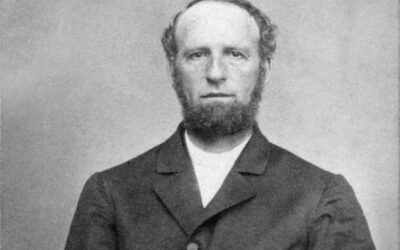
James Springer White, Co-Fundador da Igreja Adventista do Sétimo Dia
James Springer White (1821–1881) foi uma figura chave na Igreja Adventista do Sétimo Dia e marido de Ellen G. White.
James Springer White, cofundador de la Iglesia Adventista del Séptimo Día
James Springer White (1821–1881) fue una figura clave en la Iglesia Adventista del Séptimo Día y el esposo de Elena G. de White.

Kila Kitu Unachohitaji Kujua Kuhusu Chakula cha Siku ya Sabato
Kwa Waadventista Wa Sabato, kushiriki chakula cha Siku ya Sabato pamoja na marafiki na familia ni moja ya sehemu muhimu na ya kumbukumbu ya Sabato.
Nini Maana ya “Mwadventista”?
Waadventista wa Sabato ni dhehebu la Kikristo la Kiprotestanti wanaoshikilia Sabato ya siku ya saba kama ilivyoandikwa katika Biblia.

How to Have a Personal Relationship with Jesus: A 10-Step Guide
How to Have a Personal Relationship with Jesus: A GuideNo matter who you are, you’re surrounded by relationships. Friends, family, colleagues, acquaintances...they all play a part in our lives, for better or worse. So you’re surely aware of a lot of the components...

Biblia Ina Maana Gani Inaposema Yesu ni Mwana wa Mungu?
Biblia inapomwita Yesu Mwana wa Mungu inarejelea uungu wake. Jifunze ni nini kinachofanya hili kuwa muhimu na kinahusianaje na wokovu.

“Go and Sin No More”—What Did Jesus Mean?
These well-known words of Jesus Christ come from two New Testament stories in the book of John—a man healed by the Pool of Bethesda (John 5) and a woman caught in adultery (John 8).

Quais são as Mensagens dos Três Anjos em Apocalipse 14?
As mensagens dos três anjos em Apocalipse 14 advertem o mundo a adorar a Deus, deixar a confusão religiosa e evitar a adoração de tradições humanas em vez dos mandamentos de Deus.

Je! Tunaweza Kuitunza Siku Yoyote ya Wiki Kama Sabato?
Katika sura za kwanza kabisa za Biblia, tunamwona Mungu akianzisha kumbukumbu ya kila wiki na siku ya mapumziko, inayoitwa Sabato (Mwanzo 2:2-3).
¿Cuáles son los mensajes de los tres ángeles en Apocalipsis 14?
Los mensajes de los tres ángeles en Apocalipsis 14 invitan al mundo a adorar a Dios, abandonar la confusión religiosa y evitar la adoración de tradiciones humanas en lugar de los mandamientos de Dios.
Por que muitos Adventistas do Sétimo Dia escolhem uma dieta vegetariana?
Embora nem todo adventista seja vegetariano, muitos evitam completamente o consumo de carne para viver de forma mais saudável, buscando honrar a Deus física, espiritual e mentalmente.

Understanding the Miracles of Jesus Christ
Understanding the Miracles of Jesus ChristWhat do you think of when someone says something is “a miracle”? Maybe you think of an unexpected recovery, surviving a dangerous accident, or getting an answer to a seemingly impossible prayer. Simply put, miracles are...
O que significa “Adventista”?
O que significa "Adventista"?Os Adventistas do Sétimo Dia são uma denominação cristã protestante que observa o sábado bíblico do sétimo dia. A partir dessa crença, eles obtêm a primeira parte de seu nome. Mas e quanto à segunda parte - "Adventista"? “Adventista”...
¿Podemos guardar el sábado bíblico cualquier día de la semana?
En los primeros capítulos de la Biblia, encontramos a Dios estableciendo un memorial semanal y día de reposo, conocido como el sábado (Génesis 2:2-3).
Podemos guardar o Sábado em qualquer dia da semana?
Nos primeiros capítulos da Bíblia, encontramos Deus estabelecendo um memorial semanal e dia de descanso, conhecido como o Sábado (Gênesis 2:2-3).
O que significa a Bíblia quando chama Jesus de Filho de Deus?
Quando a Bíblia chama Jesus de Filho de Deus, está se referindo à Sua divindade. Saiba o que torna isso tão significativo e o que tem a ver com a salvação.
¿Qué creen los Adventistas del Séptimo Día acerca de la Biblia?
La Biblia forma la base de todo lo que los Adventistas del Séptimo Día creen y enseñan.

Legado Duradouro de Ellen G. White
Ellen G. White é um nome bem conhecido entre os Adventistas do Sétimo Dia, mas ela também teve um impacto em muitas outras partes da história, além de ser co-fundadora da Igreja Adventista.

What Does it Mean to Have Faith in Jesus?
What Does it Mean to Have Faith in Jesus?To have faith in Jesus means we place our spiritual hope, trust, belief, and priority in Him as our loving Savior. And that sounds great as an idea. That’s our goal, right? But when we go through difficult times, face...
James Springer White, Mwanzilishi wa Kanisa la Waadventista Wa Sabato
James Springer White (1821–1881) alikuwa mtu muhimu katika Kanisa la Waadventista wa Sabato na mume wa Ellen G. White.
Didn’t find your answer? Ask us!
We understand your concern of having questions but not knowing who to ask—we’ve felt it ourselves. When you’re ready to learn more about Adventists, send us a question! We know a thing or two about Adventists.