
Struggling to think straight? Wondering why you can’t remember that important tidbit you heard earlier today? Feeling like your emotions are about to explode?
These are just some of the symptoms that can reveal your need for rest—that simple yet incredibly effective way to strengthen and repair your body, have a clear mind, and balance your emotions.
But simple as it may be, getting enough rest can be something we so easily set aside.
One in three Americans don’t sleep enough—much less rest in other ways.
Our phones are always pinging, crises are demanding our attention, and responsibilities keep piling higher.
The result of our hurried culture is stress. Stress, in turn, affects sleep. And because people aren’t getting quality sleep, their bodies can’t cope with the stress.1 It becomes a vicious cycle.
You may relate to this cycle. Or you’re wondering about the importance of rest as an Adventist health principle. Either way, stay with us to look at:
How a lack of rest is hurting you

Image by Mojca-Peter from Pixabay
Our bodies cry out when we don’t get enough rest. Those cries can show up as exhaustion, sickness, weight gain, a foggy mind, or a depressed mood.
Let’s look at them in more detail:
Exhaustion
It’s more than just being tired. It’s the feeling that you can’t go on any longer. You feel drained without an ounce of energy left to give.
Sickness
Though the body is amazing at adapting to stress and a lack of rest, it eventually begins to break, too.
Without enough rest, the body’s immune system doesn’t function well. This puts us at greater risk of catching colds and other sicknesses.2
We also set ourselves up for chronic diseases—type 2 diabetes, heart disease, and obesity.3
Weight gain
You know that food you reach for late at night? Your favorite sour cream and onion chips. Or that pint (or half-gallon?) of Rocky Road ice cream.
There’s a reason you choose those foods late at night.
When people don’t get enough sleep, they tend to have less “dietary restraint” and eat more calories than they need. As a result, they have a greater chance of becoming overweight or obese.4
Foggy mind
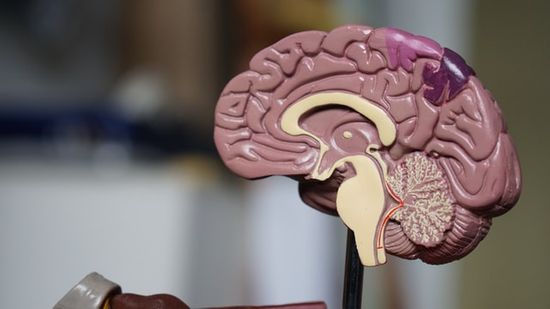
Photo by Robina Weermeijer on Unsplash
The frontal lobe is the part of our brain responsible for analysis, decision-making, and other high-level thought processes. But lack of adequate sleep decreases the activity in this area.5 This makes us less able to focus and remember things.6
When especially tired, the brain begins to experience “microsleeps”—moments of sleep that cause a lapse in attention.7 This is often what happens when drivers fall asleep at the wheel.
Depressive mood
Stress rewires the brain, decreasing frontal lobe activity and ramping up the emotional centers of the brain.8 It’s not surprising then that sleep deprivation and lack of rest affect mood! One study reported that people who struggled with insomnia tended to also have more depressive symptoms.9
By this point, you’re probably ready to make rest a priority in your life. Let’s talk about the benefits you’ll experience.
How rest will benefit you
When we live restful lives, our bodies thank us physically, mentally, and spiritually. We have less illness, a greater ability to cope with stress, and better weight management. We also have clearer minds to focus, make better decisions, learn, and manage moods.
And when our bodies and minds are thriving, our spiritual lives feel the benefit, too. For this reason, Seventh-day Adventists include rest as one of their eight principles of health. Rest allows us to experience the whole-person health God intends for us.
Physical benefits
Going to sleep at regular times triggers the body to produce a hormone called melatonin in response to lower levels of light. This hormone regulates the circadian rhythm.10
Melatonin also:11
- Helps repair the body
- Slows aging
- Boosts the body’s ability to fight disease
- Prevents tumor growth
- Lowers cholesterol and blood pressure levels
- Lowers the risk of heart rhythm problems
Safety is also a major benefit of rest. A rested person will stay awake and pay better attention, preventing driving accidents or other mistakes.
And did we mention that you’ll just feel more energetic? That’s a plus, in and of itself!
Mental benefits
Proper rest is just as important for mental health as it is for physical health. During the sleep cycle, the body goes through five stages with each cycle lasting about 90 minutes. The last of these stages is REM (rapid-eye movement) sleep.12 During REM, the brain processes and consolidates memories and makes connections in the brain.13
Thus, plenty of rest results in:
- Repaired neurons (nerve cells)
- Better memory
- Greater learning ability
- Better judgment14
- Increased focus15
- Better moods and emotional control16
Spiritual benefits
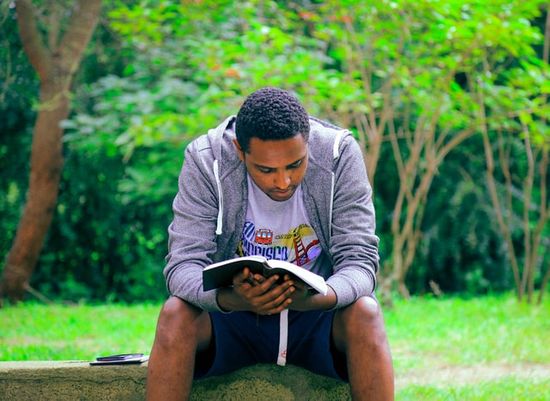
Photo by Gift Habeshaw on Unsplash
Humans are holistic beings whose physical, mental, and spiritual facets are connected. This means that the health of the body and mind affects our connection with God.
By taking time to rest, we’re able to quiet our minds for spiritual practices, such as prayer, study of the Bible, and meditation on Scripture.
Another aspect of spiritual health is self-control and choosing between right and wrong.
Adequate rest helps with that, too. Here’s how:
Sleep deprivation causes people to have greater emotional responses, decreasing self-control. But getting enough sleep increases discernment and the ability to manage ourselves.17
Now, it’s time to get practical. What kind of rest do we need? And how can we incorporate it into our already-crazy lives?
The three types of rest you need
Getting sufficient rest means being intentional about three different types (mentioned by Dr. Neil Nedley in his book, The Lost Art of Thinking):
- Daily rest
- Weekly rest
- Relaxation
Daily rest

Photo by Maks Styazhkin on Unsplash
Daily rest is the one we think of first: sleep. Our bodies need to go through four to five cycles of the stages of sleep. For adults, this amounts to about 7–9 hours of sleep per night.
Follow these steps to get restful sleep and better sleep quality:
- Be consistent with your sleep schedule. Decide on your bedtime and count forward eight hours to determine your wake-up time.
- Catch the hours before midnight. These hours of rest will ensure that you get plenty of deep sleep.
- Avoid alcohol and caffeine. Alcohol may have a relaxing effect, but it actually disrupts sleep quality. Caffeine is a stimulant that could hinder you from sleeping well too, especially if consumed within six hours of bedtime.
- Get daylight and exercise, but don’t exercise too close to bedtime or you may feel wound up.
- Avoid eating less than three hours before bedtime. Your stomach won’t be able to rest during the night if it’s also trying to digest food!
- Turn off bright lights and blue light from screens, as they may affect melatonin production.
- Unwind with a bedtime routine. This can include deep breathing techniques, herbal tea, prayer, stretching, or a warm shower.
- Make your bedroom dark, quiet, and cool. Bright lights and noise can disrupt sleep, while being too warm can prevent you from sleeping deeply.
Weekly rest
Another type of rest our bodies need is a 24-hour period every week to come apart from the daily humdrum. It’s a time to focus on what’s most important in life.

The body runs on a seven-day cycle, as shown by medical research. Certain conditions—like swelling after surgery and chances of organ transplants being rejected—are heightened on the 7th and 14th days.18
But where did this cycle come from?
It comes from Creation week. When God finished making the earth, He rested on the seventh day, known as the Sabbath (Genesis 2:2–3; Exodus 20:8–11). He gave this rest day for us to turn away from secular activity and draw closer to Him and others. It’s for our benefit (Mark 2:28).
Studies of Seventh-day Adventists, who believe in keeping the Sabbath, found that those who didn’t perform secular activities on that day experienced greater mental health.
And even the non-religious tout the value of having one day to disconnect from technology and the demands of society.19
Relaxation
Taking time to relax may seem counterproductive. But it’s not. Even when we take a break from work and the hustle, the brain is unconsciously working and solving problems.
An article in Scientific American describes it like this:
“Downtime replenishes the brain’s stores of attention and motivation, encourages productivity and creativity, and is essential to both achieve our highest levels of performance and simply form stable memories in everyday life.”

Photo by Jessica Rockowitz on Unsplash
Here are some relaxation ideas:
- Unplugging from technology for a planned amount of time.
- Take a short nap (10–20 minutes).
- Spend time outdoors (e.g. exercising, strolling in nature, picnicking, or hiking).
- Go out to lunch with a friend and have a quality conversation.
- Take a restful vacation and time off (meaning don’t cram it too full of activities!).
The key is to find an activity that rejuvenates you.
Going to the source of true rest
If you’re finding yourself fatigued, burnt out, or struggling with other health challenges, rest may be the key to restoring you on every front—body, mind, and spirit.
So, take a look at the three different types of rest again. Which ones do you need to add into your life?
As you do so, your body will thank you. And you’ll be able to face each day with strength, clarity, and peace.
But above all, remember, God is the giver of true rest. Out of love, He gave us the Sabbath for weekly rest, but He also invites us each day:
“Come to Me, all who are weary and heavy-laden, and I will give you rest” (Matthew 11:28, NASB).
Choose an Online Bible Study
Want to keep learning? Find out more about Jesus, humanity, the plan of salvation, and how God loves you enough to sacrifice everything, just to give you a chance to choose Him.
Sometimes it can be hard to know where to start, that’s why we offer free, user-friendly, online Bible study options you can do anytime, anywhere, and at your own pace.
This online Bible school will take you through the major themes of Scripture, breaking down the Bible’s complex concepts into bite-sized pieces, which can lead you toward the answers of life’s more challenging questions.
- Nedley, Neil, The Lost Art of Thinking (Nedley Publishing, Ardmore, OK, 2011), p. 260. [↵]
- Ibid., p. 261. [↵]
- “Sleep and Chronic Disease,” Centers for Disease Control and Prevention, August 8, 2018. [↵]
- Markwald et al., “Impact of Insufficient Sleep on Total Daily Energy Expenditure, Food Intake, and Weight Gain,” PNAS, vol. 110(14), 2013, pp. 5695–5700. [↵]
- Nedley, Neil, The Lost Art of Thinking (Nedley Publishing, Ardmore, OK, 2011), p. 258–259. [↵]
- P. Alhola and P. Polo-Kantola, “Sleep Deprivation: Impact on Cognitive Performance,” Neuropsychiatr Dis Treat., vol. 3(5), 2007, pp. 553–567. [↵]
- Krause et al., “The Sleep-Deprived Human Brain,” Nat Rev Neurosci, vol. 18(7), 2017, pp. 404–407. [↵]\
- “Protect Your Brain from Stress,” Harvard Health Publishing, health.harvard.edu, Feb. 15, 2021. [↵]
- Hayley et al., “The Relationships Between Insomnia, Sleep Apnoea and Depression,” Aust N Z J Psychiatry, vol. 49(2), 2015, pp. 156–70. [↵]
- Nedley, Neil, The Lost Art of Thinking (Nedley Publishing, Ardmore, OK, 2011), p. 262. [↵]
- Ibid., p. 262. [↵]
- “Natural Patterns of Sleep,” Harvard Medical School. [↵]
- Nedley, Neil, The Lost Art of Thinking (Nedley Publishing, Ardmore, OK, 2011), p. 258 [↵]
- Ibid., p. 258 [↵]
- A. Krause et al., “The Sleep-Deprived Human Brain,” Nat Rev Neurosci, vol. 18(7), 2017, pp. 404–407. [↵]
- Hayley et al., “The Relationships Between Insomnia, Sleep Apnoea and Depression,” Aust N Z J Psychiatry, vol. 49(2), 2015, pp. 156–70. [↵]
- Gujar et al., “Sleep Deprivation Amplifies Reactivity of Brain Reward Networks,” The Journal of Neuroscience, vol. 31(12), 2011, pp. 4466–4474. [↵]
- Nedley, Neil, The Lost Art of Thinking (Nedley Publishing, Ardmore, OK, 2011), p. 264. [↵]
- Miller, Emily, “The Science of Sabbath,” Religion News Service, Sept. 25, 2019. [↵]
Related Articles



More Answers

Where Do We Go When We Die?
For those of us who’ve lost loved ones or faced serious health issues, we can’t help but wonder about life after death.

What is the Difference Between Grace and Mercy in the Bible?
Even in day-to-day life, we can see glimpses of grace and mercy—like when someone offers an angry, impatient person their spot in a line or when a parent hugs their child after a heated argument.

Waadventista Wasabato Wanatafsiri Vipi Unabii wa Biblia?
Jifunze zaidi kuhusu jinsi Waadventista wanavyotafsiri unabii katika Biblia—hasa katika vitabu kama Danieli na Ufunuo.
Urithi wa Kudumu wa Ellen G. White
Urithi wa Kudumu wa Ellen G. WhiteEllen G. White ni jina linalojulikana sana miongoni mwa Waadventista wa Sabato, lakini pia aliathiri sehemu nyingi za historia, mbali na kuwa mwanzilishi wa Kanisa la Waadventista wa Sabato. Ndiyo maana Jarida la Smithsonian...

¿Cómo interpretan la profecía bíblica los Adventistas del Séptimo Día?
Aprende más sobre cómo los Adventistas interpretan la profecía en la Biblia, especialmente en libros como Daniel y Apocalipsis.
Como os Adventistas do Sétimo Dia interpretam a profecia bíblica?
Saiba mais sobre como os Adventistas abordam a interpretação da profecia na Bíblia—especialmente nos livros como Daniel e Apocalipse.

Lo que necesitas saber sobre la tentación y cómo resistirla
¿Alguna vez has sentido que enfrentas la misma tentación día tras día? ¿La tentación que siempre parece resurgir?

What Jesus Meant by “Take Up Your Cross”
Whether you’ve spent a day or a decade around Christian circles, you’ve probably heard the phrase, “Pick up your cross.”

Je, Waadventista Wasabato Wana “Sheria”?
Tunashikilia kanuni tunazoamini zitasaidia kuweka uhusiano wa karibu na Yesu na Neno lake. Jifunze jinsi kanuni hizi zinavyo-ongoza mtindo wa maisha wa Waadventista.
El legado de Elena G. de White
El legado de Elena G. de WhiteyElena G. de White es un nombre muy conocido entre los Adventistas del Séptimo Día, pero también tuvo un impacto en muchas otras partes de la historia, además de ser cofundadora de la Iglesia Adventista. Por eso, la revista Smithsonian la...

All of Jesus’ Warnings and Encouragements in the Bible
Here’s a comprehensive list of every warning and encouragement from the words of Jesus, as well as how they can benefit our lives today.
¿Los Adventistas del Séptimo Día tienen “reglas”?
Sostenemos principios que creemos que nos ayudarán a mantener una relación más cercana con Jesús y su Palabra. Aprende cómo estos principios guían los estilos de vida adventistas.
Os Adventistas do Sétimo Dia têm “regras”?
Defendemos princípios que acreditamos nos ajudar a manter um relacionamento mais próximo com Jesus e com Sua Palavra. Saiba como esses princípios orientam o estilo de vida adventista.

Películas Adventistas: donde la fe y el cine se encuentran
La misión de la Iglesia Adventista del Séptimo Día desde el principio ha sido compartir la verdad de Dios en la Biblia.
Filmes Adventistas: Onde a Fé e o Cinema se Encontram
A missão da Igreja Adventista do Sétimo Dia desde o início tem sido compartilhar a verdade de Deus na Bíblia.

¿Por qué algunas Biblias tienen más libros que otras?
Los cristianos consideran la Biblia como sus escrituras sagradas. Pero dentro del cristianismo, diferentes denominaciones utilizan Biblias con cantidades diferentes de libros.
Por que algumas Bíblias têm mais livros do que outras?
Os cristãos consideram a Bíblia como suas escrituras sagradas. Mas dentro do Cristianismo, diferentes denominações usam Bíblias com números diferentes de livros.
O que você precisa saber sobre a tentação e como resistir a ela
Já se sentiu como se enfrentasse a mesma tentação dia após dia? Aquela tentação que sempre parece ressurgir?

O que os Adventistas do Sétimo Dia acreditam sobre a Bíblia?
A Bíblia forma a base de tudo o que os Adventistas do Sétimo Dia acreditam e ensinam.

Waadventista Wa Sabato wanaamini nini kuhusu Ubatizo?
Kama Wakristo wengi wa Kiprotestanti ulimwenguni kote na katika historia, Kanisa la Waadventista wa Sabato linaamini katika ubatizo, sherehe ambapo watu huzamishwa ndani ya maji kudhihirisha hadharani “kufa kwa maisha ya zamani” na “kuanza kwa maisha mapya katika Kristo”.

Jinsi Waadventista Wanavyoshughulikia Kifo na Mazishi
Mazishi mengi ya Waadventista wa Sabato yanafanana na yale ya madhehebu mengine ya Kiprotestanti, kama vile Wamethodisti, Wabatisti, au Wapresbiteri, lakini unaweza kupata tofauti chache au taratibu za pekee.
O que os Adventistas do Sétimo Dia acreditam sobre o batismo?
Assim como muitos cristãos protestantes em todo o mundo e ao longo da história, a Igreja Adventista do Sétimo Dia crê no batismo por imersão
¿Qué creen los Adventistas del Séptimo Día sobre el bautismo?
Al igual que muchos cristianos protestantes en todo el mundo y a lo largo de la historia, la Iglesia Adventista del Séptimo Día cree en el bautismo por inmersión

Does Jesus Really Care About Me?
Does Jesus Really Care About Me?Short answer: yes, Jesus really does care about you, specifically (1 Peter 5:7, ESV). But if you’re wondering whether Jesus Christ really, truly cares about you, you aren’t alone. Gideon, Abraham and Sarah, Job, Jeremiah, Elijah, even...
Filamu za Kiadventista: Mahali Imani na Filamu Zinapokutana
Tangu mwanzo, lengo la Kanisa la Waadventista wa Sabato limekuwa kueneza kweli ya Mungu katika Biblia.
Kwanini Baadhi ya Biblia Zina Vitabu Vingi Kuliko Zingine?
Wakristo wanachukulia Biblia kama maandiko yao matakatifu. Lakini ndani ya Ukristo, madhehebu tofauti hutumia Biblia zenye idadi tofauti ya vitabu.

Fe y obras: ¿Importan ambas en la vida de un cristiano?
En tantas religiones a lo largo del tiempo, los individuos trabajan hacia la iluminación, la salvación o el favor de una deidad.
Cómo los Adventistas manejan la muerte y los funerales
La mayoría de los servicios funerarios Adventistas del Séptimo Día son similares a los de otras denominaciones protestantes, como los metodistas, bautistas y presbiterianos, pero podrías encontrar algunas diferencias o matices únicos.
Didn’t find your answer? Ask us!
We understand your concern of having questions but not knowing who to ask—we’ve felt it ourselves. When you’re ready to learn more about Adventists, send us a question! We know a thing or two about Adventists.