
The Bible is full of beautiful promises that can comfort us in a variety of situations. They can give us hope when we are hopeless, make us feel grateful for God’s love, and comfort us when we’re grieving or suffering.
God’s Word is especially useful for times of worry, or when you have an anxious heart. And there are so many Bible verses in Scripture that talk about exactly that! It’s one of the most significant side effects of sin.
So if you’ve ever felt fearful about the future, your health (or that of a loved one), making a difficult decision…and the endless list of things that can cause us to worry, we’ll highlight some promises in the Bible that can assure you of our Heavenly Father’s care and protection, no matter the circumstances.
Specifically, we’ll talk about promises for when these 7 common circumstances cause us to worry:
- Basic necessities, like food and clothing
- The future
- Health for yourself or a loved one
- Safety
- Suffering
- Facing a difficult task or decision
- Guilt and shame
Let’s explore the Word of God together and discover how to depend on the Lord for all our worries.
1.Basic necessities
Paul says that “God shall supply all your need[s] according to His riches in glory by Christ Jesus” (Philippians 4:19, NKJV).
And to demonstrate this, Jesus pointed us to observe how He takes care of His creation.
In His famous Sermon on the Mount, Jesus spends a significant amount of time talking about not worrying. He highlights a few necessities specifically: food and clothing.
Let’s look at promises about both of these basic needs.
Having enough to eat
Concerning food, He pointed us to God’s care for birds, saying:
“Look at the birds of the air, for they neither sow nor reap nor gather into barns; yet your heavenly Father feeds them. Are you not of more value than they?” (Matthew 6:26, NKJV).
He concluded by asking a very sobering question:
“And which of you by being anxious can add a single hour to his span of life?” (Matthew 6:27, ESV).
You and I know the answer, right?
Instead of worrying, we’d be much better off trusting God.
Having clothes to cover us

Photo by Sarah Brown on Unsplash
About clothing, Jesus Himself asked, “So why do you worry about clothing?” (Matthew 6: 28, NKJV).
And to show us why we don’t need to worry about this, He pointed us to His care for flowers, saying:
“Consider the lilies of the field, how they grow: they neither toil nor spin; and yet I say to you that even Solomon in all his glory was not arrayed like one of these.
Now if God so clothes the grass of the field, which today is, and tomorrow is thrown into the oven, will He not much more clothe you, O you of little faith?” (Matthew 6:28-30, NKJV).
He asks us not to worry “saying, ‘What shall we eat?’ or ‘What shall we drink?’ or ‘What shall we wear?’” (Matthew 6:31, NKJV).
In fact, He takes it deeper when He says: “Do not be anxious about your life, what you will eat or what will drink, nor about your body, what you will put on” (Matthew 6:25, ESV).
He then puts our worries into proper perspective when He asks, “Isn’t life more than food and the body more than clothing?” (Luke 12:30, ESV).
He says that you don’t have to worry because “your Father knows that you need them” (Matthew 6:32, NKJV).
But He tells us what our one priority should be. The one thing that He is looking for in us in order to supply all our needs. He says:
“But seek first the kingdom of God and His righteousness, and all these things shall be added to you” (Matthew 6:33, NKJV).
When we do this, the peace of Christ will grow in our hearts.
2. When worried about the future
This is definitely a relatable worry. Most of us, at one point or another, have worried about the future and thought about all of the “what-ifs.” But, we can’t see the future, and we can’t control the future. Which ultimately makes this kind of worrying futile.
What does the Bible say?
Well, the Bible tells us again and again that when we depend on God, He will guide our futures.
In fact, Solomon, whom God gave the gift of wisdom to, reminds us:
“Trust in the Lord with all your heart, and do not lean on your own understanding. In all your ways acknowledge Him, and He will make straight your paths” (Proverbs 3:5-6, ESV).
If we trust in God instead of trying to control the future, we can feel confident that the Holy Spirit will guide us.
This topic comes up again when Jesus is preaching the Sermon on the Mount.
He saw our tendency to crowd our lives with thoughts of what the future will bring. So He told us:
“Therefore do not worry about tomorrow, for tomorrow will worry about its own things. Sufficient for the day is its own trouble” (Matthew 6:26-34, NKJV).
With God by our side, we can trust Him with the future and “be strong and courageous” no matter what (Joshua 1:6, ESV).
3. When worried about your health
Health is something we tend to take for granted when we have it, and sorely miss when we don’t.
God, Himself, gave specific laws to the children of Israel that had to do with everything about their lives. They even included practices which promoted a very healthy lifestyle.
But we live in a sinful world, and even if someone does everything they can to be healthy, they may still experience poor health or serious illness.
Yet, the Bible gives us hope both for this life and the life to come.
The Psalmist also wrote that God will deliver the righteous “from the perilous pestilence (disease).” That no “plague (diseases) [shall] come near your dwelling.” And He will satisfy you “with long life” (Psalm 91:3,10; Psalm 91:16, NKJV).
God also promises to carry our burdens for us, which can give us mental strength during times of illness:
“Cast your burden on the Lord, and He will sustain you” (Psalm 55:22, ESV).
4. When worried about your safety
 To show just how much Jesus watches to ensure we are kept safe, He pointed to God’s watch-care for sparrows.
“Are not two sparrows sold for a penny? And not one of them will fall to the ground apart from your Father. But even the hairs of your head are all numbered. Fear not, therefore; you are of more value than many sparrows” (Matthew 10:29-31, ESV).
In Psalm 91, God also promises to be your shield and buckler. To be your refuge and fortress. That “He shall give His angels charge over you, to keep you in all your ways” (Psalm 91:11, NKJV).
And even though “a thousand may fall at your side, and ten thousand at your right hand,” He will not allow evil to “come near you” (Psalm 91:7, NKJV).
Another one of the Psalms, Psalm 23, also expresses how God will protect us:
“Even though I walk through the valley of the shadow of death, I will fear no evil, for you are with me” (Psalm 23:4, ESV).
In Psalm 27, 56, 46, 94, and 121, we are reassured that even if we do face danger, humans cannot take away our eternal salvation:
“The Lord is my light and my salvation; whom shall I fear? The Lord is the stronghold of my life; of whom shall I be afraid? (Psalm 27:1, ESV).
“In God, whose word I praise, in God I trust; I shall not be afraid. What can flesh do to me?” (Psalm 56:4, ESV).
“God is our refuge and strength, a very present help in trouble. Therefore we will not fear though the earth gives way, though the mountains be moved into the heart of the sea, though its waters roar and foam, though the mountains tremble at its swelling” (Psalm 46:1-3, ESV).
“When I thought, ‘my foot slips,’ Your steadfast love, O Lord, held me up. When the cares of my heart are many, Your consolations cheer my soul” (Psalm 94:18-19, ESV).
“The Lord will keep your going out and your coming in from this time forth and forevermore” (Psalm 121:8, ESV).
So, every time you start worrying about your safety, turn to the book of Psalms!
You’ll find very precious promises of God’s watch and care for the righteous.
5. When you’re afraid of suffering or pain
As human beings in a sinful world, we are bound to experience suffering or see someone we love suffer.
And it hurts. It just hurts.
And seeing that this could be one more thing that can worry us as we anticipate it, Jesus left us a promise for it, too. He said:
“I have told you these things so that in Me you may have peace. You will have suffering in this world. Be courageous! I have conquered the world” (John 16:33, CSB).
The apostle Paul took this promise seriously, and it worked for him.
In his suffering, he prayed to God and asked Him to remove it. God’s response to him was, “My grace is sufficient for you, for My strength is made perfect in weakness” (2 Corinthians 12:9-10, NKJV).
So, with God’s help, he dealt with his anxieties about his difficult situation until he could say:
“Therefore most gladly I will rather boast in my infirmities, that the power of Christ may rest upon me. Therefore I take pleasure in infirmities, in reproaches, in needs, in persecutions, in distresses, for Christ’s sake. For when I am weak, then I am strong” (2 Corinthians 12:9-10, NKJV).
And through prayer and trust in God, you, too, can have such strength even in the hardest situations.
6. When faced with a difficult task or decision

Photo by Helena Lopes on Unsplash
At times, we are faced with big decisions—times when there’s so much at stake that we fear making the wrong decision, or not choosing the best option.
This could be a decision on a business deal. One that either means big profits for your company or bankruptcy.
Or you may be required to take on a responsibility that you feel unprepared for. Like becoming a new parent. Or taking on a demanding job, or having to care for a disabled spouse after an accident, or deciding whether or not to let your teenager do a/b/c/d…
In times like these, God says:
Do not fear, for I am with you; do not be afraid, for I am your God. I will strengthen you; I will help you; I will hold on to you with My righteous right hand (Isaiah 41:10, CSB).
And this is not the only place that God tells us not to fear.
Depending on what Bible translation you use, there are so many times in the Bible when God tells us “Do not fear” or “Do not be afraid.”
This tells you that there’s no need to fear because God’s got your back!
In Psalm 34, David writes that God delivered him from his fears, and He will do the same for you if you trust Him completely.
7. When harassed by guilt and shame

You may be worried that God will not accept you because of your past. Or maybe you worry that your past will make you unacceptable to anyone else you befriend.
Maybe you have gone through all these promises in this post, and thought they don’t apply to you because of things you have done. It could be you’ve made mistakes that you have regrets about.
Whether only you know about them or the whole world knows about it, know that God knows, too. And the good news is that He doesn’t want you to keep worrying over whether or not He accepts you.
All He wants you to do is come to Him as you are, confessing your sin to Him in repentance. A good example of such repentance is found in Psalm 51.
And His promise to you is:
“I, even I, am the one who wipes out your transgressions for My own sake; And I will not remember your sins” (Isaiah 43:25, NASB).
And whenever you find yourself doubting His forgiveness and acceptance, hear Him saying to you:
“Let not your heart be troubled; you believe in God, believe also in Me” (John 14:1, NKJV).
Believe Him when He tells you that all these promises can be yours, too, if you trust Him. Trust Him as the one who has your best interest at heart. The one who has you under His constant watch care because you are His.
The peace of God can be in your heart:
“And let the peace of Christ rule in your heart” (Colossians 3:15, ESV).
He is the one who tells you, “Fear not, for I have redeemed you; I have called you by your name; You are Mine” (Isaiah 43:1, NKJV).
And as you go on to live your life fearless and worry free, always remember Jesus Christ sends you out each day saying:
“Peace I leave with you. My peace I give to you. I do not give to you as the world gives. Don’t let your heart be troubled or fearful” (John 14:27, CSB).
Use some of these verses and claim the promises of God in your next devotional time and find peace and rest for your soul.
Want to learn more about how you can have peace in your life through Jesus? Read this page next: 12 practical ways to overcome fear and worry!
Choose an Online Bible Study
Want to keep learning? Find out more about Jesus, humanity, the plan of salvation, and how God loves you enough to sacrifice everything, just to give you a chance to choose Him.
Sometimes it can be hard to know where to start, that’s why we offer free, user-friendly, online Bible study options you can do anytime, anywhere, and at your own pace.
This online Bible school will take you through the major themes of Scripture, breaking down the Bible’s complex concepts into bite-sized pieces, which can lead you toward the answers of life’s more challenging questions.
More Answers

¿Por qué muchos Adventistas del Séptimo Día eligen una dieta vegetariana?
¿Por qué muchos Adventistas del Séptimo Día eligen una dieta vegetariana?Puede que tengas un amigo adventista que sea vegetariano, o tal vez estés asistiendo a una Iglesia Adventista del Séptimo Día por primera vez y notes que en la comida compartida no hay carne....

What is Jesus’ Parable of the Sower About?
The parable of the sower is ultimately about how people responded to Jesus Christ and His message of the kingdom of God—the Gospel.

O que os Adventistas do Sétimo Dia acreditam sobre o Grande Conflito (Bem vs. Mal)?
O “Grande Conflito” é a frase que os Adventistas do Sétimo Dia normalmente usam para descrever o conflito espiritual cósmico entre as forças do bem (Deus) e as forças do mal ou do pecado (Satanás/o diabo).

Was Jesus Ever Hypocritical? Learn What the Bible Says.
Was Jesus Ever Hypocritical? Learn What the Bible SaysMany undesirable traits are associated with hypocrisy. But overall, hypocrites intentionally try to make others believe they uphold or represent a certain belief system, character trait, lifestyle, etc., when in...

Kukatishwa Tamaa Kukuu na Kile Tunachojifunza
Wafuasi wa Miller walitabiri kurudi kwa Kristo Oktoba 22, 1844, lakini Yesu hakuja kamwe. Tukio lingine lilitokea. Gundua kilichotokea kweli na Kukatishwa Tamaa Kukuu kunaweza kutufundisha leo.

When in Doubt: 7 Ways Christians Can Manage Uncertainty
When in Doubt: 7 Ways Christians Can Manage UncertaintyFew things in life are truly certain. And no matter how convinced some people can appear on the surface, no one is immune to doubt. And this isn’t a bad thing. Doubt has a purpose. A role to serve. (Just imagine...
El gran chasco y las lecciones que nos enseña
Los Milleritas predijeron el regreso de Cristo el 22 de octubre de 1844, pero Jesús nunca llegó. Ocurrió otro evento. Descubre lo que realmente sucedió y qué puede enseñarnos hoy El gran chasco.

Is Jesus the Same Being as Michael the Archangel?
Many Christians have wondered at the mysterious identity of Michael the Archangel.
A Grande Desapontamento e Lições que nos Ensina
Os Milleritas previram o retorno de Cristo em 22 de outubro de 1844, mas Jesus nunca chegou. Outro evento ocorreu. Descubra o que realmente aconteceu e o que o Grande Desapontamento pode nos ensinar hoje.
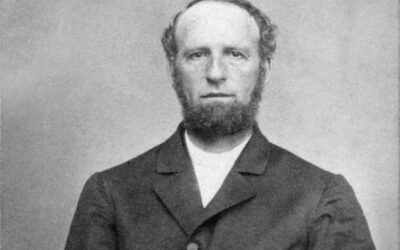
James Springer White, Co-Fundador da Igreja Adventista do Sétimo Dia
James Springer White (1821–1881) foi uma figura chave na Igreja Adventista do Sétimo Dia e marido de Ellen G. White.
James Springer White, cofundador de la Iglesia Adventista del Séptimo Día
James Springer White (1821–1881) fue una figura clave en la Iglesia Adventista del Séptimo Día y el esposo de Elena G. de White.

Kila Kitu Unachohitaji Kujua Kuhusu Chakula cha Siku ya Sabato
Kwa Waadventista Wa Sabato, kushiriki chakula cha Siku ya Sabato pamoja na marafiki na familia ni moja ya sehemu muhimu na ya kumbukumbu ya Sabato.
Nini Maana ya “Mwadventista”?
Waadventista wa Sabato ni dhehebu la Kikristo la Kiprotestanti wanaoshikilia Sabato ya siku ya saba kama ilivyoandikwa katika Biblia.

How to Have a Personal Relationship with Jesus: A 10-Step Guide
How to Have a Personal Relationship with Jesus: A GuideNo matter who you are, you’re surrounded by relationships. Friends, family, colleagues, acquaintances...they all play a part in our lives, for better or worse. So you’re surely aware of a lot of the components...

Biblia Ina Maana Gani Inaposema Yesu ni Mwana wa Mungu?
Biblia inapomwita Yesu Mwana wa Mungu inarejelea uungu wake. Jifunze ni nini kinachofanya hili kuwa muhimu na kinahusianaje na wokovu.

“Go and Sin No More”—What Did Jesus Mean?
These well-known words of Jesus Christ come from two New Testament stories in the book of John—a man healed by the Pool of Bethesda (John 5) and a woman caught in adultery (John 8).

Quais são as Mensagens dos Três Anjos em Apocalipse 14?
As mensagens dos três anjos em Apocalipse 14 advertem o mundo a adorar a Deus, deixar a confusão religiosa e evitar a adoração de tradições humanas em vez dos mandamentos de Deus.

Je! Tunaweza Kuitunza Siku Yoyote ya Wiki Kama Sabato?
Katika sura za kwanza kabisa za Biblia, tunamwona Mungu akianzisha kumbukumbu ya kila wiki na siku ya mapumziko, inayoitwa Sabato (Mwanzo 2:2-3).
¿Cuáles son los mensajes de los tres ángeles en Apocalipsis 14?
Los mensajes de los tres ángeles en Apocalipsis 14 invitan al mundo a adorar a Dios, abandonar la confusión religiosa y evitar la adoración de tradiciones humanas en lugar de los mandamientos de Dios.
Por que muitos Adventistas do Sétimo Dia escolhem uma dieta vegetariana?
Embora nem todo adventista seja vegetariano, muitos evitam completamente o consumo de carne para viver de forma mais saudável, buscando honrar a Deus física, espiritual e mentalmente.

Understanding the Miracles of Jesus Christ
Understanding the Miracles of Jesus ChristWhat do you think of when someone says something is “a miracle”? Maybe you think of an unexpected recovery, surviving a dangerous accident, or getting an answer to a seemingly impossible prayer. Simply put, miracles are...
O que significa “Adventista”?
O que significa "Adventista"?Os Adventistas do Sétimo Dia são uma denominação cristã protestante que observa o sábado bíblico do sétimo dia. A partir dessa crença, eles obtêm a primeira parte de seu nome. Mas e quanto à segunda parte - "Adventista"? “Adventista”...
¿Podemos guardar el sábado bíblico cualquier día de la semana?
En los primeros capítulos de la Biblia, encontramos a Dios estableciendo un memorial semanal y día de reposo, conocido como el sábado (Génesis 2:2-3).
Podemos guardar o Sábado em qualquer dia da semana?
Nos primeiros capítulos da Bíblia, encontramos Deus estabelecendo um memorial semanal e dia de descanso, conhecido como o Sábado (Gênesis 2:2-3).
O que significa a Bíblia quando chama Jesus de Filho de Deus?
Quando a Bíblia chama Jesus de Filho de Deus, está se referindo à Sua divindade. Saiba o que torna isso tão significativo e o que tem a ver com a salvação.
¿Qué creen los Adventistas del Séptimo Día acerca de la Biblia?
La Biblia forma la base de todo lo que los Adventistas del Séptimo Día creen y enseñan.

Legado Duradouro de Ellen G. White
Ellen G. White é um nome bem conhecido entre os Adventistas do Sétimo Dia, mas ela também teve um impacto em muitas outras partes da história, além de ser co-fundadora da Igreja Adventista.

What Does it Mean to Have Faith in Jesus?
What Does it Mean to Have Faith in Jesus?To have faith in Jesus means we place our spiritual hope, trust, belief, and priority in Him as our loving Savior. And that sounds great as an idea. That’s our goal, right? But when we go through difficult times, face...
James Springer White, Mwanzilishi wa Kanisa la Waadventista Wa Sabato
James Springer White (1821–1881) alikuwa mtu muhimu katika Kanisa la Waadventista wa Sabato na mume wa Ellen G. White.
Didn’t find your answer? Ask us!
We understand your concern of having questions but not knowing who to ask—we’ve felt it ourselves. When you’re ready to learn more about Adventists, send us a question! We know a thing or two about Adventists.