
Do your choices, actions, and habits really matter to your eternal destiny? Or is the path you choose in life predetermined, and your life is just following a script that’s been laid out for you?
If you’ve ever wondered about these things, you’re not alone. These questions have been the subject of much discussion, especially in Christian circles.
Some believe that God has already decided who will be saved and who won’t be—a teaching called the doctrine of predestination.
But in this post, you’ll see that God’s desire is for each and every one of us to be saved, and He’s provided everything to make that possible (2 Peter 1:3). The determining factor is whether we’ll accept His salvation or not.
Here’s what we’ll explore on this topic:
- What predestination is
- What the Bible says about predestination
- Bible passages that seem to teach predestination
First, let’s understand what people typically mean when they use the term predestination.
What is predestination?

Photo by Vladislav Babienko on Unsplash
Predestination is the belief that God has already determined our eternal destinies—whether we’ll be saved or lost—and that our choices or actions make no difference in the matter. The idea of some being chosen for eternal life is referred to as election. And that of some being chosen for destruction is called reprobation. Together, they are called double predestination.1
The word predestination comes from the Greek proorizo, which simply means to direct someone or something to a particular goal.2 The exact word is used six times in the New Testament (we’ll look at them in a later section), though other verses have been interpreted to support the doctrine.3
For example, some use Romans 9:15, which quotes God’s words to Moses:
“I will have mercy on whomever I will have mercy, and I will have compassion on whomever I will have compassion” (NKJV).
But what we have to figure out is this: What does the Bible as a whole say on this topic? And is this teaching consistent with God’s character?
What’s more, think about the implications of predestination:
It may lead some to see no need for repentance if they believe they are predestined to be saved. Or others may resign to living a sinful life, thinking they’re predestined to be lost anyways. Still, others may see no need for evangelism, arguing that if God already knows who will be saved, why try to convince anyone of their need for salvation?
And reading this, you may feel frustrated and confused, wondering, Why would God decide our destiny without our consent? Or you may fear that you’re predestined to be lost.
The good news is you don’t need to fear. The Bible’s teaching on this is one of hope and assurance that we all have the opportunity to be saved into the kingdom of God.
But before we get into that, let’s take a quick peek at how this doctrine developed in the course of Christian history.
Where did the doctrine of predestination come from?
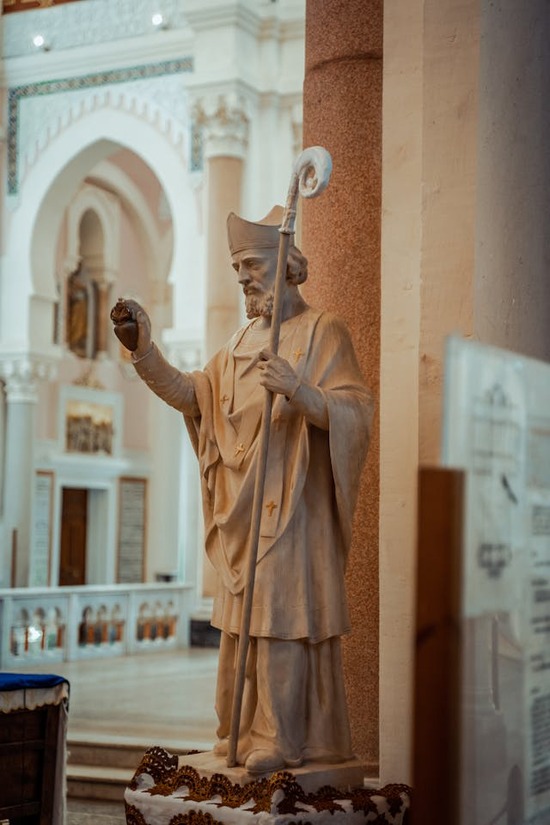
Photo by Radwan Menzer
The beginnings of predestination as a doctrine can be traced to church father Augustine of Hippo in the fourth and fifth centuries. He taught that we’re free to follow our desires, but we can’t decide what those desires are.
He also argued that because of our sinful natures after the Fall, we’re not able to obey God’s laws unless God chooses to save us through election by grace. This teaching came to be known as unconditional election.4
Interestingly, Augustine’s teaching was similar to something taught by Aristotle and other Greek philosophers around the same time: fatalism. This is the idea that our destiny depends on fate.5 It’s possible that Augustine was influenced by this idea.
But before Augustine, the apostles and the early church had always taught that the gift of salvation is available to all, and we have the free will to accept or reject it.6 Even earlier church fathers like Tatian (AD 160), Irenaeus (AD 130–200), Tertullian (AD 160–220), and Origen (AD 185–254) didn’t believe in predestination.
But after Augustine, the new belief took root and continued into the Protestant Reformation, where reformers like Martin Luther, Zwingli, and John Calvin believed in it.
In the late 16th and early 17th centuries, though, a Dutch theologian by the name of James (or Jacob) Arminius countered this teaching. He said:
“The scriptures know no election by which God precisely and absolutely has determined to save anyone without having first considered him as a believer.”7
Drawing its argument from Scripture, this teaching came to be known as Arminianism and drew a great following in later centuries.
Today, some Christian denominations still believe in predestination, while many others, including the Seventh-day Adventist Church, believe in Arminianism.
But to find out exactly why Adventists believe in this, let’s look into Scripture.
What does the Bible say about predestination?

Photo by Aaron Owens on Unsplash
Scripture shows that God wants all of us to be saved and no one to be lost. But at the same time, He won’t force anyone to choose Him. That means that no matter how much He wants us to be saved, He allows us to decide whether we’ll receive His gift.
And here’s why:
The Bible tells us that God is love (1 John 4:8). And out of His great love for us, He wants to save us from the curse of sin that Adam and Eve fell into in the Garden of Eden (1 Timothy 2:4).
But for true love to exist, there has to be complete freedom—the freedom to choose to receive God’s love and reciprocate it. Otherwise, if God forced us to love Him, we would be like robots.
And that’s not really love at all.
God wants a relationship with us in which we’ve chosen Him because we know who He really is. For that reason, Jesus came to reveal the character of God so that we could choose to serve Him out of love. He draws us rather than using force or determining our destinies for us (Jeremiah 31:3).
And that’s all of us. We know this because of verses like Titus 2:11:
“For the grace of God has appeared, bringing salvation for all people” (ESV).
When Paul wrote this letter to Titus, a church elder who was a Gentile convert to Christianity, many Jewish Christians still believed they were God’s elect by the fact that they were Abraham’s descendants. But Paul wanted to clarify that anyone who accepts the gospel will be saved.
Other Bible verses teach the same thing:
- “As I live, saith the Lord God, I have no pleasure in the death of the wicked; but that the wicked turn from his way and live” (Ezekiel 33:11, NKJV).
- God “desires all people to be saved and to come to the knowledge of the truth” (1 Timothy 2:4, ESV).
- “The Lord is…not willing that any should perish, but that all should come to repentance” (2 Peter 3:9, NKJV).
Jesus Christ Himself welcomed all to Him when He said, “Come to Me, all of you who are weary and burdened, and I will give you rest” (Matthew 11:28, CSB). Who hasn’t felt weary and burdened at one point or another? This promise, then, applies to every person who has ever lived!
And the famous verse, John 3:16, says:
“For God so loved the world that He gave His only begotten Son, that whoever believes in Him should not perish but have everlasting life” (NKJV).
We are all free to accept or reject that invitation of salvation (Matthew 22:14; 20:16).
Otherwise, why would it be necessary to preach the gospel (Matthew 28:18–20) or pray for the salvation of others (Romans 10:1) if God has already decided everyone’s destinies?
God will never force anyone to receive His love. But when we do receive it, He offers us the comfort and assurance of salvation. We can walk with Him in faith, not having to worry about or question it.
You may be wondering, though, what about the passages in the Bible that seem to support predestination? Let’s take a look at them next.
Bible passages that seem to teach predestination
Proorizo, the Greek root for the word predestine, shows up in the Bible six times in the following four verses:
- “For whom He foreknew, He also predestined to be conformed to the image of His Son, that He might be the firstborn among many brethren. Moreover whom He predestined, these He also called; whom He called, these He also justified; and whom He justified, these He also glorified.” (Romans 8:29–30, NKJV).
- “Having predestined us to adoption as sons by Jesus Christ to Himself, according to the good pleasure of His will…. In Him also we have obtained an inheritance, being predestined according to the purpose of Him who works all things according to the counsel of His will” (Ephesians 1:5, NKJV; Ephesians 1:11, NKJV).
- “To do whatever Your hand and Your purpose determined before [proorizo] to be done” (Acts 4:28, NKJV).
- “But we speak the wisdom of God in a mystery, the hidden wisdom which God ordained [proorizo] before the ages for our glory” (1 Corinthians 2:7, NKJV).
A close look shows that all of these verses use the word predestined or proorizo in the context of God wanting us to be saved—all of us.
Romans 8:29–30
“For whom He foreknew, He also predestined to be conformed to the image of His Son, that He might be the firstborn among many brethren. Moreover whom He predestined, these He also called; whom He called, these He also justified; and whom He justified, these He also glorified” (NKJV).

Photo by Ivan Samkov
In this passage, Paul looks confidently to the future, knowing that God’s purpose is for everything to work for good for those who love Him (Romans 8:28). And those who love God are those who have accepted His call, the call for everybody to receive the gift of salvation.8
Verses 29 and 30 show the stages through which God takes those who accept this gift.
Verse 29 begins by acknowledging God’s foreknowledge.
God knows what will happen in the future because He is all-knowing (Hebrews 4:13). Isaiah 46:10 says He declares the end from the beginning. He knows the past, the present, and the future, and that’s what makes Him God. But just because God knows what will happen in the future doesn’t mean that He controls the outcomes or our decisions (1 Peter 1:20; Revelation 13:8).
Then, after establishing God’s foreknowledge, Paul says God has predestined those whom He foreknew.
God knew every person who would come into existence in the world. And He predestined/planned for them all to be saved— “to be conformed to the image of His Son, Jesus.” Again, though, that doesn’t mean all will choose His plan.
But for those who take that personal walk of faith, verse 30 shows the “steps” of becoming like Jesus in character:
- We are called when we hear the gospel (2 Thessalonians 2:14).
- We are justified—our sins are forgiven and we receive the goodness of Jesus in place of our sinfulness (Romans 3:20, 28).
- We are glorified—Jesus said that He would give us the glory He received from the Father (John 17:22), but the ultimate glorification will be at the Second Coming (Romans 8:18).
So in summary, the verses portray the progressive stages of God’s plan to save all who accept His offer of salvation.
Ephesians 1:5,11
“Having predestined us to adoption as sons by Jesus Christ to Himself, according to the good pleasure of His will…. In Him also we have obtained an inheritance, being predestined according to the purpose of Him who works all things according to the counsel of His will” (NKJV).

Photo by Priscilla Du Preez on Unsplash
Ephesians 1 talks about the great blessing of salvation through Christ Jesus.
The apostle Paul includes himself with the believers at Ephesus as having received this gift. And while he says they have been chosen before the foundation of the world and predestined for adoption as children of God, he doesn’t mention that anyone or any other group has been chosen to be lost.
When he says “us,” he’s speaking to all Christians who have chosen the Lord Jesus Christ and are therefore accepted by God. And if we choose that gift, we too receive those promises.
Verse 11 shows that because we are adopted as God’s children, we have the inheritance of eternal life, which God predestined (or purposed beforehand) for us.
As in the case of Romans, predestination has to do with God’s will to save all who accept His gift of salvation. And it applies to everyone, not a select few.
Acts 4:28
The apostles had just been threatened with punishment if they preached the gospel of Jesus’ death and resurrection. They turned to God and prayed these words:
“For, in fact, in this city both Herod and Pontius Pilate, with the Gentiles and the people of Israel, assembled together against your holy servant Jesus, whom you anointed, to do whatever your hand and your will had predestined to take place.” (Acts 4:27–28, CSB).
They drew courage from how even the opposition against Jesus worked to fulfill God’s predestined purpose for Christ in the plan of salvation.
And just like any other event in history that has fulfilled Bible prophecy or accomplished a milestone in God’s great plan of redemption, individuals always exercise their own will to decide which side of the conflict they’ll stand on. But God’s supreme plan for the salvation of humanity still advances (2 Corinthians 13:8).
1 Corinthians 2:7
“But we speak the wisdom of God in a mystery, the hidden wisdom which God ordained [proorizo] before the ages for our glory” (NKJV).
This passage speaks of a hidden wisdom that God ordained or predestined before the ages.
1 Peter 1:20 uses similar wording:
“He indeed was foreordained before the foundation of the world, but was manifest in these last times for you” (NKJV).
They both point to Jesus coming to this earth and redeeming us through His death on the cross—which 1 Timothy 3:16 refers to as “the mystery of godliness.”
So again, predestination here has to do with God’s wisdom revealed in the plan of salvation. Each one of these passages is consistent with the theme of Scripture that God intends to save us all but won’t overstep free will to do so.
God desires to save us all but gives us free will to choose our destinies

The Bible consistently emphasizes the role of free will in following God or not following Him (take Joshua 24:15 for example). Salvation or condemnation is possible—but not because of God’s sovereign or arbitrary decision to save some and condemn others. In the end, it’s our choice.
That’s why Paul, the same Bible author who used the word predestination, also said:
“Work out your own salvation with fear and trembling; for it is God who works in you both to will and to do for His good pleasure” (Philippians 2:12–13, NKJV).
And those who will be finally saved are referred to as being “called and chosen, and faithful” (Revelation 17:14, NKJV). Each one is called and chosen, but it’s up to us whether we’ll accept that calling and be faithful to it.
The apostle Peter even says that God has provided all that we’ll ever need to ensure we’re saved—forgiveness through Jesus, the guiding presence of His Holy Spirit, and His abundant mercy, love, and forgiveness (1 Peter 1:3).
What’s left is our choice of whether or not we’ll receive these gifts. He continues:
“Be even more diligent to make your call and election sure, for if you do these things you will never stumble; for so an entrance will be supplied to you abundantly into the everlasting kingdom of our Lord and Savior Jesus Christ” (1 Peter 1:10–11, NKJV).
By God’s grace, we can receive salvation and begin a journey of daily choosing to trust God and follow His Word. That way, we cooperate with Him in His greatest desire for us.
To learn more on what the Bible teaches about salvation,
Choose an Online Bible Study
Want to keep learning? Find out more about Jesus, humanity, the plan of salvation, and how God loves you enough to sacrifice everything, just to give you a chance to choose Him.
Sometimes it can be hard to know where to start, that’s why we offer free, user-friendly, online Bible study options you can do anytime, anywhere, and at your own pace.
This online Bible school will take you through the major themes of Scripture, breaking down the Bible’s complex concepts into bite-sized pieces, which can lead you toward the answers of life’s more challenging questions.


- “The Doctrine of Double Predestination: A Summary.” [↵]
- “What the Bible Says About Predestination,” Zondervan Academic.[↵]
- Matthew 22:14; 24:22, 24, 31; Mark 4:11–12; Luke 10:21–22; 18:7; John 15:16, 19; Acts 4:28; 13:48; Romans 8:29–30, 33; 9:6–23; 11:5, 7, 28; 16:13; 1 Corinthians 1:27–28; Galatians1:15; Ephesians 1:4–5; Colossians 3:12; 1 Thessalonians 1:4; 2 Thessalonians 2:13; 2 Timothy 2:10; Titus 1:1; James 2:5; 1 Peter 1:2; 2:9; 2 Peter 1:10; 2 John 1, 13; Revelation 17:14.[↵]
- “Free Will & Predestination,” Philosophy Now.[↵]
- “Fatalism,” Stanford Encyclopedia of Psychology.[↵]
- John 3:16; 1 Peter 1:19–20; Titus 2:11; 2 Timothy 1:9. [↵]
- “#403: Jacob Arminius Founds Arminianism,” Christian History Institute.[↵]
- Romans 1:6–7; 1 Corinthians 1:2, 24; Jude 1; Revelation 17:14.[↵]
More Answers

¿Por qué muchos Adventistas del Séptimo Día eligen una dieta vegetariana?
¿Por qué muchos Adventistas del Séptimo Día eligen una dieta vegetariana?Puede que tengas un amigo adventista que sea vegetariano, o tal vez estés asistiendo a una Iglesia Adventista del Séptimo Día por primera vez y notes que en la comida compartida no hay carne....

What is Jesus’ Parable of the Sower About?
The parable of the sower is ultimately about how people responded to Jesus Christ and His message of the kingdom of God—the Gospel.

O que os Adventistas do Sétimo Dia acreditam sobre o Grande Conflito (Bem vs. Mal)?
O “Grande Conflito” é a frase que os Adventistas do Sétimo Dia normalmente usam para descrever o conflito espiritual cósmico entre as forças do bem (Deus) e as forças do mal ou do pecado (Satanás/o diabo).

Was Jesus Ever Hypocritical? Learn What the Bible Says.
Was Jesus Ever Hypocritical? Learn What the Bible SaysMany undesirable traits are associated with hypocrisy. But overall, hypocrites intentionally try to make others believe they uphold or represent a certain belief system, character trait, lifestyle, etc., when in...

Kukatishwa Tamaa Kukuu na Kile Tunachojifunza
Wafuasi wa Miller walitabiri kurudi kwa Kristo Oktoba 22, 1844, lakini Yesu hakuja kamwe. Tukio lingine lilitokea. Gundua kilichotokea kweli na Kukatishwa Tamaa Kukuu kunaweza kutufundisha leo.

When in Doubt: 7 Ways Christians Can Manage Uncertainty
When in Doubt: 7 Ways Christians Can Manage UncertaintyFew things in life are truly certain. And no matter how convinced some people can appear on the surface, no one is immune to doubt. And this isn’t a bad thing. Doubt has a purpose. A role to serve. (Just imagine...
El gran chasco y las lecciones que nos enseña
Los Milleritas predijeron el regreso de Cristo el 22 de octubre de 1844, pero Jesús nunca llegó. Ocurrió otro evento. Descubre lo que realmente sucedió y qué puede enseñarnos hoy El gran chasco.

Is Jesus the Same Being as Michael the Archangel?
Many Christians have wondered at the mysterious identity of Michael the Archangel.
A Grande Desapontamento e Lições que nos Ensina
Os Milleritas previram o retorno de Cristo em 22 de outubro de 1844, mas Jesus nunca chegou. Outro evento ocorreu. Descubra o que realmente aconteceu e o que o Grande Desapontamento pode nos ensinar hoje.
James Springer White, Co-Fundador da Igreja Adventista do Sétimo Dia
James Springer White (1821–1881) foi uma figura chave na Igreja Adventista do Sétimo Dia e marido de Ellen G. White.
James Springer White, cofundador de la Iglesia Adventista del Séptimo Día
James Springer White (1821–1881) fue una figura clave en la Iglesia Adventista del Séptimo Día y el esposo de Elena G. de White.

Kila Kitu Unachohitaji Kujua Kuhusu Chakula cha Siku ya Sabato
Kwa Waadventista Wa Sabato, kushiriki chakula cha Siku ya Sabato pamoja na marafiki na familia ni moja ya sehemu muhimu na ya kumbukumbu ya Sabato.
Nini Maana ya “Mwadventista”?
Waadventista wa Sabato ni dhehebu la Kikristo la Kiprotestanti wanaoshikilia Sabato ya siku ya saba kama ilivyoandikwa katika Biblia.

How to Have a Personal Relationship with Jesus: A 10-Step Guide
How to Have a Personal Relationship with Jesus: A GuideNo matter who you are, you’re surrounded by relationships. Friends, family, colleagues, acquaintances...they all play a part in our lives, for better or worse. So you’re surely aware of a lot of the components...

Biblia Ina Maana Gani Inaposema Yesu ni Mwana wa Mungu?
Biblia inapomwita Yesu Mwana wa Mungu inarejelea uungu wake. Jifunze ni nini kinachofanya hili kuwa muhimu na kinahusianaje na wokovu.

“Go and Sin No More”—What Did Jesus Mean?
These well-known words of Jesus Christ come from two New Testament stories in the book of John—a man healed by the Pool of Bethesda (John 5) and a woman caught in adultery (John 8).

Quais são as Mensagens dos Três Anjos em Apocalipse 14?
As mensagens dos três anjos em Apocalipse 14 advertem o mundo a adorar a Deus, deixar a confusão religiosa e evitar a adoração de tradições humanas em vez dos mandamentos de Deus.

Je! Tunaweza Kuitunza Siku Yoyote ya Wiki Kama Sabato?
Katika sura za kwanza kabisa za Biblia, tunamwona Mungu akianzisha kumbukumbu ya kila wiki na siku ya mapumziko, inayoitwa Sabato (Mwanzo 2:2-3).
¿Cuáles son los mensajes de los tres ángeles en Apocalipsis 14?
Los mensajes de los tres ángeles en Apocalipsis 14 invitan al mundo a adorar a Dios, abandonar la confusión religiosa y evitar la adoración de tradiciones humanas en lugar de los mandamientos de Dios.
Por que muitos Adventistas do Sétimo Dia escolhem uma dieta vegetariana?
Embora nem todo adventista seja vegetariano, muitos evitam completamente o consumo de carne para viver de forma mais saudável, buscando honrar a Deus física, espiritual e mentalmente.

Understanding the Miracles of Jesus Christ
Understanding the Miracles of Jesus ChristWhat do you think of when someone says something is “a miracle”? Maybe you think of an unexpected recovery, surviving a dangerous accident, or getting an answer to a seemingly impossible prayer. Simply put, miracles are...
O que significa “Adventista”?
O que significa "Adventista"?Os Adventistas do Sétimo Dia são uma denominação cristã protestante que observa o sábado bíblico do sétimo dia. A partir dessa crença, eles obtêm a primeira parte de seu nome. Mas e quanto à segunda parte - "Adventista"? “Adventista”...
¿Podemos guardar el sábado bíblico cualquier día de la semana?
En los primeros capítulos de la Biblia, encontramos a Dios estableciendo un memorial semanal y día de reposo, conocido como el sábado (Génesis 2:2-3).
Podemos guardar o Sábado em qualquer dia da semana?
Nos primeiros capítulos da Bíblia, encontramos Deus estabelecendo um memorial semanal e dia de descanso, conhecido como o Sábado (Gênesis 2:2-3).
O que significa a Bíblia quando chama Jesus de Filho de Deus?
Quando a Bíblia chama Jesus de Filho de Deus, está se referindo à Sua divindade. Saiba o que torna isso tão significativo e o que tem a ver com a salvação.
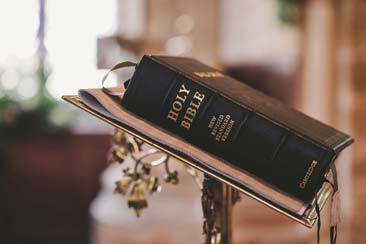
¿Qué creen los Adventistas del Séptimo Día acerca de la Biblia?
La Biblia forma la base de todo lo que los Adventistas del Séptimo Día creen y enseñan.

Legado Duradouro de Ellen G. White
Ellen G. White é um nome bem conhecido entre os Adventistas do Sétimo Dia, mas ela também teve um impacto em muitas outras partes da história, além de ser co-fundadora da Igreja Adventista.

What Does it Mean to Have Faith in Jesus?
What Does it Mean to Have Faith in Jesus?To have faith in Jesus means we place our spiritual hope, trust, belief, and priority in Him as our loving Savior. And that sounds great as an idea. That’s our goal, right? But when we go through difficult times, face...
James Springer White, Mwanzilishi wa Kanisa la Waadventista Wa Sabato
James Springer White (1821–1881) alikuwa mtu muhimu katika Kanisa la Waadventista wa Sabato na mume wa Ellen G. White.
Didn’t find your answer? Ask us!
We understand your concern of having questions but not knowing who to ask—we’ve felt it ourselves. When you’re ready to learn more about Adventists, send us a question! We know a thing or two about Adventists.