
Human nature is capable of the most self-sacrificing and heroic acts—a soldier risking his life for his country, a mother protecting her children from harm, a man jumping into a swirling current to save someone who is drowning.
By the same token, people also commit some of the most selfish and revolting acts of cruelty—war crimes, genocide, rape, abuse.
Why does our world have this tension between good and evil?
Our world started as perfect and sinless, but the Bible lets us in on the story of a proud angel who chose to oppose God’s principle of self-sacrificing love and introduce selfishness to our world. He tempted the first humans to doubt God’s goodness and choose the knowledge of evil.
Ever since, the struggle between good and evil has continued.
On this page, we’ll explore what the Bible has to say about this problem of evil and the solution to it.
We’ll look at:
- What is good, and what is evil?
- What is the biblical understanding of good and evil?
- How did evil start?
- What are the results of evil?
- What is the solution to evil in this world?
Let’s get started.
What is good, and what is evil?

Photo on Unsplash
Good refers to being morally right or virtuous. A person who helps the needy and promotes a community’s well-being is considered good.
On the other hand, evil means immorality or wickedness—something that brings about misfortune or suffering. For example, many would say Hitler was an evil man for his cruelty.
The difference between good and evil—and how the two forces work—is a subject that has baffled many.
Theologians, philosophers, and even scientists have attempted to explain this dualism—the existence of both goodness and evil in the world and in us.
Here are some of their viewpoints:
- St. Augustine of Hippo described evil as “spoiled goodness” that comes to play when humans choose “a lesser good.”
- Thomas Aquinas saw evil as a lack of goodness and believed it served a greater good.
- In Buddhism, good and evil aren’t mutually exclusive. Instead, they are relative qualities existing in us on a spectrum, and we can cultivate goodness over evil.
- C.S. Lewis, a 20th-century Christian apologist, saw evil as spoiled goodness that’s made possible by man’s free will.1
- Evolutionary biologists believe that both good and evil behaviors have their roots in selfishness. Even actions that might help others and seem selfless are hidden forms of looking out for self.
Adventists have also looked at this topic and drawn their understanding from what the Bible teaches about it.
We’ll look at that next.
What is the biblical understanding of good and evil?
The Bible acknowledges the existence of both good and evil. Goodness is rooted in who God is—selfless love. Evil, on the other hand, is separate from Him and His character. It came from the choice of a being to turn away from God’s goodness.
Here’s more on the origins of good and evil.
God is the source of all goodness
The Bible tells us that everything started as “very good” (Genesis 1:31, NKJV)—that God created everything perfect.
God Himself is good. So everything He does or creates is also good.
The Bible also says, “God is love” (1 John 4:8, ESV).
So, God is perfect and loving. He is just, merciful, and kind. He operates on the principle of pure selflessness and devotion.
God knew we would struggle to understand what it means to be good, so He reveals His goodness through the Bible.
The Ten Commandments, given to us by God, are an important source for this. Rather than being a list of dos and don’ts, they describe His character and what it means to be good—to love God and people.

Photo by Greg Rakozy on Unsplash
But it’s not just the Ten Commandments that reveal goodness. Throughout the Bible, God shows us how to love as He loves. And when we fall short, as we all do, He lets us know He will continue to love and guide us.
We find more examples of goodness in the Bible, like traits worth seeking and developing and the optimal ways to live our lives.
With the help of the Holy Spirit, we can have the fruit of the Spirit: “Love, joy, peace, patience, kindness, goodness, faithfulness, gentleness, self-control” (Galatians 5:22–23, ESV).
But knowing what is good and being good are totally different, as Paul points out:
“For I have the desire to do what is right, but not the ability to carry it out. For I do not do the good I want, but the evil I do not want is what I keep on doing” (Romans 7:18–19, ESV).
So, what is the evil that creeps in to keep us from doing good?
Evil is the opposing force to God
Evil is the absence of good and is rooted in selfishness. It’s the result of choosing to live separately from God, the source of all goodness.
As Creator, God made human beings with the ability to love.
But He did not pre-program us. Instead, God gave us the intelligence and mental capacity to choose who to love, and He works hard to preserve our freedom of choice. That is what makes our love real—being able to choose to love.
When we have the ability to choose, God understands we could choose another option, one that isn’t Him and isn’t good. We could choose to live a life of service, modeled after His love, or we could choose a life for ourselves—one that is self-focused and ultimately unfulfilling and destructive.
But before we choose, we need to understand the whole story.
Why does evil exist? And where did evil even come from?
Not from God, as we will see (James 1:13–15).
How did evil start?
Evil was born when an angel called Lucifer became jealous of God. Though Lucifer seemingly had it all as a beautiful and powerful angel in heaven, he wanted more (Ezekiel 28:13–15).
He didn’t want to worship God.
He wanted to be God (Isaiah 14:12-14).
So in the perfection of heaven, the opposing side of evil came to be. Lucifer chose a self-centered life and turned his back on God and his perfect life in heaven.
He stirred up trouble among the angels by planting doubt in their minds and leading them to question God’s authority and love.
By this, he began a rebellion against God and all who were loyal to Him.
Eventually, Lucifer and one-third of the angels he’d persuaded were expelled from heaven and cast down to Earth (Revelation 12:4, 7–8).
It was then that Lucifer became known as Satan, the Devil, and “ruler” of the earth. He began his work to deceive and cause people on earth to doubt God, too (Revelation 12:9).
And his deceptive work continues today.
Satan’s constant interference with God’s perfect creation creates the struggle we experience daily.
The struggle is known to Adventists as the Great Controversy—the war that began in heaven and has continued in our world through the ages.
What are the results of evil?

Photo by Georgia de Lotz on Unsplash
When evil entered our world, it separated us from God and created a rift between the first humans. Pain, suffering, and difficulty became part of the normal fabric of life.
But how did evil make its way to the human family?
When Satan was sent to the earth, he became obsessed with opposing God in every way possible. He set out to corrupt God’s creation.
He entered the perfect Garden of Eden where Adam and Eve—the first humans—lived.
God had created the Garden to be Adam and Eve’s forever home, providing them with everything they would need to survive—pure water, plants to eat, animals to care for, and, most importantly, God’s presence.
All this came with structure. You could even say “rules.”
But these rules weren’t put in place to restrict. God put them in place to protect Adam and Eve from making choices that would hurt them.
They had access to the whole Garden, except “the tree of the knowledge of good and evil” (Genesis 2:17, ESV). God instructed them not to eat from it because if they did, they would die.
But Satan came in and lied to Eve, saying:
“You will not surely die. For God knows that when you eat of it your eyes will be opened, and you will be like God, knowing good and evil” (Genesis 3:4–5, ESV).
The lie was that she would not die.
But he masked it with the truth—that she would know good and evil. And that truth was coupled with the statement that she would “be like God,” an appealing prospect.
Believing the lie, Eve and her husband Adam ate the forbidden fruit (Genesis 3:6). That is when they understood evil, which they didn’t know before. Their eyes were opened—but not to anything they would want to see or experience.
Up until then, all they’d known was good. But through Satan’s temptation, Adam and Eve came to know the flip side—evil:
“Then the Lord God said, ‘Behold, the man has become like one of us in knowing good and evil’” (Genesis 3:22, NKJV).
Though Adam and Eve didn’t die right then, they opened the door for death to enter the world. Unlike God’s original plan for humanity, they and their future generations would live, and then die.
Evil also brought with it the following painful consequences:
- Separation from God and a shame that makes humans want to hide from God (Genesis 3:7–11)
- Losing the right to the Garden of Eden and the Tree of Life (Genesis 3:23–24)
- Pain in childbirth (Genesis 3:16)
- Wear and tear from work (Genesis 3:17–19)
- Strained relationships and additional obstacles to having a happy relationship (Genesis 3:16)
- The inclination to sin (Romans 7:15–20)
- Death (Genesis 3:19)
Those consequences—and more—are the ones we continue to struggle with.
Thankfully, God has a plan so we won’t have to struggle with them forever.
What is the solution to evil in this world?
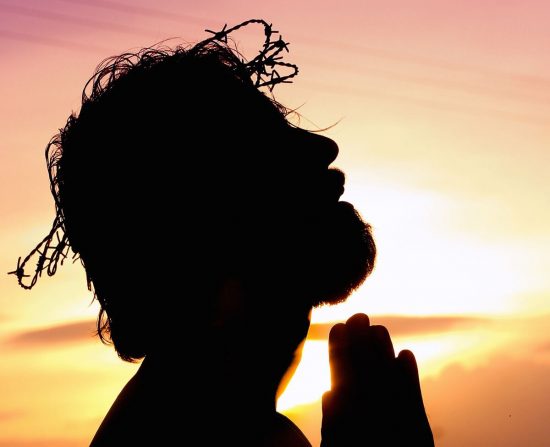
Photo by Rodolfo Clix
Since evil leads to death, and we could never save ourselves from our inclination toward it (the inclination to go against God’s law of love), God came up with a plan to save us—He sent us Jesus. Jesus Christ, the Son of God, died in our place and took our sinful fate upon Himself.
See, God knows that whenever we make a choice against Him and experience the consequences, we become blind to His love and hardened in our rebellion against Him. We are not capable of complete love or goodness without His help (Romans 3:22–24).
So He found a way to showcase His love for us and bring us back to Him. A plan to save us from ourselves—if we choose Him.
To accomplish that, He sent Jesus.
The Bible tells us, “God so loved the world, that He gave His only Son, that whoever believes in Him should not perish but have eternal life” (John 3:16, ESV).
Jesus came to the earth to live as a human. He gave up everything that made Him divine and prayerfully stayed connected with His Father God.
He was born as a human, lived a life of difficulty and poverty, and died in our place, taking on the consequence of sin—death (Romans 6:23).
Yet, He was resurrected. And through His resurrection, we can live again.
Because He was the only human to live on earth and not sin, He’s the only one who could take on our sins, die in our place, and be able to come back to life (1 John 3:5). Death couldn’t hold Him.
By accepting His sacrifice as a gift, our sins are covered. We no longer need to die (1 Timothy 2:5–6).
This is the hope Christians have—we aren’t left to struggle alone, even if we are the most evil people.
Jesus’ death also gives us a clearer idea of our choice between good and evil. His sacrifice showed what love is like and demonstrated the struggle between love and self, good and evil.
And it gives us the power to choose between good and evil.
As we make the choice to be part of God’s plan, we have the reassurance of knowing we are part of something bigger than ourselves. Life is worth living because of the hope of a blissful, eternal life with God someday (John 14:2–3).
A day when evil will be destroyed.
There will be an end to evil
The life we have to live—with its tension between good and evil—is the result of the first humans wanting to see for themselves what good and evil looked like. Now, we face choices between these opposing forces every day.
But we won’t have to struggle with the problem of evil forever. There will be a point when evil’s whole face is fully revealed. Those of us who follow Jesus will be saved, and knowing what we know about what happened on this earth, we will never, ever turn toward evil again.
What’s more, the Devil’s time will be up. He will be destroyed (Revelation 20:7–10).
And humans, out of their own free will, will choose to love Christ and live with Him throughout a perfect, harmonious eternity (Revelation 21:4).
To learn more about God’s plan to save us from evil,
Choose an Online Bible Study
Want to keep learning? Find out more about Jesus, humanity, the plan of salvation, and how God loves you enough to sacrifice everything, just to give you a chance to choose Him.
Sometimes it can be hard to know where to start, that’s why we offer free, user-friendly, online Bible study options you can do anytime, anywhere, and at your own pace.
This online Bible school will take you through the major themes of Scripture, breaking down the Bible’s complex concepts into bite-sized pieces, which can lead you toward the answers of life’s more challenging questions.
Things to Remember
- God did not create evil. Evil originated in Lucifer’s selfish heart (John 8:44).
- Sin, or evil, is the breaking of God’s law of love (1 John 3:4; Matthew 22:37–40).
- God loves the world and doesn’t want anyone to experience the consequence of evil—death (John 3:16).
- The only way to get rid of sin and evil from our lives is to believe in Jesus and ask Him to clean us up (Isaiah 1:16–19).
- If we confess our sins, God will forgive us and help us overcome the evil in our lives (1 John 1:9).
- As we build a relationship with Jesus and live within the boundaries of that relationship, He keeps us from falling into evil and sin again (John 14:15; Jude 1:24).
- Evil will be destroyed in the end, and it will never, ever come again (Nahum 1:9).
Related Articles



- Arn, Jackson, Mere Christianity, Book 2 (HarperCollins Publishers, 1952), pp. 29–31. [↵]
More Answers

¿Por qué muchos Adventistas del Séptimo Día eligen una dieta vegetariana?
¿Por qué muchos Adventistas del Séptimo Día eligen una dieta vegetariana?Puede que tengas un amigo adventista que sea vegetariano, o tal vez estés asistiendo a una Iglesia Adventista del Séptimo Día por primera vez y notes que en la comida compartida no hay carne....

What is Jesus’ Parable of the Sower About?
The parable of the sower is ultimately about how people responded to Jesus Christ and His message of the kingdom of God—the Gospel.

O que os Adventistas do Sétimo Dia acreditam sobre o Grande Conflito (Bem vs. Mal)?
O “Grande Conflito” é a frase que os Adventistas do Sétimo Dia normalmente usam para descrever o conflito espiritual cósmico entre as forças do bem (Deus) e as forças do mal ou do pecado (Satanás/o diabo).

Was Jesus Ever Hypocritical? Learn What the Bible Says.
Was Jesus Ever Hypocritical? Learn What the Bible SaysMany undesirable traits are associated with hypocrisy. But overall, hypocrites intentionally try to make others believe they uphold or represent a certain belief system, character trait, lifestyle, etc., when in...

Kukatishwa Tamaa Kukuu na Kile Tunachojifunza
Wafuasi wa Miller walitabiri kurudi kwa Kristo Oktoba 22, 1844, lakini Yesu hakuja kamwe. Tukio lingine lilitokea. Gundua kilichotokea kweli na Kukatishwa Tamaa Kukuu kunaweza kutufundisha leo.

When in Doubt: 7 Ways Christians Can Manage Uncertainty
When in Doubt: 7 Ways Christians Can Manage UncertaintyFew things in life are truly certain. And no matter how convinced some people can appear on the surface, no one is immune to doubt. And this isn’t a bad thing. Doubt has a purpose. A role to serve. (Just imagine...
El gran chasco y las lecciones que nos enseña
Los Milleritas predijeron el regreso de Cristo el 22 de octubre de 1844, pero Jesús nunca llegó. Ocurrió otro evento. Descubre lo que realmente sucedió y qué puede enseñarnos hoy El gran chasco.

Is Jesus the Same Being as Michael the Archangel?
Many Christians have wondered at the mysterious identity of Michael the Archangel.
A Grande Desapontamento e Lições que nos Ensina
Os Milleritas previram o retorno de Cristo em 22 de outubro de 1844, mas Jesus nunca chegou. Outro evento ocorreu. Descubra o que realmente aconteceu e o que o Grande Desapontamento pode nos ensinar hoje.
James Springer White, Co-Fundador da Igreja Adventista do Sétimo Dia
James Springer White (1821–1881) foi uma figura chave na Igreja Adventista do Sétimo Dia e marido de Ellen G. White.
James Springer White, cofundador de la Iglesia Adventista del Séptimo Día
James Springer White (1821–1881) fue una figura clave en la Iglesia Adventista del Séptimo Día y el esposo de Elena G. de White.

Kila Kitu Unachohitaji Kujua Kuhusu Chakula cha Siku ya Sabato
Kwa Waadventista Wa Sabato, kushiriki chakula cha Siku ya Sabato pamoja na marafiki na familia ni moja ya sehemu muhimu na ya kumbukumbu ya Sabato.

Nini Maana ya “Mwadventista”?
Waadventista wa Sabato ni dhehebu la Kikristo la Kiprotestanti wanaoshikilia Sabato ya siku ya saba kama ilivyoandikwa katika Biblia.

How to Have a Personal Relationship with Jesus: A 10-Step Guide
How to Have a Personal Relationship with Jesus: A GuideNo matter who you are, you’re surrounded by relationships. Friends, family, colleagues, acquaintances...they all play a part in our lives, for better or worse. So you’re surely aware of a lot of the components...

Biblia Ina Maana Gani Inaposema Yesu ni Mwana wa Mungu?
Biblia inapomwita Yesu Mwana wa Mungu inarejelea uungu wake. Jifunze ni nini kinachofanya hili kuwa muhimu na kinahusianaje na wokovu.

“Go and Sin No More”—What Did Jesus Mean?
These well-known words of Jesus Christ come from two New Testament stories in the book of John—a man healed by the Pool of Bethesda (John 5) and a woman caught in adultery (John 8).

Quais são as Mensagens dos Três Anjos em Apocalipse 14?
As mensagens dos três anjos em Apocalipse 14 advertem o mundo a adorar a Deus, deixar a confusão religiosa e evitar a adoração de tradições humanas em vez dos mandamentos de Deus.

Je! Tunaweza Kuitunza Siku Yoyote ya Wiki Kama Sabato?
Katika sura za kwanza kabisa za Biblia, tunamwona Mungu akianzisha kumbukumbu ya kila wiki na siku ya mapumziko, inayoitwa Sabato (Mwanzo 2:2-3).
¿Cuáles son los mensajes de los tres ángeles en Apocalipsis 14?
Los mensajes de los tres ángeles en Apocalipsis 14 invitan al mundo a adorar a Dios, abandonar la confusión religiosa y evitar la adoración de tradiciones humanas en lugar de los mandamientos de Dios.
Por que muitos Adventistas do Sétimo Dia escolhem uma dieta vegetariana?
Embora nem todo adventista seja vegetariano, muitos evitam completamente o consumo de carne para viver de forma mais saudável, buscando honrar a Deus física, espiritual e mentalmente.

Understanding the Miracles of Jesus Christ
Understanding the Miracles of Jesus ChristWhat do you think of when someone says something is “a miracle”? Maybe you think of an unexpected recovery, surviving a dangerous accident, or getting an answer to a seemingly impossible prayer. Simply put, miracles are...
O que significa “Adventista”?
O que significa "Adventista"?Os Adventistas do Sétimo Dia são uma denominação cristã protestante que observa o sábado bíblico do sétimo dia. A partir dessa crença, eles obtêm a primeira parte de seu nome. Mas e quanto à segunda parte - "Adventista"? “Adventista”...
¿Podemos guardar el sábado bíblico cualquier día de la semana?
En los primeros capítulos de la Biblia, encontramos a Dios estableciendo un memorial semanal y día de reposo, conocido como el sábado (Génesis 2:2-3).
Podemos guardar o Sábado em qualquer dia da semana?
Nos primeiros capítulos da Bíblia, encontramos Deus estabelecendo um memorial semanal e dia de descanso, conhecido como o Sábado (Gênesis 2:2-3).
O que significa a Bíblia quando chama Jesus de Filho de Deus?
Quando a Bíblia chama Jesus de Filho de Deus, está se referindo à Sua divindade. Saiba o que torna isso tão significativo e o que tem a ver com a salvação.
¿Qué creen los Adventistas del Séptimo Día acerca de la Biblia?
La Biblia forma la base de todo lo que los Adventistas del Séptimo Día creen y enseñan.

Legado Duradouro de Ellen G. White
Ellen G. White é um nome bem conhecido entre os Adventistas do Sétimo Dia, mas ela também teve um impacto em muitas outras partes da história, além de ser co-fundadora da Igreja Adventista.

What Does it Mean to Have Faith in Jesus?
What Does it Mean to Have Faith in Jesus?To have faith in Jesus means we place our spiritual hope, trust, belief, and priority in Him as our loving Savior. And that sounds great as an idea. That’s our goal, right? But when we go through difficult times, face...
James Springer White, Mwanzilishi wa Kanisa la Waadventista Wa Sabato
James Springer White (1821–1881) alikuwa mtu muhimu katika Kanisa la Waadventista wa Sabato na mume wa Ellen G. White.
Didn’t find your answer? Ask us!
We understand your concern of having questions but not knowing who to ask—we’ve felt it ourselves. When you’re ready to learn more about Adventists, send us a question! We know a thing or two about Adventists.