
Yes, you might be surprised to know that there are hundreds of verses in the Old Testament about Jesus.
While they don’t mention Jesus by name, they do mention other names we associate with Him like Messiah, Son of God, and Son of Man.
This is because Jesus and the plan of salvation are central themes of the Bible. Jesus Himself said the Scriptures (the Old Testament in His time) point toward Him and His ministry (John 5:39).
References to Him in the Old Testament can be divided into four categories, which we’ll explore on this page:
After we’ve looked at each one, we’ll also cover how you can notice Jesus in your personal study of the Old Testament.
Messianic prophecies
Messianic prophecies, prophecies predicting the life and identity of the Messiah, are some of the Bible’s most important verses. They show us that God had a plan to send a Savior from the beginning of time, and they help us to recognize Jesus’ role as the Messiah.
And the Bible doesn’t provide just one or two prophecies.
Theologians believe it contains more than 300 Messianic prophecies about Jesus.1
We’ll cover some of those prophecies below, including verses of their prediction in the Old Testament and fulfillment in the New Testament.
Jesus’ birth

Photo by Greyson Joralemon on Unsplash
The Old Testament prophesied the following key points about Jesus’ birth and lineage:
- The Savior would be born of a virgin (Isaiah 7:14; Matthew 1:23).
- He would come from the family line of Abraham, Isaac, and Jacob (Genesis 12:3; 19:19; 28:14; Luke 3:24).
- He would come from the line of David and thus have a direct claim to the throne (Isaiah 9:6-7; Acts 13:22-23).
- He would be born in Bethlehem (Micah 5:2; Matthew 2:4-6).
- He would be born among the Jewish people (Isaiah 9:6-7; Matthew 27:37).
Jesus’ life and ministry
- He would be called out of Egypt (Hosea 11:1; Matthew 2:14-15).
- He would be from Nazareth in Galilee (Isaiah 9:1-2; 11:1; Matthew 2:23; John 7:41).
- He would be preceded by a great messenger, John the Baptist (Isaiah 40:3-4; John 1:23).
- He would be called God’s Son (2 Samuel 7:14; Matthew 3:17).
- He would be a servant of God (Isaiah 53:11; Philippians 2:6-8; Matthew 10:45).
- He would perform miracles (Isaiah 35:5-6, Matthew 11:2-6).
- He would speak in parables (Psalm 78:1-2; Matthew 13:34-35).
- He would come into Jerusalem on a donkey (Zechariah 9:9-10; Matthew 21:1-11).
- He would minister to all nations—both Jews and Gentiles (Isaiah 11:10; John 12:18-21; Romans 1:16).
- He would be rejected as Messiah (Isaiah 53:3; Luke 4:28-29).
Jesus’ death and resurrection
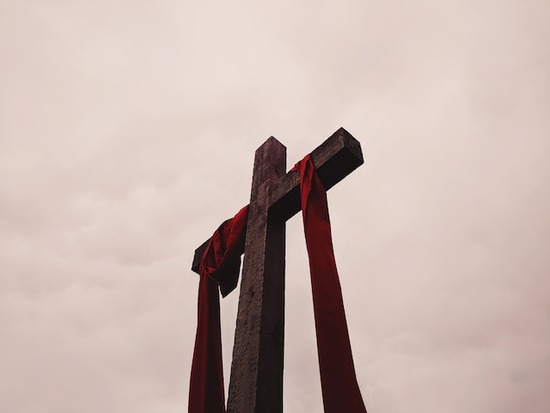
Photo by Alicia Quan on Unsplash
- He would suffer and die for the sins of the world (Isaiah 19:20; 53:5, 12; John 1:12; Hebrews 9:28; 1 Peter 2:24).
- His victory would end the reign of Satan and sin (Genesis 3:15; 1 John 3:8).
- He would end the old covenant and start a new covenant (Jeremiah 31:31; Hebrews 9:15).
- He would be stripped of His clothing by Roman soldiers (Psalm 22:18; John 19:23-24).
- He would be beaten and mocked (Isaiah 50:6; Luke 22:63).
- He would be pierced in His hands and feet (Isaiah 53:3; Psalm 22:16; John 19:34).
- He would hang on a tree (Deuteronomy 21:22-23; Acts 5:30).
- He would be given vinegar to drink (Psalm 69:21; Matthew 27:34).
- He would resurrect from the dead (Psalm 118:17-18; Luke 24:5-7).
Each one of these verses was precisely fulfilled, giving us amazing evidence of Jesus’ role as the Messiah. They also show us that the Old Testament can teach us a lot about our New Testament Savior.
Christophanies
Christophanies refer to any time Jesus appears to humans. In the case of the Old Testament, we’re talking about any time He appears in the Bible prior to His human birth (called His pre-incarnate form).
Some of the most obvious examples are when the Godhead is mentioned or Jesus is “seen” in visions or miraculous events as the Son of God.
Here are a few examples:
Jesus at Creation with God
In Genesis 1:26, God said, “Let Us make man in Our image.” The use of plural words and the fact that only God can create suggests the presence of the Trinity—and thus the presence of God the Son, Jesus.
John 1:1-3 confirms this idea by telling us that the Word (Jesus, according to John 1:14) is God and created the world.
The Godhead at the Tower of Babel
In Genesis 11:6-7, God again uses plural words, saying, presumably to the Holy Spirit and God the Son, that they must put a stop to the building of the Tower of Babel.
The Son of Man coming to the throne in heaven
In Daniel 7:13-14, Daniel saw a vision of the Son of Man going to the throne of God and receiving the kingdom before coming to earth. The description sounds like the event that will happen right before Jesus’ second coming.
The Son of God in the fiery furnace
Although some Bible verses might refer to godly men by the term “sons of God” (Galatians 3:26-27), Jesus is the specific, singular Son of God.
In Daniel 3:35, Nebuchadnezzar recognizes a figure in the fiery furnace as a divine being. He calls the being the Son of God, suggesting Jesus’ presence in the fiery furnace.
The Son of God is also mentioned in Psalm 2:7, 11-12 and Proverbs 30:4.
Types

Photo by Pixabay
Types are Old Testament stories/characters/experiences that are reflected or fulfilled in the New Testament (the fulfillment is called an antitype). We see many of these similarities between characters of the Old Testament and Jesus.
Take a look at these examples:
Adam
The apostle Paul outright compares Jesus to Adam, calling Jesus the “second” Adam (1 Corinthians 15:45-49). Adam received dominion over the world but lost it when he sinned. On the other hand, Jesus regained dominion of the world by overcoming sin.
Abel
Like Jesus, Abel was faithful to God (Genesis 4:4). But because he was faithful, his brother killed him in a jealous rage (Genesis 4:5-8). Jesus was similarly killed by His own people who were jealous of His popularity (John 12:19) and angered at the way His pure character exposed their selfish hearts (Mark 11:15-18).
Isaac
Like Jesus, Isaac had a supernatural birth (Matthew 1:23; Genesis 21:1-2). He was offered by his father, Abraham, as a sacrifice (Genesis 22:2), foreshadowing how God the Father would give Jesus to save us from our sins and grant us eternal life (John 3:16).
Joseph
Just as Jesus was rejected by His people (Isaiah 53:3), Joseph was hated by his brothers (Genesis 37:4). They sold him for silver (Genesis 37:28), similar to how Judas betrayed Jesus for silver (Matthew 26:15). They were both falsely accused (Genesis 39:10-20; Mark 14:55-56), but were eventually set up as rulers (Genesis 41:41; John 18:36).
And even though his brothers betrayed him, Joseph still saved them from the coming famine (Genesis 45:4-7), just as Jesus had mercy on us and died for us while we were still sinners.
David
At different times in his life, David filled the positions of servant (1 Samuel 16:21), shepherd (1 Samuel 17:34-36), and king of Israel (1 Samuel 16:1-19). Similarly, Jesus is said to be a servant (Matthew 20:28), shepherd (John 10:11), and king of heaven (Ephesians 1:20-21).
Moses
Moses and Jesus’ births happened under similar circumstances: both escaped a brutal child massacre in their infancy (Exodus 1:22-2:10; Matthew 2:13-18).
And there’s more:
Moses acted as an intercessor between God and the Israelites (Exodus 20:19), and so does Jesus between God and us today (Romans 8:34). They both fasted for 40 days (Exodus 24:28; Matthew 4:2). Moses was also responsible for leading the Israelites out of Egyptian slavery (Exodus 3:7-10), just as Jesus delivers us from the slavery of sin (Romans 6:20-22).
Symbols

Photo by Pixabay
Jesus is intentionally referred to in the Old Testament by numerous symbols, including the following:
Passover lamb
Jesus is described as being the lamb of God that takes away sin (John 1:29). This symbol connects us to the idea of the Passover lamb that pointed the Israelites to what the Messiah would do for them (Exodus 12:5-6).
Shepherd
The Old Testament compares the Lord to a shepherd (Psalm 23:1-6). Jesus called Himself a shepherd who guides His followers (John 10:11).
High priest
The Old Testament explains the role of the Levite priests in the ancient Israelite sanctuary (Numbers 3:5-10). They performed the sacrifices and rituals that pointed to the Messiah.
Hebrews 4:14-16 and 8:1-2 show us that Jesus fulfills those symbols as the high priest in the heavenly sanctuary.
Snake on a rod
In Numbers 21:9-10, the Israelites were saved from a plague by looking at a bronze snake sculpted to a rod. This foreshadowed how we can be saved by accepting the crucifixion of Christ, who took on our sins to save us (1 Peter 2:24).
How you can notice Jesus throughout the Bible

Photo by Kelly Sikkema on Unsplash
When we start looking for ways we can see Jesus in Scripture, it changes our entire Bible study experience . What might have previously been an unusual story or a long description of ancient practices will now help us see Jesus and the plan of salvation in a new light.
Here are some steps for doing just that:
- Pray for God to guide your study.
- Decide on a passage or story.
- Read through it once.
- Read a second time, this time writing down connections you see between the passage and one (or more) of the following subjects:
- The plan of salvation
- The presence of the Godhead—specifically God the Son
- Christ-like characteristics in other Bible characters
- Symbols of Jesus—especially ones that talk about His sacrifice
- Compare these connections with what you find about Jesus in the New Testament.
- Reflect on how your study has better helped you understand the Bible and God’s great love for you.
- Lastly, tell others about what you learned! Your study can help them connect Scriptures in ways they never imagined.
Want help diving deeper into your study? Check out these study tools and references:
- Biblehub.com
- Vines Expository Dictionary App
- KJV Bible With Strong’s Concordance App
- Biblegateway.com
- Doug Batchelor’s Cover to Cover — Jesus in all the Bible series
Just like with any kind of Bible study, it’s okay to start small. Write down your findings, and if you find something confusing, take note of it and keep looking for answers. The answers may not always be apparent right away, but the Holy Spirit will continue to guide you and reveal them to you as you study.
For more tips, see our “Ultimate Guide to Personal Bible Study.”
Jesus is the theme of Scripture
The fact that so much of the Old Testament references Jesus goes to show how important our Savior is.
The plan of salvation wasn’t made last minute. Even before Eve took a bite of the forbidden fruit, God had a plan to save humanity by sending His one and only Son (Revelation 13:8).
And we can see that plan woven into the stories of the Old Testament, making the story of Jesus and salvation the central message of the entire Bible.
If you want to learn more about what the Bible has to say about Jesus’ role as our Savior,
Choose an Online Bible Study
Want to keep learning? Find out more about Jesus, humanity, the plan of salvation, and how God loves you enough to sacrifice everything, just to give you a chance to choose Him.
Sometimes it can be hard to know where to start, that’s why we offer free, user-friendly, online Bible study options you can do anytime, anywhere, and at your own pace.
This online Bible school will take you through the major themes of Scripture, breaking down the Bible’s complex concepts into bite-sized pieces, which can lead you toward the answers of life’s more challenging questions.


- “55 Old Testament Prophecies about Jesus, Jesus Film Project, November 17, 2021,” https://www.jesusfilm.org/blog/old-testament-prophecies/. [↵]
More Answers

Where Do We Go When We Die?
For those of us who’ve lost loved ones or faced serious health issues, we can’t help but wonder about life after death.

What is the Difference Between Grace and Mercy in the Bible?
Even in day-to-day life, we can see glimpses of grace and mercy—like when someone offers an angry, impatient person their spot in a line or when a parent hugs their child after a heated argument.

Waadventista Wasabato Wanatafsiri Vipi Unabii wa Biblia?
Jifunze zaidi kuhusu jinsi Waadventista wanavyotafsiri unabii katika Biblia—hasa katika vitabu kama Danieli na Ufunuo.

Urithi wa Kudumu wa Ellen G. White
Urithi wa Kudumu wa Ellen G. WhiteEllen G. White ni jina linalojulikana sana miongoni mwa Waadventista wa Sabato, lakini pia aliathiri sehemu nyingi za historia, mbali na kuwa mwanzilishi wa Kanisa la Waadventista wa Sabato. Ndiyo maana Jarida la Smithsonian...

¿Cómo interpretan la profecía bíblica los Adventistas del Séptimo Día?
Aprende más sobre cómo los Adventistas interpretan la profecía en la Biblia, especialmente en libros como Daniel y Apocalipsis.
Como os Adventistas do Sétimo Dia interpretam a profecia bíblica?
Saiba mais sobre como os Adventistas abordam a interpretação da profecia na Bíblia—especialmente nos livros como Daniel e Apocalipse.

Lo que necesitas saber sobre la tentación y cómo resistirla
¿Alguna vez has sentido que enfrentas la misma tentación día tras día? ¿La tentación que siempre parece resurgir?
What Jesus Meant by “Take Up Your Cross”
Whether you’ve spent a day or a decade around Christian circles, you’ve probably heard the phrase, “Pick up your cross.”

Je, Waadventista Wasabato Wana “Sheria”?
Tunashikilia kanuni tunazoamini zitasaidia kuweka uhusiano wa karibu na Yesu na Neno lake. Jifunze jinsi kanuni hizi zinavyo-ongoza mtindo wa maisha wa Waadventista.
El legado de Elena G. de White
El legado de Elena G. de WhiteyElena G. de White es un nombre muy conocido entre los Adventistas del Séptimo Día, pero también tuvo un impacto en muchas otras partes de la historia, además de ser cofundadora de la Iglesia Adventista. Por eso, la revista Smithsonian la...

All of Jesus’ Warnings and Encouragements in the Bible
Here’s a comprehensive list of every warning and encouragement from the words of Jesus, as well as how they can benefit our lives today.
¿Los Adventistas del Séptimo Día tienen “reglas”?
Sostenemos principios que creemos que nos ayudarán a mantener una relación más cercana con Jesús y su Palabra. Aprende cómo estos principios guían los estilos de vida adventistas.
Os Adventistas do Sétimo Dia têm “regras”?
Defendemos princípios que acreditamos nos ajudar a manter um relacionamento mais próximo com Jesus e com Sua Palavra. Saiba como esses princípios orientam o estilo de vida adventista.

Películas Adventistas: donde la fe y el cine se encuentran
La misión de la Iglesia Adventista del Séptimo Día desde el principio ha sido compartir la verdad de Dios en la Biblia.
Filmes Adventistas: Onde a Fé e o Cinema se Encontram
A missão da Igreja Adventista do Sétimo Dia desde o início tem sido compartilhar a verdade de Deus na Bíblia.

¿Por qué algunas Biblias tienen más libros que otras?
Los cristianos consideran la Biblia como sus escrituras sagradas. Pero dentro del cristianismo, diferentes denominaciones utilizan Biblias con cantidades diferentes de libros.
Por que algumas Bíblias têm mais livros do que outras?
Os cristãos consideram a Bíblia como suas escrituras sagradas. Mas dentro do Cristianismo, diferentes denominações usam Bíblias com números diferentes de livros.
O que você precisa saber sobre a tentação e como resistir a ela
Já se sentiu como se enfrentasse a mesma tentação dia após dia? Aquela tentação que sempre parece ressurgir?
O que os Adventistas do Sétimo Dia acreditam sobre a Bíblia?
A Bíblia forma a base de tudo o que os Adventistas do Sétimo Dia acreditam e ensinam.

Waadventista Wa Sabato wanaamini nini kuhusu Ubatizo?
Kama Wakristo wengi wa Kiprotestanti ulimwenguni kote na katika historia, Kanisa la Waadventista wa Sabato linaamini katika ubatizo, sherehe ambapo watu huzamishwa ndani ya maji kudhihirisha hadharani “kufa kwa maisha ya zamani” na “kuanza kwa maisha mapya katika Kristo”.

Jinsi Waadventista Wanavyoshughulikia Kifo na Mazishi
Mazishi mengi ya Waadventista wa Sabato yanafanana na yale ya madhehebu mengine ya Kiprotestanti, kama vile Wamethodisti, Wabatisti, au Wapresbiteri, lakini unaweza kupata tofauti chache au taratibu za pekee.
O que os Adventistas do Sétimo Dia acreditam sobre o batismo?
Assim como muitos cristãos protestantes em todo o mundo e ao longo da história, a Igreja Adventista do Sétimo Dia crê no batismo por imersão
¿Qué creen los Adventistas del Séptimo Día sobre el bautismo?
Al igual que muchos cristianos protestantes en todo el mundo y a lo largo de la historia, la Iglesia Adventista del Séptimo Día cree en el bautismo por inmersión

Does Jesus Really Care About Me?
Does Jesus Really Care About Me?Short answer: yes, Jesus really does care about you, specifically (1 Peter 5:7, ESV). But if you’re wondering whether Jesus Christ really, truly cares about you, you aren’t alone. Gideon, Abraham and Sarah, Job, Jeremiah, Elijah, even...
Filamu za Kiadventista: Mahali Imani na Filamu Zinapokutana
Tangu mwanzo, lengo la Kanisa la Waadventista wa Sabato limekuwa kueneza kweli ya Mungu katika Biblia.
Kwanini Baadhi ya Biblia Zina Vitabu Vingi Kuliko Zingine?
Wakristo wanachukulia Biblia kama maandiko yao matakatifu. Lakini ndani ya Ukristo, madhehebu tofauti hutumia Biblia zenye idadi tofauti ya vitabu.

Fe y obras: ¿Importan ambas en la vida de un cristiano?
En tantas religiones a lo largo del tiempo, los individuos trabajan hacia la iluminación, la salvación o el favor de una deidad.
Cómo los Adventistas manejan la muerte y los funerales
La mayoría de los servicios funerarios Adventistas del Séptimo Día son similares a los de otras denominaciones protestantes, como los metodistas, bautistas y presbiterianos, pero podrías encontrar algunas diferencias o matices únicos.
Didn’t find your answer? Ask us!
We understand your concern of having questions but not knowing who to ask—we’ve felt it ourselves. When you’re ready to learn more about Adventists, send us a question! We know a thing or two about Adventists.