
From the mid to late 1800s until the early 1900s, some of Ellen White’s writings included advice about country living. She promoted the benefits of country life—like fresh air, a simple lifestyle, and closeness to God’s creation. And she warned against the dangers of city life—like smoggy air, endless distractions, and family disconnection.
Her writings also shed light on principles from the Bible that related to how we settle our homes and raise our families.
But with cities creeping further into the countryside and decent land selling at top dollar (if it’s even available)—does her advice still apply?
Surprisingly, yes. And in more ways than you might think.
So let’s break it down.
- What cities were like in Ellen White’s time
- What she actually said about country living
- What the Bible says about it
- And how we can apply this advice
And to best understand the setting in which this counsel was written, let’s take a quick trip back in time for a review.
What were cities like in Ellen G. White’s time?
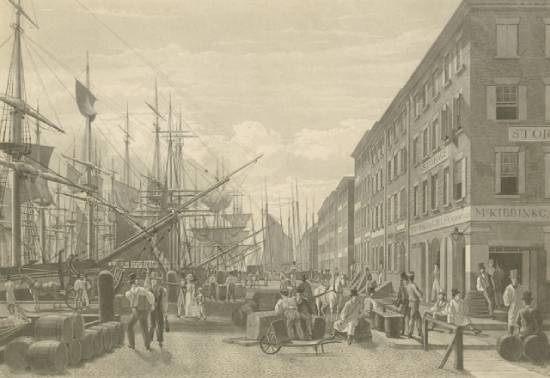
Photo by The New York Public Library on Unsplash
Ellen White, one of the “100 most significant Americans of all time,”1 lived during the Victorian Era. This era (from 1837 to 1901) saw large cities becoming more dirty, dangerous, and diseased. The US’s Industrial Revolution was in full swing during this period.2
As a social reformer, author, and co-founder of the Seventh-day Adventist church, Ellen White saw the influence cities had on society, and how it affected Christians. So she used her pen to follow God’s leading and counsel fellow protestants.
She observed,
“Filthy courts and narrow alleys, brick walls and pavements, and skies clouded with dust and smoke.”3
And she drew attention to the moral impact:
“These cities are filled with wickedness of every kind,—with strikes and murders and suicides. Satan is in them, controlling men in their work of destruction. Under his influence they kill for the sake of killing, and this they will do more and more.”4
This might sound like a harsh take on city life. But she wasn’t the only one to note such conditions.
An author named Jacob A. Riss, who also lived in the Victorian Era, wrote this about New York:
“The streets are alive with a constant tide of people, all pushing and shoving their way through the narrow passages. In the press of bodies, tempers flare easily, and a trivial word or gesture can lead to a brawl. With no room to move, and no escape from the dense crowds, violence erupts frequently. The…safety of any individual is never guaranteed.5
He also pointed out issues like:6
- Overcrowding, disease, and foul air
- Tired and sickly people
- Brothels in every dark corner
- Strikes, riots, and labor conflicts
- Fire-prone tenements (housing)
- Unsafe working conditions
- Crime and violence “in the shadows of the city’s growing wealth”
Yes, it’s a bit different today. Regulations and codes make factories safer to work in, homes more fireproof, and air a bit cleaner.
But if you’ve ever lived in a modern city, you know that some dangers haven’t changed. Or they’ve simply morphed into other types of risks.
We’ve replaced street fights with road rage. Crime and violence still thrive in various forms. We’re still exhausted as we try to keep up with the rat race. And more often than not, city air still can’t compare with the freshness of a country breeze.
But Ellen White never encouraged sudden, dramatic, fear-driven moves out of any city.
She believed everyone needed to ask God’s guidance for themselves. And to wait patiently for God’s providences.7 She said, “Do nothing without seeking wisdom of God.”8
After all, only God knows His plans for us. He may reposition us during different seasons of our lives, depending on where we’re needed or how we can grow.
For example, if someone wants to be a missionary to an underserved area, they might think of a remote island schoolhouse or an isolated community in Northern Alaska. But God might want to use their talents in the bustling center of Bangkok to teach for a year.
The point is that Ellen White made it clear her counsel was general. The specifics are always between us and God.
Let’s see what else she said.
What Ellen G. White said about country living
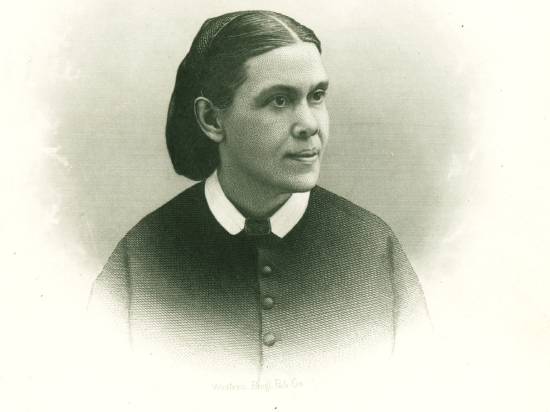
Between books, letters, and articles, Ellen White wrote over 100,000 pages in her lifetime.9 And she filled some of these pages with God-given guidance about country living.
While she didn’t devote an entire book to the subject, you can find a compilation of her words on this topic in the more recently published Country Living (also available as an audiobook).
Here’s the book’s contents in a nutshell.
Her words highlight the benefits of choosing a rural setting over city living, including:
- A healthy atmosphere for raising kids
- Encourages closeness between married couples and families
- Easier to maintain healthy bodies and minds
- Active, meaningful work tending gardens and maintaining the land
- More freedom to gather for worship in case of times of persecution
- Establishing outposts for city ministry
- Easier to maintain a closer relationship with God and His creation
- More relatable to biblical examples of country life
Now let’s unpack each of these a bit more.
Benefits to children, families, and marriages
Ellen G. White wrote:
“There is not one family in a hundred who will be improved physically, mentally, or spiritually, by residing in the city. Faith, hope, love, happiness, can far better be gained in retired places, where there are fields and hills and trees. Take your children away from the sights and sounds of the city…and their minds will become more healthy. It will be found easier to bring home to their hearts the truth of the Word of God.”10
She also notes these benefits of raising children in the countryside:
- Removes the “rush and noise” and gives “direct contact with the works of God”11
- Provides the health and happiness of a simple, balanced, and nature-filled life12
- Encourages more time in their Christian home environment13
- Surrounds them with more like-minded people, faithful to God’s teachings14
- Avoids the temptations brought on by a comfortable, convenient, or materialistic city life15
- Allows opportunity for character-building, especially in schools16
She saw that in cities, there wasn’t much practical work for kids and teens. They wasted time and money on pointless amusements and formed unhealthy friendships. Even school settings weren’t ideal.
And often, cities kept parents and children busy living separate lives.
Imagine a few acres in the country with a garden, a few chickens, and a couple of goats. She explained how a setting like this will keep kids more occupied at home and in healthy ways. And it gives parents more opportunities to work alongside their kids. And to use the lessons of nature to mold their minds.
She even indicates that living away from city lures in the country is helpful for a healthy marriage in general.17
She laid out the pros of country living for Christian families, but she also kept reality in check. She said country living doesn’t mean a worry-free life. But choosing that setting meant a choice to “avoid many evils, and close the door against a flood of temptations…”18
Healthy bodies and minds
Ellen White recognized that everyone needs fresh air and exercise. And she found the most practical and useful exercise in the countryside.19
With gyms, sidewalks, and city parks, we can now exercise anywhere—unlike in Ellen White’s day.
But with a garden, land, or farm animals to tend, our exercise becomes more regular and productive.
Our minds and bodies benefit most when we’re surrounded by things that point us to God, “the Maker and Master of all.”20 So even if we don’t have access to a garden, we can find benefits from exercising around forests and fields.
Tending gardens and land

Photo by Markus Spiske on Unsplash
Ellen White wrote a lot about the benefits of gardening and farming, for example:
- Gardening was God-given work—both before and after sin21
- It encourages a pure and simple way of life22
- It’s a healthier atmosphere23
- It promotes a healthier diet24
- Selling fruit, vegetables, and eggs can provide income25
This might sound almost impossible today. But she didn’t say we need a hundred acres—or even five. She mentions having “small homes”26 and “a few acres.”27
She also reminds us that if we’re meant to move to a rural environment, “God will help us find homes outside the cities.”28
More freedom to worship during times of difficulty or persecution
Ellen White also counseled Christians to live in the country for the freedom and autonomy it can bring.
We can read in history books about how the Waldenses hid from religious persecution in the wilderness.29 And many North American settlers left Europe for a “new world” so they could worship according to conscience.
As a Seventh-day Adventist, Ellen White recognized signs that one day, Sabbath-worshiping Christians could face a Sunday law crisis. And it could lead to persecution.30
She told people to move to less crowded areas, “where you will be free from the interference of enemies.”31
The Bible says this world will only get worse until Jesus returns (Matthew 24:12). That’s why Ellen White said that before Jesus comes, we may be forced to “seek refuge” in “secluded places.”32
Evangelism from country outposts
It’s tempting to ask, “If we all live in the country, how do we tell people in the cities about Jesus?”
Ellen White addressed this very question:
“As God’s commandment-keeping people, we must leave the cities. As did Enoch, we must work in the cities but not dwell in them.”33
She advised using country “outposts”34 to reach cities. By planting ministries and businesses “within easy access of cities,”35 we can go in, make connections, and invite them to visit us.
But she said that some ministries—like churches and restaurants—do belong in cities.36
And she reminds us that if we leave the city, we shouldn’t cluster together into communities with only people who share our exact beliefs.37 Otherwise we’re in danger of becoming isolated, divisive, or exclusionist.
We need to scatter across the world to share the Gospel, as Jesus Himself instructed (Mark 16:15).38
A closer connection with God and His creation
We can have a relationship with God anywhere. But Ellen White recognized that there’s more to draw our attention to God in the countryside. In the city, she saw more distractions and much less of actual nature.39
She said living closer to nature teaches us to depend more on God. He becomes more real to us, and it has a healing impact on our lives.40
Country life can also help us find contentment with God’s simple gifts.41 She saw that in crowded areas, families spent more time and money trying to “keep up with the Joneses.”
Leaving the city might mean giving up some conveniences and working a little harder. But the tradeoffs are worth it:
“Do not consider it a privation when you are called to leave the cities and move out into the country places. Here there await rich blessings for those who will grasp them.”42
Jesus Himself often went into nature for solitude to pray and connect with God (Luke 5:16).
Working in nature and studying God’s handiwork offers more ways to become more like Jesus. And that’s the best blessing we can hope for.
Ellen White’s biblical references to country living
She makes it clear that the guidance God gave her to share with others isn’t radical or new. It’s the same way God has led His followers throughout the Bible.
She reminds us that God put the first humans, Adam and Eve, in a garden to live and work.43
Abraham, Jacob, Joseph, Moses, David, and Elisha all grew from spending time in more secluded settings.44
She also discusses Lot, who moved to a beautiful city without consulting God:45
“Lot could have preserved his family from many evils, had he not made his home in this wicked, polluted city.”
“Enoch walked with God, and yet he did not live in the midst of any city, polluted with every kind of violence and wickedness, as did Lot in Sodom.”46
And most important, she mentions the life of Jesus as our example:
“What were the conditions chosen by the infinite Father for His Son? A secluded home in the Galilean hills; a household sustained by honest, self-respecting labor; a life of simplicity…self-sacrifice, economy, and patient, gladsome service; the hour of study at His mother’s side, with the open scroll of Scripture; the quiet of dawn or twilight in the green valley; the holy ministries of nature; the study of creation and providence; and the soul’s communion with God,—these were the conditions and opportunities of the early life of Jesus.”47
Now let’s explore what the Bible says to see how Ellen White’s advice on country living lines up.
What the Bible says about country living

Image by freepic.diller on Freepik
Above all, our authority comes from God’s Word through the Bible, which Ellen White herself emphasized.48
God’s plan before sin was for humans to work and eat from the ground’s produce (Genesis 2:8, 15-16). But even after sin, He told them to keep working the land, even though sin made it harder (Genesis 3:23).
The Bible also mentions that violence often shows up in cities (Psalms 55:9).
The first city after the flood was Babel. But those building the city teamed up for selfish motives, refusing to spread out to settle the rest of the earth, so God had to intervene (Genesis 11:1-9).
Prophecy even uses the destruction of a violent city to represent the end of evil (Revelation 18:21).
In contrast, the Bible uses the countryside and open space to represent God’s blessings and rest.49
As Ellen White mentioned, Lot’s story is a prime example of why we need God’s guidance about where to live.
Abraham chose to stay in the countryside, which God blessed (Genesis 13:14-16).
Lot felt drawn to a city surrounded by a lush valley, which appeared good for his flocks and livelihood (Genesis 13:10). But it wasn’t God’s leading, and it led to disaster.
Sodom was:
- Full of “wicked, great sinners against the Lord” (Genesis 13:13, ESV).
- Captured by enemies (Genesis 14:11-12)
- Didn’t have even ten good people living in it (Genesis 18:32; 19:15)
- A bad influence on Lot’s children (Genesis 19:32)
- So alluring that angels had to drag Lot’s family away (Genesis 19:16)
- Destroyed, along with Lot’s wife (Genesis 19:23-26)
Let’s contrast that with the life God chose for the birth of the Messiah.
- Was born in the small country town of Bethlehem (Luke 2:4-7)
- Often went into nature to pray50
- Went to the wilderness to prepare for ministry (Luke 4:1)
- Preached to crowds in nature (Matthew 5:1-2, 13:1-3)
Even John the Baptist stayed in the wilderness and people came to him as he preached about Jesus (Matthew 3:1-4). He didn’t need to live in the city to draw a large crowd!
God trained David, Moses, and Jacob to be leaders through their work as shepherds in the wilderness.
And think of Elijah. He lived by a creek while the Lord protected him and fed Him (1 Kings 17:2-6).
We can find encouragement from these stories that if God calls us to the country, or even the unknown of the wilderness, He will provide.
How we can apply Ellen White’s advice today
It’s evident that country living can yield both physical and spiritual benefits. It puts us in connection with healthy work outdoors, surrounded by God’s creation. It introduces children to a simple, country upbringing (similar to Jesus’ own childhood experience). And with fewer people watching our every move, we have more freedom to live and worship as God leads us.
But as Ellen White herself points out, we need to keep the big picture in mind. Whether we live in the city or country, we’re preparing for a better country: the New Earth.51
As Christians, our main purpose is to spread the good news of Jesus, His sacrifice, and His Second Coming. We can read all the advice that the Bible and Ellen White have to offer about where to live.
But we also need to pray and ask God where He wants us.
He might not move us to the mountains of Montana. He might direct us toward a community garden plot. Or move us closer to a park, a friendly church, or a Christian school. Or guide us to sell a big house with a small yard for a small house with a big yard.
Whatever you do, let God be your guide.
You can plan regular weekend escapes to the countryside, even if it’s just for an afternoon hike. And when you’re out in nature, you can look for things that remind you of Jesus.
And you might not have access to a garden right now. But what about friends who need help clearing brush or planting fields? We can bless others while receiving healthy benefits ourselves!
Many church denominations, including Seventh-day Adventists, have summer camps kids can attend for a week or two every year. It helps kids disconnect from the non-stop electronics, daily distractions, and city congestion. And it gives them more exposure to simple living, healthy activities, new friends, and the experience of worshipping God in a natural setting.
As long as we rely on God’s wisdom, we can’t go wrong (James 1:5).
Some folks have answered the call to move to the country. And they’ve shared their testimonies.
The Dysinger Family read Ellen White’s advice for “self-supporting life” in the country.52 And after much prayer for God’s guidance, they started Bountiful Blessings Farm. Now it’s more than a business and family haven. It’s a ministry.53
In this world, we can’t escape sin. But in rural locations, we have more opportunities to experience God’s creation as He planned.
The Bible tells us that sin and violence won’t always reign in cities.
One day, Jesus will return and end the great controversy between good and evil. He’ll make the earth brand new and put a bright, beautiful, and sinless city on Earth (Revelation 21:1-11).
And it won’t matter where we live! We’ll find perfect peace in both the city and the countryside.
Want to know more about the future world God wants us to experience?
- Frail, T.A. “Meet the 100 Most Significant Americans of All Time.” Smithsonian Magazine, November 17, 2014. [↵]
- “Rise of Industrial America, 1876 to 1900,” U.S. History Primary Source Timeline, Library of Congress. [↵]
- White, Ellen G. 1946. Country Living. Washington, D.C.: Review and Herald Publishing Association, p. 30 [↵]
- White, Ellen G. Letters and Manuscripts — Volume 18 (1903). Ellen G. White Estate, p. 326. [↵]
- Riss, Jacob A. 1890. How the Other Half Lives. New York: Charles Scribner’s Son. [↵]
- Ibid. [↵]
- White, Ellen G. Letters and Manuscripts — Volume 23 (1908). Ellen G. White Estate. [↵]
- White, Ellen G. Letters and Manuscripts — Volume 8 (1893). Ellen G. White Estate, p. 71. [↵]
- “Ellen G. White Named Among 100 Most Significant Americans.” Adventist Review. Accessed December 1, 2014. [↵]
- White, Ellen G. Letters and Manuscripts — Volume 20 (1905). Ellen G. White Estate, p. 281. [↵]
- White, Ellen G. Letters and Manuscripts — Volume 17 (1902). Ellen G. White Estate, p. 189. [↵]
- White, Ellen G. Testimonies for the Church, Vol. 6. Ellen G. White Estate (1900), p. 65. [↵]
- White, Ellen G. Letters and Manuscripts — Volume 21 (1906). Ellen G. White Estate, p. 53. [↵]
- White, Ellen G. Testimonies for the Church, Vol. 6. Mountain View, CA: Pacific Press Publishing Association (1900), p. 74. [↵]
- White, Ellen G. Letters and Manuscripts — Volume 20 (1905). Ellen G. White Estate (1905), p. 281. [↵]
- White, Ellen G. Fundamentals of Christian Education. Nashville, TN: Southern Publishing Association (1923), p. 61. [↵]
- White, Ellen G. Letters and Manuscripts — Volume 23 (1908). Ellen G. White Estate, p. 248. [↵]
- White, Ellen G. Testimonies for the Church, Vol. 4. Mountain View, CA: Pacific Press Publishing Association (1885), p. 18. [↵]
- White, Ellen G. Letters and Manuscripts — Volume 23 (1908). Ellen G. White Estate (1908), p. 248. [↵]
- White, Ellen G. Testimonies for the Church, Vol. 4. Mountain View, CA: Pacific Press Publishing Association (1885), p. 18. [↵]
- White, Ellen G. Letters and Manuscripts — Volume 23 (1908). Ellen G. White Estate, p. 248. [↵]
- White, Ellen G. Letters and Manuscripts — Volume 18 (1903). Ellen G. White Estate, (1903), p. 326. [↵]
- White, Ellen G. Letters and Manuscripts — Volume 19 (1904). Ellen G. White Estate, (1904), p. 32. [↵]
- White, Ellen G. Letters and Manuscripts — Volume 17 (1902). Ellen G. White Estate (1902), p. 382. [↵]
- Ibid. [↵]
- Ibid. [↵]
- White, Ellen G. Letters and Manuscripts — Volume 19 (1904). Ellen G. White Estate (1904), p. 32. [↵]
- White, Ellen G. Letters and Manuscripts — Volume 17 (1902). Ellen G. White Estate (1902), p. 382. [↵]
- White, Ellen G. The Great Controversy. Mountain View, CA: Pacific Press Publishing Association (1888). [↵]
- White, Ellen G. 1946. Country Living. Washington, D.C.: Review and Herald Publishing Association(1946). [↵]
- White, Ellen G. Letters and Manuscripts — Volume 19 (1904). Ellen G. White Estate (1904), p. 3. [↵]
- White, Ellen G. Testimonies for the Church, Vol. 5. Mountain View, CA: Pacific Press Publishing Association (1887). [↵]
- White, Ellen G. Evangelism. Washington, D.C.: Review and Herald Publishing Association (1946). [↵]
- White, Ellen G. Letters and Manuscripts — Volume 23 (1908). Ellen G. White Estate (1908), p. 189. [↵]
- White, Ellen G. Letters and Manuscripts — Volume 24 (1909). Ellen G. White Estate (1009), p. 76. [↵]
- White, Ellen G. Letters and Manuscripts — Volume 18 (1903). Ellen G. White Estate (1903), p. 336. [↵]
- White, Ellen G. The Review and Herald: May 15, 1888. Review and Herald Publishing Association. [↵]
- White, Ellen G. Letters and Manuscripts — Volume 18 (1903). Ellen G. White Estate, p. 412. [↵]
- White, Ellen G. The Ministry of Healing. Mountain View, CA: Pacific Press Publishing Association (1905). [↵]
- White, Ellen G. Country Living. Washington, D.C.: Review and Herald Publishing Association (1946). [↵]
- White, Ellen G. The Adventist Home. Hagerstown, MD: Review and Herald Publishing Association (1952). [↵]
- White, Ellen G. Letters and Manuscripts — Volume 23 (1908). Ellen G. White Estate (1908), p. 248. [↵]
- White, Ellen G. Letters and Manuscripts — Volume 23 (1908). Ellen G. White Estate, p. 248. [↵]
- White, Ellen G. Country Living. Washington, D.C.: Review and Herald Publishing Association (1946). [↵]
- White, Ellen G. Letters and Manuscripts — Volume 18 (1903). Ellen G. White Estate. [↵]
- Ibid. [↵]
- White, Ellen G. The Ministry of Healing, Pacific Press Publishing Association (1905), pp. 365-66. [↵]
- White, Ellen G., Early Writings, p. 78; White, Ellen G., Letters and Manuscripts, vol. 16. [↵]
- Psalms 23:2, 2 Samuel 7:10, Mark 6:31, Micah 4:4, Ezekiel 34:27. [↵]
- Luke 5:16; Matthew 6:46, 14:23, 5:15-16, 26:36, Mark 1:35, Luke 6:12, John 6:15. [↵]
- Isaiah 65:17; White, Ellen G. Testimonies for the Church, Vol. 5., Pacific Press Publishing Association (1889), p. 64. [↵]
- White, Ellen G. The Ministry of Healing. Mountain View, CA: Pacific Press Publishing Association (1905), p. 45. [↵]
- “Family Farm Outpost – John Dysinger / OCI NAD Convention, 2023.” Outpost Centers International. [↵]
More Answers

Your Comprehensive List of Ellen G. White’s Visions
Ellen White—an author, health-reform advocate, Bible scholar, and one of the most influential founding figures of the Seventh-day Adventist Church—was blessed by the Holy Spirit with the spiritual gift of prophecy (1 Corinthians 14; Romans 12:6-8). During her lifetime, she received direct guidance and inspiration from God in several different ways.
Ellen G. White’s Lasting Legacy
Ellen G. White is a well-known name among Seventh-day Adventists, but she also made an impact in many other parts of history, aside from being a co-founder of the Adventist Church.

Ellen G. White’s Challenging Health Journey
When it comes to lifelong struggles with health, Ellen White is no stranger. In fact, health challenges set the tone for her life early on—years before she was involved in co-founding the Seventh-day Adventist Church.
“What Was Ellen and James White’s Marriage Like?”
Ellen and James White, cofounders of the Seventh-day Adventist Church, met and married under somewhat unusual circumstances. But it’s a sweet story of partners in ministry becoming partners in life. And their married life continued to center on furthering the spread of the gospel together.

What is the Ellen G. White Estate?
What is the Ellen G. White Estate?Ellen G. White’s contributions to the formation and growth of the Seventh-day Adventist Church are an integral part of its history. As a significant co-founder of the denomination, her writings provided millions of people with...

How Can I Know Ellen White’s Messages Were From God?
It’s natural to be a bit skeptical when you hear about someone being “divinely inspired,” or that something is a “message from God,” etc. And we expect nothing different if you’re hearing about Ellen White, an influential co-founder of the Seventh-day Adventist Church, for the first time. After all, the Bible tells us that we’re supposed to test these things!

Ellen G. White’s Time in Australia
Ellen White traveled to Australia in the later part of her life, and she ended up spending nine years there. In that time, she helped the Australian Seventh-day Adventist Church increase in size and strength.

Ellen G. White’s Time in Europe
When the Seventh-day Adventist Church was still young, a council of the church in Europe requested Ellen White, one of Adventism’s key leaders, to come to Europe. Despite the many obstacles, God led her there to help the new churches and members for two years.

Ellen G. White’s Travels and Worldwide Mission
Though Ellen White, a co-founder of the Seventh-day Adventist Church, is best known for her ministry in the United States, she also traveled to twelve other countries in her lifetime—a big accomplishment in the 19th century when travel was strenuous and long.

Ellen G. White’s Counsel on College Education
Ellen G. (Harmon) White, a significant co-founder of Adventism, is often known for her practical and spiritual guidance for proper childhood education. But she was also significantly involved in the development of Seventh-day Adventist higher education.

8 Pieces of Advice from Ellen White’s Counsel for Families
In this article, we’ll look at the insight Ellen White received from God. We’ll cover 8 major themes she highlighted for families.
Was Everything Ellen White Said Divinely Inspired?
The Seventh-day Adventist Church believes that many of Ellen White’s messages were inspired by God. But that doesn’t mean everything she ever said was prophetic, or meant to be taken as direct instruction from God. So let’s break down how to identify the nature of her many written messages and quotes.
Who Were Ellen White’s Children?
Being the children of a woman with a prophetic calling from God had its blessings and its challenges.
In this overview, we’ll look at the highlights of the lives of Ellen White’s sons during her many years of ministry, as well as the ways each of them decided to serve Jesus Christ:

Ellen White’s Spiritual Counsel on Marriage
As one of the founders of the Seventh-day Adventist Church, Ellen G. White was held in high regard. She was a prolific author and was heavily engaged in the mission of the denomination, prayerfully pursuing the guidance of the Holy Spirit.

Ellen G. White or the Bible—Which is More Important to Adventists?
Ellen G. White or the Bible—Which is More Important to Adventists?The Bible—without a shadow of a doubt—is the most important book. It’s the standard we use to test all other writings, including those of Ellen White. The Seventh-day Adventist Church believes that “the...
Are Any of Ellen G. White’s Prophecies Yet to Come True?
Ellen White, a co-founder of the Seventh-day Adventist Church, demonstrated many times over that she had the spiritual gift of prophecy. Some of her predictions’ timelines have already passed, and those prophecies have been fulfilled. Others have yet to be fulfilled.

What Was Ellen G. White’s Counsel on Music?
Ellen G. White, one of the founders of the Seventh-day Adventist Church, also provided helpful guidance regarding music choices for Christians. She provided sound principles to answer questions the young Adventist Church had.

What Ellen White Said About Using the Bible in Education
Ellen White, one of the founders of the Seventh-day Adventist Church, believed that education was not complete unless it was founded upon the principles of the Bible.
But what does the Bible have to do with math or science? Is it important to integrate the Bible with schoolwork?
What Were Ellen White’s Visions About the Adventist Church?
What Were Ellen White’s Visions About the Adventist Church?Led by the Holy Spirit, Ellen G. White was given many messages, counsel, revelations, and visions about the Bible, history, prophecy, and how we can apply biblical principles to our daily lives. She was also a...
Was Ellen G. White Really a Prophet?
If you look at what Scripture provides as tests for a true prophet, Ellen White meets all the criteria.
What is the Spirit of Prophecy (Books 1–4) by Ellen G. White?
Applying biblical prophecy to history, recent events, and especially the future, can be a daunting task. Even a little scary for some. But even so, we can’t help but want to know more. We want to be prepared—to feel like we know how to weather the storm.

Ellen G. White’s Counsel on Christian Education
Ellen White, a co-founder of the Seventh-day Adventist Church, saw that the U.S. educational system during her time was lacking. And as part of her life of ministry, she sought out practical ways to be better stewards of our minds, bodies, and the lives we’re given.

What Does Ellen White Say About Prayer?
Have you ever had a burden you just had to tell someone, but you were afraid of being judged if you did? Ellen G. White, an important figure in the Seventh-day Adventist Church and a prolific writer, described prayer as talking to God in a personal way—He’s the friend we can tell everything to.
Were All Ellen White’s Visions About the Future?
While the visions God gave Ellen White were often about the distant future or last-day events, she had many others that addressed different topics. They may not be discussed as much as her visions about the Second Coming or the End Times, but they tackled some timely topics for her day.

What Did Ellen White Say About End-Time Prophecy?
We can read in Scripture about the series of events and signs that lead up to the second coming of Jesus Christ. And it sounds pretty intense, to say the least. The symbolic nature of the language of prophecy also can make things tricky to understand at first.

Were All Ellen White’s Books Inspired?
As the most translated female author in the world, Ellen White wrote numerous books, articles, pamphlets, and more. These writings focused on developing Christian character, emphasizing Bible truth, practical tips for living well and staying healthy, and discussing effective methods of delivering the gospel message to the world.

How Ellen White Influenced the Adventist Health Message
Seventh-day Adventists are known for their emphasis on healthy living. And Ellen G. White was a significant influence in the development of this priority and practice among Adventists.

What Did Ellen White Teach About Vegetarianism?
One thing you might have heard about Seventh-day Adventists is their emphasis on a vegetarian lifestyle. If you’re wondering why that is, it goes back to our church’s humble beginnings:
Steps to Christ: A Guide to a Relationship with Jesus
Whether you’re just starting your journey with Jesus Christ, are coming back after some time away, or have had a relationship with Jesus for years, using a book—in addition to the Bible—to guide or supplement that relationship can be helpful, comforting, and joyful.