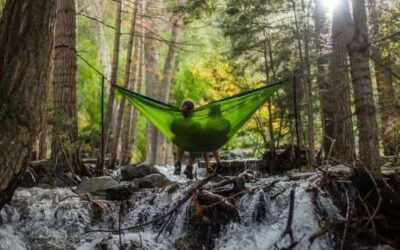
Visiting the countryside can offer a much-needed break from the typical hustle and bustle of the city. Many have even decided to move to rural areas for a slower pace, wide-open spaces, fresh air, quieter surroundings, and a closer connection to nature.
But leaving the urban cityscape for the rural landscape can be a big change. Before we dive into the world of real estate and moving trucks, let’s go over what we should know while considering the country life:
- What country living can entail
- Why many people want to leave the cities
- Benefits of rural living
- Challenges of rural living
- Deciding whether to make the move
To start with, let’s clarify what “living in the country” really means today.
What does it mean to live in the “country”?
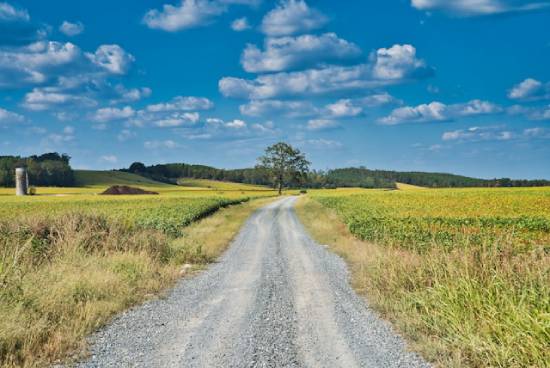
Photo by Clint Patterson on Unsplash
When you hear phrases like “country homes,” “rural living,” or “outside city limits,” you might reflexively think of farms, large fields, dirt roads, etc.
But interestingly enough, the “rural” designation by the US Census Bureau (which essentially means anything “not urban”) is mostly based on population numbers rather than location, landscape, or other things we often associate with the term.1
To many people today, country living might just mean living farther away from densely populated areas or metropolitan city centers. They want to live where things are more spread out.
Additionally, it’s easy to think of meadows, forests, or mountains when we think of living outside of the cities. But there are also numerous “country” dwellers who live in deserts, wetlands, or even near the ocean.
How people live in the countryside can also vary.
Some of us might daydream about picturesque small towns, secluded cottages on hillsides, rustic barns, or log cabins in a forested middle-of-nowhere.
But today, there are many more alternatives to city living that can fit a wide spectrum of lifestyles, priorities, and preferences, such as:
- Modular or manufactured homes, whether in a community or on private land
- Full-time RV or converted van living (“vanlife” communities)
- Liveaboard marinas or floating home communities
- Tiny homes
- Agrihoods
- Modern homesteading
- Resource- or industry-based housing communities (fishing, logging, drilling, mining, etc.)
- Ranchettes
- Multigenerational compounds
- Barndominiums
- Off-grid communities
- “Exurbs”
- Ecovillages
And that’s certainly not all. Niche-driven communities continue to sprout up all around the world.
So regardless of how people want to live in rural areas, there’s a shared appeal to being farther away from urban areas. Most people who have made this decision—regardless of which approach to non-city living they prefer—note similar reasons.
Why do people want to move to the countryside?
While being in the cities has its perks, here are common topics that emerge among people who want to leave them.
- Cost of living: Housing in areas of higher population generally costs more. And more people means more demand for goods and services, so businesses in these areas will often raise prices, too.2
- Crime and violence: Large cities have a reputation for higher crime rates, car accidents, gang activity, protests, crowd-related altercations, etc.
- Noise: Whether it’s due to traffic, machinery, or just lots of people being loud, areas of dense population tend to be noisier.
- Pollution: Concerns about water or air quality are common among city-dwellers. Larger cities usually have more vehicles, more machines, more waste, and more harmful chemicals and emissions. This makes it more difficult to keep the local air and water clean.
- Stress and burnout: Urban lifestyles often foster a “go-go-go” mentality, especially where jobs are competitive, entertainment options are endless, and everything is open late.
- Lack of privacy: Houses in the cities are built closer together, so more people have to live more of their lives in close proximity with others.
While every city can have a different mix or a varying severity level of these issues, they’re all understandable reasons for hoping the grass will be greener on the country side.
Potential benefits of country living
And aside from common concerns about city-living, many people aspire toward certain benefits they hope to find when establishing a home in the countryside:
- Closer to nature
- Simpler life
- Slower pace
- Lower stress levels
- Stronger sense of autonomy
- Smaller, more close-knit communities
- More privacy
- Quieter
- Cleaner air
- More opportunities for rest and reflection
- Less dependence on external activities
- More space
Let’s take a closer look at a few of these.
Closer to nature
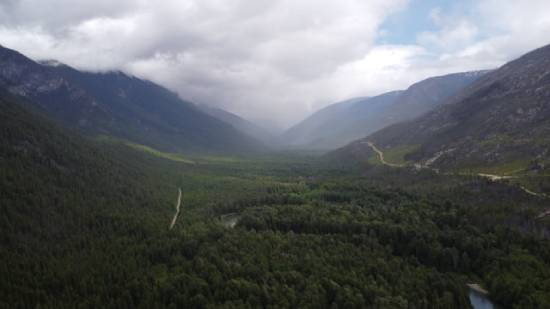
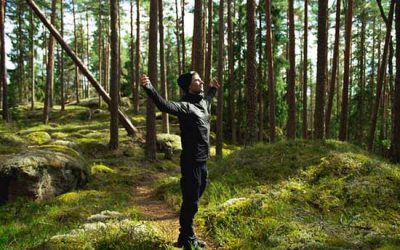
Photo by Marmot Drones on Unsplash
One of the biggest reasons people are attracted to the country is the closer proximity to the “great outdoors.” If you live in the city and step outside, you’re more likely to see an endless sea of houses, tall buildings, fences, billboards, etc.
And the more cities sprawl outward, the farther we feel from actual “nature.”
But imagine being able to open your door to greenery, mountains, trees, clean air, wildlife, and open skies. You get to feel the ground under your feet instead of only pavement.
And being closer to nature does more for us than just giving us something pretty to look at. It’s widely known that getting outside has many health benefits, both physical and mental, and can contribute to a higher quality of life.
How nature helps the body
- Being outside tends to encourage physical activity, which in turn enhances our overall well-being. Especially if we live closer to good locations for hiking, rock climbing, swimming, kayaking, etc. And since rural properties often need more care and upkeep, you can take pride in the care of your home while also enjoying fresh air, movement, and sunshine.
- Some research indicates that being in “green spaces” improves quality of life and reduces mortality rates.3
- Being outside—especially in green areas like forests—can lower blood pressure and improve heart conditions.4
- It can boost the immune system by helping the body produce cells that fight cancer.5
- It has a positive impact on sleep quality.6
- With less noise pollution, the countryside tends to be quieter, and most of the ambient sounds come from nature (rain, birds, streams, breezes, etc.).
- Less light pollution means seeing the stars more clearly at night and letting our bodies’ circadian rhythms adapt to nature’s cues for rest.7
- More opportunities to get out in the sun (while being careful not to overdo it!), which fuels the body’s synthesis of vitamin D.
- There’s usually cleaner air (depending on location or season), meaning fewer toxins or irritants for our lungs to deal with. And that can mean better absorption of the molecules we’re supposed to get from the air we breathe.8
How nature helps the mind
There are also several ways that being closer to nature can help lower stress levels.
- A practice called “forest bathing” has been shown to help relieve anxiety, depression, and chronic stress.9
- Studies suggest that being out in nature can help calm anxiety and rumination by helping people detach from a large number of life’s typical stressors, while also feeling more connected to the world around them.10
- Spending time outdoors has also been found to improve brain activity and function.11
- Being outside can slow down our perception of time.12 Especially when we’re so used to feeling rushed, this effect can naturally help us feel more relaxed and present.
Being close to nature can also have spiritual benefits. Being outside can give us opportunities to learn more about God as our Creator. So many Bible passages talk about how His character and power can be revealed through the world He created for us.13
Another attractive aspect of country living is its relative simplicity.
Simplicity
Compared to the common complexities of city life, country life is often quieter, more private, and more straightforward.
- For many, being away from busy cities can make it easier to maintain a slower pace of life, encouraging a moment-by-moment approach to each day.
- The countryside is less likely to overstimulate our senses, which helps us become more grounded, present, and relaxed.
- As we pull away from the constant activity of cities, we can be more intentional about filling our days with simple pleasures.
- Less reliance on convenience or technology can often mean more opportunities for being resourceful, creative, and hands-on.
Autonomy
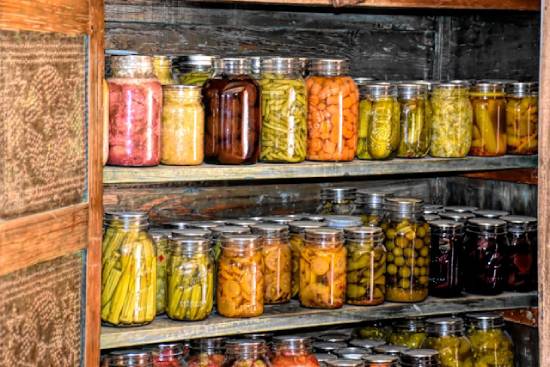
Photo by Ray Shrewsberry on Unsplash
Another part of country living that draws people in is the hope to have more freedom. Many even aspire to becoming self-sufficient.
When you live well outside city limits, you’re likely to have more flexibility to decide how you want your home to look, feel, and function (especially compared to city neighborhoods with strict homeowners associations). And if you move to a more remote location, you may have access to natural resources, allowing you to be more self-reliant and possibly able to live off the grid.
Many rural and small-town residents learn to become more resourceful and self-sufficient in the following ways, whether as part of their careers or as hobbies.
- Farming/gardening—Growing your own food is a lot of work, but it can be very rewarding (and very tasty). It can also be healthier, especially if you’re able to forego pesticide use and grow organic produce. And depending on how much you grow, you could sell your surplus at farmers markets.
- Raising livestock—Even in small numbers, cows, goats, chickens, or ducks can supply you with meat, milk, and eggs from a source you know and trust.
- Food preservation—When you buy things in bulk or grow more than you can currently use, learning various preservation techniques allows you to stock up for emergencies or harsh winters, create long-term meal plans, or make some extra income selling your preserves.
- Composting—Not only does it provide a method of organic waste disposal, it also benefits your garden.
- Making things from raw materials—Country life often attracts DIY-ers of many skillsets. With more space for storage and workspaces, it can be easier to invest in bulk items or produce your own materials for your handicrafts.
- Using eco-friendly or renewable energy sources—Some rural settings can allow for alternative power sources, such as solar panels, wind turbines, micro hydro systems, or geothermal heat pumps.14
- Many country dwellers have also found ways to reduce their reliance on electricity or fuel:
- Strategically-placed shade trees
- Wood stoves
- Manual tools
- Handwashing laundry
- Line-drying laundry
- Filtering and reusing greywater
- Walking, biking, or horseback riding
- Many country dwellers have also found ways to reduce their reliance on electricity or fuel:
- Beekeeping—If you’re willing to learn this skill, it has some great perks. Aside from being a source of honey and beeswax, the bees can pollinate your garden.
- Rain collecting—A simple, straightforward way to conserve water, keep your garden healthy, and become more self-reliant. Many have even created purification systems to work with their rain barrels. Just make sure you’re following the guidelines of your state or county.15
Smaller communities
When living in the city, you’re likely to come in contact with several people each day. But how well do you know them all?
In smaller communities, it can be easier to build closer relationships or more meaningful connections due to proximity, consistency, familiarity, and more chances for collaboration.
While every town is different, of course, with its own collective personality, it’s more likely that those in rural communities will care about who they see each day. These are the people they work with, do business with, go to town hall meetings with, etc. So, when times get tough, they often help each other out more.
There can also be a sense of protection and collective ownership of the town because actions can impact a tight-knit community more than a larger, more scattered area. News can travel fast when something goes wrong, so instigators may find it harder to blend in a community where people who already know each other can tell when something’s off.
Small-town communities have the potential to feel like family when everyone gets involved and works together to thrive.
It’s understandable why people consider leaving the cities.
But before jumping into it, it’s important to understand that rural life also has its downsides.
Potential challenges of country living
If you’ve looked up country living or homesteading on social media, chances are you’ve seen many posts that make it look like a trendy aesthetic—lush gardens, idyllic landscapes, cotton and flannel clothes, and people sighing blissfully while sitting outside with a cup of tea.
While all those can indeed be a part of rural life, it’s important to remember that it can also be challenging, messy, and require a lot of learning, time, and effort. Living outside of the city means you will need to know how to do more things on your own.
Just to be clear, the following information isn’t meant to discourage anyone’s desire to move to a rural setting in pursuit of country living’s ideals. But it’s always a good idea to have a realistic pros and cons list based on your individual or family preferences, priorities, needs, and abilities, because:
- Making the move is a significant investment, even if you end up with a lower-cost lifestyle after you get established.
- You may end up driving or traveling more, depending on where you need to go each week.
- It takes more effort and planning to establish a country home.
- You may be closer to nature’s wild side than anticipated.
- It won’t be as easy to find work outside of the home.
- It can be lonely. Even if you move to a small town, it can sometimes take a while to “break in” to the already-established relationships, routines, and quirks of the community.
Let’s talk more about the transition first.
It takes planning, adjustment, and investment
It is commonly believed that country living has a lower cost of living. While that can be true, it can also be expensive to move there and get what you need to successfully adjust.
Know what to look for when buying property. If you want to build a home, look up what requirements you’ll need to care for the property.
Setting up gardens or farms also involves significant up-front costs, so it helps to research your options and work out what you’re able to realistically start with.
Moving from the cities to the countryside can also be a big adjustment. If you’re used to the lights and sounds of the city, a darker, quieter environment can take some getting used to. And even if you know what you want to do and have the tools, it’s possible to experience some culture shock when settling into a new environment with new human beings. But because rural life can take on different forms and levels of intensity, the need for adjustment will vary.
One of the biggest changes to get used to is the fact that there’s going to be more to do each day, just to maintain your household and property.
It’s a lot of work
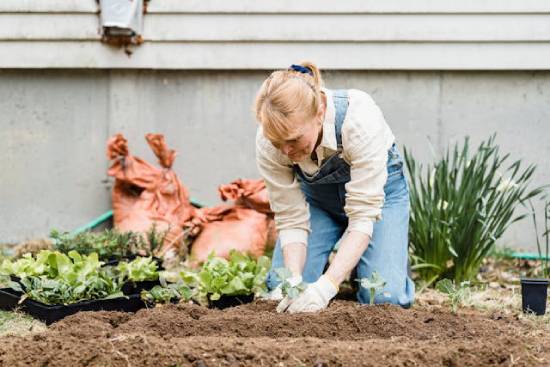
Photo by Greta Hoffman
If you’ve decided that country living is the goal for yourself or your family, chances are you already know and have considered these things. But when making a big change, sometimes we can miss things just because we don’t always know what we don’t yet know.
So if your goal is to become self-sufficient, that means putting in the effort to learn and practice what to do. While there are days to rest and enjoy the slow pace, a lot needs to be done to keep the place running, especially if you’re independent of urban resources. Owning your own property also means you’re in charge of all the upkeep.
If you plan on raising livestock, the animals need to be continuously fed, cleaned, protected, and have access to a good vet. And you’ll need to be absolutely sure that their enclosures are sufficient and sturdy.
Gardens and fields need to be routinely watered, fertilized, pruned, and harvested. Larger properties challenge people to think of ways to work smarter instead of harder for efficiency’s sake.
Thankfully, this can be done ethically and safely, if you’re willing to do the research and learn what to do.
Something else to keep in mind is that the farther you are from town, the farther you are from convenience.
Distance and longer commutes
Being out of the city means fewer job opportunities and being farther from stores, offices, healthcare centers, etc. Trips will need some extra planning to save time and fuel.
Efficiency is also key. If you make fewer trips, you’ll need to make sure to get everything you need or be prepared to do without until the next trip to town.
And because you’ll be farther away from town and its resources, it’ll be important to learn how to live without some things or make do with substitutes or alternatives. There may not be many restaurants or fast food options, so cooking and storing your own food will be a necessity.
Learning about first aid, natural remedies, and taking preventative measures for health can come in handy when you don’t have immediate access to a clinic or pharmacy.
But sometimes, the natural world brings its own challenges.
Challenges with nature
The closer we get to nature, the closer we are to wildlife and weather. The city has its fair share of rats, raccoons, squirrels, and pigeons. But in the big outdoors, be prepared for more!
Again, this will look different depending on the region. For example, North America has multiple climates. Bears, wolves, and mountain lions live in mountains and forests. And sometimes a large number of deer could take over your yard.
Deserts are often crawling with snakes, scorpions, and lizards. And swampy areas can have alligators and crocodiles. (And some creatures, like spiders, are just everywhere.)
You’ll also encounter more natural noise from insects, frogs, birds, and coyotes.
As for weather, you’ll want to learn which potential weather hazards to look out for, such as wildfires, hurricanes, floods, landslides, tornadoes, or snowstorms.
It may sound intimidating, but when you learn what to expect, you can also learn how to prepare and protect yourself and your home from natural disasters and unexpected visitors.
It can be lonely
Yes, we just mentioned how rural areas and small towns can have close communities. But not every place has those communities, or they can be hard to settle into.
Country living can be a lonely lifestyle if you’re frequently away from other people, and adjusting to any new group of humans can be a struggle. Even those who choose to live in a more private, secluded setting may experience loneliness or even anxious feelings while getting used to this new living arrangement.
And while there’s often a community-focused, collaborative spirit among smaller towns, if you don’t immediately share any of their interests, preferences, or colloquialisms, it can be more difficult to find your niche.
Unexpected loneliness can be especially hard when the circumstances are set up to promote and sustain seclusion. And yet those moments can also be turned into beautiful opportunities to deepen our spiritual life and learn to lean on God more and more.
So even if it’s hard at first, it doesn’t mean you’ll never settle in. It usually just takes time.
Country living is definitely doable, and there are many, many excellent reasons to pursue it. But if you’re still trying to decide if it’s right for you, here are a few things that can facilitate a realistic consideration process.
Deciding if a move to the country is right for you
It’s not hard to find someone gushing about how great it is to live in the country (especially if they’re vlogging about it). Unfortunately, that can feed a growing tendency to romanticize rural living, only to have that bubble burst when blindsided by unexpected challenges.
Life is always a trade-off. And just like city living, country life has its downsides, too.
So as you research the type of locations and lifestyles that interest you, make sure to ask yourself the following questions.
Is country living reasonably doable for my family right now?
This is more about timing than anything else. Maybe you’ve been thinking about this for a long time, but would the disruption to your current situation cause extra difficulty? What would be the pros and cons of making the move sooner rather than later, or in 3 months compared to 1 year?
This is where you look at how a move like this might affect all parts of your life that are in motion: jobs, schools, medical needs, mental health needs, finances, current community or social connections, extended family relationships, etc. Because a move to an entirely different style of life, even if the distance you’re moving isn’t terribly far, makes a difference for all these things. So
it’s well worth your time to intentionally consider each one.
And it’s always a good idea to ask God for guidance in prayer. If it looks like you can do it, then the next step is planning.
Determine what you need to move
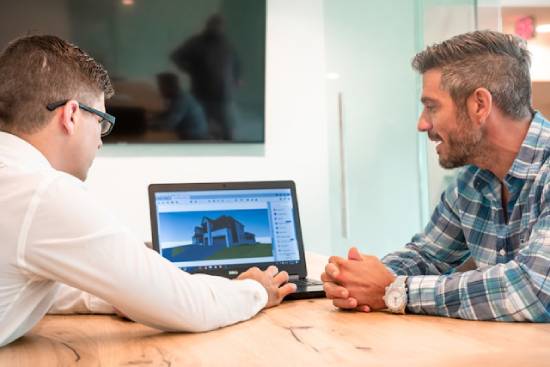
Photo by Grove Brands on Unsplash
Like with any big change or project, insufficient planning can lead to unexpected chaos. You’ll need to do research and planning specific to your family’s needs, but here are some of the basics to make sure you’ve truly discussed and answered questions like:
- Where to look for property/housing?
- How much liquid money needs to accumulate before the move?
- What skills will you need a working knowledge of before moving in?
- What basic needs must be arranged for prior to moving?
- Have you written up a prospective budget of not only what you’ll need to move, but to get settled?
When a big decision becomes real, it can suddenly feel overwhelming even when it didn’t before. It’ll help to do your planning and preparation one step at a time.
Also take note that the options you want may not be readily available, or you’ll need to make certain adjustments over time.
Some people can afford to buy a house that already has most of what they need, but most of the time, repairs and modifications are needed so it can match your plans and goals. So make sure you’re clear on what you need, what would be nice or helpful, and what you can do without until you’re able to set things up.
And if you plan to build or do major remodels, make sure to research the area’s regulations and to see if permits or other special arrangements might be required.
As for planning your new budget, it can help to look for guidance from a professional that is familiar with the area you’re moving to. But to get you started, try to get some reasonable estimates of moving costs, repair or maintenance costs, and utility costs.
It may help to ask more specific questions on travel sites, reddit, or other places where real people, instead of businesses or local government, can tell you what to expect.
If you decide you want to work toward a self-sustaining property, then you probably already have some plans and research data. But it will also be good to look up specifics for your intended location, like where you can purchase solar panels, generators, or supplies for wells or other types of water systems. Especially if you might need servicing or repairs from time to time.
When you’ve got the logistics down, the next course of action would be figuring out what you’ll need to do to help the move go smoothly. (Because it’s easy to get excited and unintentionally skip over some of the basics.)
- Look up real estate companies and agents who specialize in rural properties.
- Determine if you’ll need to hire movers or if you want to load and drive your own vehicle or a rental.
- Arrange for time off from work and school.
- Allow for time to get settled and adjusted.
- Allow for patience when starting to find your place in a community, especially if you’re moving farther away from friends and family.
But what if, after going through all these steps, you’re having second thoughts? Could country life be out of reach?
What if moving isn’t doable? (And what you can still do.)
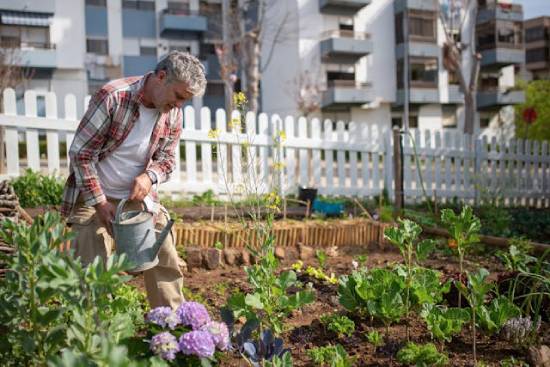
Photo by Kampus Production
It’s okay if you realize you’re not able or ready to make this big shift. If you need more time, you can map out a plan to prepare for things in steps.
Or you can find some creative ways to bring some of the best parts of a country lifestyle into your urban home.
- Start a small container garden. You can grow herbs and vegetables on a windowsill or balcony. And just a few household plants can make a big difference for the atmosphere of your home.
- Learn how to preserve and store produce, whether it’s from the store, the farmers market, or a bulk supplier.
- Look into local food co-ops or community gardens.
- Start cooking most of your meals at home. There are thousands of videos across social media platforms that feature recipes and cooking with healthy, sustainable ingredients, or even recipes or meal plans meant to utilize a home garden.
- You might not have to wait for workshop space to start learning about or practicing a new hobby. Look up what you need to begin something like sewing, knitting, metalworking, camping, or growing specific things. You might even find local groups or meetups that can help you get started, and possibly lead to new friendships.
- Be intentional about utilizing your local park areas, or look up new places to visit within a reasonable distance, like botanical gardens, zoos, nature reserves, animal rescue facilities, or recreation centers. Some places offer memberships, volunteer programs, or you can get on their mailing lists for events, programs, etc.
So even if you decide the countryside isn’t a viable option at this time, see what you might be able to learn, accomplish, and enjoy from ideas like these.
Living in the country certainly can have its benefits, especially if you’re looking for something dramatically different than typical city living. If you’re up for the challenge and can reasonably provide for your family’s needs, then go for it! But you don’t have to feel defeated or inadequate if things don’t line up like you’d planned or hoped. These days, it can be more difficult to relocate in general. (And, as population grows, it’s getting harder to find open spaces in desirable locations.)
But if you have made a committed goal to embrace rural life, continue to pray for guidance and be open to whatever opportunities might come about. There may be a pathway to country living you have yet to discover!
Want to learn more about different things you can do to make your life simpler and healthier?
Related Articles
- “What is Rural?,” U.S. Department of Agriculture. [↵]
- “Population and Economics,” PopulationMedia.org. [↵]
- Jimenez, Marcia P. et al., “Associations between Nature Exposure and Health: A Review of the Evidence,” National Institutes of Health’s National Library of Medicine (April 30, 2021). [↵]
- Ibid. [↵]
- Ibid. [↵]
- Nejade, Rachel M.; Grace, Daniel; Bowman, Leigh R., “What is the impact of nature on human health? A scoping review of the literature.” Journal of Global Health (December 16, 2022). [↵]
- Suni, Eric, reviewed by Singh, A., MD, MPH, FAASM, “Light and Sleep,” (2023). SleepFoundation.org. [↵]
- “What Makes Outdoor Air Unhealthy,” American Lung Association. [↵]
- Jimenez, Macria P. et al. [↵]
- Ibid. [↵]
- Ibid. [↵]
- Ogden, Ruth and Thompson, Jessica, “Being in Nature Has a Profound Effect on How You Experience Time.” ScienceAlert (March 26, 2024). [↵]
- Genesis 1:11-12; Isaiah 42:30; 45:12; 1 Chronicles 16:33; Nehemiah 9:6; Job 12:7-10; 38-41; Psalm 8; 19:1-6; 96:11-12; 104:24-25; 148; Matthew 6:28-32; Romans 1:20. [↵]
- U.S. Department of Energy, “Renewable Energy,” https://www.energy.gov/topics/renewable-energy [↵]
- “Rain Water Harvesting Tool,” U.S. Department of Energy, https://www.energy.gov/femp/rainwater-harvesting-tool?nrg_redirect=464520 [↵]