
When we think about the biblical Creation story, we think of just that: the world being created by the Creator. And while God’s creation of the world is marvelous and miraculous in its own right, it’s about far more than the sudden appearance of plants, animals, and humans.
Creation is one of our greatest examples of God’s beautiful love for us and for this world. God created the earth so He could commune with us more closely, and vice versa. He also created it for us, giving it to us so we could take care of it.
In fact, the earth was meant to be like a temple where we could perpetually dwell in God’s presence. No pain, no suffering. Just a beautiful relationship with God.
Let’s take a trip back in time to explore the account of Creation as we find it in the book of Genesis. We’ll discover what Scripture tells us about things like:
- The purpose of God’s creation
- A literal 7 days of creation
- A special seventh day of rest
- God’s model for life and for eternity
Let’s start with the “why” behind creation.
What was the purpose of God’s Creation?
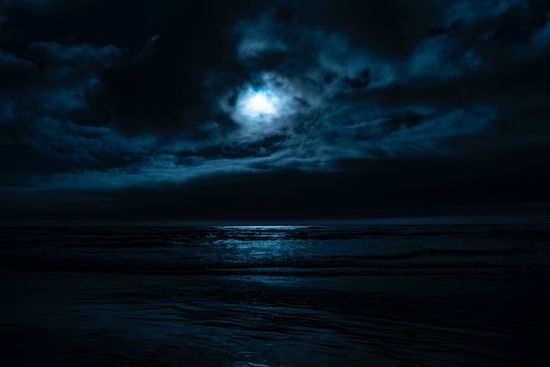
Photo by Kyle Johnson on Unsplash
God created a beautiful, perfect world for us to live in. And He created us in his own image to be able to receive His love, love the people and the world around us, and to freely return that love to Him.
This question can also be asked of a couple who desires to have a child. What is the purpose of having a child? Well, ideally, a couple would want a child to love and nurture a new human being. To bring it happiness and joy. To build an environment that helps them thrive and live a full life.
The same can be said of God and creation.
We can better understand this answer by looking at who God is. What is His character, and what purpose could He have had to create this world and humanity?
The Bible tells us that God is love (1 John 4:8). It also tells us that He is nurturing and creative (Isaiah 49:15, Psalm 104:24).
These aren’t just characteristics of God—this is who God is! God is our ultimate example of love and creativity.
God’s creative power, exemplified in the beauty of Creation, is an expression of His power, His selflessness, and His infinite love.1
While we don’t know the status of other galaxies and worlds in the universe, the Bible tells us that our earth was without form before Creation (Genesis 1:2). There was no organization of time, matter, or anything else.
Over 6 days, God took the dark, formless earth and organized it into something beautiful that all of His creations could share and cultivate.
What an amazing gift: to be given the free choice to love God, love others, and love our earth.
Let’s take a deeper look into each of the 7 days to learn more about what God created.
Were there only seven days of creation in Genesis?
Before diving into the specifics of each day, let’s answer a commonly asked question: did God really create the world in only seven days?
The Bible says that yes, God did create the world in six days, and He made a point to rest on the seventh day in order to reflect upon it. This span of time would be what we know as a week today.
For example, the story of Creation in Genesis, the first book of the Bible, separates the account of each of the days with “and there was evening and there was morning,” marking one day, not an ambiguous span of years (Genesis 1, ESV). Another example is in the Ten Commandments God gave to Moses: “In six days the Lord made the heavens and the earth, the seas and all that is in them, and rested on the seventh day” (Exodus 20:11, NKJV).
When we look at the world and its complexity, it’s hard to imagine it could be created in six days, but God is all-powerful and possesses the amazing ability to command molecules together in an instant!
And the order of creation is important to note, too. In the first three days of creation, God brings order to formlessness and organizes three distinct realms: day and night, the sky and the waters, and the earth. In the last three days of creation, God fills those uninhabited realms with creations to live or dwell there: the sun, moon, and stars, the fish and the birds, and creatures of the land, including humans.
Now let’s explore each day in particular.
Day 1: Day and night

Photo by Casey Horner on Unsplash
On the very first day of Creation, God created light.
With just a simple phrase, “Let there be light,” God filled the darkness with His glorious light and separated the two from each other.
When He saw that He had divided the light from the darkness, He proclaimed that it was good, called the light day and the darkness night (Genesis 1:3-5). This also means that on the first day, God established our conception of time.
Day 2: Sky and seas
On the second day of Creation, the Bible tells us that God created the “firmament” (Genesis 1:6). This isn’t a word we hear or use very often, but essentially, the firmament means the heavens or the sky.
So, the unformed waters from the beginning of the creation story are separated from the sky or the atmosphere (Genesis 1:2; Genesis 6:7-8). God creates two distinct spaces here: the skies and the seas.
Day 3: Dry land
On the third day, God created the dry land and separated it from the waters. The Bible verse Genesis 1:11 tells us that He gathered the land together and said, “Let the earth bring forth grass, the herb that yields seed, and the fruit tree that yields fruit,” and it happened!
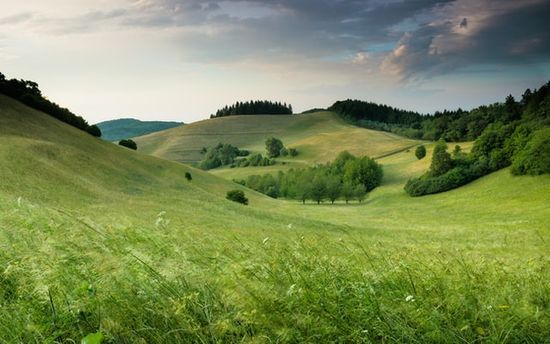
Photo by Claudio Testa on Unsplash
Imagine barren land suddenly sprouting soft green grass, hillsides filled with flowers, and fruit trees loaded with delicious fruit to eat. Sounds like paradise, doesn’t it? God planned it to be a perfect place for His creatures to dwell in.
At the end of the third day, once again, God saw that “it was good” (Genesis 1:12 NKJV).
Day 4: Sun, moon, and stars
On the fourth day, God created the sun, moon, and stars to fill the day and the night with the greater light (sun) and the lesser lights (moon and stars) (Genesis 1:16).
You might be wondering: “Wasn’t there light on the first day?” And the answer is yes. God Himself is a source of light. And while there was light on the first day of Creation, God harnessed that light into the system of the sun, moon, and stars to help us keep track of seasons, days, and years (Genesis 1: 14).
Day 5: Creatures of the sea and birds of the air
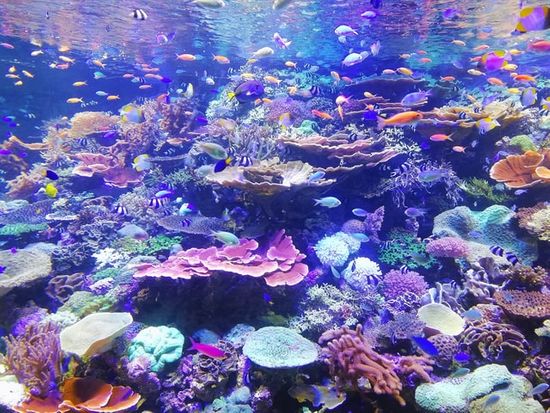
Next, God wanted to create living creatures to inhabit the skies and seas He created on the second day. So on day five, He made sea creatures to fill the waters and birds to fill up the skies.
God also commanded these living things to “be fruitful and multiply” (Genesis 1:22 NKJV). God wanted the earth to be abundant with life.
Day 6: Land animals and humans
On the sixth day of creation, God made creatures to dwell on the earth to enjoy the fullness of beauty and sustenance the earth was filled with. Anything that lives on dry land, the creeping things, God created on this day.
God also created humanity on this day.
There’s something different about the way God created humans. Something more special, more intimate.
Instead of just speaking humanity into existence like He did for everything else, God formed us out of the clay of the ground and filled us with the breath of life (Genesis 2:7).
Isn’t it incredible to think that God took the time to shape us and breathe life into us? He cares for us so much that He even made us in the image of God—giving us the ability to create and be creative too (Genesis 1:28)!
God also made humanity to care for the home He created for them: the earth. Just as God nurtured the earth throughout creation, we were to continue to nurture and care for it, reflecting God’s representation, His own image, to all of Creation.
In the book of Psalms, the poet David reflects on this purpose for humanity:
Photo by Ryan Holloway on Unsplash
“What is man that you are mindful of him,
And the son of man that you visit him?
For You have made him a little lower than the angels
And You have crowned him with glory and honor.
You have made him to have dominion over the works of Your hands;
You have put all things under his feet,
All sheep and oxen—
Even the beasts of the field,
The birds of the air,
And the fish of the sea
That pass through the paths of the seas.
O Lord, our Lord
How excellent is Your name in all the earth!”
(Psalm 8: 4-9, NKJV).

What an incredible gift God has given us.
So the sixth day of Creation ended with an earth full of life and beauty. Wouldn’t it make sense for God and His creations to take the time to enjoy it?
Well, that’s exactly what happened next.
Day 7: A day of rest
On the seventh day of creation, there wasn’t any creation happening at all, actually! Still, the seventh day from the Creation account is a special one because on this day, God rested from His work and enjoyed the beauty of the earth and of nature. This day is the climax of all of creation.
The Word of God tells us that, because God rested on this day from His handiwork, He sanctified it, or in other words, He made it holy (Genesis 2:3; Exodus 20:11).
This seventh day is also in the Ten Commandments, and it’s what God calls the Sabbath day (Exodus 20:8-12). It’s a day of peace and rest, not a day of work. It was ordained since the very beginning of the world, and God meant for all His creation to be in communion with Him, especially on this day.
This is also a day to reflect on the magnitude and complexity of God’s creation. To “behold the evidence of God’s wisdom and goodness, that our hearts might be filled with love and reverence for our Maker.”2
But what is the purpose of the seventh-day rest? Did God need to rest?
Why a day of rest?

Photo by Arthur Poulin on Unsplash
When we think of a God who can literally speak things into existence, we don’t really think of a being who needs to take a break. And of course, because God is all-powerful, He didn’t need to rest.
However, God gave us a day of rest as a gift. The seventh-day Sabbath was established at Creation as a memorial to God’s power, holiness, and love for us.
What’s more, this wasn’t to be merely a break from activity for the sole purpose of restoring energy. This is rest in the fullest sense, where one switches from producing things to enjoying things. Noticing. Contemplating. Intentionally focusing on the intricacies of life that we so easily miss when we’re stressed out or in a hurry.
Have you noticed that if you go, go, go without stopping, sometimes you can forget what truly matters in life? The Sabbath is an act of resistance against that! God knew we would need rest, so even in the paradise of a sinless, new world, God set aside holy time for rest.
When we keep the Sabbath day, we are celebrating God’s creation and how He paused to take it all in on the seventh day.
The Sabbath is just one of the aspects of the Creation story that serve as our model for life right now and for life in eternity. Let’s talk a bit more about how the model of Creation and the Garden of Eden can add fullness to our lives.
4 things we can learn from Creation about God’s purpose for life and for eternity
In the story of Creation, we find God’s ideal model for life. We can learn from that model to live more fully now, as well as gain a better understanding of what life will be like in Heaven and on our restored planet.
So what can we learn from the Creation story about God’s purpose for humanity and for eternity? God created us to:
- Nurture His creations and allow His creations to nurture us
- Create and be creative
- Cultivate relationships with Him and with each other
- Enter into celebration and rest with Him
Nurture and be nurtured by God’s creations
First of all, we can learn that God made us, not only to nurture His creations, but also to be nurtured by His creations.
When we take care of God’s earth, the earth takes care of us. Everything God created works in relationship, reflecting God’s nature of selfless love throughout His creation.
Create and be creative

We can also learn that God desires for us to both create and be creative. When God made us in His image, He endowed us with His creative ability.
Humanity’s ability to bear and nurture children is one way we can reflect God’s nature (Genesis 9:7). However, our beautiful talents of art, writing, music, science, architecture, etc. are all examples of God’s creative image! We can use these talents to praise God and celebrate His original creation.
Cultivate relationships with Him and others
God’s purpose for creating humanity shows us that God is relational. He desires to love us, and in return, gives us the choice to freely love Him back. We can also see the relational character of God in the way He created Adam and Eve to work together and dwell in the Garden of Eden (Genesis 2:21-22).
Enter into celebration and rest with Him
As we’ve discussed, Sabbath was established at Creation. God created a framework in which we can work and create but also rest and celebrate His creation. And the Sabbath is an opportunity for us to cultivate our relationship with God and enter into His presence.
Creation is all about God’s love for us
The Creation story is marvelous. It simultaneously shows us God’s power, love, holiness, character, and ideal model for our lives now and for eternity.
When we spend time reading about the Creation story, we can more excitedly look forward to a new earth when Jesus comes again and restores us back to the beauty of a sinless world.
But until then, there is plenty to learn about how to live like God’s people in this world. If that sounds like something you’d like to do, you can check our Sabbath page or our Bible studies page.
Related Articles


More Answers

The Barren Fig Tree Parable: What It Means to Bear Fruit
Find out what the Parable of the Barren Fig Tree really means.

¿Qué son las reuniones evangelísticas adventistas?
¿Qué son las reuniones evangelísticas adventistas?La Iglesia Adventista del Séptimo Día pone un gran énfasis en compartir el evangelio mediante la evangelización, o compartir el evangelio a través de la predicación, la enseñanza y el testimonio. Una de las formas en...
O que são os Encontros Evangelísticos Adventistas?
O que são os Encontros Evangelísticos Adventistas?A Igreja Adventista do Sétimo Dia dá grande ênfase ao compartilhamento do evangelho por meio da evangelização, ou seja, compartilhar o evangelho através da pregação, ensino e testemunho. Uma das formas de realizarmos...

O Que os Adventistas Acreditam Sobre Fé e Obras?
O Que os Adventistas Acreditam Sobre Fé e Obras?Os adventistas acreditam que somos salvos pela fé, que é a crença e confiança que temos em Jesus Cristo para nos salvar dos nossos pecados. Jesus, então, nos capacita a viver em harmonia com os mandamentos de Deus e a...
¿Qué creen los Adventistas sobre la fe y las obras?
¿Qué creen los Adventistas sobre la fe y las obras?Los adventistas creen que somos salvos por la fe, que es la creencia y confianza que tenemos en Jesucristo para salvarnos de nuestros pecados. Jesús, entonces, nos capacita para vivir en armonía con los mandamientos...

Je, Ninahitaji Kuwa Mwadventista Ili Niokolewe
Je, Ninahitaji Kuwa Mwadventista Ili Niokolewe?Jibu la swali hili ni rahisi, “hapana.” Linapokuja swala la wokovu katika Yesu Kristo, kinachohitajika kwa mtu ni kukiri dhabihu ya Yesu kwa ajili yetu, kuamini kwamba Ametuokoa, na kudai zawadi ya bure ya wokovu ambayo...
¿Necesito ser adventista para ser salvo?
¿Necesito ser adventista para ser salvo?La respuesta a esta pregunta es simplemente, “no.” Cuando se trata de la salvación en Jesucristo, todo lo que se requiere de una persona es reconocer el sacrificio de Jesús por nosotros, creer que Él nos ha salvado y reclamar el...
Preciso ser Adventista para ser salvo?
A resposta para essa pergunta é simplesmente: “não.”

Lo que la Biblia dice sobre la Segunda Venida de Jesucristo
¿Tienes curiosidad sobre lo que la Biblia dice acerca de la Segunda Venida de Jesucristo? Cubriremos los versículos clave y su significado.

¿Quién fue Mateo, el apóstol, en la Biblia?
En el primer libro del Nuevo Testamento, encontramos la historia del Evangelio desde la perspectiva de Mateo.
2 Corinthians: An Overview of Paul’s Most Personal Letter
Discover Paul’s lessons on forgiveness, reconciliation, generosity, and more. It’s all in the book of 2 Corinthians!
Quem Foi Mateus, o Apóstolo, na Bíblia?
Quem Foi Mateus, o Apóstolo, na Bíblia?No primeiro livro do Novo Testamento, encontramos a história do Evangelho sob a perspectiva de Mateus. Ele era um coletor de impostos judeu de Cafarnaum, no primeiro século d.C., e provavelmente era desprezado pelos outros judeus...

The Pharisee and the Tax Collector Parable: Its Meaning Made Simple
The Meaning of the Pharisee and the Tax Collector ParableIn Luke 18:9-14, Jesus told a parable about two men who went to the temple to pray. One was a Pharisee and the other a tax collector. The Pharisee prayed (well, bragged) about his own good works compared to the...
Biblia Inasema Nini Kuhusu Ujio wa Pili wa Yesu Kristo
Unajuliza Biblia inasema nini kuhusu Kurudi kwa Yesu Kristo Mara ya Pili? Tutajadili aya kuu na maana zake.

The Story of the Widow’s Mite—What It Really Means
The Story of the Widow’s Mite—What It Really MeansPeople often assume bigger is better, but the Bible turns this concept on its head with the story of the Widow’s Mite. Of all the donations Jesus sees at the temple, the gift that draws His attention is not the...

Consejo de Elena G. de White sobre la Educación Universitaria
Consejo de Elena G. de White sobre la Educación UniversitariaElena G. de White, una cofundadora importante del Adventismo, es conocida a menudo por su orientación práctica y espiritual para la educación infantil adecuada. Pero también estuvo significativamente...
Mathayo Alikuwa Nani Katika Biblia?
Mathayo Alikuwa Nani Katika Biblia?Katika kitabu cha kwanza cha Agano Jipya, tunapata simulizi la Injili kutoka kwa Mathayo. Alikuwa mtoza ushuru Myahudi kutoka Kapernaumu katika karne ya kwanza MK, na huenda alichukiwa na Wayahudi wenzake kwa kuchagua kazi hiyo....
¿Cuáles son los beneficios de vivir en el campo?
¿Cuáles son los beneficios de vivir en el campo?Visitar el campo puede ofrecer un descanso muy necesario del típico ajetreo y bullicio de la ciudad. Muchos incluso han decidido mudarse a zonas rurales para disfrutar de un ritmo más lento, espacios amplios, aire...
Quais São os Benefícios de Viver no Campo?
Visitar o campo pode oferecer uma pausa muito necessária do típico agito da cidade.
¿Qué significa la parábola de la perla de gran precio?
Esto es lo que Jesús enseñó sobre el reino de los cielos a través de esta breve parábola sobre un comerciante que encuentra una perla invaluable.
O Que Significa a Parábola da Pérola de Grande Valor?
Aqui está o que Jesus ensinou sobre o reino dos céus por meio desta parábola curta sobre um comerciante que encontra uma pérola inestimável.
Por Que Muitos Adventistas Querem Viver no Campo
Por Que Muitos Adventistas Querem Viver no CampoViver em áreas rurais é algo que os adventistas têm valorizado historicamente, embora as necessidades da vida moderna nem sempre tenham tornado isso possível. Convenhamos, as vantagens da vida na cidade são bastante...

Uma Visão Geral de Romanos: Fé, Justiça, Relacionamentos
Uma Visão Geral de Romanos: Fé, Justiça, RelacionamentosO livro de Romanos é uma das 21 epístolas, ou cartas abertas, do Novo Testamento. E embora seja um texto bíblico antigo, ainda tem uma relevância significativa (até surpreendente) para nossas vidas hoje. O...

Jesus é o Mesmo Ser que Miguel, o Arcanjo?
Jesus é o Mesmo Ser que Miguel, o Arcanjo?Muitos cristãos têm se perguntado sobre a misteriosa identidade de Miguel, o Arcanjo. Desde os primórdios do cristianismo, muitos interpretaram Miguel como o Messias identificado com a figura do Anjo do Senhor. O reformador...
Je, Faida za Kuishi Vijijini ni Zipi?
Kutembelea maeneo ya vijijini kunaweza kutoa mapumziko yanayohitajika sana kutoka kwenye pilikapilika za kawaida za mijini.
Je, Mfano wa Lulu ya Thamani Kubwa Unamaanisha Nini?
Hivi ndivyo Yesu alivyofundisha kuhusu ufalme wa mbinguni kupitia mfano huu mfupi wa mfanyabiashara aliyepata lulu ya thamani isiyo na kifani.
Kwa Nini Waadventista Wengi Wanataka Kuishi Vijijini
Kwa Nini Waadventista Wengi Wanataka Kuishi VijijiniKuishi maeneo ya vijijini ni jambo ambalo Waadventista wamekuwa wakilithamini kihistoria, ingawa mahitaji ya maisha ya kisasa hayafanyi iwezekane kila wakati. Tukubali, faida za kuishi mjini zinaonekana wazi: fursa...
Muhtasari wa Kitabu cha Warumi: Imani, Haki, Mahusiano
Hapa kuna muhtasari na historia ya waraka mrefu zaidi wa Paulo.
Sobre o que é a Parábola do Semeador de Jesus?
A parábola do semeador é, em última análise, sobre como as pessoas responderam a Jesus Cristo e Sua mensagem do reino de Deus—o Evangelho.
Didn’t find your answer? Ask us!
We understand your concern of having questions but not knowing who to ask—we’ve felt it ourselves. When you’re ready to learn more about Adventists, send us a question! We know a thing or two about Adventists.