
The Bible—without a shadow of a doubt—is the most important book. It’s the standard we use to test all other writings, including those of Ellen White.
The Seventh-day Adventist Church believes that “the writings of Ellen White are not a substitute for Scripture. They cannot be placed on the same level. The Holy Scriptures stand alone, the unique standard by which her and all other writings must be judged and to which they must be subject.”1
We get why you may be asking this question, though. It’s true that Ellen White is a figure unique to Adventism who has provided us with a lot of insights on various Scriptural topics, such as the Sabbath, the Second Coming, and the great controversy between Christ and Satan that envelops our world.
Inspired by the Holy Spirit, she received and shared insights from God that helped confirm Scriptural truths that later became Adventist doctrine.
But all her writings have pointed back to studying Scripture more deeply to understand these concepts. They originate from the Bible, not from her writings.
She herself wouldn’t have hesitated to say that the Bible is more important than her writings. We’ll unpack some of her own words as we explore these topics:
- Why the Bible is more important
- What Ellen White said about her writings
- How to use Ellen White’s writings in your spiritual journey
Let’s begin.
Why the Bible is more important
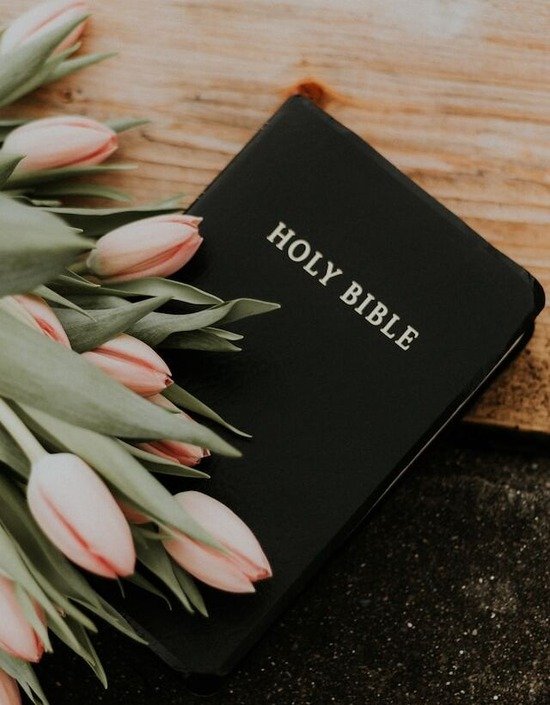
Photo by Priscilla Du Preez on Unsplash
The Bible is the ultimate authority and source of truth. Everything else—including Ellen White’s writings—must be tested by this standard (Isaiah 8:20).
As Adventist historian and author George Knight pointed out in an interview, “Without the Bible, we wouldn’t have any Ellen G. White. Her authority is derived from the authority of Scripture.”2
After all, it’s the Bible that tells us the spirit of prophecy will be one of the spiritual gifts in the last days (Acts 2:17; Ephesians 4:11-13) and that provides us with the tests of a prophet:
“The gift of prophecy is always based upon Scripture and tested by Scripture.”3
The Bible also has a different purpose than Ellen White’s writings.
It’s a timeless book that provides principles applicable throughout history. It’s our standard for evaluating every other aspect of life. And it’s the basis for every doctrine.
On the other hand, Ellen White’s writings were meant for a specific time and purpose—and they must harmonize with the standard of Scripture. They weren’t meant to provide the basis for doctrines but only to provide a greater understanding of the doctrines in the Bible.
Here’s how Gerhard Pfandl, retired associate director of the Adventist Biblical Research Institute, puts it. He said Ellen White’s writings are:
“…God’s messages for a particular people…at a particular time in history—the end time. Her writings are not a new or additional standard of doctrine, but a help for the church in the time of the end.”4
Ellen White herself very clearly understood her role. So let’s look at what she said.
What Ellen White said about her own writings and the Bible

Photo by Priscilla Du Preez on Unsplash
Ellen White saw the Bible—both the Old Testament and the New Testament—as the ultimate authority and guide for every aspect of Christian faith and life. She called her writings “a lesser light to lead men and women to the greater light”—the Scriptures and Jesus Christ.5
She always supported and upheld the Protestant principle of sola scriptura (the Bible only):
“In His word, God has committed to men the knowledge necessary for salvation. The Holy Scriptures are to be accepted as an authoritative, infallible revelation of His will. They are the standard of character, the revealer of doctrines, and the test of experience.”6
“God will have a people upon the earth to maintain the Bible, and the Bible only, as the standard of all doctrines and the basis of all reforms”7
And she recognized that the Bible was the standard to test all her teachings too.8
But sometimes, people who heard Ellen White and read her writings misused them. In these cases, she had to give some pretty stern rebukes—and rightly so.
She never wanted God’s Word to be disregarded or ignored in any way because of what she had said.
Here’s an example of a rebuke she had to write to church leaders at the General Conference because they hadn’t followed God’s guidance:
“Do not quote my words again as long as you live, until you can obey the Bible.
“When you make the Bible your food, your meat, and your drink, when you make its principles the elements of your character, you will know better how to receive counsel from God. I exalt the precious Word before you today. Do not repeat what I have said, saying, ‘Sister White said this,’ and ‘Sister White said that.’ Find out what the Lord God of Israel says, and then do what He commands.”9
One time, she even pointed out that her Testimonies for the Church books wouldn’t have been needed if God’s people had studied the Scriptures!
But because they had neglected His Word, God gave Ellen White messages to point people back to its teachings and show them how to apply them in their lives.10
So, what kind of role should her writings have today?
How to use Ellen White’s writings in your spiritual journey

Photo by Emmanuel Phaeton on Unsplash
Ellen White’s writings can provide us with inspired guidance, insight, and encouragement. But they should not take the place of Bible study. Keep the Bible as the basis for your beliefs, decisions, and actions.
If you find that Ellen White’s writings are keeping you from spending time in the Bible, then it may be time to reorient yourself. After all, she wanted us to study our Bibles more and to follow what we find there. That was one of the biggest purposes of her writings to begin with!
But truly, when we use her writings properly, it can increase our appreciation of the Scriptures and lead us to want to study it more. It can also help us in applying it to practical situations.
Here are a few tips for that kind of experience:
- As you learn something new in her books, go back to the Bible and study it out.
- Look for the underlying principles from Scripture. Try to understand the context in which she was writing. She often addressed specific people in specific places and circumstances, so it’s important to find her main point rather than grabbing hold of isolated instructions.
- Don’t create new doctrines off of Ellen White’s statements. She herself said this was not the purpose of her writings.11
These simple steps can go a long way in preventing misunderstanding and keeping Ellen White’s writings in their God-given role.
And if you’re wondering where to start, these books are excellent for seeing how she reflects on the Bible’s truths:
The Bible is the rule of faith and practice for Adventists
If Ellen White were alive today and we asked her about the importance of her writings, she might have responded:
“I recommend to you, dear reader, the word of God as the rule of your faith and practice.”12
Seventh-day Adventists continue to take this counsel to heart.
Though we greatly value her counsel, which was inspired by the Holy Spirit, we build our faith on the Bible and allow her counsel to point us back to it.
But though Adventists don’t hold Ellen White’s writings above the Bible, you may still be wondering whether believing in her prophetic gift is a requirement to be an Adventist. Discover the answer to this question here: “Do I Have to Believe in Ellen White to Be an Adventist?”
- Seventh-day Adventists Believe, p. 227 [↵]
- “Ellen White vs The Bible w. Dr. George Knight | Biblios 14,” SECmedia [↵]
- Ibid. [↵]
- Pfandl, Gerhard, “The Authority of the Ellen G. White Writings” [↵]
- White, Ellen G., The Review and Herald, January 20, 1903, quoted in The Colporteur Evangelist, p. 37 [↵]
- White, Ellen G., The Great Controversy, p. vii [↵]
- Ibid., p. 595 [↵]
- Ibid., p. vii [↵]
- White, Ellen G., Selected Messages, Book 3, p. 33 [↵]
- White, Ellen G., Testimonies for the Church, vol. 5, p. 664 [↵]
- White, Ellen G., A Sketch of the Christian Experience and Views of Ellen G. White, p. 63 [↵]
- Ibid. [↵]
More Answers

The Barren Fig Tree Parable: What It Means to Bear Fruit
Find out what the Parable of the Barren Fig Tree really means.

¿Qué son las reuniones evangelísticas adventistas?
¿Qué son las reuniones evangelísticas adventistas?La Iglesia Adventista del Séptimo Día pone un gran énfasis en compartir el evangelio mediante la evangelización, o compartir el evangelio a través de la predicación, la enseñanza y el testimonio. Una de las formas en...
O que são os Encontros Evangelísticos Adventistas?
O que são os Encontros Evangelísticos Adventistas?A Igreja Adventista do Sétimo Dia dá grande ênfase ao compartilhamento do evangelho por meio da evangelização, ou seja, compartilhar o evangelho através da pregação, ensino e testemunho. Uma das formas de realizarmos...

O Que os Adventistas Acreditam Sobre Fé e Obras?
O Que os Adventistas Acreditam Sobre Fé e Obras?Os adventistas acreditam que somos salvos pela fé, que é a crença e confiança que temos em Jesus Cristo para nos salvar dos nossos pecados. Jesus, então, nos capacita a viver em harmonia com os mandamentos de Deus e a...
¿Qué creen los Adventistas sobre la fe y las obras?
¿Qué creen los Adventistas sobre la fe y las obras?Los adventistas creen que somos salvos por la fe, que es la creencia y confianza que tenemos en Jesucristo para salvarnos de nuestros pecados. Jesús, entonces, nos capacita para vivir en armonía con los mandamientos...

Je, Ninahitaji Kuwa Mwadventista Ili Niokolewe
Je, Ninahitaji Kuwa Mwadventista Ili Niokolewe?Jibu la swali hili ni rahisi, “hapana.” Linapokuja swala la wokovu katika Yesu Kristo, kinachohitajika kwa mtu ni kukiri dhabihu ya Yesu kwa ajili yetu, kuamini kwamba Ametuokoa, na kudai zawadi ya bure ya wokovu ambayo...
¿Necesito ser adventista para ser salvo?
¿Necesito ser adventista para ser salvo?La respuesta a esta pregunta es simplemente, “no.” Cuando se trata de la salvación en Jesucristo, todo lo que se requiere de una persona es reconocer el sacrificio de Jesús por nosotros, creer que Él nos ha salvado y reclamar el...
Preciso ser Adventista para ser salvo?
A resposta para essa pergunta é simplesmente: “não.”

Lo que la Biblia dice sobre la Segunda Venida de Jesucristo
¿Tienes curiosidad sobre lo que la Biblia dice acerca de la Segunda Venida de Jesucristo? Cubriremos los versículos clave y su significado.

¿Quién fue Mateo, el apóstol, en la Biblia?
En el primer libro del Nuevo Testamento, encontramos la historia del Evangelio desde la perspectiva de Mateo.
2 Corinthians: An Overview of Paul’s Most Personal Letter
Discover Paul’s lessons on forgiveness, reconciliation, generosity, and more. It’s all in the book of 2 Corinthians!
Quem Foi Mateus, o Apóstolo, na Bíblia?
Quem Foi Mateus, o Apóstolo, na Bíblia?No primeiro livro do Novo Testamento, encontramos a história do Evangelho sob a perspectiva de Mateus. Ele era um coletor de impostos judeu de Cafarnaum, no primeiro século d.C., e provavelmente era desprezado pelos outros judeus...

The Pharisee and the Tax Collector Parable: Its Meaning Made Simple
The Meaning of the Pharisee and the Tax Collector ParableIn Luke 18:9-14, Jesus told a parable about two men who went to the temple to pray. One was a Pharisee and the other a tax collector. The Pharisee prayed (well, bragged) about his own good works compared to the...
Biblia Inasema Nini Kuhusu Ujio wa Pili wa Yesu Kristo
Unajuliza Biblia inasema nini kuhusu Kurudi kwa Yesu Kristo Mara ya Pili? Tutajadili aya kuu na maana zake.

The Story of the Widow’s Mite—What It Really Means
The Story of the Widow’s Mite—What It Really MeansPeople often assume bigger is better, but the Bible turns this concept on its head with the story of the Widow’s Mite. Of all the donations Jesus sees at the temple, the gift that draws His attention is not the...

Consejo de Elena G. de White sobre la Educación Universitaria
Consejo de Elena G. de White sobre la Educación UniversitariaElena G. de White, una cofundadora importante del Adventismo, es conocida a menudo por su orientación práctica y espiritual para la educación infantil adecuada. Pero también estuvo significativamente...
Mathayo Alikuwa Nani Katika Biblia?
Mathayo Alikuwa Nani Katika Biblia?Katika kitabu cha kwanza cha Agano Jipya, tunapata simulizi la Injili kutoka kwa Mathayo. Alikuwa mtoza ushuru Myahudi kutoka Kapernaumu katika karne ya kwanza MK, na huenda alichukiwa na Wayahudi wenzake kwa kuchagua kazi hiyo....

¿Cuáles son los beneficios de vivir en el campo?
¿Cuáles son los beneficios de vivir en el campo?Visitar el campo puede ofrecer un descanso muy necesario del típico ajetreo y bullicio de la ciudad. Muchos incluso han decidido mudarse a zonas rurales para disfrutar de un ritmo más lento, espacios amplios, aire...
Quais São os Benefícios de Viver no Campo?
Visitar o campo pode oferecer uma pausa muito necessária do típico agito da cidade.

¿Qué significa la parábola de la perla de gran precio?
Esto es lo que Jesús enseñó sobre el reino de los cielos a través de esta breve parábola sobre un comerciante que encuentra una perla invaluable.
O Que Significa a Parábola da Pérola de Grande Valor?
Aqui está o que Jesus ensinou sobre o reino dos céus por meio desta parábola curta sobre um comerciante que encontra uma pérola inestimável.

Por Que Muitos Adventistas Querem Viver no Campo
Por Que Muitos Adventistas Querem Viver no CampoViver em áreas rurais é algo que os adventistas têm valorizado historicamente, embora as necessidades da vida moderna nem sempre tenham tornado isso possível. Convenhamos, as vantagens da vida na cidade são bastante...
Uma Visão Geral de Romanos: Fé, Justiça, Relacionamentos
Uma Visão Geral de Romanos: Fé, Justiça, RelacionamentosO livro de Romanos é uma das 21 epístolas, ou cartas abertas, do Novo Testamento. E embora seja um texto bíblico antigo, ainda tem uma relevância significativa (até surpreendente) para nossas vidas hoje. O...

Jesus é o Mesmo Ser que Miguel, o Arcanjo?
Jesus é o Mesmo Ser que Miguel, o Arcanjo?Muitos cristãos têm se perguntado sobre a misteriosa identidade de Miguel, o Arcanjo. Desde os primórdios do cristianismo, muitos interpretaram Miguel como o Messias identificado com a figura do Anjo do Senhor. O reformador...
Je, Faida za Kuishi Vijijini ni Zipi?
Kutembelea maeneo ya vijijini kunaweza kutoa mapumziko yanayohitajika sana kutoka kwenye pilikapilika za kawaida za mijini.
Je, Mfano wa Lulu ya Thamani Kubwa Unamaanisha Nini?
Hivi ndivyo Yesu alivyofundisha kuhusu ufalme wa mbinguni kupitia mfano huu mfupi wa mfanyabiashara aliyepata lulu ya thamani isiyo na kifani.
Kwa Nini Waadventista Wengi Wanataka Kuishi Vijijini
Kwa Nini Waadventista Wengi Wanataka Kuishi VijijiniKuishi maeneo ya vijijini ni jambo ambalo Waadventista wamekuwa wakilithamini kihistoria, ingawa mahitaji ya maisha ya kisasa hayafanyi iwezekane kila wakati. Tukubali, faida za kuishi mjini zinaonekana wazi: fursa...
Muhtasari wa Kitabu cha Warumi: Imani, Haki, Mahusiano
Hapa kuna muhtasari na historia ya waraka mrefu zaidi wa Paulo.
Sobre o que é a Parábola do Semeador de Jesus?
A parábola do semeador é, em última análise, sobre como as pessoas responderam a Jesus Cristo e Sua mensagem do reino de Deus—o Evangelho.
Didn’t find your answer? Ask us!
We understand your concern of having questions but not knowing who to ask—we’ve felt it ourselves. When you’re ready to learn more about Adventists, send us a question! We know a thing or two about Adventists.