
The key figures and founders of Seventh-day Adventism were a group of people from various Protestant Christian denominations who were committed to studying the Word of God and sharing about Jesus Christ.
Though concentrated on the east coast of the United States, the movement didn’t remain there long. These individuals had a vision for a diverse worldwide movement that would reach across cultures and languages and result in connected congregations across the globe.
The Holy Spirit working through their efforts has done just that.
We’ll learn more about the lives of these ordinary yet devoted figures in the Adventist Movement:
Lots to cover! So, let’s begin with a man who emerged on the scene shortly after the Second Great Awakening of the early 19th century.
William Miller
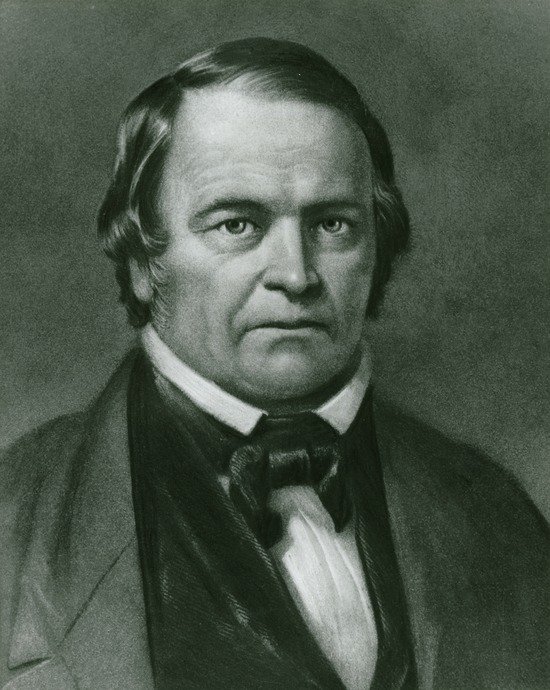
Courtesy of the Ellen G. White Estate, Inc.
Initially known as the man who spurred the curiosity surrounding the second coming of Christ, William Miller was an American Baptist preacher and one of the forerunners of the Seventh-day Adventist Church.
Before becoming a devoted Bible scholar, Miller was a deist. After returning from serving in the War of 1812, however, he became anxious about the concepts of death and the afterlife.
He turned to the Bible for answers.
While studying his Bible, he learned much more than he ever thought he would. His memoir records how he found Scripture to contain “principle so perfectly adapted to the wants of a fallen world” and that “in Jesus I found a friend.”1
As Miller began to preach and publish information about the Second Advent, he and many of his followers, known as Millerites, were mocked openly and became unwelcome in their Christian churches.
So they went on to form the Millerite Movement, which focused on the truths they learned from their studies. They came to believe that Jesus would come in 1843 or 1844, and some of his followers eventually settled on October 22, 1844, as the exact date.
When Jesus didn’t return, the day became known as the Great Disappointment.
This set them back a bit. But they weren’t going to give up easily.
Many of his followers dove back into the Bible, back into the prophecy of Daniel 8:14. They knew the 2,300-day prophecy meant something, just not the coming of Christ.
Though Miller was wrong about the timing of the Second Coming, it spurred his followers (some of whom we’ll cover next) to start the Seventh-day Adventist Church, a movement that would continue to prepare the world for Christ’s return.
Hiram Edson
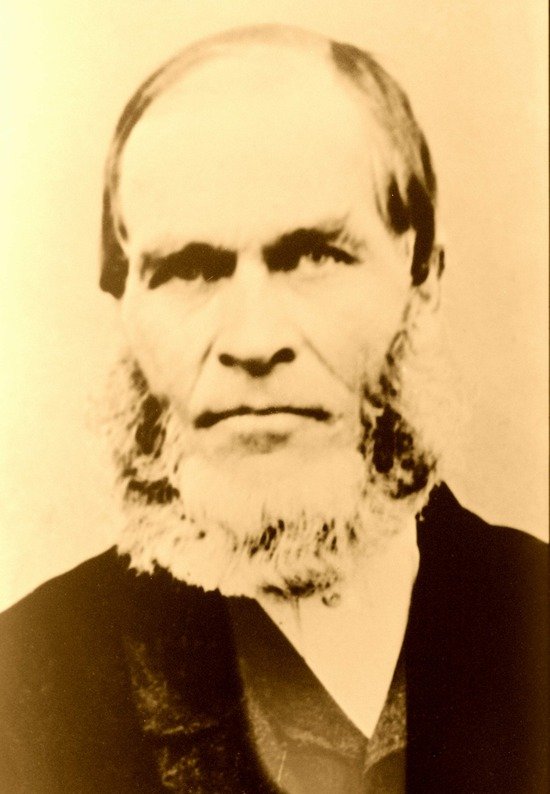
Courtesy of the Ellen G. White Estate, Inc.
Hiram Edson is perhaps best known in the Adventist Movement for his role in uncovering why Jesus didn’t come on October 22, 1844. And throughout the rest of his life, he encouraged and guided others to the truths in the Bible.
So how did he help unravel the Great Disappointment?
On October 23, as believers were reeling from their disappointment, Edson, a Millerite leader in his area, got a distinct impression that he needed to “encourage the brethren.”2
After praying with a small group of believers, he and a fellow Millerite, O.R.L. Crosier, set off through a cornfield to visit his neighbors.
But suddenly, Edson stopped.
“Brother Edson, what are you stopping for?” Crosier called out.
Edson responded, “The Lord was answering our morning prayer.”3
He shared how the Holy Spirit impressed him that Jesus wasn’t supposed to come to the earth on October 22, 1844. Rather, Jesus had begun an important work, known as the Investigative Judgment, in the Most Holy Place of the heavenly sanctuary.
This impression spurred Edson, along with Crosier and another individual named F. B. Hahn, to study the prophecy in Daniel that William Miller had studied. As they did so, they saw its connection to Jesus’ heavenly ministry (Hebrews 8 and 9).4
In 1846, Edson held a conference on his property in New York, where he shared what he had uncovered and met other Millerites who eventually started the Adventist Church.
Though he continued to work as a farmer throughout his life, spreading the gospel was always uppermost in his mind. He financially supported the church in every way he could.5 And he also went on evangelistic tours throughout New York and even up to Canada with other leaders in the Adventist Church, like Joseph Bates and J. N. Andrews.6
He received an honorary ordination to the ministry sometime between 1866 and 1875,7 but his life is truly an example of a layperson who committed to spreading the gospel in whatever ways he could.
Joseph Bates
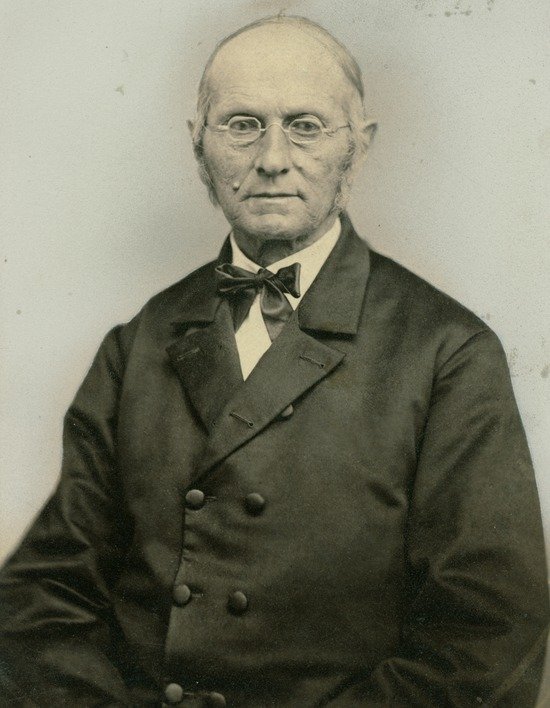
Courtesy of the Ellen G. White Estate, Inc.
Joseph Bates was a powerhouse in the Adventist Church, traveling—often on foot—from city to city to preach. He was involved in many leadership roles within the church and wrote on numerous biblical subjects, including the seventh-day Sabbath.
But before becoming an Adventist preacher, Joseph Bates spent many years out at sea. During this time, he began to read the Bible—a New Testament slipped into his suitcase by his wife. The little book changed his life, and he committed his life to God.
When he retired from the sea at age 35, he had a small fortune of $11,000—worth nearly $328,000 today.
After leaving the sea, Bates learned about William Miller and his teachings. He began working with Miller to educate people on the truths Miller and his followers had discovered. Despite the Great Disappointment, his faith in God didn’t waver.
In fact, he believed in the Advent Movement so much that he ended up putting his entire life’s savings—all $328,000 worth—toward its growth.
In 1846, Bates wrote a piece about the biblical seventh-day Sabbath and how it’s one of the ten commandments that has been forgotten by the Christian world. James and Ellen White read his article and, from it, decided to become “Sabbatarian Adventists.”
Along with James and Ellen White, Joseph Bates is one of the co-founders of the Seventh-day Adventist Church.
We’ll learn about James and Ellen White next.
Ellen G. White
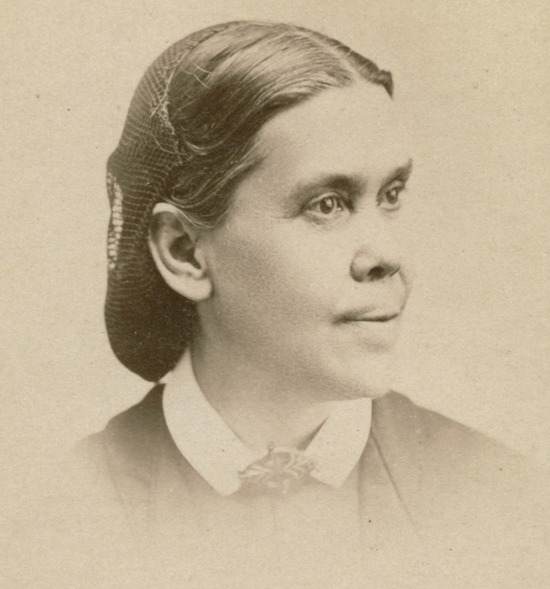
Courtesy of the Ellen G. White Estate, Inc.
Ellen White, recognized as having the biblical gift of prophecy, helped start and organize the Adventist Church. As it grew, she supported and guided its leadership, health and medical work, educational work, and worldwide missions. She was also a prolific writer, writing nearly 100,000 pages during her lifetime.
Without a shadow of a doubt, the Bible is the foundation of the Adventist faith. And everything Ellen White wrote was to make sure church leadership did not stray from the guidance of Scripture.
Through her writings, she provided the great controversy framework, which helped people see the Bible through the lens of a battle between Christ and Satan. She also sought to help people apply God’s Word to their daily lives in a practical way—no matter what denomination a person claimed.
All of Ellen White’s counsels and admonitions were documented and compiled into what is known today as the EGW Writings. These are managed by the trustees of the EGW Estate in Silver Spring, Maryland, and they remain relevant and of great value to the church.
James White
James White—Ellen White’s husband—was active in the Millerite Movement and, after the Great Disappointment, helped start the Adventist Church. He was a key proponent of organizing the General Conference of Seventh-day Adventists and played an integral role in founding other institutions.
The first Adventist school, health center, and publishing house were all started by him.
His personal health issues were what spurred the organization of an Adventist medical system. After receiving medical care while recovering from a stroke, he and his wife realized the help wasn’t what it could be. In response, they established the Battle Creek Sanitarium.
In addition to the health work, James White was involved in publishing, together with his wife. His first publication was The Present Truth, and it quickly became an effective gospel-spreading method. This periodical later became known as the Adventist Review and still circulates today.
The success of the Adventist Church in various witnessing methods—education, healthcare, and literature—can be attributed to James White’s tireless efforts.
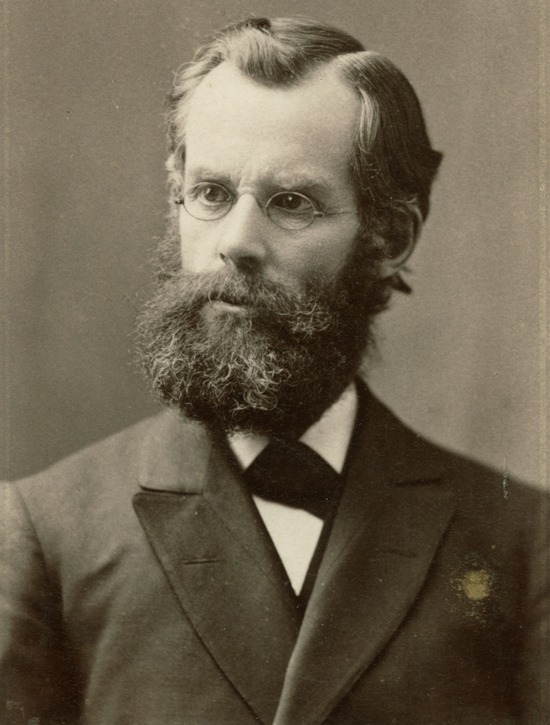
J. N. Andrews
Courtesy of the Ellen G. White Estate, Inc.
John Nevins Andrews was an earnest Bible student who devoted his life to God’s work and contributed in many ways to Adventist theology. He spent many years writing and editing for Adventist publications, eventually taking the publishing work to Europe as the first Adventist missionary.
It all started when at age 12, Andrews learned about the Millerite Movement and excitedly awaited Jesus’ coming. The Great Disappointment was a big blow for him.
While struggling to know how to proceed, he learned about the seventh-day Sabbath and began to keep it. A few years later, in 1849, he met James and Ellen White and Joseph Bates, who directed him to the Bible and helped him understand what had really occurred on the day of the Great Disappointment.
At 20 years of age, he devoted himself to God’s work in numerous ways.
His earnest Bible studies led him to publish books, including an in-depth look at the history of the Sabbath. He also used his writings to support Ellen White’s writings, and together, they worked to spread the good news of Christ.
Later on, when the Adventist Church was officially established, he held the role of president of the General Conference for a time. He was also an editor of the Adventist Review.
As Seventh-day Adventist beliefs spread throughout America, Andrews knew that wasn’t enough.
If Christians were supposed to share the three angels’ messages with the whole world, then he needed to do just that. So he went to Switzerland, helping to lead the church in Europe, provide ministerial training, and establish Adventist publishing there.
Andrews’ mission work not only began the globalization of the Adventist Church but also helped grow the kingdom of God.
Today, Andrews University in Berrien Springs, Michigan—the first Adventist university—is named after J. N. Andrews in recognition of his efforts.
The Adventist Church today
Thanks to the work of Miller, Edson, Bates, the Whites, Andrews, and many others, Adventism flourished all around the world.
In the late 1870s, the church only had 16,000 members.
Twenty years later, in 1901, the worldwide membership count totaled 75,000.
Today, there are more than 20 million local church members, as well as 8,000+ schools, 100+ hospitals, and 50+ publishing houses.
With its fundamental beliefs firmly founded in biblical truth, the Adventist Church continues to grow, learn, and share the gospel with the world. The expansion of the Adventist Church hasn’t stopped…and it won’t until Christ returns to take us home.
Related Articles



- Bliss, Sylvester, Memoirs of William Miller (Joshua V. Himes, Boston, MA, 1853), p. 65. [↵]
- “The Voice of God,” Lest We Forget, vol. 3, p. 2. [↵]
- “Hiram Edson,” Adventist Learning Community. [↵]
- “The Voice of God,” Lest We Forget, vol. 3, p. 2. [↵]
- “Hiram Edson: Chosen instrument,” Lest We Forget, vol. 3, pp. 4–6. [↵]
- “Hiram Edson: The Farmer in the Cornfield,” Lineage. [↵]
- Ibid. [↵]
More Answers

Nani Walikuwa Waamuzi wa Israeli Katika Agano la Kale?
Nani Walikuwa Waamuzi wa Israeli Katika Agano la Kale?Nyakati za misukosuko zinahitaji wanaume na wanawake wa vitendo. Waisraeli, waliokuwa wamekalia nchi ya Ahadi hivi karibuni, walijikuta katika nyakati hizo. Mataifa ya adui yaliposhambulia na kuwatesa makabila ya...

Waadventista Wana Tofauti Gani na Waprotestanti Wengine?
Waadventista wanatambulika sana kwa msisitizo wao katika afya na Sabato. Jifunze walivyo tofauti na Wakristo Waprotestanti wengine.

O Que os Adventistas do Sétimo Dia Acreditam Sobre os Dons Espirituais na Bíblia
O Que os Adventistas do Sétimo Dia Acreditam Sobre os Dons Espirituais na BíbliaOs Adventistas do Sétimo Dia acreditam que os dons espirituais são talentos que o Espírito Santo concede aos crentes e seguidores de Jesus Cristo. Esses dons são diferentes, mas...

De qué trata el Antiguo Testamento: Una guía introductoria
De qué trata el Antiguo Testamento: Una guía introductoriaEl Antiguo Testamento es la primera sección de la Biblia y constituye aproximadamente tres cuartas partes de su contenido. Presenta la historia de la Creación, la caída de la humanidad en el pecado y la promesa...
¿Quiénes fueron los jueces de Israel en el Antiguo Testamento?
¿Quiénes fueron los jueces de Israel en el Antiguo Testamento?Los tiempos de crisis requieren hombres y mujeres de acción. Los israelitas, recién asentados en la Tierra Prometida, se encontraron en esos tiempos. Cuando naciones enemigas atacaban y oprimían a las...
Quem Foram os Juízes de Israel no Antigo Testamento?
Quem Foram os Juízes de Israel no Antigo Testamento?Tempos de crise exigem homens e mulheres de ação. Os israelitas, recém-estabelecidos na Terra Prometida, encontraram-se nesses tempos. À medida que nações inimigas atacavam e oprimiam as tribos, eles clamavam a Deus...
¿En qué se diferencian los Adventistas del Séptimo Día de otros protestantes?
¿En qué se diferencian los Adventistas del Séptimo Día de otros protestantes?Como denominación cristiana protestante, la Iglesia Adventista del Séptimo Día considera la Biblia como la regla suprema de fe y a Jesucristo como el único camino a la salvación. Tenemos...
Como os Adventistas do Sétimo Dia São Diferentes de Outros Protestantes?
Como os Adventistas do Sétimo Dia São Diferentes de Outros Protestantes?Como uma denominação cristã protestante, a Igreja Adventista do Sétimo Dia considera a Bíblia como o guia supremo e vê Jesus Cristo como o único caminho para a salvação. Temos algumas diferenças...

O que é ASI (Associação de Empresários e Profissionais Adventistas)?
O que é ASI (Associação de Empresários e Profissionais Adventistas)?ASI, que significa Associação de Empresários e Profissionais Adventistas (tradução adaptada), é uma organização baseada em associação que oferece apoio aos membros adventistas (profissionais...

Jesús y la Mujer en el Pozo: Derribando Barreras
El encuentro de Jesús con la mujer en el pozo revela su sentir por las personas heridas y su deseo de derribar prejuicios. Esta página analiza cómo Jesús se acercó a ella.

Revealing The True Meaning of The Parable of The Rich Man & Lazarus
Learn the real point behind one of Jesus’ most vivid parables.
O que são as Bem-Aventuranças (E o que significam)?
O que são as Bem-Aventuranças (E o que significam)?As Bem-Aventuranças, encontradas no início do Sermão da Montanha de Jesus no Evangelho de Mateus, são o manifesto do reino de Jesus. Elas descrevem a maneira como Seu reino funciona e o que significa ser um de Seus...

Líderes de la iglesia: ¿Cuál es el rol de un pastor Adventista?
Líderes de la iglesia: ¿Cuál es el rol de un pastor Adventista?¿Cuál es el rol de un pastor en la iglesia Adventista? La posición en sí misma, al menos en lo que respecta a una congregación local, no es muy diferente de la de los pastores en otras denominaciones...
ASI ni Nini (Huduma na Viwanda vya Waadventista vya Kibinafsi)?
ASI ni Nini (Huduma na Viwanda vya Waadventista vya Kibinafsi)?ASI, ambayo inayofupisha maneno (Huduma na Viwanda vya Waadventista vya Kibinafsi), ni shirika la uanachama linalotoa msaada kwa wainjilisti wa Kiadventista (wataalamu wa Kanisa la Waadventista wa Sabato...

Ellen White Alisema Nini Kuhusu Unabii wa Nyakati za Mwisho?
Tunaweza kusoma katika Maandiko kuhusu mfululizo wa matukio na dalili zinazoongoza hadi Ujio wa Pili wa Yesu Kristo.

Safari na Utume wa Ellen G. White Ulimwenguni
Safari na Utume wa Ellen G. White UlimwenguniIngawa Ellen White, mwanzilishi mwenza wa Kanisa la Waadventista wa Sabato, anajulikana zaidi kwa huduma yake nchini Marekani, pia alisafiri kwenda nchi nyingine kumi na mbili katika maisha yake—hili lilikuwa jambo kubwa...

Yote Kuhusu Wainjilisti wa Vitabu wa Kiadventista
Kanisa la Waadventista wa Sabato hutumia mbinu mbalimbali kusambaza tumaini la injili duniani.
¿Qué es ASI (Servicios e Industrias de Laicos Adventistas)?
¿Qué es ASI (Servicios e Industrias de Laicos Adventistas)?ASI, que significa Servicios e Industrias de Laicos Adventistas, es una organización basada en membresía que brinda apoyo a los laicos adventistas (profesionales Adventistas del Séptimo Día que no son...
¿Qué dijo Elena G. de White sobre la profecía de los últimos tiempos?
¿Qué dijo Elena G. de White sobre la profecía de los últimos tiempos?Podemos leer en las Escrituras acerca de la serie de eventos y señales que conducen a la segunda venida de Jesucristo. Y suena bastante intenso, por decir lo menos. La naturaleza simbólica del...
O que Ellen White disse sobre a profecia dos tempos finais?
O que Ellen White disse sobre a profecia dos tempos finais?Podemos ler nas Escrituras sobre a série de eventos e sinais que antecedem a segunda vinda de Jesus Cristo. E, para dizer o mínimo, isso soa bastante intenso. A natureza simbólica da linguagem da profecia...

Meaning of the Parable of the Two Sons in Matthew 21
Meaning of the Parable of the Two Sons in Matthew 21The parable of the two sons in Matthew 21:28-32 is about a father who instructs his sons to work in the family vineyard. The first son refuses to work but later has a change of heart and obeys. The second son says...
Viagens e Missão Mundial de Ellen G. White
Viagens e Missão Mundial de Ellen G. WhiteEmbora Ellen White, cofundadora da Igreja Adventista do Sétimo Dia, seja mais conhecida por seu ministério nos Estados Unidos, ela também viajou para outros doze países durante sua vida — uma grande conquista no século XIX,...
Joseph Bates na Nafasi Yake katika Kanisa la Waadventista
Joseph Bates na Nafasi Yake katika Kanisa la WaadventistaJoseph Bates alikuwa baharia aliyegeuka kuwa mhubiri ambaye alijiunga na Harakati ya Miller na kusubiri Ujio wa Pili wa Yesu kutokea mwaka 1844. Licha ya kukatishwa tamaa wakati hili halikutokea, Bates...

Je, Wasabato Husherehekea Sikukuu?
Je, Wasabato Husherehekea Sikukuu?Je unajiuliza ikiwa mwanafunzi mwenzako au mfanyakazi mwenzako Mwadventista husherehekea sikukuu kama wewe? Labda ungependa kumshirikisha kwenye sherehe fulani, lakini pia unataka kuheshimu imani yake. Kwa hiyo, huna uhakika wa jinsi...

O Que a Bíblia Diz Sobre a Segunda Vinda de Jesus Cristo
Curioso para saber o que a Bíblia diz sobre a Segunda Vinda de Jesus Cristo? Vamos abordar os versículos-chave e o que eles significam.

Waadventista Wanaamini Nini Kuhusu Imani na Matendo?
Waadventista Wanaamini Nini Kuhusu Imani na Matendo?Waadventista wanaamini tunaokolewa kwa imani, ambayo ni imani na tumaini tulilonalo kwa Yesu Kristo kutuokoa kutoka dhambini. Yesu, basi, anatupa uwezo wa kuishi kwa utii wa amri za Mungu na kuwahudumia wengine kwa...
Todo sobre los colportores Adventistas del Séptimo Día
Todo sobre los colportores Adventistas del Séptimo DíaLa Iglesia Adventista del Séptimo Día utiliza una variedad de métodos para difundir la esperanza del evangelio al mundo. Una de estas formas es a través del colportaje, también llamado “venta puerta a puerta” o...
Tudo Sobre Colportores Adventistas do Sétimo Dia
A Igreja Adventista do Sétimo Dia usa uma variedade de métodos para espalhar a esperança do evangelho ao mundo.
Los viajes y la misión mundial de Elena G. de White
Los viajes y la misión mundial de Elena G. de WhiteAunque Elena G. de White, cofundadora de la Iglesia Adventista del Séptimo Día, es más conocida por su ministerio en los Estados Unidos, también viajó a otros doce países durante su vida, un gran logro en el siglo XIX...
Didn’t find your answer? Ask us!
We understand your concern of having questions but not knowing who to ask—we’ve felt it ourselves. When you’re ready to learn more about Adventists, send us a question! We know a thing or two about Adventists.