
A Samaritan woman, empty pail in hand, makes her way to the well near the town of Sychar.
It’s the hottest part of the day, so she’s alone. She isn’t joined by the usual crowds of women who chatter and enjoy one another’s company at the well in the cool of the morning or evening.
This day, though, she won’t be completely alone.
John 4:4 tells us that Jesus Christ “had to” go through Samaria that day. Why did He take this route—one that most Jews would’ve avoided because they didn’t want to be in contact with the Samaritans? He could’ve taken at least two other routes—along the coast or through the Jordan Valley.1
And yet, He didn’t. John 4:4-42 details how Jesus chose to go through Samaria, interact with a woman at Jacob’s well, and reveal Himself as the Messiah.
In doing these things, He was seeking to break down barriers of bitterness and bring hope and eternal life to a woman who had gone through deep relational struggles.
Let’s explore more about Jesus through His interaction with her. We’ll cover:
- Who was the woman at the well?
- Why did it surprise her that Jesus spoke to her?
- How Jesus approached her
First, a little background to this story.
Who was the woman at the well?

Photo by Dmitriy Ganin
The Bible doesn’t provide many personal details about the woman at the well. She’s only mentioned in this one story in the Gospel account of John. We don’t even know her name, but we do know that she was of the Samaritan people. And we know she was in a difficult situation in life.
One hint into her situation is the fact that she went to the well at the sixth hour, or noon (based on how people then calculated time).2 “Morning and evening were the usual times for drawing water,”3 so what prompted her to go there in the heat of the day when no one else would be there?
Was she trying to avoid the stares and whispers of other women in town?
Did she feel ashamed or judged by them?
The Bible doesn’t say.
However, in the course of her conversation with Jesus, she shared that she’d been through incredible heartbreak and relational challenges. She’d had five husbands, and the man she was currently with wasn’t her husband.
Back then, going through five marriages wouldn’t have been within the woman’s control. “Only husbands could get a divorce, abandon their families, and kick out their spouse.”4
If this had happened, it would’ve left her in a vulnerable situation.
Whether her husband had divorced her or died, she would’ve turned to a father, brother, or adult son for support. If she didn’t have any of those, she had no choice but to find another man to marry.5 And another…
As Kendra Valentine, PhD, a professor of New Testament studies, points out, “going through this experience five times is tragic beyond words.”6
Had these painful experiences led the woman to now live with a man who wasn’t her husband? Did her attempts to cope lead her to sinful and unhealthy decisions?
Again, we don’t know for sure.
But what we do know is that when Jesus encountered her, her life had been a chain of difficult circumstances.
Why did it surprise the woman that Jesus spoke to her?
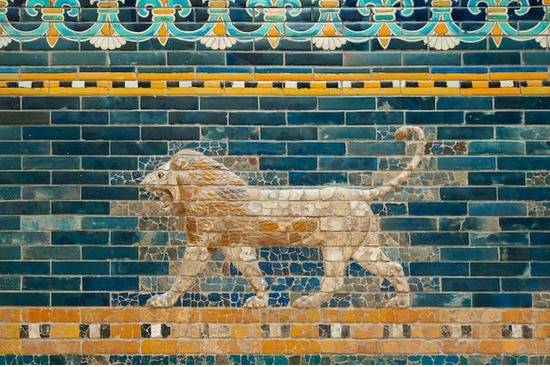
Photo by Corbin Mathias on Unsplash
Jesus broke cultural and societal norms by speaking to the Samaritan woman. For one, He showed that He wasn’t bound by the bitterness that Jews had toward Samaritans. Second, He didn’t allow the fact that she was a woman to stop Him from speaking to her in public—something that Jewish men (especially rabbis) usually avoided.
We see the Samaritan woman’s surprise in her question, “How is it that You, being a Jew, ask a drink from me, a Samaritan woman” (John 4:9, NKJV)?
To not leave any doubt, the writer of the story (the apostle John) adds, “For Jews have no dealings with Samaritans.”
To understand the reasons for this prejudice, we have to go further back in time.
The nation of Israel, after the reign of King Solomon, split into two separate nations: the northern kingdom of Israel and the southern kingdom of Judah (1 Kings 12:16-19).
Around 722 BC, the Assyrians conquered the northern kingdom and took many of its people into exile. After taking them captive, the Assyrian ruler brought other people to dwell in the land of Samaria where the Israelites had been (2 Kings 17:23-41).
These people were also followers of God—to some extent. Seventh-day Adventist scholars note the following:
“The Samaritans, inhabitants of the area formerly occupied by the kingdom of Israel, were mainly Aramaeans from Syria and Mesopotamia. They had a mixed religion of paganism and Jehovah worship.”7
In 605 BC, the nation of Judah also went into captivity—but to Babylon. Not until after 70 years were the Jews freed to return to the land (2 Chronicles 36:21-23).
The Jews knew that their captivity was a result of consistent unfaithfulness to God and an unwillingness to remain under His protection. They had often turned away from following Him to following the practices of idol worship. Now, they determined they wouldn’t let it happen again—a determination we see in the rigid laws of the Pharisees during Jesus’ time (Matthew 23:27-28; Luke 18:10-12). This included keeping themselves from building relationships with anyone who could possibly turn them away from God.
(But instead, that ended up causing pride and exclusivity. And they were missing out on what God really wanted for them: to love and serve others.)
This resulted in a clear break with the Samaritans, who requested to work with them in rebuilding Jerusalem (Ezra 4:3). “The break with the Samaritans at this time proved final. The result was hatred and mutual aversion and contempt, which continued through the centuries.”8
We see this antagonism in the way the people of Samaria tried to discourage the people of Judah and cause them trouble as they rebuilt Jerusalem (Ezra 4:4-5).
The prejudice was so strong that the Jews and Samaritans refused to be in contact with each other unnecessarily. Jews wouldn’t even “use a drinking vessel or an eating utensil that a Samaritan had used.”9
Jesus, though, didn’t live by these cultural prejudices.
He loved both Jews and Samaritans and desired to reach out to them, breaking down the racial and cultural barriers that had existed between them (Galatians 3:28). He was paving the way for His disciples to later go to Samaria and minister to the people there (Acts 1).
There’s another reason for the woman’s surprise, too.
According to Valentine, “women and men who were strangers did not talk together in public.”10
Jews considered it “highly improper for a man, and beneath the dignity of a rabbi, to converse with a woman in public. An ancient Jewish literary work, Aboth R. N. 2 (1d), advises, ‘Let no one talk with a woman in the street, no, not with his own wife.’”11
But Jesus willingly broke this norm to show God’s value and care for this woman. He refused to follow human expectations that went against God’s law of love.
How Jesus approached her
Jesus didn’t have to interact with the woman at the well, and yet He did. He sought her out just as the Father seeks each one of us (John 4:23). He was truly living out His mission to seek and save the lost.
His approach to the woman at the well was direct, yet gentle and compassionate. He built trust with her and created receptivity for the truth, giving us an example of how we can reach out to people around us.
And to her, He revealed Himself more directly than He did to any others during His three-and-a-half-year ministry.
Let’s look at His approach in more detail as we touch on some highlights.
He built trust with her
We often think the best way to help someone is to offer them something.
But Jesus didn’t approach the woman of Samaria in this way.
He asked for a favor, building trust with her.
By showing that He was in a vulnerable position (unable to get water from the well), He opened the way for her to be more comfortable with being vulnerable and acknowledging her need.
He piqued her curiosity

Photo by Andrea Piacquadio
As we’ve already pointed out, the woman was surprised that Jesus would even speak to someone like her. The question in her mind seemed to be, Why?
But rather than answering her question, He went on to hint at something more that He could offer her—“living water.”
She was curious. What could Jesus be talking about?
Jesus told her that this water would be a “fountain of water springing up into everlasting life” (John 4:14, NKJV). She would never be thirsty again because it would satisfy her soul (v. 13-14).
These words awakened in her a desire for something more—something that would truly meet her needs.
He pointed out her brokenness
Jesus knew that in order for the woman to truly receive the hope He was offering, she would have to acknowledge her brokenness and her need for healing.
“Go, call your husband,” He told her (NKJV).
When she said she didn’t have one, He responded, “You have had five husbands, and the one whom you now have is not your husband” (John 4:18, NKJV).
He didn’t condemn. He didn’t judge.
He simply acknowledged her pain. His words made her ponder whether Jesus was more than just an ordinary individual. This was someone who seemed to look directly into her heart.
He redirected her to what really matters
The conversation seemed to take a detour as the woman brought up a topic of religious controversy. She asked Jesus where the true place of worship was—Jerusalem or “this mountain” (John 4:21)?
The mountain she was referring to was Mt. Gerizim, right above Sychar and the well they were at.12 This had been a point of argument between Jews and Samaritans for many years.13
Jesus allowed her to lead the conversation, but then He redirected her to the heart of the matter, what He was truly trying to get across to her:
“But the hour is coming, and now is, when the true worshipers will worship the Father in spirit and truth; for the Father is seeking such to worship Him. God is Spirit, and those who worship Him must worship in spirit and truth” (John 4:23-24, NKJV).
He was helping her to see that worship wasn’t about a location.
It was about a heart attuned to God.
The religious people of the time had become caught up in rituals and ceremonies, but Jesus wanted them to understand that the heart is what really matters.
He wanted to set this woman free and fill her heart with His Spirit. The living water and the gift of God He’d mentioned earlier were just that: Him and His Spirit (John 7:37).
He revealed Himself
After Jesus emphasized the importance of worshiping in spirit and truth, the woman responded, “I know that the Messiah is coming (he who is called Christ). When he comes, he will tell us all things” (John 4:25, ESV).
With these words, she expressed her hope for the Messiah.
And Jesus knew she was ready for what He had to tell her. In that very moment—sweaty, tired, hungry—He revealed Himself to her: “I who speak to you am He” (John 4:26, ESV).
This is the only time we see Jesus so directly revealing Himself to someone as the Messiah before His death.
And the woman was overjoyed! Her faith grabbed onto His words and she rushed back to town, leaving her water jar behind. She forgot about her need for water because she had received Living Water, the Savior of the world. She exclaimed to the townspeople:
“Come, see a Man who told me all things that I ever did. Could this be the Christ” (John 4:29, NKJV)?
Her enthusiasm bubbled over, leading many of the Samaritans to seek Jesus out and believe in His Messiahship (John 4:39). In fact, Scripture records that Jesus and His disciples ended up staying in Samaria for two days, ministering to the people there.
This was a noteworthy occasion of putting aside differences and preconceived ideas and making connections—first with the woman, and now with all the people she shared her story with.
Breaking down barriers to reach hearts

Photo by Jonathan Borba
Jesus’ encounter with the Samaritan woman at the well is a beautiful picture of His ministry. Sigve Tonstad, PhD, a professor of religion and biblical studies, points out that within the span of a short conversation, Jesus broke down three barriers:
“First, a Jew talks to a Samaritan, breaching the socioethnic barrier. Second, a man talks to a woman, breaching the gender barrier. Third, a pious person talks to a sinful person, breaching the moral or religious barrier.”14
He was willing to push aside any cultural constraint that stood in the way of God’s love and the good news being shared with hurting people. Years later, the apostle Paul reflected this example of Jesus when he wrote,
“There is neither Jew nor Greek, there is neither slave nor free, there is no male and female, for you are all one in Christ Jesus” (Galatians 3:28, NKJV).
And in doing so, He shows us how we as His disciples are to live, valuing all people as children of God, building trust, and pointing to the hope He offers. Just as Jesus’ conversation with the woman ignited her witness to others, so His work in our lives can do the same.
Related Articles.



- Tonstad, Sigve, MD, PhD, “Ministry Lessons from the Woman at the Well,” Ministry, July 2013. [↵]
- Potter, Charles Francis, “Time in Bible Times,” Journal of the Royal Astronomical Society of Canada, vol. 35, p. 166. [↵]
- Nichol, F. D., Seventh-day Adventist Bible Commentary, vol. 5, John 4:6. [↵]
- Valentine, Kendra, “Wedding at the Well,” Ministry, January 2014. [↵]
- Ibid. [↵]
- Ibid. [↵]
- Seventh-day Adventist Bible Commentary, vol. 3, comments on Ezra 4:2. [↵]
- Ibid., comments on Ezra 4:3. [↵]
- Valentine, “The Wedding at the Well.” [↵]
- Ibid. [↵]
- Seventh-day Adventist Bible Commentary, vol. 5, comments on John 4:27. [↵]
- Ibid., comments on John 4:20. [↵]
- “Mount Gerizim,” Biblical Archaeology. [↵]
- Tonstad, “Ministry Lessons from the Woman at the Well.” [↵]
More Answers

Quem Foram os Juízes de Israel no Antigo Testamento?
Quem Foram os Juízes de Israel no Antigo Testamento?Tempos de crise exigem homens e mulheres de ação. Os israelitas, recém-estabelecidos na Terra Prometida, encontraram-se nesses tempos. À medida que nações inimigas atacavam e oprimiam as tribos, eles clamavam a Deus...

¿En qué se diferencian los Adventistas del Séptimo Día de otros protestantes?
¿En qué se diferencian los Adventistas del Séptimo Día de otros protestantes?Como denominación cristiana protestante, la Iglesia Adventista del Séptimo Día considera la Biblia como la regla suprema de fe y a Jesucristo como el único camino a la salvación. Tenemos...
Como os Adventistas do Sétimo Dia São Diferentes de Outros Protestantes?
Como os Adventistas do Sétimo Dia São Diferentes de Outros Protestantes?Como uma denominação cristã protestante, a Igreja Adventista do Sétimo Dia considera a Bíblia como o guia supremo e vê Jesus Cristo como o único caminho para a salvação. Temos algumas diferenças...

O que é ASI (Associação de Empresários e Profissionais Adventistas)?
O que é ASI (Associação de Empresários e Profissionais Adventistas)?ASI, que significa Associação de Empresários e Profissionais Adventistas (tradução adaptada), é uma organização baseada em associação que oferece apoio aos membros adventistas (profissionais...
Jesús y la Mujer en el Pozo: Derribando Barreras
El encuentro de Jesús con la mujer en el pozo revela su sentir por las personas heridas y su deseo de derribar prejuicios. Esta página analiza cómo Jesús se acercó a ella.

Revealing The True Meaning of The Parable of The Rich Man & Lazarus
Learn the real point behind one of Jesus’ most vivid parables.
O que são as Bem-Aventuranças (E o que significam)?
O que são as Bem-Aventuranças (E o que significam)?As Bem-Aventuranças, encontradas no início do Sermão da Montanha de Jesus no Evangelho de Mateus, são o manifesto do reino de Jesus. Elas descrevem a maneira como Seu reino funciona e o que significa ser um de Seus...

Líderes de la iglesia: ¿Cuál es el rol de un pastor Adventista?
Líderes de la iglesia: ¿Cuál es el rol de un pastor Adventista?¿Cuál es el rol de un pastor en la iglesia Adventista? La posición en sí misma, al menos en lo que respecta a una congregación local, no es muy diferente de la de los pastores en otras denominaciones...
ASI ni Nini (Huduma na Viwanda vya Waadventista vya Kibinafsi)?
ASI ni Nini (Huduma na Viwanda vya Waadventista vya Kibinafsi)?ASI, ambayo inayofupisha maneno (Huduma na Viwanda vya Waadventista vya Kibinafsi), ni shirika la uanachama linalotoa msaada kwa wainjilisti wa Kiadventista (wataalamu wa Kanisa la Waadventista wa Sabato...

Ellen White Alisema Nini Kuhusu Unabii wa Nyakati za Mwisho?
Tunaweza kusoma katika Maandiko kuhusu mfululizo wa matukio na dalili zinazoongoza hadi Ujio wa Pili wa Yesu Kristo.

Safari na Utume wa Ellen G. White Ulimwenguni
Safari na Utume wa Ellen G. White UlimwenguniIngawa Ellen White, mwanzilishi mwenza wa Kanisa la Waadventista wa Sabato, anajulikana zaidi kwa huduma yake nchini Marekani, pia alisafiri kwenda nchi nyingine kumi na mbili katika maisha yake—hili lilikuwa jambo kubwa...

Yote Kuhusu Wainjilisti wa Vitabu wa Kiadventista
Kanisa la Waadventista wa Sabato hutumia mbinu mbalimbali kusambaza tumaini la injili duniani.
¿Qué es ASI (Servicios e Industrias de Laicos Adventistas)?
¿Qué es ASI (Servicios e Industrias de Laicos Adventistas)?ASI, que significa Servicios e Industrias de Laicos Adventistas, es una organización basada en membresía que brinda apoyo a los laicos adventistas (profesionales Adventistas del Séptimo Día que no son...
¿Qué dijo Elena G. de White sobre la profecía de los últimos tiempos?
¿Qué dijo Elena G. de White sobre la profecía de los últimos tiempos?Podemos leer en las Escrituras acerca de la serie de eventos y señales que conducen a la segunda venida de Jesucristo. Y suena bastante intenso, por decir lo menos. La naturaleza simbólica del...
O que Ellen White disse sobre a profecia dos tempos finais?
O que Ellen White disse sobre a profecia dos tempos finais?Podemos ler nas Escrituras sobre a série de eventos e sinais que antecedem a segunda vinda de Jesus Cristo. E, para dizer o mínimo, isso soa bastante intenso. A natureza simbólica da linguagem da profecia...

Meaning of the Parable of the Two Sons in Matthew 21
Meaning of the Parable of the Two Sons in Matthew 21The parable of the two sons in Matthew 21:28-32 is about a father who instructs his sons to work in the family vineyard. The first son refuses to work but later has a change of heart and obeys. The second son says...
Viagens e Missão Mundial de Ellen G. White
Viagens e Missão Mundial de Ellen G. WhiteEmbora Ellen White, cofundadora da Igreja Adventista do Sétimo Dia, seja mais conhecida por seu ministério nos Estados Unidos, ela também viajou para outros doze países durante sua vida — uma grande conquista no século XIX,...
Joseph Bates na Nafasi Yake katika Kanisa la Waadventista
Joseph Bates na Nafasi Yake katika Kanisa la WaadventistaJoseph Bates alikuwa baharia aliyegeuka kuwa mhubiri ambaye alijiunga na Harakati ya Miller na kusubiri Ujio wa Pili wa Yesu kutokea mwaka 1844. Licha ya kukatishwa tamaa wakati hili halikutokea, Bates...

Je, Wasabato Husherehekea Sikukuu?
Je, Wasabato Husherehekea Sikukuu?Je unajiuliza ikiwa mwanafunzi mwenzako au mfanyakazi mwenzako Mwadventista husherehekea sikukuu kama wewe? Labda ungependa kumshirikisha kwenye sherehe fulani, lakini pia unataka kuheshimu imani yake. Kwa hiyo, huna uhakika wa jinsi...

O Que a Bíblia Diz Sobre a Segunda Vinda de Jesus Cristo
Curioso para saber o que a Bíblia diz sobre a Segunda Vinda de Jesus Cristo? Vamos abordar os versículos-chave e o que eles significam.

Waadventista Wanaamini Nini Kuhusu Imani na Matendo?
Waadventista Wanaamini Nini Kuhusu Imani na Matendo?Waadventista wanaamini tunaokolewa kwa imani, ambayo ni imani na tumaini tulilonalo kwa Yesu Kristo kutuokoa kutoka dhambini. Yesu, basi, anatupa uwezo wa kuishi kwa utii wa amri za Mungu na kuwahudumia wengine kwa...
Todo sobre los colportores Adventistas del Séptimo Día
Todo sobre los colportores Adventistas del Séptimo DíaLa Iglesia Adventista del Séptimo Día utiliza una variedad de métodos para difundir la esperanza del evangelio al mundo. Una de estas formas es a través del colportaje, también llamado “venta puerta a puerta” o...
Tudo Sobre Colportores Adventistas do Sétimo Dia
A Igreja Adventista do Sétimo Dia usa uma variedade de métodos para espalhar a esperança do evangelho ao mundo.
Los viajes y la misión mundial de Elena G. de White
Los viajes y la misión mundial de Elena G. de WhiteAunque Elena G. de White, cofundadora de la Iglesia Adventista del Séptimo Día, es más conocida por su ministerio en los Estados Unidos, también viajó a otros doce países durante su vida, un gran logro en el siglo XIX...

Mikutano ya Injili ya Waadventista ni Nini?
Kanisa la Waadventista wa Sabato linaweka mkazo mkubwa katika kushiriki injili kupitia uinjilisti, yaani kushiriki injili kupitia mahubiri, mafundisho, na ushuhuda.
Joseph Bates y su papel en la Iglesia Adventista del Séptimo Día
Joseph Bates y su papel en la Iglesia Adventista del Séptimo DíaJoseph Bates fue un marinero que se convirtió en predicador, se unió al Movimiento Millerita y esperó que ocurriera la Segunda Venida de Jesús en 1844. A pesar de sentirse decepcionado cuando esto no...
Joseph Bates e Seu Papel na Igreja Adventista do Sétimo Dia
Joseph Bates foi um marinheiro que se tornou pregador, juntou-se ao Movimento Millerita e esperou pela Segunda Vinda de Jesus em 1844.
¿Los Adventistas del Séptimo Día celebran las fiestas?
¿Los Adventistas del Séptimo Día celebran las fiestas?¿Te preguntas si tu compañero de clase o de trabajo adventista celebra las mismas fiestas que tú? Tal vez quieres incluirlo en algunas festividades, pero también deseas respetar sus creencias. Entonces, no estás...
Os Adventistas do Sétimo Dia Celebram Feriados?
Está se perguntando se seu colega de classe ou de trabalho adventista celebra os mesmos feriados que você?
Didn’t find your answer? Ask us!
We understand your concern of having questions but not knowing who to ask—we’ve felt it ourselves. When you’re ready to learn more about Adventists, send us a question! We know a thing or two about Adventists.