
As the most translated female author1 in the world, Ellen White wrote numerous books, articles, pamphlets, and more.2 These writings focused on developing Christian character, emphasizing Bible truth, practical tips for living well and staying healthy, and discussing effective methods of delivering the gospel message to the world.
Some of her most popular works include The Great Controversy, The Desire of Ages, and Steps to Christ.
But what makes these books so treasured by Adventists? And what’s the best way to approach her writings today?
Here this we’ll explain:
- If all of Ellen White’s writings were inspired by the Holy Spirit
- How her writing ministry began
- Her published works
- The role of Ellen White’s Writings in the Adventist Church
- How her writings can still benefit us today
Let’s start with one of the more significant questions people have when learning about Ellen White.
Were Ellen White’s writings inspired?

Photo by Naren Morum on Unsplash
If you read into the history and early development of the Seventh-day Adventist Church, you won’t be surprised to find out why Adventists believe Ellen White to have been used by God through the spiritual gift of prophecy.
Because of this, most of what she wrote in her books is considered to also be inspired by the Holy Spirit. This is because her writings always glorify God and encourage us to follow Him more earnestly, following His Word as our guide.
In the Bible, people that delivered messages from God were known as prophets. Many of these prophets were well-known Bible figures like Daniel and Samuel, though many others also fulfilled a similar role, such as Deborah, Nathan, Nehemiah, Anna, and Huldah.
Scripture also tells us about some people who claimed to be prophets when they really weren’t (Ezekiel 13:1-7, 17-23).
The same is true today. It is such a prevalent issue that the Bible warns people to evaluate prophets carefully—since following a charismatic or influential human just because they sound convincing is easier than we’d like to admit.
But how can we evaluate prophets to be sure that their messages are from God?
Fortunately, the Bible actually provides ten items we can use to test a prophet and determine if they’re truly inspired by God.
The tests of a prophet:3
- That their messages agree with and uplift the Bible (Isaiah 8:20)
- That they have a Christ-like character (Matthew 7:16-20)
- That they glorify God – not themselves (John 16:13)
- That they obey God (Deuteronomy 18:18)
- That they help better God’s church (1 Corinthians 14:3-4)
- That they be honest in addressing sin (Micah 3:5-8)
- That they harmonize with the Bible’s teachings about Jesus and His mission (1 John 4: 1-3)
- That their predictions come true (Jeremiah 28:9)
- That they warn of coming judgment (Isaiah 24:20-21)
- That they don’t present their opinions as Bible truth (2 Peter 1: 20-21)
The Adventist Church has verified that Ellen White meets every standard of these tests:
- She used numerous Bible verses throughout her writing. She always considered her writings as “a lesser light to lead men and women to the greater light,” meaning that her writings were intended to point the reader to the ultimate authority—the Bible.4
- Many people have attested to the positive character of Ellen White. Shortly after her death, a newspaper commented on the humble and dedicated life she lived.5
- She repeatedly asked her readers to put God first in their lives.6 She never attributed her writing success to her own merits.
- She was afraid to take the responsibility of being God’s prophet. She eventually surrendered to His calling, trusting God to help her fulfill His mission.7
- She wrote a book called Testimonies for the Church to specifically aid in the development of the church.8
- She didn’t enjoy the task of correcting others, but she felt it was her Christian duty to address sins that were destroying people’s relationship with Jesus.9
- She addresses both the humanity and the divinity of Jesus on multiple occasions.10
- Ellen White had multiple visions of future events, but one of her most prominent predictions was made in 1902 when she wrote that God’s judgments would soon fall on San Francisco and Oakland. She reported seeing “buildings shaking”—four years before the earthquake in 1906.11
- Her writings spoke of the judgment of God and the second coming of Christ.
- Ellen White encouraged church members to test her writings with the Bible, instead of blindly following her every word.12
These examples provide a little more insight into why the Adventist Church believes her writings were inspired by God (although, we still encourage you to look into this subject for yourself!)
A note about “inspiration”
You might still be wondering what exactly we mean by “inspired”?
When it comes to understanding inspiration, it’s common to think that if God has used someone as a prophet, every word they utter is directly inspired by God. But in actuality, that isn’t even true in the Bible!
God used many ordinary people as prophets. But they still retained their freedom of choice, their personalities, their flaws, etc. If God controlled every word that came out of their mouth, then He wouldn’t be respecting their ability to choose—which He gave them at creation to begin with!
And because being chosen as a prophet of God doesn’t rob someone of their humanity and free agency, that means they are still imperfect humans.
But that’s what’s amazing about God. He can use ordinary, average-joe people to serve Him in mighty ways. And typically, when prophets are delivering a message to their people from God, it’s plain when they’re speaking the message, and when they’re speaking of their own accord.
Some refer to this as “thought inspiration.” God inspires a person’s thoughts, and they communicate it in their own words.13
We believe the Bible was written the same way (2 Timothy 3:16-17).
So, even though God gave them the message, He had them write in their own words to better reach the people of that time. This also helped humans learn to process these complex ideas without every step being dictated by God.
This also meant that the word choices, idioms, or references they made helped the people of that time better understand what they were trying to communicate.
On the flip side, these same specific word choices could be confusing for future generations or different cultures. Just think about it—there are so many words, symbols, and actions that mean different things across different cultures and languages.
This is just as true of the Bible as it is in Ellen White’s writings. There are tons of references in the Bible to Jewish history and customs that may seem confusing to new Bible readers. But instead of rejecting Scripture because something doesn’t make sense, it’s important to research the context of Bible verses so you know what that Bible author was trying to say.
Which is why it’s also crucial to look into the context of Ellen White’s writing. This concept of thought inspiration sets the standard by which we must all study works inspired by the Holy Spirit.
How Ellen White’s writing began
Courtesy of the Ellen G. White Estate, Inc.
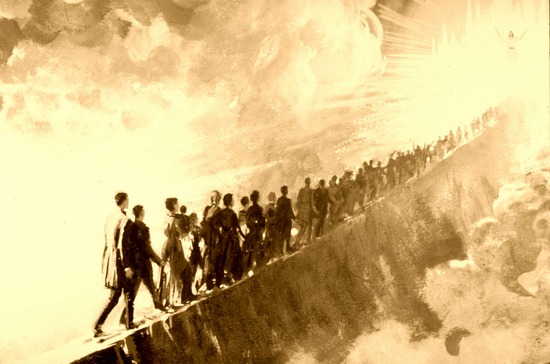
Two months after the Great Disappointment in 1844, Ellen White began to receive visions from God—which she later recorded in personal journals.
This was a time of confusion and sorrow for many believers, as they were looking forward to the second coming of Christ.
But they made a grave mistake of setting a date for His coming. Especially since the Bible even says that no one can (or should try to) predict the Second Coming (Matthew 24:35-37).
Many sold their houses and belongings because they truly believed Jesus was coming on a particular date.
But, as you can deduce, the second coming of Christ didn’t happen yet.
It was difficult for many to accept that they had been wrong about the date. Many became so disappointed that they stopped believing in God altogether.
It was at this time that God decided to give His people hope and guidance in the wake of their disappointment. And so, He gave Ellen White a vision to encourage Advent believers that no promises were broken, and He would always be there to guide His believers.
He used the vision to explain that He was coming soon, just not at the time that they thought. He used the image of the Advent believers walking a narrow path to heaven to illustrate how His people need not be discouraged. They can continue on spreading the gospel and serving people in His name.14
God told her to start writing down the visions He gave her. And, just like many prophets at first, she felt unqualified. After all, she was forced to leave school at an early age due to health issues. Having so little education to her name, she didn’t think she was the best candidate for recording God’s messages.
But that’s also a theme with God’s prophets. He rarely chose people that were already experts or high-profile influencers. He used people just like you and me, which glorified Him and demonstrated both His power and the worth of every single human being—regardless of our own earthly methods of determining value.
So God helped her write. And what began as small, scrawled pages became hundreds of books and articles.
Because she wrote down the insights God gave her, she was able to spread it across the world, and throughout the ages. And today, we still have the privilege of learning what God told her to put into writing.
This 17-year-old girl, hardly even able to write, burgeoned into a writing ministry that has touched the lives of billions.
What did Ellen White write?

Courtesy of the Ellen G. White Estate, Inc.
Ellen White wrote books on a variety of subjects including spiritual growth, Bible history, health, the life of Christ, relationships, education, home life, and stewardship.
Her work wasn’t exclusive to books either. She also wrote articles, pamphlets, and letters to individuals or to groups of people.
Her articles were typically aimed at those involved with developing the Adventist Church, and several were published in Adventist magazines like Signs of The Times.15
Her letters were written almost exclusively to church members and family. More often than not, they were written to address a very specific issue. Though some of her more personal letters, written for the purpose of catching up and staying informed, still had valuable counsel in them that people have found inspiring to read.
By the end of her ministry, she had 24 books in print and 100,000 pages of total literary output.16 More of her work was published after her death, which grew to 128 titles.17
Some of her most well-known works include:
- The Great Controversy: This book describes how sin began, and how it became the spiritual battle between good and evil that still rages on today. It also takes the reader through key points of history that line up with Bible prophecy.
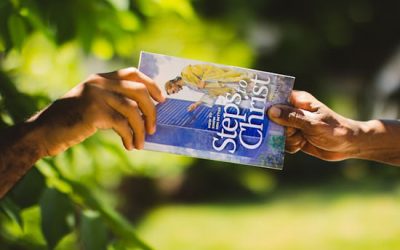
- Steps to Christ: This was written with newer believers in mind, introducing them to the love of Jesus and showing what it really means to follow Christ.
- The Desire of Ages: This details the life of Jesus, particularly what He went through and what He taught during His earthly ministry.
- The Ministry of Healing: This book highlights how profoundly Jesus healed people during His ministry. It explains the important connection between body, mind, and spirit. It also talks about how to be an effective witness for Him by seeking to understand people.
- Acts of the Apostles: This work details the experiences of the early church and its members. It draws on the stories from the book of Acts to explain what God’s church should strive to be like.
- Prophets and Kings: This covers the lives of Old Testament heroes and leaders. It describes how they defended their faith in the face of opposing nations and kingdoms.
An organization called the Ellen G. White Estate manages Ellen White’s writings. They digitized all her writings and posted them online so people around the world can access them. They were also responsible for making compilations of her work. In other words, the Estate would take different pages and quotes she had written about the same subject (like stewardship or healthy living) and put all those ideas in one book so people could more easily research her counsel on a given topic.
Some of these include:
- Country Living: This compilation offers advice about how living in the country can be highly beneficial, especially for bringing up children.
- Counsels on Stewardship: This book reminds Christians that everything we have is from God, so a grateful attitude is appropriate. Then it goes on to explain how we can use whatever we have to serve God, and He’ll make sure we have what we need.
- Letter to Young Lovers: This compilation includes letters that Ellen White wrote to advise young couples.
Among her most popular works were The Great Controversy and Steps to Christ. The first, because it sheds light on why suffering exists and the plan God has to stop it. And the second, because it assures countless people Jesus loves them and longs for them, and they can be saved through Him.
What is the role of Ellen White’s writings in the Adventist Church?
Courtesy of the Ellen G. White Estate, Inc.
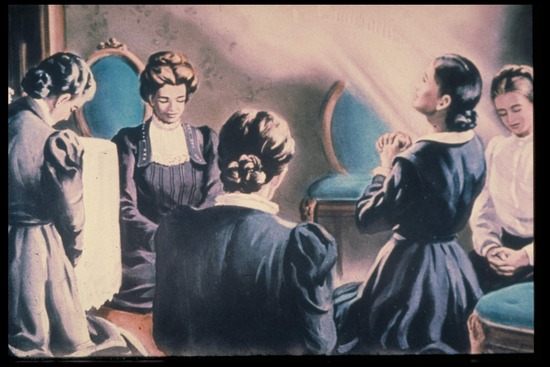
Ellen White’s writings have been a great source of wisdom for the Adventist Church. In the beginning, her writings encouraged them to move past the Great Disappointment and look toward what else can be learned from Scripture.
And the more she wrote, the more she helped the church grow. She assisted the early church in many diverse ways, from encouraging much-needed health reform to providing principles of church organization and leadership. She offered much of this counsel in the articles she wrote for the church, as well as letters that helped guide church leaders to make better sociological and administrative decisions.
Much of Ellen White’s writings helped Adventists determine what areas to focus on in their ministry.
Her book Education explains how students should prepare for their careers and a life of serving Christ.
On top of that, The Ministry of Healing, explains how to minister to others through medicine and caring for people’s mental health. She also helped provide principles for living a healthier life.
But despite her contributions, some have wondered if Adventists give her counsel too much authority. Some have even wondered if Ellen White’s words are given authority over the Bible.
The Adventist Church believes that Ellen White’s writings do not supersede the Bible.18 Instead, we view the Bible as our ultimate source of belief. Which is why we have used the Bible to test Ellen White’s teaching to make sure they agree with Scripture.19
Ellen White insisted that her writings were meant to point back to the source of all truth—the Bible.20
Of course, there are some people who mistakenly—and often unintentionally—put Ellen White on a pedestal. And others still fall into the trap of using her writings to condemn and judge others.
(It’s common for people to cling to more concrete ideas and create their own internal “checklists” for what they’re supposed to do.)
But it’s important not to get discouraged by the misuse of her writings.
(Just think about how much even the Bible has been misused! And that doesn’t mean it’s worth throwing away the Bible altogether.)
Ellen White’s writings have a lot of valuable information for us today. From discovering how to live a more Christ-centered life to learning about the early church, she has a wealth of information in her writings that anyone can benefit from reading.
How can we best use Ellen White’s writings today?

Photo by Priscilla Du Preez on Unsplash
Ellen White’s writings can be incredibly valuable and beneficial if understood properly.
But the sad truth is that a lot of people have avoided them because they’ve experienced other people who have misunderstood or misused them in some way.
Some of the most common methods of misuse include:
- Taking her counsel to the extreme, or making her advice into rules, rather than principles to guide our choices.
- Accepting her guidance without considering the context or the intended audience.
- Neglecting to study further if encountering something that isn’t easily understood right away.
To avoid these pitfalls, one of the greatest tools we can use is our common sense, alongside a curiosity for the whole picture.
In fact, Ellen White emphasized the importance of using common sense, even while studying uncommon concepts.21 She herself advised that her words, while intending to always uplift God and follow the Holy Spirit, must be taken in with practical reasoning.
The Bible also points out the importance of using common sense, instead of simply taking statements at face value (Isaiah 1:18).
God encourages us to reason with Him! And we don’t ever have to worry about misunderstanding Ellen White’s writings if we ask God to guide us.
But on top of asking for God’s help, there are some things you can do for yourself.
The Ellen G. White Estate has provided a helpful checklist for understanding Ellen White.22 (And, as it turns out, these are helpful principles to keep in mind when studying Scripture, too!)
- Start with an open mind and pray for discernment.
- Focus on the central theme first (i.e., the ultimate goal of her works is to guide the reader closer to Jesus. Focus on the big picture of what she’s saying and how it relates to knowing Jesus. And if for some reason it doesn’t seem to lead that way, that’s a cue for further study!)
- Consider how our own experiences can (and will!) cause us to interpret things with certain biases. (No one is immune to this!)
- Read all her writings on the subject (don’t just pick one or two references—you won’t get a clear picture that way).
- Look for balance, rather than extremes.
- Consider the context (some of her statements may apply differently today).
- Don’t depend on partial quotes (they may not tell the full story).
- Differentiate ideal counsel from realistic counsel (recognize that circumstances affect our choices. Often times Ellen White gives ideal advice, or tells us the best choice we can make. When really, we may not have the option to even make that choice. For example, she might suggest that a reader accept the ideal choice of attending Christian schools when the reader may not have the economic means to attend).
- Interpret using common sense. If something seems wildly radical or extreme, there may be an underlying principle that she’s using certain language to express. And that, of course, just requires some further reading and considering of context.
- Be guided by principle, rather than using blanket statements.
- Remember that prophets are human beings. In other words, prophets have to grow in understanding and wisdom just like everyone else. And she accepted truth as God revealed it to her.
- Don’t twist the words beyond their original meaning, just because they’re close to something you want them to mean. (Again, not even one of us is immune to this tendency!)
- Double-check that Ellen White indeed wrote what you’re reading!
In the end, you’ll know you’re understanding Ellen White’s writings correctly if they’re pointing you back to God’s Word. And remember, Ellen White didn’t intend for her writings to be used as a rule book, but as a source of joy and hope in Jesus Christ.
And what a wonderful hope we have!
Tim Poirier, the vice-director of the Ellen G. White Estate, shared how reading Ellen White’s writings have impacted his own life:
“There are so many ways, but I’ll mention two. On a practical, physical level, her health counsels have greatly influenced my lifestyle choices. Spiritually, every time I read her writings I am reminded both of my own deficiencies and of the all-sufficiency of Christ.”
If you want to know where to find some of Ellen White’s writings freely available, they have been digitally published on egwwritings.org—all her books, letters, and articles.
You can check out the EGW Writings App to access Ellen White’s writings from your phone.
They also offer alternatives to English print. They have a variety of translations including Spanish and Portuguese, as well as audiobook versions.
Want to learn more about Ellen White as a person and the role she played in developing the Adventist Church? Look no further than, “Who is Ellen G. White and Why is She Important to Adventists?”
Ellen White’s Most-Read Books:
- Testimonies for the Church (vol. 1,2,3,4,5,6,7,8,9)
- Spiritual Gifts (vol. 1,2,3,4a, 4b)
- The Spirit of Prophecy (vol. 1,2,3,4)
- Early Writings of Ellen G. White
- The Great Controversy
- Steps to Christ
- The Desire of Ages
- Christ’s Object Lessons
Choose an Online Bible Study
Want to keep learning? Find out more about Jesus, humanity, the plan of salvation, and how God loves you enough to sacrifice everything, just to give you a chance to choose Him.
Sometimes it can be hard to know where to start, that’s why we offer free, user-friendly, online Bible study options you can do anytime, anywhere, and at your own pace.
This online Bible school will take you through the major themes of Scripture, breaking down the Bible’s complex concepts into bite-sized pieces, which can lead you toward the answers of life’s more challenging questions.
- https://www.newworldencyclopedia.org/entry/Ellen_Gould_White [↵]
- Douglass, E. Herbert, Messenger of the Lord, p.108. [↵]
- “10 Tests Of A Prophet,” https://www.ellengwhitetruth.com/her-ministry/10-tests-of-a-prophet. [↵]
- “The Test Results Part 3,” https://www.ellengwhitetruth.com/her-ministry/the-test-results/the-test-results-pt-3. [↵]
- “The Test Results Part 4,” https://www.ellengwhitetruth.com/her-ministry/the-test-results/the-test-results-pt-4. [↵]
- “The Test Results Part 2,” https://www.ellengwhitetruth.com/her-ministry/the-test-results/the-test-results-pt-2. [↵]
- “The Test Results Part 4” [↵]
- “The Test Results Part 3” [↵]
- “The Test Results Part 2” [↵]
- “The Test Results Part 4” [↵]
- White, Ellen G., “Manuscript 114,” 1902 [↵]
- “The Test Results Part 2” [↵]
- Douglass, p.16, https://egwwritings.org/read?panels=p656.264&index=0. [↵]
- White, G. Ellen, Early Writings, https://m.egwwritings.org/en/book/28.197, pp.13-22. [↵]
- White, G. Ellen, The Signs of the Times, https://m.egwwritings.org/en/book/820.1 [↵]
- Douglass, https://egwwritings.org/read?panels=p656.1163&index=0, p. 108. [↵]
- Ibid. [↵]
- “The role of the Ellen G. White writings in doctrinal matters,” https://www.ministrymagazine.org/archive/1980/10/the-role-of-the-ellen-g.-white-writings-in-doctrinal-matters. [↵]
- “The Tests of a Prophet,” https://ellenwhite.org/faq/18. [↵]
- “101 Questions About Ellen White and Her Writings,” https://m.egwwritings.org/en/book/13960.64#68. [↵]
- Douglass, https://egwwritings.org/read?panels=p656.1056&index=0, pp. 95-96. [↵]
- “Some Principles for Correctly Interpreting the Writings of Ellen G. White,” https://whiteestate.org/legacy/issues-herm-pri-html/. [↵]
Related Articles



More Answers
Quem Foram os Juízes de Israel no Antigo Testamento?
Quem Foram os Juízes de Israel no Antigo Testamento?Tempos de crise exigem homens e mulheres de ação. Os israelitas, recém-estabelecidos na Terra Prometida, encontraram-se nesses tempos. À medida que nações inimigas atacavam e oprimiam as tribos, eles clamavam a Deus...

¿En qué se diferencian los Adventistas del Séptimo Día de otros protestantes?
¿En qué se diferencian los Adventistas del Séptimo Día de otros protestantes?Como denominación cristiana protestante, la Iglesia Adventista del Séptimo Día considera la Biblia como la regla suprema de fe y a Jesucristo como el único camino a la salvación. Tenemos...
Como os Adventistas do Sétimo Dia São Diferentes de Outros Protestantes?
Como os Adventistas do Sétimo Dia São Diferentes de Outros Protestantes?Como uma denominação cristã protestante, a Igreja Adventista do Sétimo Dia considera a Bíblia como o guia supremo e vê Jesus Cristo como o único caminho para a salvação. Temos algumas diferenças...

O que é ASI (Associação de Empresários e Profissionais Adventistas)?
O que é ASI (Associação de Empresários e Profissionais Adventistas)?ASI, que significa Associação de Empresários e Profissionais Adventistas (tradução adaptada), é uma organização baseada em associação que oferece apoio aos membros adventistas (profissionais...
Jesús y la Mujer en el Pozo: Derribando Barreras
El encuentro de Jesús con la mujer en el pozo revela su sentir por las personas heridas y su deseo de derribar prejuicios. Esta página analiza cómo Jesús se acercó a ella.

Revealing The True Meaning of The Parable of The Rich Man & Lazarus
Learn the real point behind one of Jesus’ most vivid parables.
O que são as Bem-Aventuranças (E o que significam)?
O que são as Bem-Aventuranças (E o que significam)?As Bem-Aventuranças, encontradas no início do Sermão da Montanha de Jesus no Evangelho de Mateus, são o manifesto do reino de Jesus. Elas descrevem a maneira como Seu reino funciona e o que significa ser um de Seus...

Líderes de la iglesia: ¿Cuál es el rol de un pastor Adventista?
Líderes de la iglesia: ¿Cuál es el rol de un pastor Adventista?¿Cuál es el rol de un pastor en la iglesia Adventista? La posición en sí misma, al menos en lo que respecta a una congregación local, no es muy diferente de la de los pastores en otras denominaciones...
ASI ni Nini (Huduma na Viwanda vya Waadventista vya Kibinafsi)?
ASI ni Nini (Huduma na Viwanda vya Waadventista vya Kibinafsi)?ASI, ambayo inayofupisha maneno (Huduma na Viwanda vya Waadventista vya Kibinafsi), ni shirika la uanachama linalotoa msaada kwa wainjilisti wa Kiadventista (wataalamu wa Kanisa la Waadventista wa Sabato...

Ellen White Alisema Nini Kuhusu Unabii wa Nyakati za Mwisho?
Tunaweza kusoma katika Maandiko kuhusu mfululizo wa matukio na dalili zinazoongoza hadi Ujio wa Pili wa Yesu Kristo.

Safari na Utume wa Ellen G. White Ulimwenguni
Safari na Utume wa Ellen G. White UlimwenguniIngawa Ellen White, mwanzilishi mwenza wa Kanisa la Waadventista wa Sabato, anajulikana zaidi kwa huduma yake nchini Marekani, pia alisafiri kwenda nchi nyingine kumi na mbili katika maisha yake—hili lilikuwa jambo kubwa...
Yote Kuhusu Wainjilisti wa Vitabu wa Kiadventista
Kanisa la Waadventista wa Sabato hutumia mbinu mbalimbali kusambaza tumaini la injili duniani.
¿Qué es ASI (Servicios e Industrias de Laicos Adventistas)?
¿Qué es ASI (Servicios e Industrias de Laicos Adventistas)?ASI, que significa Servicios e Industrias de Laicos Adventistas, es una organización basada en membresía que brinda apoyo a los laicos adventistas (profesionales Adventistas del Séptimo Día que no son...
¿Qué dijo Elena G. de White sobre la profecía de los últimos tiempos?
¿Qué dijo Elena G. de White sobre la profecía de los últimos tiempos?Podemos leer en las Escrituras acerca de la serie de eventos y señales que conducen a la segunda venida de Jesucristo. Y suena bastante intenso, por decir lo menos. La naturaleza simbólica del...
O que Ellen White disse sobre a profecia dos tempos finais?
O que Ellen White disse sobre a profecia dos tempos finais?Podemos ler nas Escrituras sobre a série de eventos e sinais que antecedem a segunda vinda de Jesus Cristo. E, para dizer o mínimo, isso soa bastante intenso. A natureza simbólica da linguagem da profecia...

Meaning of the Parable of the Two Sons in Matthew 21
Meaning of the Parable of the Two Sons in Matthew 21The parable of the two sons in Matthew 21:28-32 is about a father who instructs his sons to work in the family vineyard. The first son refuses to work but later has a change of heart and obeys. The second son says...
Viagens e Missão Mundial de Ellen G. White
Viagens e Missão Mundial de Ellen G. WhiteEmbora Ellen White, cofundadora da Igreja Adventista do Sétimo Dia, seja mais conhecida por seu ministério nos Estados Unidos, ela também viajou para outros doze países durante sua vida — uma grande conquista no século XIX,...
Joseph Bates na Nafasi Yake katika Kanisa la Waadventista
Joseph Bates na Nafasi Yake katika Kanisa la WaadventistaJoseph Bates alikuwa baharia aliyegeuka kuwa mhubiri ambaye alijiunga na Harakati ya Miller na kusubiri Ujio wa Pili wa Yesu kutokea mwaka 1844. Licha ya kukatishwa tamaa wakati hili halikutokea, Bates...

Je, Wasabato Husherehekea Sikukuu?
Je, Wasabato Husherehekea Sikukuu?Je unajiuliza ikiwa mwanafunzi mwenzako au mfanyakazi mwenzako Mwadventista husherehekea sikukuu kama wewe? Labda ungependa kumshirikisha kwenye sherehe fulani, lakini pia unataka kuheshimu imani yake. Kwa hiyo, huna uhakika wa jinsi...

O Que a Bíblia Diz Sobre a Segunda Vinda de Jesus Cristo
Curioso para saber o que a Bíblia diz sobre a Segunda Vinda de Jesus Cristo? Vamos abordar os versículos-chave e o que eles significam.

Waadventista Wanaamini Nini Kuhusu Imani na Matendo?
Waadventista Wanaamini Nini Kuhusu Imani na Matendo?Waadventista wanaamini tunaokolewa kwa imani, ambayo ni imani na tumaini tulilonalo kwa Yesu Kristo kutuokoa kutoka dhambini. Yesu, basi, anatupa uwezo wa kuishi kwa utii wa amri za Mungu na kuwahudumia wengine kwa...
Todo sobre los colportores Adventistas del Séptimo Día
Todo sobre los colportores Adventistas del Séptimo DíaLa Iglesia Adventista del Séptimo Día utiliza una variedad de métodos para difundir la esperanza del evangelio al mundo. Una de estas formas es a través del colportaje, también llamado “venta puerta a puerta” o...
Tudo Sobre Colportores Adventistas do Sétimo Dia
A Igreja Adventista do Sétimo Dia usa uma variedade de métodos para espalhar a esperança do evangelho ao mundo.
Los viajes y la misión mundial de Elena G. de White
Los viajes y la misión mundial de Elena G. de WhiteAunque Elena G. de White, cofundadora de la Iglesia Adventista del Séptimo Día, es más conocida por su ministerio en los Estados Unidos, también viajó a otros doce países durante su vida, un gran logro en el siglo XIX...

Mikutano ya Injili ya Waadventista ni Nini?
Kanisa la Waadventista wa Sabato linaweka mkazo mkubwa katika kushiriki injili kupitia uinjilisti, yaani kushiriki injili kupitia mahubiri, mafundisho, na ushuhuda.
Joseph Bates y su papel en la Iglesia Adventista del Séptimo Día
Joseph Bates y su papel en la Iglesia Adventista del Séptimo DíaJoseph Bates fue un marinero que se convirtió en predicador, se unió al Movimiento Millerita y esperó que ocurriera la Segunda Venida de Jesús en 1844. A pesar de sentirse decepcionado cuando esto no...
Joseph Bates e Seu Papel na Igreja Adventista do Sétimo Dia
Joseph Bates foi um marinheiro que se tornou pregador, juntou-se ao Movimento Millerita e esperou pela Segunda Vinda de Jesus em 1844.
¿Los Adventistas del Séptimo Día celebran las fiestas?
¿Los Adventistas del Séptimo Día celebran las fiestas?¿Te preguntas si tu compañero de clase o de trabajo adventista celebra las mismas fiestas que tú? Tal vez quieres incluirlo en algunas festividades, pero también deseas respetar sus creencias. Entonces, no estás...
Os Adventistas do Sétimo Dia Celebram Feriados?
Está se perguntando se seu colega de classe ou de trabalho adventista celebra os mesmos feriados que você?
Didn’t find your answer? Ask us!
We understand your concern of having questions but not knowing who to ask—we’ve felt it ourselves. When you’re ready to learn more about Adventists, send us a question! We know a thing or two about Adventists.