
Conspiracies, royal scandals, dictatorships—history is full of them. And Bible history is no different when we stop to look at the kings of ancient Israel in the Old Testament.
In total, there were 43 monarchs of Israel: 42 kings and one queen.
This era of monarchy began at the time of the prophet Samuel (11th century bc). When the nation of Israel split into Israel and Judah, two lines of kings continued at the same time until each nation’s conquest (Israel was conquered by Assyria in 722 bc, and Judah by Babylon in 586 bc).
In order, the list of Israel’s rulers are as follows:
Israel (United): Saul, Ishbosheth, David, Solomon
Israel (Split): Jeroboam I, Nadab, Baasha, Elah, Zimri, Omri, Ahab, Ahaziah, Jehoram/Joram, Jehu, Jehoahaz, Jehoash, Jeroboam II, Zachariah, Shallum, Menahem, Pekahiah, Pekah, Hoshea
Judah: Rehoboam, Abijam/Abijah, Asa, Jehoshaphat, Jehoram, Ahaziah, Athaliah, Joash, Amaziah, Azariah/Uzziah, Jotham, Ahaz, Hezekiah, Manasseh, Amon, Josiah, Jehoahaz, Jehoiakim, Jehoiachin/Jeconiah, Zedekiah
Some of these kings get chapters’ worth of stories while others only get brief mentions. But every time, the Bible tells us whether the king was helpful or hurtful to their people. Did they do “what was right in the eyes of the Lord” or not (1 Kings 15:11, NKJV)?
The answer to that question was what shaped the course of the nation during that king’s reign.
And it teaches us a lot about human nature, and what it really means to follow God
To see how the kings of Israel still matter to us today, we’re going to look at:
- Why did Israel start having kings?
- Who were the kings of Israel?
- How did God use them?
- What can we learn from them?
Let’s start with some historical context.
Why did Israel start having kings?
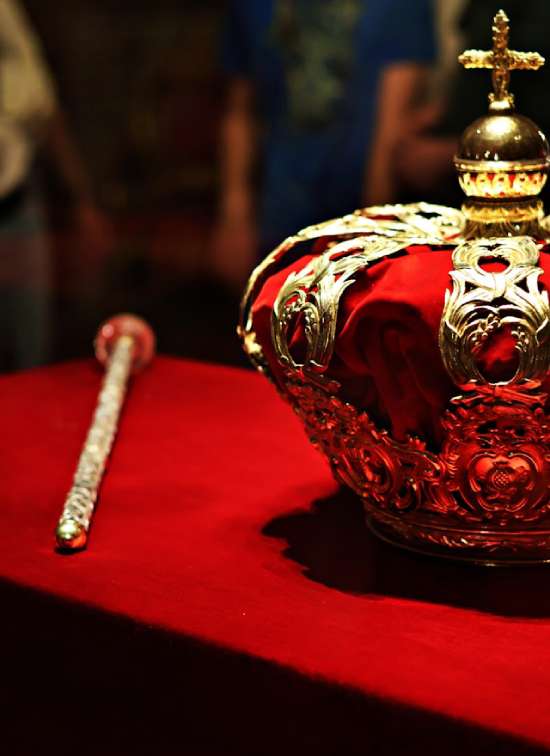
Photo by Deniz Yılmaz on Unsplash
During the time of the prophet Samuel, the people of Israel begged God to give them a king.
For one, they wanted to be like the monarchies around them.
Second, many of the judges leading Israel at that time were corrupt (1 Samuel 8:3–5), and Samuel’s sons—the next judges—unfortunately were no different.
God had intended that Israel would be a theocracy—answering to Him instead of an exalted ruler on earth. He had given them prophets for spiritual guidance. But to the people, this wasn’t enough. They wanted more. They wanted to look powerful.
And so, God granted their appeal even though it wasn’t His ideal (1 Samuel 8:7–9). They would learn for themselves what it meant to have a king.
Who were the kings of Israel?
The rulers of Israel (later Israel and Judah) are an eclectic group of 42 kings and one queen that reigned from about 1052 bc to 586 bc. Some of them were wise individuals that brought religious revival and peace to the nation. But even with all their strengths, they were still human.
Many of these monarchs succumbed to temptations and weaknesses. Others turned from God completely and led the people into idolatry and chaos. Some of them even became dictators, caring only about power and position.
Let’s get a brief overview of each one to understand the spectrum of leaders Israel had, in order of reign.
- Saul: the first king (1 Samuel 9-31)
- Ishbosheth: the short-lived son of Saul (2 Samuel 2:8-4:12)
- David: the greatest king (2 Samuel; 1 Kings 1:1-2:11; 1 Chronicles 11-29)
- Solomon: the wisest king who built the temple (1 Kings 1:12-11:43; 2 Chronicles 1-9)
- Israel’s kings
- Jeroboam I: Israel’s first king (1 Kings 12:20, 25-33; 13-20)
- Nadab: was murdered (1 Kings 15:25-28)
- Baasha: his downfall was prophesied (1 Kings 15:33-16:7
- Elah: was assassinated (1 Kings 16:8-10)
- Zimri: his reign was the shortest, just seven days (1 Kings 16:11-20)
- Omri: fought a civil war to become king (1 Kings 16:21-28)
- Ahab: the evil husband of Jezebel (1 Kings 16:29-22:40)
- Ahaziah: an evil king (1 Kings 22:51- 2 Kings 1:18)
- Jehoram/Joram: had to fight off enemies (2 Kings 3-9)
- Jehu: a righteous king, but through unconventional methods (2 Kings 9-10)
- Jehoahaz: begged God for help (2 Kings 13:1-9)
- Jehoash/Joash: fought the Syrians (2 Kings 13:10-25)
- Jeroboam II: reigned 41 years (2 Kings 14:23-29
- Zachariah: was assassinated (2 Kings 15:8-12)
- Shallum: was also assassinated (2 Kings 15:13-15)
- Menahem: surrendered to Assyrians (2 Kings 15:16-22)
- Pekahiah: was murdered (2 Kings 15:23-26)
- Pekah: fought the Assyrians (2 Kings 15:27-31)
- Hoshea: last king of Israel (2 Kings 17)
- Judah’s kings
- Rehoboam: first king of Judah (1 Kings 11:43-12:24; 14:21-31; 2 Chronicles 10-12)
- Abijam/Abijah: defeated Israel (1 Kings 15:1-8; 2 Chronicles 13)
- Asa: started spiritual reformation (1 Kings 15:9-24; 2 Chronicles 14-16)
- Jehoshaphat: brought in prosperous times (1 Kings 22:41-50; 2 Chronicles 17-20)
- Jehoram: caused unrest in Judah (2 Chronicles 21)
- Ahaziah: killed by Israelite king (2 Chronicles 22:1-9)
- Athaliah: only queen; evil (2 Kings 11:1-16; 2 Chronicles 22:10-23:15)
- Joash: became king at eight years old (2 Kings 11:12-12:21; 2 Chronicles 23-24)
- Amaziah: defeated Edomites (2 Kings 14:1-20; 2 Chronicles 25)
- Azariah/Uzziah: disobeyed God (2 Kings 14:21-22; 2 Kings 15:1-7; 2 Chronicles 26)
- Jotham: repaired temple (2 Kings 15:32-38; 2 Chronicles 27)
- Ahaz: defeated by Syrians and Israelites (2 Kings 16:1-20; 2 Chronicles 28)
- Hezekiah: healed by God (2 Kings 18-20; 2 Chronicles 29-32; Isaiah 36-39)
- Manasseh: longest reign (2 Kings 21:1-18; 2 Chronicles 33:1-20)
- Amon: assassinated by servants (2 Kings 21:19-26; 2 Chronicles 33:21-25)
- Josiah: began reformation (2 Kings 22:1-23:30; 2 Chronicles 34-35
- Jehoahaz: taken prisoner by Egypt (2 Kings 23:31-34; 2 Chronicles 36:1-4)
- Jehoiakim: oppressive king (2 Kings 23:31-24:7; 2 Chronicles 36:5-8)
- Jehoiachin/Jeconiah: Babylonian prisoner (2 Kings 24:8-16; 2 Chronicles 36:9-10)
- Zedekiah: last king of Judah (2 Kings 24:17-25:26; 2 Chronicles 36:11-21)
Saul (1 Samuel 9–31)
Saul was the first king of Israel, chosen by God and anointed by the prophet Samuel.
He began his kingship as a humble man filled with the Holy Spirit, but within two years, pride got the better of him. He deliberately disobeyed God’s clear instructions and lost His blessing (1 Samuel 13:13–14).
He reigned for about 40 to 42 years (Acts 13:21) before ending his life during a war with the Philistines.1
Ishbosheth (2 Samuel 2:8–4:12)
Ishbosheth was Saul’s son. Though God had chosen David to be the next king, Saul’s general Abner tried to put Ishbosheth on the throne (2 Samuel 2:8–10).
He reigned for two years over all the tribes, except Judah. War went on between David’s army and Ishbosheth’s army until Abner defected and allied himself with David.
Not long after, two assassins murdered Ishbosheth, mistakenly thinking that would please David (2 Samuel 4).
David (2 Samuel; 1 Kings 1:1–2:11; 1 Chronicles 11–29)

Photo by Marlies Dhont
David was Israel’s strongest king and was even called a man after God’s heart (Acts 13:22).
Though anointed as king at a young age, he didn’t ascend the throne for 15 years (1 Samuel 16:13).
Meanwhile, he was a shepherd, a psalm writer, a harpist, and a mighty warrior who led Saul’s armies. His potential, however, made him a target of Saul’s jealousy. Saul’s attempts to kill David forced him to live on the run.
When he became king at last, he reigned over the tribe of Judah for seven and a half years (2 Samuel 5:4–5) and the rest of Israel for another 33 years (1 Kings 2:10–11).
Solomon (1 Kings 2:12–11:43; 2 Chronicles 1–9)
Solomon, David’s son, reigned for 40 years as the most prosperous of all Israel’s kings. When he first became king, God blessed him with not only world-renowned wisdom but also great wealth (1 Kings 3:3, 7, 9). He built the famous Solomon’s temple in Jerusalem (1 Kings 6).
But lust was his downfall. He took hundreds (yes, hundreds) of foreign wives and concubines who led him away from God toward pagan worship (1 Kings 11:1–8).
The result? God would take part of Solomon’s kingdom away from his son (verses 11–13).
The divided kingdom
When Rehoboam, Solomon’s son, came to the throne, ten of the tribes of Israel rebelled against him (1 Kings 12). As a result, the kingdom split into Israel (the northern kingdom) and Judah (the southern kingdom).
What triggered the rebellion?
The people had pleaded with Rehoboam to lessen their burdens—those placed on them when Solomon had turned from God and become an oppressive king. But Rehoboam threatened them with greater burdens.
Angered at his cruelty, ten tribes (except Judah and Benjamin) united under Jeroboam and became a separate nation—still called Israel.
We’ll look at Israel’s line of kings first.
Israel’s kings
After Solomon, Israel had 19 kings—all of them ungodly. The line of kings begins with Jeroboam I (around 924 bc2) and goes to Hoshea. During Hoshea’s reign, the Assyrians captured the Israelites and brought an end to the nation.
Jeroboam I (1 Kings 12:20, 25–33; 13–20)
Though God had promised the kingdom to Jeroboam, he turned from God and started a chain of evil influence during his 22-year reign.
To prevent the Israelites from going to the Jerusalem temple (in Judah) to worship, he set up golden calves in both the northern and southern regions of his kingdom. This blend of pagan worship and the worship of God caused a lot of confusion among the people, as you can imagine.
Nadab (1 Kings 15:25–28)
Nadab followed in the footsteps of his father Jeroboam. He only reigned for two years before he and Jeroboam’s other relatives were assassinated by a man named Baasha (1 Kings 15:29).
Baasha (1 Kings 15:33–16:7)
Baasha took the throne by force and reigned for 24 years. The prophet Jehu came to him and prophesied his downfall because Baasha had assassinated Jeroboam’s family.
Elah (1 Kings 16:8–10)
Elah, Baasha’s son, only reigned for two years. His captain of chariots, Zimri, assassinated him and took the throne.
Zimri (1 Kings 16:11–20)
Zimri destroyed all of Elah and Baasha’s household to get the throne. But his reign was short-lived. After seven days, the people found out what he’d done and made Omri king instead.
Omri took an army and besieged the city of Tirzah where Zimri was. In desperation, Zimri set his palace on fire and died there.
Omri (1 Kings 16:21–28)
Omri wasn’t much better than Zimri in morality, though he did reign for 12 years. But first, he had to deal with civil war when some of the people made a man named Tibni king instead. Once Tibni died in battle, Omri was able to unite the people under himself.
Ahab (1 Kings 16:29–22:40)

Photo by Oleksandr Sushko on Unsplash
Ahab was an evil king, known for his marriage to an idolatrous and cruel woman (ever heard of Jezebel?). During Ahab’s 22-year reign, Jezebel championed the worship of Baal.
And who was Baal?
The Canaanite people exalted him as a god of fertility. They set up idols and altars, where they honored him with animal sacrifices. But the “worship” didn’t stop there—it also involved sexual rites or even sacrificing their own children.3
Because of all this mess, God sent the prophet Elijah to King Ahab to warn about a coming judgment: a drought. The drought lasted for three years until a showdown took place between Elijah and the prophets of Baal on Mt. Carmel. There, God sent fire from heaven to consume the sacrificial offering prepared for Him (1 Kings 18:38, 39), demonstrating that He was on Elijah’s side and that Ahab’s kingdom would be taken from him.
Ahaziah (1 Kings 22:51–2 Kings 1:18)
Ahaziah, Ahab’s son, wasn’t much better than his parents. He continued to encourage national worship of Baal during his two-year reign.
Jehoram/Joram (2 Kings 3–9)
Jehoram, Ahaziah’s son, was also an evil king. During his 12 years on the throne, he had to deal with many enemy nations, including the Moabites and the Syrians. He was assassinated by Jehu.
Jehu (2 Kings 9–10)
The prophet Elisha anointed Jehu king while Jehoram was still on the throne. God commissioned Jehu to bring judgment on Ahab’s family line (2 Kings 9:7–9, 24–27).
Jehu tried to reform Israel but resorted to a less-than-ideal method—deception. He pretended to be a follower of Baal and called a gathering, only to kill all those who attended (2 Kings 10:18–28).
Jehoahaz (2 Kings 13:1–9)
Jehoahaz started his 17-year reign at odds with God. Because of his wayward actions, God allowed the Syrians to conquer Israel. But Jehoahaz cried out to God for help, and God in His mercy delivered the Israelites.
Jehoash/Joash (2 Kings 13:10–25)
Jehoash, also referred to as Joash, was evil like his father Jehoahaz. He also continued to fight against the Syrians. But a prophet of God by the name of Elisha came to Jehoash and prophesied that Israel would gain some victories during this time (2 Kings 13:14–19).
Jeroboam II (2 Kings 14:23–29)
Jeroboam II, Jehoash’s son, reigned for 41 years. Though he didn’t follow God, he was able to restore some of the coastal lands of Israel.
Zachariah (2 Kings 15:8–12)
Zachariah, Jeroboam’s son, reigned for six months before being killed by Shallum.
Shallum (2 Kings 15:13–15)
Shallum, identified in the Bible as “the son of Jabesh,” began a bloody time in the nation of Israel when he assassinated King Zachariah. After only a month, Shallum was killed by Menahem.
Menahem (2 Kings 15:16–22)
Menahem, the son of Gadi, ascended the throne and reigned for ten years. During this time, the Assyrian King Pul attacked Israel. Menahem surrendered and agreed to pay him a tribute of money or other resources in exchange for peace.
Pekahiah (2 Kings 15:23–26)
Pekahiah was the son of Menahem. He reigned for two years until Pekah, a captain in his army, conspired against him and murdered him.
Pekah (2 Kings 15:27–31)
Pekah stayed on the throne for 20 years, facing the attacks of King Tiglath-Pileser of Assyria against Israel. He was murdered by Hoshea.
Hoshea (2 Kings 17)
Hoshea was the last king of Israel. His reign ended with the fall of Israel’s capital Samaria, which ushered in the Assyrian captivity (722 bc).
Judah’s kings
The nation of Judah had 20 kings from Rehoboam’s reign (about 924 bc) to the Babylonian captivity in 586 bc.4 Unlike Israel, Judah had a mixture of good kings and evil kings.
Rehoboam (1 Kings 11:43–12:24; 14:21–31; 2 Chronicles 10–12)
Rehoboam was Solomon’s son. He initially followed God (2 Chronicles 11:17), but the weakness of his father—lust—brought him down, too (verse 23).
While Rehoboam reigned over Judah for 17 years, he led the people to worship other gods. It wasn’t until the king of Egypt invaded the nation that Rehoboam realized the error of his ways and humbled himself before God (2 Chronicles 12:2–12).
Abijam/Abijah (1 Kings 15:1–8; 2 Chronicles 13)
Abijam (also called Abijah) was Rehoboam’s son. At the beginning of his three-year reign, he relied on God and gained victory over Israel in battle (2 Chronicles 13:8–22). But like his father, he let temptation overcome him (1 Kings 15:3).
Asa (1 Kings 15:9–24; 2 Chronicles 14–16)

Photo by Mario La Pergola on Unsplash
Asa, Abijam’s son, reigned for 41 years. He was a godly king who removed the idols in the land and spurred reformation (2 Chronicles 14:1–5). He fortified the cities of Judah and defeated the Ethiopians by trusting in God (verses 9–12).
In his later years, he made a wrong move in allying himself with the king of Syria (2 Chronicles 16:2, 7). Then, he died of a foot disease because he refused to seek God for help (verse 12).
Jehoshaphat (1 Kings 22:41–50; 2 Chronicles 17–20)
Jehoshaphat, Asa’s son, reigned for 25 years and continued the reforms his father had started; he sent priests throughout the nation to teach God’s law. During his reign, Judah grew militarily and economically.
When the Moabites, Ammonites, and Edomites threatened to attack, Jehoshaphat cried out to God for help and sent singers out with the army to praise God (2 Chronicles 20:20–22).
His reign was successful, but a major mistake would change the course of future generations:
He allied himself with the ungodly King Ahab of Israel, giving his son Jehoram in marriage to Ahab’s daughter, Athaliah (2 Chronicles 19:2).
Jehoram (2 Chronicles 21)
Jehoram, Jehoshaphat’s son, murdered all his brothers when he ascended the throne. His wife Athaliah influenced him to turn away from God.
And consequences followed. Without God’s blessing and protection, Judah experienced unrest as the nations of Edom and Libnah revolted against it (2 Chronicles 21:8–10). Finally, Jehoram died of an incurable disease after reigning for eight years.
Ahaziah (2 Chronicles 22:1–9)
Ahaziah was the son of Jehoram and the grandson of King Ahab of Israel. He listened to the wayward advice of his mother (verse 3) and other counselors instead of following God. After only one year on the throne, Ahaziah was killed by King Jehu of Israel.
Athaliah (2 Kings 11:1–16; 2 Chronicles 22:10–23:15)
Athaliah was the only woman to reign over Judah. She was the daughter of King Ahab and Queen Jezebel of Israel. After the death of her son Ahaziah, she destroyed all her rivals to the throne (except for Joash—who we’ll learn about next).
She reigned for six years, but then the priest Jehoiada—together with the captains and guards of the palace—overthrew her and made Joash king instead (2 Chronicles 23:1–8).
Joash (2 Kings 11:12–12:21; 2 Chronicles 23–24)

Photo by Masjid Pogung Dalangan on Unsplash
Joash was Ahaziah’s only surviving son—saved by his aunt Jehosheba who acted quickly when Athaliah was murdering the royal family. Jehosheba, together with the priest Jehoiada, hid him in the temple for six years and taught him about God. When Joash turned seven, Jehoiada declared him king in a coup against Queen Athaliah.
During the lifetime of Jehoiada, Joash honored God and raised money to repair the temple.
But sadly, when Jehoiada died, Joash turned to idols (2 Chronicles 24:17–18). He even ordered the death of the prophet Zechariah (a relative of Jehoiada) because he didn’t like his message.
Joash’s 40-year reign came to an end when his servants killed him.
Amaziah (2 Kings 14:1–20; 2 Chronicles 25)
Amaziah, Joash’s son, was a good king who reigned for 29 years. He defeated the Edomites because he followed God’s counsel, as communicated through a prophet.
Things took a turn for the worse, though, after he set up the Edomites’ idols in Jerusalem. God sent a prophet to Him to call him out, but this time he chose not to listen. So, without God’s blessing and help, he lost a battle to the Israelites and King Jehoash. And finally, a group of conspirators murdered him.
Azariah/Uzziah (2 Kings 14:21–22; 15:1–7; 2 Chronicles 26)
Azariah, also known as Uzziah, began his 52-year reign on a good note. But pride was his downfall. He thought he could perform an act of worship in the temple that only the priests were allowed to do—burn incense upon the altar. His presumption resulted in judgment: he was afflicted with leprosy.
Jotham (2 Kings 15:32–38; 2 Chronicles 27)
Jotham, the son of Azariah, was a godly king who reigned for 16 years. He helped repair God’s temple in Jerusalem and defeated the Ammonites who attacked Judah.
Ahaz (2 Kings 16:1–20; 2 Chronicles 28)
Ahaz didn’t follow the example of his father Jotham. He adopted the evil worship practices of surrounding nations, such as serving the idol Baal and performing pagan rituals of child sacrifice. During his reign, the temple of God closed down.
The Syrians and Israelites defeated him in battle, taking many people captive. He allied himself with the Assyrians—but it came at the price of a high tribute.
Hezekiah (2 Kings 18–20; 2 Chronicles 29–32; Isaiah 36–39)
Ahaz’s son Hezekiah was a godly king that reversed some of his father’s evildoing. The nation experienced a prosperous time—spiritual and otherwise—during the 29 years he reigned. He restored the Passover service and a time of celebration that Judah had not experienced since the time of Solomon.
When Hezekiah thought he was going to die from sickness, he prayed for healing, and God extended his life for 15 years.
Manasseh (2 Kings 21:1–18; 2 Chronicles 33:1–20)
Manasseh began his reign at 12 years of age and continued for 55 years. This makes him the longest-reigning king of Judah.
Sadly, he did the opposite of his father Hezekiah and led the people to worship Baal. He practiced witchcraft and consulted mediums—not to mention that he “shed innocent blood” (2 Kings 21:16 NKJV).
The Assyrians attacked Jerusalem and imprisoned Manasseh, leading him to hit rock bottom and repent. As a result, God restored the kingdom to him.
Amon (2 Kings 21:19–26; 2 Chronicles 33:21–25)
Manasseh’s reform was too late to change his son Amon. Amon was an evil king, but he only reigned two years before his servants assassinated him.
Josiah (2 Kings 22:1–23:30; 2 Chronicles 34–35)
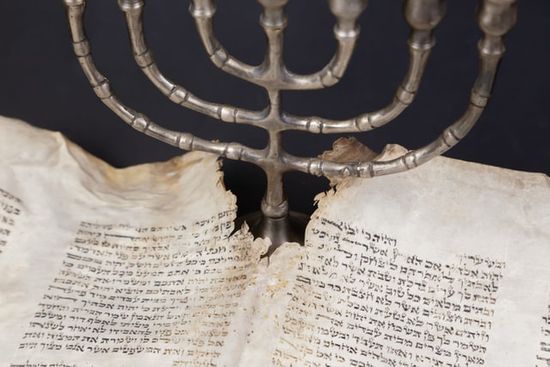
Photo by Diana Polekhina on Unsplash
Starting at eight years old, Josiah reigned for 31 years. He followed God despite his evil father, Amon.
When the high priest Hilkiah discovered the book of the law of the Lord that had been lost during Manasseh’s reign, Josiah took its message to heart. Hearing the judgments that had been prophesied, he cried out to God for mercy. He asked for the law to be read to all the people, starting a reformation and averting judgment during his lifetime.
The Bible tells us that there was no king quite like Josiah, “who turned to the Lord with all his heart and with all his soul and with all his might” (2 Kings 23:25 NKJV).
Jehoahaz (2 Kings 23:31–34; 2 Chronicles 36:1–4)
Jehoahaz, Josiah’s son, was an evil king who reigned for only three months. He was taken prisoner by Pharaoh Neco of Egypt, and Judah came under Egypt’s control.
Jehoiakim (2 Kings 23:31–24:7; 2 Chronicles 36:5–8)
Jehoiakim, made ruler by the Pharaoh, was Jehoahaz’s brother. Jehoiakim’s reign lasted 11 years, during which he oppressed the people and taxed them heavily—so he could pay tribute to the Pharaoh. Babylon also besieged Jerusalem for the first time in 605 bc.
Jehoiachin/Jeconiah (2 Kings 24:8–16; 2 Chronicles 36:9–10)
Jehoiachin (sometimes referred to as Jeconiah) was the son of Jehoiakim. He took the throne for three months until Babylon besieged Jerusalem the second time (597 bc) and captured many people, including Jehoiachin. He remained imprisoned until the Babylonians released him in 561 bc (2 Kings 25:27–30).
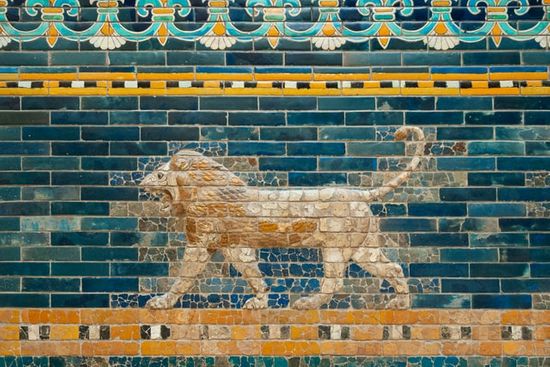
Photo by Corbin Mathias on Unsplash
Zedekiah (2 Kings 24:17–25:26; 2 Chronicles 36:11–21)
Zedekiah, Jehoiachin’s brother, was a figurehead appointed by the Babylonians. He refused to listen to God’s counsel to submit to the Babylonians and rebelled against them during the 11th year of his reign. The Babylonians responded by besieging Jerusalem one final time and destroying it in 586 bc .
How did God use Israel’s kings?
God used Israel’s kings in administrative, military, and spiritual capacities. Here are some of the key roles they had:
- To conquer hostile and dangerous nations (1 Samuel 15:2–3; 2 Samuel 8:1–6; 2 Chronicles 20:14–23)
- To keep order and act as judges for the people (1 Kings 3:16–28)
- To fortify the nation and help it grow economically (2 Chronicles 17:12–13; 27:3)
- To build and restore the temple (1 Kings 5:2–6; 2 Kings 22:3–6)
- To turn the people back to God and bring reformation in the land (1 Kings 15:11–12; 2 Kings 22:8–23:25; 2 Chronicles 29–31)
- To point to the true and perfect King of the Jews—Jesus—who would come from the royal line of David (Isaiah 9:6–7; Jeremiah 23:5)
What can we learn from Israel’s kings?
Though we aren’t kings and we may not live under a monarchy, the stories of Israel’s kings teach us lessons about human nature and the Christian life. Lessons such as:
God allows us to make our own decisions and learn from the consequences of our actions

God values and protects our freedom of choice. That’s why He allowed the Israelites to have kings (despite His warnings) and allowed those kings to make decisions on behalf of the nation. But with these decisions come consequences, either positive or negative. However, if we allow them, even negative consequences can become opportunities for growth.
A leader’s influence can have more sway than we like to admit. And it can lead people to go against God’s ways
A nation, an organization, a church, etc., is inevitably affected by its leadership. If the leaders choose lives of humility before God, they can do so much good. But if they give in to selfish motives, they often lead those under them in the same direction.
Without God, humans can so easily become proud, selfish, and power-hungry
Sad as it is, the human tendency is not toward caring for the hurting and championing the rights of the oppressed. When left to our own devices, we so commonly become controlled by fear and pride.
Fear leads to selfish acts of preservation and rarely to love and compassion. Fearful people tend to look for ways to control others so they can get to the top. Pride can lead to overconfidence, lack of caution or care, hedonistic tendencies, and little regard for others.
If these hundreds of years of recorded history in the Bible tell us anything, it’s that we need help from outside ourselves.
We need God for true victory

We may not be fighting physical battles like the kings of Israel, but we still need God for our spiritual battles—whether we’re fighting resentment toward a family member, struggling to resist the pull of our vices, trying to keep calm when our kids make us want to scream, or looking for strength to keep our integrity when it seems everyone around us is making up their own standards of morality.
Depending on God is our lifeline in every situation. It starts with calling out to Him for help and repeating the Bible promises He’s given us.
Who we choose as counselors can mean the difference between success and failure
And these counselors don’t always have to be professionals or experts to make an impact. This can apply to any source of advice we turn to—a favorite radio show host, a knowledgeable or charismatic friend, that New York Times bestselling self-help book, a trusted family member, etc.
Who you choose to listen to can definitely steer your future.
Even the best of people fail—but Jesus is our infallible King
The kings of Israel spanned the whole gamut of leadership:
Benevolent to corrupt.
Humble to proud.
Obeying God to worshiping idols and practicing appalling rituals.
The insights in their stories are still relevant today as we see the same human nature playing out in our lives and the lives of those around us.
And even the best fail. Sometimes spectacularly.
Just look at Solomon. When he humbly asked for wisdom, God gave him an incredible IQ with the bonus of wealth and prosperity. His reign was the greatest of all Israel’s kings. And yet, he fell.
None of us are exempt from making major mistakes. And so, the kings of Israel teach us that we must rely on King Jesus above every human being (Psalm 146:3–5). He lived a perfect example and offers us the power to follow it.
And He will never fail us.
- https://claudemariottini.com/2009/10/17/how-long-did-saul-reign-in-israel/. [↵]
- The Oxford Companion to the Bible, p. 391. [↵]
- Vander Laan, Ray, “Fertility Cults of Canaan,” That the World May Know. [↵]
- Ibid., p. 391. [↵]
Related Articles



More Answers

The Barren Fig Tree Parable: What It Means to Bear Fruit
Find out what the Parable of the Barren Fig Tree really means.

¿Qué son las reuniones evangelísticas adventistas?
¿Qué son las reuniones evangelísticas adventistas?La Iglesia Adventista del Séptimo Día pone un gran énfasis en compartir el evangelio mediante la evangelización, o compartir el evangelio a través de la predicación, la enseñanza y el testimonio. Una de las formas en...
O que são os Encontros Evangelísticos Adventistas?
O que são os Encontros Evangelísticos Adventistas?A Igreja Adventista do Sétimo Dia dá grande ênfase ao compartilhamento do evangelho por meio da evangelização, ou seja, compartilhar o evangelho através da pregação, ensino e testemunho. Uma das formas de realizarmos...

O Que os Adventistas Acreditam Sobre Fé e Obras?
O Que os Adventistas Acreditam Sobre Fé e Obras?Os adventistas acreditam que somos salvos pela fé, que é a crença e confiança que temos em Jesus Cristo para nos salvar dos nossos pecados. Jesus, então, nos capacita a viver em harmonia com os mandamentos de Deus e a...
¿Qué creen los Adventistas sobre la fe y las obras?
¿Qué creen los Adventistas sobre la fe y las obras?Los adventistas creen que somos salvos por la fe, que es la creencia y confianza que tenemos en Jesucristo para salvarnos de nuestros pecados. Jesús, entonces, nos capacita para vivir en armonía con los mandamientos...

Je, Ninahitaji Kuwa Mwadventista Ili Niokolewe
Je, Ninahitaji Kuwa Mwadventista Ili Niokolewe?Jibu la swali hili ni rahisi, “hapana.” Linapokuja swala la wokovu katika Yesu Kristo, kinachohitajika kwa mtu ni kukiri dhabihu ya Yesu kwa ajili yetu, kuamini kwamba Ametuokoa, na kudai zawadi ya bure ya wokovu ambayo...
¿Necesito ser adventista para ser salvo?
¿Necesito ser adventista para ser salvo?La respuesta a esta pregunta es simplemente, “no.” Cuando se trata de la salvación en Jesucristo, todo lo que se requiere de una persona es reconocer el sacrificio de Jesús por nosotros, creer que Él nos ha salvado y reclamar el...
Preciso ser Adventista para ser salvo?
A resposta para essa pergunta é simplesmente: “não.”

Lo que la Biblia dice sobre la Segunda Venida de Jesucristo
¿Tienes curiosidad sobre lo que la Biblia dice acerca de la Segunda Venida de Jesucristo? Cubriremos los versículos clave y su significado.

¿Quién fue Mateo, el apóstol, en la Biblia?
En el primer libro del Nuevo Testamento, encontramos la historia del Evangelio desde la perspectiva de Mateo.

2 Corinthians: An Overview of Paul’s Most Personal Letter
Discover Paul’s lessons on forgiveness, reconciliation, generosity, and more. It’s all in the book of 2 Corinthians!
Quem Foi Mateus, o Apóstolo, na Bíblia?
Quem Foi Mateus, o Apóstolo, na Bíblia?No primeiro livro do Novo Testamento, encontramos a história do Evangelho sob a perspectiva de Mateus. Ele era um coletor de impostos judeu de Cafarnaum, no primeiro século d.C., e provavelmente era desprezado pelos outros judeus...

The Pharisee and the Tax Collector Parable: Its Meaning Made Simple
The Meaning of the Pharisee and the Tax Collector ParableIn Luke 18:9-14, Jesus told a parable about two men who went to the temple to pray. One was a Pharisee and the other a tax collector. The Pharisee prayed (well, bragged) about his own good works compared to the...
Biblia Inasema Nini Kuhusu Ujio wa Pili wa Yesu Kristo
Unajuliza Biblia inasema nini kuhusu Kurudi kwa Yesu Kristo Mara ya Pili? Tutajadili aya kuu na maana zake.

The Story of the Widow’s Mite—What It Really Means
The Story of the Widow’s Mite—What It Really MeansPeople often assume bigger is better, but the Bible turns this concept on its head with the story of the Widow’s Mite. Of all the donations Jesus sees at the temple, the gift that draws His attention is not the...

Consejo de Elena G. de White sobre la Educación Universitaria
Consejo de Elena G. de White sobre la Educación UniversitariaElena G. de White, una cofundadora importante del Adventismo, es conocida a menudo por su orientación práctica y espiritual para la educación infantil adecuada. Pero también estuvo significativamente...
Mathayo Alikuwa Nani Katika Biblia?
Mathayo Alikuwa Nani Katika Biblia?Katika kitabu cha kwanza cha Agano Jipya, tunapata simulizi la Injili kutoka kwa Mathayo. Alikuwa mtoza ushuru Myahudi kutoka Kapernaumu katika karne ya kwanza MK, na huenda alichukiwa na Wayahudi wenzake kwa kuchagua kazi hiyo....

¿Cuáles son los beneficios de vivir en el campo?
¿Cuáles son los beneficios de vivir en el campo?Visitar el campo puede ofrecer un descanso muy necesario del típico ajetreo y bullicio de la ciudad. Muchos incluso han decidido mudarse a zonas rurales para disfrutar de un ritmo más lento, espacios amplios, aire...
Quais São os Benefícios de Viver no Campo?
Visitar o campo pode oferecer uma pausa muito necessária do típico agito da cidade.

¿Qué significa la parábola de la perla de gran precio?
Esto es lo que Jesús enseñó sobre el reino de los cielos a través de esta breve parábola sobre un comerciante que encuentra una perla invaluable.
O Que Significa a Parábola da Pérola de Grande Valor?
Aqui está o que Jesus ensinou sobre o reino dos céus por meio desta parábola curta sobre um comerciante que encontra uma pérola inestimável.

Por Que Muitos Adventistas Querem Viver no Campo
Por Que Muitos Adventistas Querem Viver no CampoViver em áreas rurais é algo que os adventistas têm valorizado historicamente, embora as necessidades da vida moderna nem sempre tenham tornado isso possível. Convenhamos, as vantagens da vida na cidade são bastante...

Uma Visão Geral de Romanos: Fé, Justiça, Relacionamentos
Uma Visão Geral de Romanos: Fé, Justiça, RelacionamentosO livro de Romanos é uma das 21 epístolas, ou cartas abertas, do Novo Testamento. E embora seja um texto bíblico antigo, ainda tem uma relevância significativa (até surpreendente) para nossas vidas hoje. O...

Jesus é o Mesmo Ser que Miguel, o Arcanjo?
Jesus é o Mesmo Ser que Miguel, o Arcanjo?Muitos cristãos têm se perguntado sobre a misteriosa identidade de Miguel, o Arcanjo. Desde os primórdios do cristianismo, muitos interpretaram Miguel como o Messias identificado com a figura do Anjo do Senhor. O reformador...
Je, Faida za Kuishi Vijijini ni Zipi?
Kutembelea maeneo ya vijijini kunaweza kutoa mapumziko yanayohitajika sana kutoka kwenye pilikapilika za kawaida za mijini.
Je, Mfano wa Lulu ya Thamani Kubwa Unamaanisha Nini?
Hivi ndivyo Yesu alivyofundisha kuhusu ufalme wa mbinguni kupitia mfano huu mfupi wa mfanyabiashara aliyepata lulu ya thamani isiyo na kifani.
Kwa Nini Waadventista Wengi Wanataka Kuishi Vijijini
Kwa Nini Waadventista Wengi Wanataka Kuishi VijijiniKuishi maeneo ya vijijini ni jambo ambalo Waadventista wamekuwa wakilithamini kihistoria, ingawa mahitaji ya maisha ya kisasa hayafanyi iwezekane kila wakati. Tukubali, faida za kuishi mjini zinaonekana wazi: fursa...
Muhtasari wa Kitabu cha Warumi: Imani, Haki, Mahusiano
Hapa kuna muhtasari na historia ya waraka mrefu zaidi wa Paulo.

Sobre o que é a Parábola do Semeador de Jesus?
A parábola do semeador é, em última análise, sobre como as pessoas responderam a Jesus Cristo e Sua mensagem do reino de Deus—o Evangelho.
Didn’t find your answer? Ask us!
We understand your concern of having questions but not knowing who to ask—we’ve felt it ourselves. When you’re ready to learn more about Adventists, send us a question! We know a thing or two about Adventists.