
A covenant, or “a binding promise” in a relationship between two people or parties,1 is a major theme of the Bible. It’s similar to what we call contracts today.
From the moment Adam and Eve sinned, God made a covenant with them, promising to send the Messiah to deliver them from sin (Genesis 3:15). And He repeats that covenant over and over to His people throughout the Old Testament. It’s referred to as the “everlasting covenant” (Genesis 17:19).
So, what is the new covenant?
The new covenant, mentioned in the New Testament in Hebrews 8:8-12, is God’s renewal of that everlasting covenant, confirmed when Jesus Christ died on the Cross. It’s His promise to ultimately deliver us from sin, give us eternal life, restore our relationship with Him, and put His law of love in our hearts through the Holy Spirit—even though throughout history, we haven’t been faithful to our part of God’s covenant.
What’s changed in this new covenant is that Jesus came to this earth, lived a perfect life, and took the punishment we deserved—all to fulfill our end of the promise on our behalf.
We’ll explore this topic in depth in the following sections:
Let’s begin by looking at the passages in Scripture that talk about this special promise.
How the Bible defines the new covenant
Photo by Aaron Burden on Unsplash
The new covenant is a set of promises God gave to His people and confirmed through Jesus’ death on the Cross. We find the term new covenant in Jeremiah 31:31-34, which Paul later quotes in the New Testament:
“Behold, the days are coming, says the Lord, when I will make a new covenant with the house of Israel and with the house of Judah—not according to the covenant that I made with their fathers in the day when I took them by the hand to lead them out of the land of Egypt; because they did not continue in My covenant, and I disregarded them, says the Lord. For this is the covenant that I will make with the house of Israel after those days, says the Lord: I will put My laws in their mind and write them on their hearts; and I will be their God, and they shall be My people. None of them shall teach his neighbor, and none his brother, saying, ‘Know the Lord,’ for all shall know Me, from the least of them to the greatest of them. For I will be merciful to their unrighteousness, and their sins and their lawless deeds I will remember no more” (Hebrews 8:8-12, NKJV).
Did you notice the four important promises from God to His people?
- He will put His laws in their minds and write them on their hearts.
- He will be their God, and they will be His people.
- All will know Him.
- He will give them mercy and no longer remember their sins.
These four promises were really not new promises but rather renewed ones.2 From the beginning, it was part of God’s plan to fulfill all these promises to His people through Jesus. Notice what the book of Hebrews tells us about it:
“Now may the God of peace who brought up our Lord Jesus from the dead, that great Shepherd of the sheep, through the blood of the everlasting covenant, make you complete in every good work to do His will, working in you what is well pleasing in His sight, through Jesus Christ” (Hebrews 13:20-21, NKJV).
This passage mentions “the blood of the everlasting covenant.” Since its context is Jesus’ resurrection, we can safely assume it’s referring to Jesus’ blood and death.
Already in the Garden of Eden, God had promised to give the Offspring of the woman as the Messiah (Genesis 3:15). This Messiah would bruise the head of the serpent and deliver His followers from sin and evil.
Fast forward to Abraham. When God called Abraham, He made a covenant with him, promising to bless him, his descendants, and all the world through them (Genesis 12:1-3). This promise simply reflected back to that first promise in Genesis—one of Adam and Eve’s descendants would become the Deliverer of the people.
Many times, God repeated that promise to Abraham, and He promised it to Abraham’s son, Isaac:
“I will establish My covenant with him for an everlasting covenant, and with his descendants after him” (Genesis 17:19, NKJV).
The descendants of Abraham who received this covenant were the Israelites. God once again spoke the covenant to them (Exodus 19-24) and gave them symbols and illustrations in the sanctuary service (Exodus 25-31)—such as the animal sacrifices that pointed to Christ’s death (in addition to the symbol of circumcision He’d given to Abraham).
All of these reminded them of when Christ would come and confirm the covenant (Daniel 9:27).
When was the new covenant established?
The everlasting covenant, as we’ve seen, was established right after Adam and Eve’s fall into sin (Genesis 3:15). The new covenant, which repeated the original one, was established at the death of Jesus.
All three Gospels (and 1 Corinthians 11) record that right before Jesus’ death on the Cross, He gathered His disciples together for a special meal (we know it today as the Last Supper). During this meal, He took a cup of grape juice and said,
“Drink of it, all of you, for this is my blood of the covenant, which is poured out for many for the forgiveness of sins” (Matthew 26:27-28, ESV).3
Jesus’ blood would seal the new covenant (Luke 22:20). This is significant because “the old covenant” God made with the Israelites was also sealed with blood.
Paul brings this up in Hebrews 9:15-22. In this passage, he points out that Moses “took the blood of calves and goats…and sprinkled both the book [of the law] and all the people, saying ‘This is the blood of the covenant that God commanded for you’” (ESV).
This covenant was a renewal of the everlasting one with Abraham. And we’ll cover more about the old covenant in a moment. But first, an important question…
Who is the new covenant for?
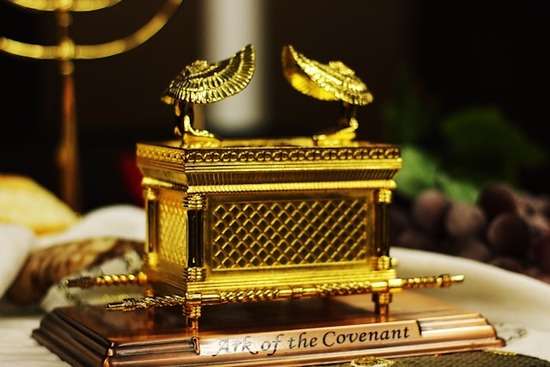
Photo by Igor Rodrigues on Unsplash
The new covenant is for all of God’s followers—both Jews and non-Jews—because the Gospel is for everyone (Matthew 24:14; 2 Corinthians 3:6).
In one of his epistles, Paul wrote to Gentile believers, reminding them of how the blood of Christ brings them the same blessings God promised to Abraham, Isaac, Jacob, and their descendants:
“But now in Christ Jesus you who once were far off have been brought near by the blood of Christ. For he himself is our peace, who has made us both one and has broken down in his flesh the dividing wall of hostility” (Ephesians 2:13-14, ESV).
Jesus broke down the dividing wall between Jews and Gentiles (non-Jews). Everyone can participate in the promises given to God’s people through Abraham:
“There is neither Jew nor Greek, there is neither slave nor free, there is neither male nor female; for you are all one in Christ Jesus. And if you are Christ’s, then you are Abraham’s seed, and heirs according to the promise” (Galatians 3:28-29, NKJV).
So now that we understand more about this covenant and how it has existed from the beginning, you may be wondering why a renewed one was necessary. Let’s go there next.
Why we needed a renewed covenant
God’s everlasting covenant given at the Fall has never changed: God’s desire has always been to free His people from their sins and bring them near Him. He repeated that promise from Abraham down through the generations to the people of Israel. The new covenant was only necessary because the people of Israel failed to uphold their end of the covenant with God.
Here’s the backstory.
When the Israelites came out of Egypt to go to the Promised Land, they were immature in their faith, having forgotten God’s principles while enslaved for hundreds of years.
So, God made a covenant with them (often known as the first covenant, old covenant, or mosaic covenant) at Mount Sinai. As part of this covenant, He gave them the sanctuary system and the Ten Commandments.
After so many years in Egypt, they had lost sight of what it means to live a life of love. Though God’s law of love had always existed, He gave them the Ten Commandments as simple principles for loving God and others. Because the Israelites were like children who needed specific directions, He elaborated on those principles through the many laws in the books of Leviticus and Numbers.
God also intended that the animal sacrifices, which were part of the sanctuary service, would be real-life lessons of the seriousness of sin and point them toward the Messiah’s sacrifice.
So, since God had made this covenant with Israel, why was the new covenant needed?
The apostle Paul, right before sharing about the new covenant, gives us the following reason:
“For if that first covenant had been faultless, there would have been no occasion to look for a second” (Hebrews 8:7, ESV).
What was the fault with the first covenant?
“For He finds fault with them” (Hebrews 8:8, ESV).
Them is talking about the Israelites, the ones who entered into the covenant with God.
Remember, a covenant involves two parties committing or making promises to one another. It’s conditional on those promises being kept. So, for a covenant to be faulty, at least one of those parties has to break their promise.
One modern example of this concept is marriage. Marriage is a covenant between two parties who make promises to one another.
If one spouse in that covenant decides to date someone else, the covenant becomes faulty. The fault is due to that spouse’s action—even while the other spouse might be completely innocent.
Let’s carry this illustration over to God’s covenant with His people, the Israelites. When God gave His laws and the sanctuary system to them at Mount Sinai, notice what happened:
“Then [Moses] took the Book of the Covenant and read it in the hearing of the people. And they said, ‘All that the Lord has spoken we will do, and we will be obedient.’ And Moses took the blood and threw it on the people and said, ‘Behold the blood of the covenant that the Lord has made with you in accordance with all these words’” (Exodus 24:7-8, ESV).
The people promised to do all God said and be obedient to Him.
But a quick trip through the Bible books of Judges, 1 and 2 Samuel, and 1 and 2 Kings shows us very clearly that the people failed to keep their promise. They didn’t hold up their end of the covenant, which made it faulty.
All along, God wanted them to recognize their dependence on Him and the sacrifice of Jesus, but they depended on themselves and failed. Theologian Jiří Moskala says, “They took God’s law merely as a command, something to do in order to be righteous and holy, instead of keeping God’s precepts out of gratitude for His kindness toward them.”4
For this reason, the old covenant failed; God’s people couldn’t hold up their end.
But Jesus changed all of that.
He came to this earth and lived a perfect life of obedience to fulfill our end of the covenant (Matthew 5:17-18). Sinful human beings aren’t capable of being faithful to the covenant, but through Jesus, we are.
The new covenant, as Paul emphasizes, is built on better promises—Christ’s promises:
“Christ [as our High Priest] has obtained a ministry that is much more excellent than the old as the covenant He mediates is better, since it is enacted on better promises” (Hebrews 8:6, ESV).
Rather than our promises to keep God’s commandments, the new covenant is about Jesus’ promise to put His laws in our minds and write them on our hearts (Hebrews 8:10). His promises won’t fail:
“For all the promises of God find their Yes in [Christ]” (2 Corinthians 1:20, ESV).
What the new covenant means for us

Photo by Naassom Azevedo on Unsplash
The new covenant and its promises are, in essence, the Gospel message (Romans 1:16-17). The new covenant is Jesus’ promise to save us from our sins and to give us His power in our lives. And that promise was confirmed by His death on the Cross.
Thus, rather than us trying to do the right thing and obey Him in our strength, we now have His promise to do that in us. Let’s look again at the incredible promises of the new covenant as mentioned in Hebrews 8:10-12:
- He will put His laws in our minds and write them on our hearts.
- He will be our God, and we will be His people.
- All will know Him.
- He will give us mercy and no longer remember our sins.
And this was God’s purpose for His people all along! Notice the similar promise in Ezekiel 36:26-28:
“And I will give you a new heart, and a new spirit I will put within you. And I will remove the heart of stone from your flesh and give you a heart of flesh. And I will put My Spirit within you, and cause you to walk in My statutes and be careful to obey My rules. You shall dwell in the land that I gave to your fathers, and you shall be My people, and I will be your God” (ESV).
Because we aren’t capable of obeying God and upholding the covenant, Jesus came and upheld our end of the covenant.
What’s our role then?
Simply to believe—believe that He will do this work in us.
A well-known passage about salvation reflects this role and the promises of the new covenant:
“For by grace you have been saved through faith. And this is not your own doing; it is the gift of God, not a result of works, so that no one may boast. For we are His workmanship, created in Christ Jesus for good works, which God prepared beforehand, that we should walk in them” (Ephesians 2:8-10, ESV).
The new covenant is God’s promise to do a beautiful work in our lives, a work we can’t do ourselves. Even when our promises fail, God’s promise to us is unfailing.
A covenant on better promises
The new covenant, when we understand it correctly, is just the Gospel message God gave to humans when sin entered our world. Throughout the Old Testament, He promised to send someone to save us from our sins (Matthew 1:21).
When Jesus came, that promise became a reality in His perfect life and death for us. He was faithful to the covenant that we humans couldn’t keep.
In this way, He renewed the covenant for us. We, through Christ, can enter into that covenant in which He promises to give us the Holy Spirit and write His laws in our hearts and minds. Christians today can live in the assurance that Jesus makes it possible for them to be faithful to the covenant.
And we can look forward to the day when we will be fully reunited with God:
“Behold, the dwelling place of God is with man. He will dwell with them, and they will be His people, and God Himself will be with them as their God” (Revelation 21:3, ESV).
It’s all possible because of the better covenant based on what Jesus has done for us.
Related Articles.

- Mendenhall, George, “Covenant,” Encyclopedia Britannica. [↵]
- Moskala, Jiří, “What Is New in the New Covenant?” Ministry. [↵]
- See also Mark 14:24 and Luke 22:20. [↵]
- Moskala, “What Is New in the New Covenant?” [↵]
More Answers
Quem Foram os Juízes de Israel no Antigo Testamento?
Quem Foram os Juízes de Israel no Antigo Testamento?Tempos de crise exigem homens e mulheres de ação. Os israelitas, recém-estabelecidos na Terra Prometida, encontraram-se nesses tempos. À medida que nações inimigas atacavam e oprimiam as tribos, eles clamavam a Deus...

¿En qué se diferencian los Adventistas del Séptimo Día de otros protestantes?
¿En qué se diferencian los Adventistas del Séptimo Día de otros protestantes?Como denominación cristiana protestante, la Iglesia Adventista del Séptimo Día considera la Biblia como la regla suprema de fe y a Jesucristo como el único camino a la salvación. Tenemos...
Como os Adventistas do Sétimo Dia São Diferentes de Outros Protestantes?
Como os Adventistas do Sétimo Dia São Diferentes de Outros Protestantes?Como uma denominação cristã protestante, a Igreja Adventista do Sétimo Dia considera a Bíblia como o guia supremo e vê Jesus Cristo como o único caminho para a salvação. Temos algumas diferenças...

O que é ASI (Associação de Empresários e Profissionais Adventistas)?
O que é ASI (Associação de Empresários e Profissionais Adventistas)?ASI, que significa Associação de Empresários e Profissionais Adventistas (tradução adaptada), é uma organização baseada em associação que oferece apoio aos membros adventistas (profissionais...
Jesús y la Mujer en el Pozo: Derribando Barreras
El encuentro de Jesús con la mujer en el pozo revela su sentir por las personas heridas y su deseo de derribar prejuicios. Esta página analiza cómo Jesús se acercó a ella.

Revealing The True Meaning of The Parable of The Rich Man & Lazarus
Learn the real point behind one of Jesus’ most vivid parables.
O que são as Bem-Aventuranças (E o que significam)?
O que são as Bem-Aventuranças (E o que significam)?As Bem-Aventuranças, encontradas no início do Sermão da Montanha de Jesus no Evangelho de Mateus, são o manifesto do reino de Jesus. Elas descrevem a maneira como Seu reino funciona e o que significa ser um de Seus...

Líderes de la iglesia: ¿Cuál es el rol de un pastor Adventista?
Líderes de la iglesia: ¿Cuál es el rol de un pastor Adventista?¿Cuál es el rol de un pastor en la iglesia Adventista? La posición en sí misma, al menos en lo que respecta a una congregación local, no es muy diferente de la de los pastores en otras denominaciones...
ASI ni Nini (Huduma na Viwanda vya Waadventista vya Kibinafsi)?
ASI ni Nini (Huduma na Viwanda vya Waadventista vya Kibinafsi)?ASI, ambayo inayofupisha maneno (Huduma na Viwanda vya Waadventista vya Kibinafsi), ni shirika la uanachama linalotoa msaada kwa wainjilisti wa Kiadventista (wataalamu wa Kanisa la Waadventista wa Sabato...

Ellen White Alisema Nini Kuhusu Unabii wa Nyakati za Mwisho?
Tunaweza kusoma katika Maandiko kuhusu mfululizo wa matukio na dalili zinazoongoza hadi Ujio wa Pili wa Yesu Kristo.

Safari na Utume wa Ellen G. White Ulimwenguni
Safari na Utume wa Ellen G. White UlimwenguniIngawa Ellen White, mwanzilishi mwenza wa Kanisa la Waadventista wa Sabato, anajulikana zaidi kwa huduma yake nchini Marekani, pia alisafiri kwenda nchi nyingine kumi na mbili katika maisha yake—hili lilikuwa jambo kubwa...

Yote Kuhusu Wainjilisti wa Vitabu wa Kiadventista
Kanisa la Waadventista wa Sabato hutumia mbinu mbalimbali kusambaza tumaini la injili duniani.
¿Qué es ASI (Servicios e Industrias de Laicos Adventistas)?
¿Qué es ASI (Servicios e Industrias de Laicos Adventistas)?ASI, que significa Servicios e Industrias de Laicos Adventistas, es una organización basada en membresía que brinda apoyo a los laicos adventistas (profesionales Adventistas del Séptimo Día que no son...
¿Qué dijo Elena G. de White sobre la profecía de los últimos tiempos?
¿Qué dijo Elena G. de White sobre la profecía de los últimos tiempos?Podemos leer en las Escrituras acerca de la serie de eventos y señales que conducen a la segunda venida de Jesucristo. Y suena bastante intenso, por decir lo menos. La naturaleza simbólica del...
O que Ellen White disse sobre a profecia dos tempos finais?
O que Ellen White disse sobre a profecia dos tempos finais?Podemos ler nas Escrituras sobre a série de eventos e sinais que antecedem a segunda vinda de Jesus Cristo. E, para dizer o mínimo, isso soa bastante intenso. A natureza simbólica da linguagem da profecia...

Meaning of the Parable of the Two Sons in Matthew 21
Meaning of the Parable of the Two Sons in Matthew 21The parable of the two sons in Matthew 21:28-32 is about a father who instructs his sons to work in the family vineyard. The first son refuses to work but later has a change of heart and obeys. The second son says...
Viagens e Missão Mundial de Ellen G. White
Viagens e Missão Mundial de Ellen G. WhiteEmbora Ellen White, cofundadora da Igreja Adventista do Sétimo Dia, seja mais conhecida por seu ministério nos Estados Unidos, ela também viajou para outros doze países durante sua vida — uma grande conquista no século XIX,...
Joseph Bates na Nafasi Yake katika Kanisa la Waadventista
Joseph Bates na Nafasi Yake katika Kanisa la WaadventistaJoseph Bates alikuwa baharia aliyegeuka kuwa mhubiri ambaye alijiunga na Harakati ya Miller na kusubiri Ujio wa Pili wa Yesu kutokea mwaka 1844. Licha ya kukatishwa tamaa wakati hili halikutokea, Bates...

Je, Wasabato Husherehekea Sikukuu?
Je, Wasabato Husherehekea Sikukuu?Je unajiuliza ikiwa mwanafunzi mwenzako au mfanyakazi mwenzako Mwadventista husherehekea sikukuu kama wewe? Labda ungependa kumshirikisha kwenye sherehe fulani, lakini pia unataka kuheshimu imani yake. Kwa hiyo, huna uhakika wa jinsi...

O Que a Bíblia Diz Sobre a Segunda Vinda de Jesus Cristo
Curioso para saber o que a Bíblia diz sobre a Segunda Vinda de Jesus Cristo? Vamos abordar os versículos-chave e o que eles significam.

Waadventista Wanaamini Nini Kuhusu Imani na Matendo?
Waadventista Wanaamini Nini Kuhusu Imani na Matendo?Waadventista wanaamini tunaokolewa kwa imani, ambayo ni imani na tumaini tulilonalo kwa Yesu Kristo kutuokoa kutoka dhambini. Yesu, basi, anatupa uwezo wa kuishi kwa utii wa amri za Mungu na kuwahudumia wengine kwa...
Todo sobre los colportores Adventistas del Séptimo Día
Todo sobre los colportores Adventistas del Séptimo DíaLa Iglesia Adventista del Séptimo Día utiliza una variedad de métodos para difundir la esperanza del evangelio al mundo. Una de estas formas es a través del colportaje, también llamado “venta puerta a puerta” o...
Tudo Sobre Colportores Adventistas do Sétimo Dia
A Igreja Adventista do Sétimo Dia usa uma variedade de métodos para espalhar a esperança do evangelho ao mundo.
Los viajes y la misión mundial de Elena G. de White
Los viajes y la misión mundial de Elena G. de WhiteAunque Elena G. de White, cofundadora de la Iglesia Adventista del Séptimo Día, es más conocida por su ministerio en los Estados Unidos, también viajó a otros doce países durante su vida, un gran logro en el siglo XIX...

Mikutano ya Injili ya Waadventista ni Nini?
Kanisa la Waadventista wa Sabato linaweka mkazo mkubwa katika kushiriki injili kupitia uinjilisti, yaani kushiriki injili kupitia mahubiri, mafundisho, na ushuhuda.
Joseph Bates y su papel en la Iglesia Adventista del Séptimo Día
Joseph Bates y su papel en la Iglesia Adventista del Séptimo DíaJoseph Bates fue un marinero que se convirtió en predicador, se unió al Movimiento Millerita y esperó que ocurriera la Segunda Venida de Jesús en 1844. A pesar de sentirse decepcionado cuando esto no...
Joseph Bates e Seu Papel na Igreja Adventista do Sétimo Dia
Joseph Bates foi um marinheiro que se tornou pregador, juntou-se ao Movimento Millerita e esperou pela Segunda Vinda de Jesus em 1844.
¿Los Adventistas del Séptimo Día celebran las fiestas?
¿Los Adventistas del Séptimo Día celebran las fiestas?¿Te preguntas si tu compañero de clase o de trabajo adventista celebra las mismas fiestas que tú? Tal vez quieres incluirlo en algunas festividades, pero también deseas respetar sus creencias. Entonces, no estás...
Os Adventistas do Sétimo Dia Celebram Feriados?
Está se perguntando se seu colega de classe ou de trabalho adventista celebra os mesmos feriados que você?
Didn’t find your answer? Ask us!
We understand your concern of having questions but not knowing who to ask—we’ve felt it ourselves. When you’re ready to learn more about Adventists, send us a question! We know a thing or two about Adventists.