
You may have heard that Seventh-day Adventists care about health.
But what you may not know is that Adventists have been the subjects of long-term research into lifestyle and health. Since 1958, researchers from Loma Linda University School of Public Health have conducted five cohort studies. Collectively, these studies are known as the Adventist Health Studies.
These studies have helped confirm the incredible health benefits of the unique Adventist diet and lifestyle. They give us confidence that the Bible’s principles of health do work!
Read on to learn what you need to know about each study:
- Why do Seventh-day Adventists care about health?
- Why study Adventists?
- Study #1: Adventist Mortality Study
- Study #2: Adventist Health Study-1
- Study #3: Adventist Health Air Pollution Study
- Study #4: Adventist Health Study-2
- Study #5: Adventist Religion and Health Study
- Key lifestyle takeaways from the Adventist Health Studies
Why do Seventh-day Adventists care about health?
Seventh-day Adventists emphasize whole health—physical, mental, social, and spiritual. These facets are connected: Physical health affects all the others, including the spiritual.
We also recognize that our bodies belong to God and that He desires us to honor Him in the way we care for them (1 Corinthians 6:19–20). And we do so through our lifestyle choices.
Because Adventists live such a healthful lifestyle and tend to have a lower incidence of disease, researchers wanted to see if there was a connection. The purpose of the Adventist Health Studies has been “to measure the link between lifestyle, diet, disease, and mortality among Seventh-day Adventists.”
These studies have increased overall knowledge of lifestyle diseases—diseases that result from people’s day-to-day choices for their diet, activities, and environment.
Why study Adventists?

Image by Andreas Breitling from Pixabay
Adventists are an ideal demographic to study. They are very similar to one another in their lifestyle: They don’t smoke or drink, and they live active lives. But their eating habits cover a spectrum—meaning that researchers can study the impact of dietary patterns without the interference of other factors.
Adventists fit into the following dietary categories, as was the case for Adventist Health Study-1 and Adventist Health Study-2:
- Vegan—doesn’t include any animal products
- Lacto-ovo vegetarian—includes eggs and dairy
- Pesco-vegetarian—includes eggs, dairy, and fish
- Semi-vegetarian—includes meat less than once per week
- Non-vegetarian—includes meat more than once per week
Study #1: Adventist Mortality Study
The Adventist Mortality Study ran from 1958 to 1966 and looked at the death rates of Californian Adventists. The American Cancer Society provided the funding because it was conducting a similar study on the general population and wanted to compare the results. Dr. Frank Lemon and Dr. Richard Walden from Loma Linda University School of Medicine led the study.
Participants
The study included 22,940 Seventh-day Adventists who lived in California.
The methods
The researchers surveyed the participants and then followed up with them after five years. Though the study spanned eight years, one more follow-up took place 25 years later.
The results

Photo by Simon Godfrey on Unsplash
The main finding of the study was this:
Adventists live longer than the general population. Their death rates are lower for all causes of death, including multiple kinds of cancer, cardiovascular disease, stroke, and diabetes.
This was the case even when Adventists were compared with only non-smoking, non-Adventists. Thus, other aspects of lifestyle made a difference, too!
Study #2: Adventist Health Study-1 (AHS-1)
From 1974 to 1988, the National Cancer Institute sponsored Loma Linda University to do a second study: Adventist Health Study-1. This time, instead of comparing Adventists and non-Adventists, researchers wanted to investigate the relationship between diet and cancer. In 1981, they also expanded it to cover cardiovascular disease.
Dr. Roland Phillips was the head researcher this time, followed by Dr. Gary E. Fraser who took over after his death in 1987.
The participants
AHS-1 involved 34,192 Adventists who lived in California. They had to be at least 30 years of age or older, though the average age of the women was 53, and the average age of the men was 51. Most of them reported that they exercised regularly.
The methods
AHS-1 surveyed each participant using a questionnaire about lifestyle and medical history. It included 60 dietary questions.
For six years, researchers used follow-up surveys to assess the participants every year. They also looked at hospital and medical records and the National Death Index.
The results
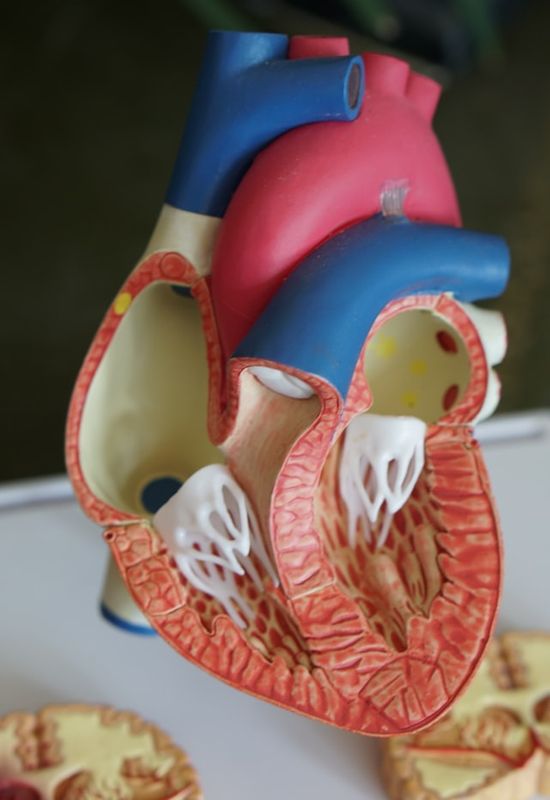
Photo by Robina Weermeijer on Unsplash
Findings from AHS-1 covered life expectancy, cancer, cardiovascular disease, and their connections to diet. It found that the closer participants adhered to a total vegetarian diet, the lower their risk for chronic disease.
Let’s start with the life expectancy findings:
According to the survey, Adventist men live 7.3 years longer and Adventist women live 4.4 years longer than the general population. For vegetarian men, the number increased to nearly 10 years!
The researchers believe there are five contributing factors:
- Never smoking
- Maintaining a normal body weight
- Exercising
- Eating a vegetarian diet
- Eating nuts
Next, here are some things they noticed related to cancer:
- Vegetarians have a lower risk of all types of cancer compared to non-vegetarians.
- Those who ate high-fiber foods—fruits, vegetables, grains, and legumes—had a significant decrease in colon cancer risk.
- Meat consumption many times per week may increase the risk of colon cancer by up to 60%.
- Foods that may help lower cancer risk are legumes and dried fruits (for pancreatic cancer); fresh fruits (for lung cancer, stomach cancer, and ovarian cancer); and tomatoes and soy milk (for prostate cancer).
And related to cardiovascular disease?
- Adventists who had the same risk factors (diabetes, obesity, and a history of smoking) for cardiovascular disease as the general population increased their risk of heart attacks, too.
- Men who ate two or more servings of beef a week had an increase in fatalities from CHD (coronary heart disease).
- Eating whole wheat bread instead of white bread may lower the risk of cardiovascular disease.
- Nuts seemed to make a big difference, too. Those who ate nuts one to four times a week decreased their risk of nonfatal heart attacks by 74% and fatal CHD by 73%.
Study #3: Adventist Health Air Pollution Study (AHSMOG)

The Adventist Health Air Pollution Study is a substudy of AHS-1. It began in 1977 and has continued to the present. Its purpose has been to study the link between air pollutants and respiratory diseases.
The study had many sponsors:
- National Cancer Institute
- National Heart, Lung, and Blood Institute
- National Institute for Environmental Health Sciences
- Environmental Protection Agency
- American Cancer Society
The participants
Researchers chose 6,338 individuals from those surveyed during AHS-1.
The methods
Participants filled out respiratory symptom questionnaires multiple times (in 1977, 1987, 1992, and 2000). They were specifically watched for coronary heart disease, cancer, and death.
The results
AHSMOG helped to show some of the links between air pollution and various chronic respiratory conditions, such as asthma, bronchitis, and lung cancer.
Study #4: Adventist Health Study-2 (AHS-2)
The Adventist Health Study-2, again sponsored by the National Cancer Institute, began in 2002 and continues to the present. Its purpose was to understand the effect of food and certain nutrients on cancer and heart disease.
Dr. Fraser became the head researcher assisted by ten other senior researchers. The study employed a total of 50 people.
The number of participants took the research to another level, too.
The participants
Rather than sticking to Adventists in California, AHS-2 recruited participants from all across the United States and Canada for a total of 96,194 people. Many were Caucasian, but nearly 26,000 were African Americans, making this one of the few large health studies of black Americans.
The methods
Compared to AHS-1, the survey was much longer. It included 594 questions about lifestyle and medical history but especially zeroed in on dietary patterns. It had a food frequency questionnaire with more than 200 food items. And participants had to describe all the food they ate for six different days.
Follow-up included surveys, hospital records, and records from the National Death Index.
The results
AHS-2 showed significant correlations between diet and chronic conditions. The closer people were to eating a vegan diet, the lower their cholesterol, blood pressure, and risk of diabetes and metabolic syndrome. They were also less likely to get certain types of cancer (breast, prostate, and colon).
The researchers saw the same progression from non-vegetarians to vegans when it came to weight and BMI (body mass index). In fact, vegans had lower BMIs and weighed an average of 30 pounds less than non-vegetarians of the same height.

Photo by Nadine Primeau on Unsplash
Researchers believe that eating meat is not the only factor, though. They noticed that the vegans and vegetarians tended to live healthier lives in general: getting more sleep, eating more fruits and vegetables, consuming less saturated fat, and having a higher intake of beans and nuts.
The study looked at other areas too:
- The connection of highly processed foods to higher mortality1
- The impact of protein (vegetarian or otherwise) intake on wrist fractures in women
- Vitamin D levels in those who eat a vegetarian diet
- The effect of vitamin B-12 supplementation on B-12 levels in the body
Study #5: Adventist Religion and Health Study (ARHS)
The Adventist Religion and Health Study, a substudy of AHS-2, began in 2006 and has continued to the present. It is funded by the National Institute of Aging and looks at the relationship between religion, upbringing, and health.
The participants
ARHS involved 11,000 North American Adventists from AHS-2.
The methods
Participants in the ARHS received an extra survey that asked them questions about the following:
- Religious beliefs and practices
- Stressful life experiences
- Psychological characteristics
- Social life
Some of the participants living in California underwent testing of blood and urine, physical performance, memory, and blood pressure.
A follow-up survey went out to participants in 2009.
The results

Preliminary findings of ARHS include:
- Adventists tend to experience better mental health than non-Adventists.
- Religious coping methods—such as seeking help from God, looking for lessons in a difficult situation, or praying—seemed to decrease depressive symptoms in those who were divorced.
- Traumatic life situations may contribute to fibromyalgia.
- People with an abusive upbringing may be less religious as adults and struggle more with negative emotions.
- People who keep Sabbath may have better mental health.
What are key lifestyle takeaways from the Adventist Health Studies?
The Adventist Health Studies provide overwhelming evidence for the benefits of the Adventist lifestyle, particularly a plant-based diet. As you’ve been reading the results, you may be wondering how you can apply them to your life.
Dr. Gary Fraser, head researcher of AHS-2 for many years, asked in a presentation: “So, what’s a sensible person to do?”
No doubt, following the Adventist lifestyle principles makes a difference. The principles are simple: a healthy diet, water consumption, exercise, rest, sunlight exposure, fresh air, self-control, and trust in God.
When it comes to diet, Dr. Fraser offers the following suggestions based on the study results2:
- Focus on a vegetarian diet (though fish on occasion may be beneficial).
- Minimize the amount of highly processed foods you eat.
- Cut dairy intake, but be sure to get plenty of plant-based calcium.
- Enjoy small quantities of nuts.
- Supplement with vitamin B-12, if you are over the age of 60.
- Get plenty of plant-based protein.
Note: These suggestions are not meant to be taken as medical advice. Be sure to consult your doctor and/or a registered dietitian for more specifics about your personal situation.
Science gives us greater confidence in God’s ways.
For the past 150 years, Adventists have promoted a healthy lifestyle and diet. During much of that time, we shared about the difference it made in our lives. But never before had our lifestyle habits been evaluated in a full-blown scientific study.
The Adventist Health Studies have changed that. They give us greater confidence that the principles of healthy living do reduce lifestyle disease risk.
The result?
Optimum physical, mental, and spiritual health!
- “Gary Fraser, MBChB, PhD – New Results from Adventist Health Study 2,” YouTube, March 30, 2021. [↵]
- Ibid. [↵]
Related Articles



More Answers

Para Onde Vamos Quando Morremos?
Para aqueles de nós que perderam entes queridos ou enfrentaram problemas sérios de saúde, não podemos deixar de nos perguntar sobre a vida após a morte.

Je, Yesu ni Mikaeli Malaika Mkuu?
Wakristo wengi wamewahi kujiuliza kuhusu utambulisho wa ajabu wa Mikaeli Malaika Mkuu.

¿Por qué muchos adventistas quieren vivir en el campo?
¿Por qué muchos adventistas quieren vivir en el campo?Vivir en áreas rurales es algo que los adventistas han valorado históricamente, aunque las necesidades de la vida moderna no siempre lo han hecho posible. Seamos sinceros, las ventajas de la vida en la ciudad son...
Mfano wa Yesu wa Mpanzi Unahusu Nini?
Mfano wa mpanzi hatimaye unahusu jinsi watu walivyompokea kwa Yesu Kristo na ujumbe Wake wa ufalme wa Mungu—Injili.
¿Es Jesús el mismo Arcángel Miguel?
Muchos cristianos se han preguntado sobre la misteriosa identidad de Arcángel Miguel.
Tunakwenda Wapi Tunapokufa?
Kwa wale ambao tumepoteza wapendwa au tumekumbana na matatizo makubwa ya kiafya, hatuwezi kujizuia kujiuliza kuhusu maisha baada ya kifo.

Todo sobre el Evangelio de Mateo
O Livro de Mateus é um dos quatro relatos do Evangelho na Bíblia.

Jesus Realmente Se Importa Comigo?
Provavelmente todos nós já ouvimos frases como “Deus te ama!” e então sorrimos e assentimos.

Por Que a Água é Tão Importante?
Por Que a Água é Tão Importante?Todos sabemos que a água é uma substância sem a qual não podemos viver. Ele sacia nossa sede e nos mantém hidratados por dentro. E também é necessário para higiene e limpeza por fora. Mas você sabia que as propriedades purificadoras da...

Signs of the Second Coming of Jesus Christ
Here’s what the Bible says about how to recognize when Jesus’ return is near.
¿A dónde vamos cuando morimos?
¿A dónde vamos cuando morimos?Para quienes hemos perdido seres queridos o enfrentado problemas graves de salud, no podemos evitar preguntarnos sobre la vida después de la muerte. ¿A dónde vamos cuando morimos? ¿Y cómo lo sabemos? ¿Qué hay del cielo y el infierno? ¿Son...

Jesus Já Foi Hipócrita? Saiba o Que a Bíblia Diz
Muitos traços indesejáveis são associados à hipocrisia.

O Que São os Evangelhos Sinóticos? E João?
Saiba o que são os Evangelhos Sinóticos e por que João não está incluído.

Every Bible Verse About Hell in the Bible
Find out where and how often the Bible talks about hell.
Yote Kuhusu Injili ya Mathayo
Kitabu cha Mathayo ni mojawapo ya simulizi nne za Injili katika Biblia.

The Book of 1 Corinthians: A Topical Breakdown
Learn about the book of 1 Corinthians to support your Bible study.
Je, Yesu Aliwahi Kuwa Mnafiki? Jifunze Kile Biblia Inachosema
Je, Yesu Aliwahi Kuwa Mnafiki? Jifunze Kile Biblia InachosemaTabia nyingi zisizopendeza zinahusishwa na unafiki. Lakini kwa ujumla, wanafiki hujaribu kwa makusudi kuwafanya wengine waamini kwamba wanashikilia au kuwakilisha mfumo fulani wa imani, tabia, mtindo wa...
Je, Yesu Ananijali Kweli?
undua jinsi Yesu anavyokujali kupitia utambulisho Wake katika Mungu na utambulisho wetu ndani Yake. Upendo na uangalizi Wake kwa kila mmoja wetu ni ushuhuda Wake mwenyewe ulio hai.
¿Realmente le importa Jesús?
¿Realmente le importa Jesús?Respuesta corta: sí, Jesús realmente se preocupa por ti, específicamente (1 Pedro 5:7, RVR1960). Pero si te preguntas si Jesucristo realmente, verdaderamente se preocupa por ti, no estás solo. Gedeón, Abraham y Sara, Job, Jeremías, Elías,...
¿Fue Jesús hipócrita alguna vez? Mira lo que dice la Biblia
¿Fue Jesús hipócrita alguna vez? Mira lo que dice la BibliaMuchos rasgos indeseables se asocian con la hipocresía. Pero en general, los hipócritas intentan intencionalmente hacer creer a otros que sostienen o representan un cierto sistema de creencias, rasgo de...
Todo sobre el Evangelio de Mateo
El Libro de Mateo es uno de los cuatro relatos del Evangelio en la Biblia.

Entendendo o Livro de Marcos (Uma Visão Geral)
Um passeio pelo Evangelho segundo Marcos, incluindo informações de fundo e referências.

“Vai e não peques mais”—O que Jesus quis dizer?
“Vai e não peques mais”—O que Jesus quis dizer?Essas palavras bem conhecidas de Jesus Cristo vêm de duas histórias do Novo Testamento no livro de João—um homem curado junto ao tanque de Betesda (João 5) e uma mulher pega em adultério (João 8). A última história é a...
Injili za Kisinoptiki ni zipi? Na vipi kuhusu Yohana?
Jifunze Injili za Sinoptiki ni nini na kwa nini Yohana hajumuishwi.
Kuelewa Kitabu cha Marko (Muhtasari)
Kuelewa Kitabu cha Marko (Muhtasari)Kitabu cha Marko ni mojawapo ya simulizi nne za Injili zinazopatikana mwanzoni mwa Agano Jipya, na mwandishi wake anaaminika sana kuwa ni Yohana Marko, ndugu wa Barnaba ambaye alifanya kazi na Petro na Paulo. Hiki ndicho kitabu...

Ujumbe wa Kitabu cha Luka: Upendo wa Yesu kwa Wote
Jifunze yote kuhusu kitabu cha Luka—muktadha, maudhui, tofauti, na mambo ya kujifunza.
“Nenda Usitende Dhambi Tena”—Yesu Alimaanisha Nini?
“Nenda Usitende Dhambi Tena”—Yesu Alimaanisha Nini?Maneno haya yanayojulikana ya Yesu Kristo yanatoka katika hadithi mbili za Agano Jipya katika kitabu cha Yohana—mtu aliyeponywa kwenye birika la Bethesda (Yohana 5) na mwanamke aliyekamatwa katika uzinzi (Yohana 8)....

Kitabu cha Yohana: Muhtasari
Hapa kuna msaada kwa ajili ya kujifunza Injili kulingana na Yohana.
A Mensagem do Livro de Lucas: O Amor de Jesus por Todos
Saiba tudo sobre o livro de Lucas—contexto, temas, diferenças e lições.
Didn’t find your answer? Ask us!
We understand your concern of having questions but not knowing who to ask—we’ve felt it ourselves. When you’re ready to learn more about Adventists, send us a question! We know a thing or two about Adventists.