
Throughout their history, Seventh-day Adventists have upheld the importance of healthy living. This focus on whole-person wellness logically includes exercise, so many Adventists strive to be intentional about staying active.
But that doesn’t mean Adventists believe a person must have an exercise program or walk a certain amount of steps per day to experience the saving love of Christ. Rather, we believe that healthful living can help us be good stewards of the bodies and minds God gave us.
On that note, let’s take a look at what Adventists specifically have to say about the importance of exercise. We’ll learn about:
- What the Bible says about exercise
- Seventh-Day Adventist counsel about exercise
- Adventist ministries and programs that support an active lifestyle
Let’s start with looking at Scripture.
What the Bible says about Exercise

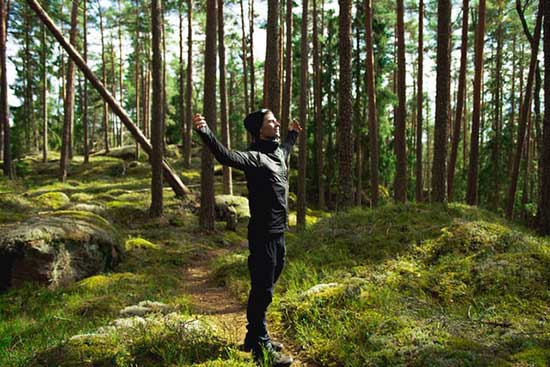
Photo by Jametlene Reskp on Unsplash
When it comes to the principle of staying active, the Bible actually has quite a bit to offer us.
God intended for us to treat our bodies as sacred vessels to carry out His work here on earth (1 Corinthians 6:19-20), while at the same time enjoying our lives to the fullest (Proverbs 17:22; Matthew 6:25-34; John 10:10). Looking at health from a holistic and faith-based perspective, Adventists see exercise as a way to support both of those endeavors.
A big part of an active, fulfilling life involves keeping up with our daily tasks and livelihood. God modeled this early on when He guided Adam in tending the Garden of Eden.
God created human bodies to move, so He engaged him in physical activity by assigning him to care for His Creation. This gave Adam a sense of duty toward a greater calling.
“The LORD God took the man and placed him in the Garden of Eden to work it and watch over it.” (Genesis 2:15 (CSB))
As we can see, God prefers purposeful physical activity over idleness.
Throughout Scripture, we can find many places that talk about being busy with our hands and feet to do intentional and attentive work. There are mentions of skilled craftsmen (Proverbs 22:29), warriors in training (Jeremiah 50:9; 2 Samuel 22:35), runners (2 Samuel 18:24-27; Jeremiah 12:5), and many other active jobs that kept people busy and fit.
Jesus himself worked with His hands as a carpenter.
It’s true, we don’t see any mentions of exercise programs or gyms in the Bible. But that’s because back then, most jobs and tasks of daily life were already active. And staying active meant you were being productive.
That’s why there are verses like Proverbs 13:4 that point out how the “soul of the sluggard craves and gets nothing, while the soul of the diligent is richly supplied” (ESV).
God made sure His Scriptures teach us the value of doing good work. To use our minds, hands and feet skillfully, it helps to be physically strong and mentally focused, with an attitude of commitment and dedication to the purpose at hand.
Exercise in the biblical sense, then, often served a higher purpose for the spirit and for those in the community. By making it a habit to stay active, the result would likely be a disciplined and healthy life. And that might be the most important takeaway right there.
Seventh-day Adventist counsel on Exercise

Photo by Jenny Hill on Unsplash
Adventists view exercise both in a practical sense, and through a faith-based lens. As mentioned earlier, we do our best to take care of the body God has given us so we can be in optimal shape for serving Him, and to care for our bodies as temples of the Holy Spirit.
In the early days of Adventism, believers were studying how to best apply the truths of Scripture to our everyday lives. Ellen White, a key founder of the Adventist denomination, wrote many times about the benefits of staying active and maintaining health through exercise.
Here are some excerpts from her writings, which offered practical health advice relevant to common habits or misconceptions of her day:
Concerns about the lack of exercise:
- “Continued inactivity is one of the greatest causes of debility of the body and feebleness of mind” (Testimonies for the Church, vol. 2, p.524)
- “The blood is not enabled to expel the impurities as it would if active circulation were induced by exercise” (Testimonies for the Church, vol. 2, p.529)
- “Idleness enfeebles the mind, debases the soul, and perverts the understanding” (Signs of the Times, Nov. 12, 1885, par. 3)
On useful labor:
- “If work is performed without the heart’s being in it, it is simply drudgery, and the benefit which should result from the exercise is not gained” (Healthful Living, p. 129)
- “Brethren, when you take time to cultivate your gardens, thus gaining the exercise needed to keep the system in good working order, you are just as much doing the work of God as in holding meetings” (Gospel Workers p. 174)
Promoting walking as good, practical exercise:
- “No exercise can take the place of walking. By it, the circulation of the blood is greatly improved. … Walking, in all cases where it is possible, is the best remedy for diseased bodies, because in this exercise all of the organs of the body are brought into use” (Testimonies for the Church, vol. 3, p.78)
- “For those who can walk, walking is preferable to riding [horses]. The muscles and veins are enabled better to perform their work. There will be increased vitality, which is so necessary to health. The lungs will have needful action; for it is impossible to go out in the bracing air of a winter’s morning without inflating the lungs” (Testimonies for the Church, vol. 2, p.529)
Tips for timing/scheduling of exercise:
- “Exercise will aid the work of digestion. To walk out after a meal, hold the head erect, put back the shoulders, and exercise moderately, will be a great benefit. The mind will be diverted from self to the beauties of nature. The less attention is called to the stomach after a meal, the better” (Testimonies for the Church, vol. 2, p. 530)
- Neither study nor [vigorous] exercise should be engaged in immediately after a full meal …. Immediately after eating there is a strong draught upon the nervous energy. The brain force is called into active exercise to assist the stomach; therefore, when the mind or body is taxed heavily after eating, the process of digestion is hindered. The vitality of the system, which is needed to carry on the work in one direction, is called away and set to work in another” (Testimonies for the Church, vol. 2, p. 413)
Tidbits of recent research from Adventist health professionals

Photo by Robina Weermeijer on Unsplash
While the above statements from Ellen White were given over a century ago, they are still in agreement with current scientific findings. Adventists in the field of health care continue to find more and more ways to apply these timeless health principles to our lives today.
One area of health that is especially important is mental health. Aside from the physical benefits of exercise, our mental health is strengthened as well. In fact, something as small and simple as taking a brisk walk each day can even help stave off deteriorating mental conditions like dementia and Alzheimer’s disease.1
There are two stress hormones (cortisol and adrenaline) and four “happy hormones” (dopamine, oxytocin, serotonin, and endorphins) in our bodies. Regular exercise balances these hormones, which helps relieve depression and anxiety symptoms.2
While there is no replacement for professional mental health treatment in many cases, it’s helpful to remember that there are natural ways to combat stress, increase circulation, lower anxiety and boost your mood. Adventist doctor and speaker Neil Nedley, MD, also talks about exercise’s role in mental health in his renowned Depression and Anxiety Recovery Program.
That exhilaration you feel after running, climbing, or any activity that expends significant energy through movement comes from your body releasing those hormones.
In addition to elevating your mood, this effect also promotes better sleep and reduces overall inflammation in the body.3
And when we feel better, we also think better. According to David DeRose, MD, years of research have shown that consistent exercise promotes the maintenance of cognitive function as we age. A lot of this has to do with how exercise strengthens our cardiovascular system and increases circulation, which has a trickle-down effect to every single system of the body.4
Adventists collectively seek to promote this kind of helpful information so we can better enjoy the lives God gave us, and so we can share it with a sick, hurting world through mission work.
That is why the Adventist Church maintains numerous health and lifestyle programs and initiatives, many of which focus on exercise.
Adventist Ministries and Programs that support an active lifestyle

Photo by Gabin Vallet on Unsplash
The founders of the Adventist church were pioneers in the promotion of whole-person care from way back in the 1800s.
Eventually, hospitals, sanitariums, clinics, medical schools and other health-related institutions were established for the benefit of not just Adventists but for everyone around the world.
In addition, exercise and health programs have been created throughout the years to help anyone looking to improve their overall health.
Some Adventist health programs that include exercise are:
- InStepForLife: Social step-tracking walking initiative.
- CHIP health: Complete Health Improvement Program.
- Fitness for Life: Employee and spouse wellness promotion program.
- CREATION Life: Anyone can apply these principles and approaches to gradually improve their health in all aspects, including physical activity.
- NEWSTART lifestyle program: A whole-person focus for complete health, which includes getting outside and getting active.
There are also many local health programs and initiatives happening at Adventist hospitals, conference offices and churches around the world.
Staying active sums up so much of what the Adventist message is all about. We want to remain active in the bodies God gave us, so we can be active believers and disciples for Jesus Christ and actively enjoy the abundant life He makes possible for us.
Want to learn more about Adventists and healthy living?


- Wes Youngberg, MD, Fighting Cognitive Decline and Alzheimers https://www.interamerica.org/2019/07/fighting-cognitive-decline-and-alzheimers/ [↵]
- Working out boosts brain health, American Psychological Association https://www.apa.org/topics/exercise-fitness/stress [↵]
- Interactions between sleep, stress, and metabolism: From physiological to pathological conditions, NIH National Library of Medicine https://www.ncbi.nlm.nih.gov/pmc/articles/PMC4688585/ [↵]
- David DeRose, MD, “The Methuselah Factor,” explaining how increasing blood flow and micro-circulation increases longevity and vitality. https://www.youtube.com/watch?v=MV7PiqoXKyQ [↵]
More Answers

Para Onde Vamos Quando Morremos?
Para aqueles de nós que perderam entes queridos ou enfrentaram problemas sérios de saúde, não podemos deixar de nos perguntar sobre a vida após a morte.

Je, Yesu ni Mikaeli Malaika Mkuu?
Wakristo wengi wamewahi kujiuliza kuhusu utambulisho wa ajabu wa Mikaeli Malaika Mkuu.

¿Por qué muchos adventistas quieren vivir en el campo?
¿Por qué muchos adventistas quieren vivir en el campo?Vivir en áreas rurales es algo que los adventistas han valorado históricamente, aunque las necesidades de la vida moderna no siempre lo han hecho posible. Seamos sinceros, las ventajas de la vida en la ciudad son...

Mfano wa Yesu wa Mpanzi Unahusu Nini?
Mfano wa mpanzi hatimaye unahusu jinsi watu walivyompokea kwa Yesu Kristo na ujumbe Wake wa ufalme wa Mungu—Injili.
¿Es Jesús el mismo Arcángel Miguel?
Muchos cristianos se han preguntado sobre la misteriosa identidad de Arcángel Miguel.
Tunakwenda Wapi Tunapokufa?
Kwa wale ambao tumepoteza wapendwa au tumekumbana na matatizo makubwa ya kiafya, hatuwezi kujizuia kujiuliza kuhusu maisha baada ya kifo.

Todo sobre el Evangelio de Mateo
O Livro de Mateus é um dos quatro relatos do Evangelho na Bíblia.

Jesus Realmente Se Importa Comigo?
Provavelmente todos nós já ouvimos frases como “Deus te ama!” e então sorrimos e assentimos.

Por Que a Água é Tão Importante?
Por Que a Água é Tão Importante?Todos sabemos que a água é uma substância sem a qual não podemos viver. Ele sacia nossa sede e nos mantém hidratados por dentro. E também é necessário para higiene e limpeza por fora. Mas você sabia que as propriedades purificadoras da...

Signs of the Second Coming of Jesus Christ
Here’s what the Bible says about how to recognize when Jesus’ return is near.
¿A dónde vamos cuando morimos?
¿A dónde vamos cuando morimos?Para quienes hemos perdido seres queridos o enfrentado problemas graves de salud, no podemos evitar preguntarnos sobre la vida después de la muerte. ¿A dónde vamos cuando morimos? ¿Y cómo lo sabemos? ¿Qué hay del cielo y el infierno? ¿Son...

Jesus Já Foi Hipócrita? Saiba o Que a Bíblia Diz
Muitos traços indesejáveis são associados à hipocrisia.

O Que São os Evangelhos Sinóticos? E João?
Saiba o que são os Evangelhos Sinóticos e por que João não está incluído.

Every Bible Verse About Hell in the Bible
Find out where and how often the Bible talks about hell.
Yote Kuhusu Injili ya Mathayo
Kitabu cha Mathayo ni mojawapo ya simulizi nne za Injili katika Biblia.

The Book of 1 Corinthians: A Topical Breakdown
Learn about the book of 1 Corinthians to support your Bible study.
Je, Yesu Aliwahi Kuwa Mnafiki? Jifunze Kile Biblia Inachosema
Je, Yesu Aliwahi Kuwa Mnafiki? Jifunze Kile Biblia InachosemaTabia nyingi zisizopendeza zinahusishwa na unafiki. Lakini kwa ujumla, wanafiki hujaribu kwa makusudi kuwafanya wengine waamini kwamba wanashikilia au kuwakilisha mfumo fulani wa imani, tabia, mtindo wa...
Je, Yesu Ananijali Kweli?
undua jinsi Yesu anavyokujali kupitia utambulisho Wake katika Mungu na utambulisho wetu ndani Yake. Upendo na uangalizi Wake kwa kila mmoja wetu ni ushuhuda Wake mwenyewe ulio hai.
¿Realmente le importa Jesús?
¿Realmente le importa Jesús?Respuesta corta: sí, Jesús realmente se preocupa por ti, específicamente (1 Pedro 5:7, RVR1960). Pero si te preguntas si Jesucristo realmente, verdaderamente se preocupa por ti, no estás solo. Gedeón, Abraham y Sara, Job, Jeremías, Elías,...
¿Fue Jesús hipócrita alguna vez? Mira lo que dice la Biblia
¿Fue Jesús hipócrita alguna vez? Mira lo que dice la BibliaMuchos rasgos indeseables se asocian con la hipocresía. Pero en general, los hipócritas intentan intencionalmente hacer creer a otros que sostienen o representan un cierto sistema de creencias, rasgo de...
Todo sobre el Evangelio de Mateo
El Libro de Mateo es uno de los cuatro relatos del Evangelio en la Biblia.

Entendendo o Livro de Marcos (Uma Visão Geral)
Um passeio pelo Evangelho segundo Marcos, incluindo informações de fundo e referências.

“Vai e não peques mais”—O que Jesus quis dizer?
“Vai e não peques mais”—O que Jesus quis dizer?Essas palavras bem conhecidas de Jesus Cristo vêm de duas histórias do Novo Testamento no livro de João—um homem curado junto ao tanque de Betesda (João 5) e uma mulher pega em adultério (João 8). A última história é a...
Injili za Kisinoptiki ni zipi? Na vipi kuhusu Yohana?
Jifunze Injili za Sinoptiki ni nini na kwa nini Yohana hajumuishwi.
Kuelewa Kitabu cha Marko (Muhtasari)
Kuelewa Kitabu cha Marko (Muhtasari)Kitabu cha Marko ni mojawapo ya simulizi nne za Injili zinazopatikana mwanzoni mwa Agano Jipya, na mwandishi wake anaaminika sana kuwa ni Yohana Marko, ndugu wa Barnaba ambaye alifanya kazi na Petro na Paulo. Hiki ndicho kitabu...
Ujumbe wa Kitabu cha Luka: Upendo wa Yesu kwa Wote
Jifunze yote kuhusu kitabu cha Luka—muktadha, maudhui, tofauti, na mambo ya kujifunza.
“Nenda Usitende Dhambi Tena”—Yesu Alimaanisha Nini?
“Nenda Usitende Dhambi Tena”—Yesu Alimaanisha Nini?Maneno haya yanayojulikana ya Yesu Kristo yanatoka katika hadithi mbili za Agano Jipya katika kitabu cha Yohana—mtu aliyeponywa kwenye birika la Bethesda (Yohana 5) na mwanamke aliyekamatwa katika uzinzi (Yohana 8)....
Kitabu cha Yohana: Muhtasari
Hapa kuna msaada kwa ajili ya kujifunza Injili kulingana na Yohana.
A Mensagem do Livro de Lucas: O Amor de Jesus por Todos
Saiba tudo sobre o livro de Lucas—contexto, temas, diferenças e lições.
Didn’t find your answer? Ask us!
We understand your concern of having questions but not knowing who to ask—we’ve felt it ourselves. When you’re ready to learn more about Adventists, send us a question! We know a thing or two about Adventists.