
When we think about the biblical Creation story, we think of just that: the world being created by the Creator. And while God’s creation of the world is marvelous and miraculous in its own right, it’s about far more than the sudden appearance of plants, animals, and humans.
Creation is one of our greatest examples of God’s beautiful love for us and for this world. God created the earth so He could commune with us more closely, and vice versa. He also created it for us, giving it to us so we could take care of it.
In fact, the earth was meant to be like a temple where we could perpetually dwell in God’s presence. No pain, no suffering. Just a beautiful relationship with God.
Let’s take a trip back in time to explore the account of Creation as we find it in the book of Genesis. We’ll discover what Scripture tells us about things like:
- The purpose of God’s creation
- A literal 7 days of creation
- A special seventh day of rest
- God’s model for life and for eternity
Let’s start with the “why” behind creation.
What was the purpose of God’s Creation?
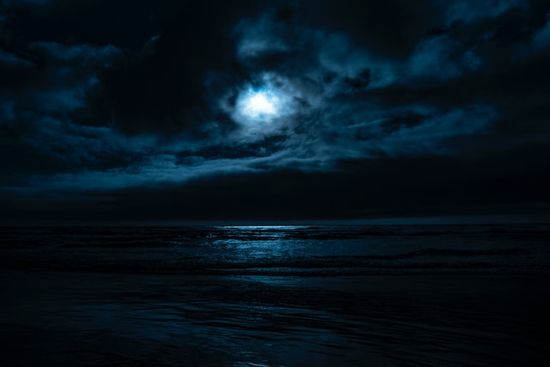
Photo by Kyle Johnson on Unsplash
God created a beautiful, perfect world for us to live in. And He created us in his own image to be able to receive His love, love the people and the world around us, and to freely return that love to Him.
This question can also be asked of a couple who desires to have a child. What is the purpose of having a child? Well, ideally, a couple would want a child to love and nurture a new human being. To bring it happiness and joy. To build an environment that helps them thrive and live a full life.
The same can be said of God and creation.
We can better understand this answer by looking at who God is. What is His character, and what purpose could He have had to create this world and humanity?
The Bible tells us that God is love (1 John 4:8). It also tells us that He is nurturing and creative (Isaiah 49:15, Psalm 104:24).
These aren’t just characteristics of God—this is who God is! God is our ultimate example of love and creativity.
God’s creative power, exemplified in the beauty of Creation, is an expression of His power, His selflessness, and His infinite love.1
While we don’t know the status of other galaxies and worlds in the universe, the Bible tells us that our earth was without form before Creation (Genesis 1:2). There was no organization of time, matter, or anything else.
Over 6 days, God took the dark, formless earth and organized it into something beautiful that all of His creations could share and cultivate.
What an amazing gift: to be given the free choice to love God, love others, and love our earth.
Let’s take a deeper look into each of the 7 days to learn more about what God created.
Were there only seven days of creation in Genesis?
Before diving into the specifics of each day, let’s answer a commonly asked question: did God really create the world in only seven days?
The Bible says that yes, God did create the world in six days, and He made a point to rest on the seventh day in order to reflect upon it. This span of time would be what we know as a week today.
For example, the story of Creation in Genesis, the first book of the Bible, separates the account of each of the days with “and there was evening and there was morning,” marking one day, not an ambiguous span of years (Genesis 1, ESV). Another example is in the Ten Commandments God gave to Moses: “In six days the Lord made the heavens and the earth, the seas and all that is in them, and rested on the seventh day” (Exodus 20:11, NKJV).
When we look at the world and its complexity, it’s hard to imagine it could be created in six days, but God is all-powerful and possesses the amazing ability to command molecules together in an instant!
And the order of creation is important to note, too. In the first three days of creation, God brings order to formlessness and organizes three distinct realms: day and night, the sky and the waters, and the earth. In the last three days of creation, God fills those uninhabited realms with creations to live or dwell there: the sun, moon, and stars, the fish and the birds, and creatures of the land, including humans.
Now let’s explore each day in particular.
Day 1: Day and night

Photo by Casey Horner on Unsplash
On the very first day of Creation, God created light.
With just a simple phrase, “Let there be light,” God filled the darkness with His glorious light and separated the two from each other.
When He saw that He had divided the light from the darkness, He proclaimed that it was good, called the light day and the darkness night (Genesis 1:3-5). This also means that on the first day, God established our conception of time.
Day 2: Sky and seas
On the second day of Creation, the Bible tells us that God created the “firmament” (Genesis 1:6). This isn’t a word we hear or use very often, but essentially, the firmament means the heavens or the sky.
So, the unformed waters from the beginning of the creation story are separated from the sky or the atmosphere (Genesis 1:2; Genesis 6:7-8). God creates two distinct spaces here: the skies and the seas.
Day 3: Dry land
On the third day, God created the dry land and separated it from the waters. The Bible verse Genesis 1:11 tells us that He gathered the land together and said, “Let the earth bring forth grass, the herb that yields seed, and the fruit tree that yields fruit,” and it happened!
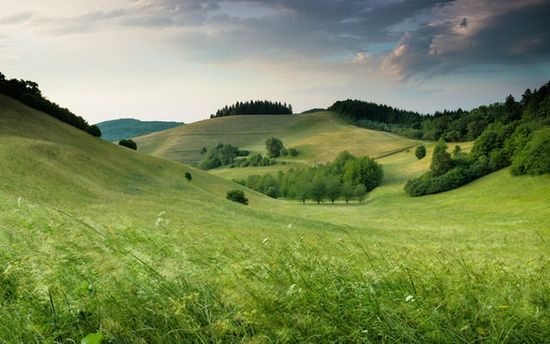
Photo by Claudio Testa on Unsplash
Imagine barren land suddenly sprouting soft green grass, hillsides filled with flowers, and fruit trees loaded with delicious fruit to eat. Sounds like paradise, doesn’t it? God planned it to be a perfect place for His creatures to dwell in.
At the end of the third day, once again, God saw that “it was good” (Genesis 1:12 NKJV).
Day 4: Sun, moon, and stars
On the fourth day, God created the sun, moon, and stars to fill the day and the night with the greater light (sun) and the lesser lights (moon and stars) (Genesis 1:16).
You might be wondering: “Wasn’t there light on the first day?” And the answer is yes. God Himself is a source of light. And while there was light on the first day of Creation, God harnessed that light into the system of the sun, moon, and stars to help us keep track of seasons, days, and years (Genesis 1: 14).
Day 5: Creatures of the sea and birds of the air
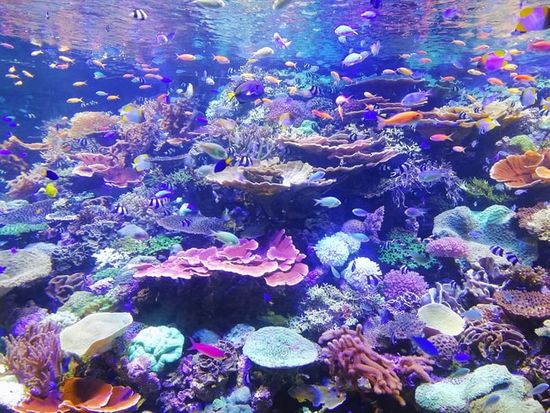
Next, God wanted to create living creatures to inhabit the skies and seas He created on the second day. So on day five, He made sea creatures to fill the waters and birds to fill up the skies.
God also commanded these living things to “be fruitful and multiply” (Genesis 1:22 NKJV). God wanted the earth to be abundant with life.
Day 6: Land animals and humans
On the sixth day of creation, God made creatures to dwell on the earth to enjoy the fullness of beauty and sustenance the earth was filled with. Anything that lives on dry land, the creeping things, God created on this day.
God also created humanity on this day.
There’s something different about the way God created humans. Something more special, more intimate.
Instead of just speaking humanity into existence like He did for everything else, God formed us out of the clay of the ground and filled us with the breath of life (Genesis 2:7).
Isn’t it incredible to think that God took the time to shape us and breathe life into us? He cares for us so much that He even made us in the image of God—giving us the ability to create and be creative too (Genesis 1:28)!
God also made humanity to care for the home He created for them: the earth. Just as God nurtured the earth throughout creation, we were to continue to nurture and care for it, reflecting God’s representation, His own image, to all of Creation.
In the book of Psalms, the poet David reflects on this purpose for humanity:
Photo by Ryan Holloway on Unsplash
“What is man that you are mindful of him,
And the son of man that you visit him?
For You have made him a little lower than the angels
And You have crowned him with glory and honor.
You have made him to have dominion over the works of Your hands;
You have put all things under his feet,
All sheep and oxen—
Even the beasts of the field,
The birds of the air,
And the fish of the sea
That pass through the paths of the seas.
O Lord, our Lord
How excellent is Your name in all the earth!”
(Psalm 8: 4-9, NKJV).

What an incredible gift God has given us.
So the sixth day of Creation ended with an earth full of life and beauty. Wouldn’t it make sense for God and His creations to take the time to enjoy it?
Well, that’s exactly what happened next.
Day 7: A day of rest
On the seventh day of creation, there wasn’t any creation happening at all, actually! Still, the seventh day from the Creation account is a special one because on this day, God rested from His work and enjoyed the beauty of the earth and of nature. This day is the climax of all of creation.
The Word of God tells us that, because God rested on this day from His handiwork, He sanctified it, or in other words, He made it holy (Genesis 2:3; Exodus 20:11).
This seventh day is also in the Ten Commandments, and it’s what God calls the Sabbath day (Exodus 20:8-12). It’s a day of peace and rest, not a day of work. It was ordained since the very beginning of the world, and God meant for all His creation to be in communion with Him, especially on this day.
This is also a day to reflect on the magnitude and complexity of God’s creation. To “behold the evidence of God’s wisdom and goodness, that our hearts might be filled with love and reverence for our Maker.”2
But what is the purpose of the seventh-day rest? Did God need to rest?
Why a day of rest?

Photo by Arthur Poulin on Unsplash
When we think of a God who can literally speak things into existence, we don’t really think of a being who needs to take a break. And of course, because God is all-powerful, He didn’t need to rest.
However, God gave us a day of rest as a gift. The seventh-day Sabbath was established at Creation as a memorial to God’s power, holiness, and love for us.
What’s more, this wasn’t to be merely a break from activity for the sole purpose of restoring energy. This is rest in the fullest sense, where one switches from producing things to enjoying things. Noticing. Contemplating. Intentionally focusing on the intricacies of life that we so easily miss when we’re stressed out or in a hurry.
Have you noticed that if you go, go, go without stopping, sometimes you can forget what truly matters in life? The Sabbath is an act of resistance against that! God knew we would need rest, so even in the paradise of a sinless, new world, God set aside holy time for rest.
When we keep the Sabbath day, we are celebrating God’s creation and how He paused to take it all in on the seventh day.
The Sabbath is just one of the aspects of the Creation story that serve as our model for life right now and for life in eternity. Let’s talk a bit more about how the model of Creation and the Garden of Eden can add fullness to our lives.
4 things we can learn from Creation about God’s purpose for life and for eternity
In the story of Creation, we find God’s ideal model for life. We can learn from that model to live more fully now, as well as gain a better understanding of what life will be like in Heaven and on our restored planet.
So what can we learn from the Creation story about God’s purpose for humanity and for eternity? God created us to:
- Nurture His creations and allow His creations to nurture us
- Create and be creative
- Cultivate relationships with Him and with each other
- Enter into celebration and rest with Him
Nurture and be nurtured by God’s creations
First of all, we can learn that God made us, not only to nurture His creations, but also to be nurtured by His creations.
When we take care of God’s earth, the earth takes care of us. Everything God created works in relationship, reflecting God’s nature of selfless love throughout His creation.
Create and be creative

We can also learn that God desires for us to both create and be creative. When God made us in His image, He endowed us with His creative ability.
Humanity’s ability to bear and nurture children is one way we can reflect God’s nature (Genesis 9:7). However, our beautiful talents of art, writing, music, science, architecture, etc. are all examples of God’s creative image! We can use these talents to praise God and celebrate His original creation.
Cultivate relationships with Him and others
God’s purpose for creating humanity shows us that God is relational. He desires to love us, and in return, gives us the choice to freely love Him back. We can also see the relational character of God in the way He created Adam and Eve to work together and dwell in the Garden of Eden (Genesis 2:21-22).
Enter into celebration and rest with Him
As we’ve discussed, Sabbath was established at Creation. God created a framework in which we can work and create but also rest and celebrate His creation. And the Sabbath is an opportunity for us to cultivate our relationship with God and enter into His presence.
Creation is all about God’s love for us
The Creation story is marvelous. It simultaneously shows us God’s power, love, holiness, character, and ideal model for our lives now and for eternity.
When we spend time reading about the Creation story, we can more excitedly look forward to a new earth when Jesus comes again and restores us back to the beauty of a sinless world.
But until then, there is plenty to learn about how to live like God’s people in this world. If that sounds like something you’d like to do, you can check our Sabbath page or our Bible studies page.
Related Articles


More Answers
Quem Foram os Juízes de Israel no Antigo Testamento?
Quem Foram os Juízes de Israel no Antigo Testamento?Tempos de crise exigem homens e mulheres de ação. Os israelitas, recém-estabelecidos na Terra Prometida, encontraram-se nesses tempos. À medida que nações inimigas atacavam e oprimiam as tribos, eles clamavam a Deus...
¿En qué se diferencian los Adventistas del Séptimo Día de otros protestantes?
¿En qué se diferencian los Adventistas del Séptimo Día de otros protestantes?Como denominación cristiana protestante, la Iglesia Adventista del Séptimo Día considera la Biblia como la regla suprema de fe y a Jesucristo como el único camino a la salvación. Tenemos...
Como os Adventistas do Sétimo Dia São Diferentes de Outros Protestantes?
Como os Adventistas do Sétimo Dia São Diferentes de Outros Protestantes?Como uma denominação cristã protestante, a Igreja Adventista do Sétimo Dia considera a Bíblia como o guia supremo e vê Jesus Cristo como o único caminho para a salvação. Temos algumas diferenças...

O que é ASI (Associação de Empresários e Profissionais Adventistas)?
O que é ASI (Associação de Empresários e Profissionais Adventistas)?ASI, que significa Associação de Empresários e Profissionais Adventistas (tradução adaptada), é uma organização baseada em associação que oferece apoio aos membros adventistas (profissionais...
Jesús y la Mujer en el Pozo: Derribando Barreras
El encuentro de Jesús con la mujer en el pozo revela su sentir por las personas heridas y su deseo de derribar prejuicios. Esta página analiza cómo Jesús se acercó a ella.

Revealing The True Meaning of The Parable of The Rich Man & Lazarus
Learn the real point behind one of Jesus’ most vivid parables.
O que são as Bem-Aventuranças (E o que significam)?
O que são as Bem-Aventuranças (E o que significam)?As Bem-Aventuranças, encontradas no início do Sermão da Montanha de Jesus no Evangelho de Mateus, são o manifesto do reino de Jesus. Elas descrevem a maneira como Seu reino funciona e o que significa ser um de Seus...

Líderes de la iglesia: ¿Cuál es el rol de un pastor Adventista?
Líderes de la iglesia: ¿Cuál es el rol de un pastor Adventista?¿Cuál es el rol de un pastor en la iglesia Adventista? La posición en sí misma, al menos en lo que respecta a una congregación local, no es muy diferente de la de los pastores en otras denominaciones...
ASI ni Nini (Huduma na Viwanda vya Waadventista vya Kibinafsi)?
ASI ni Nini (Huduma na Viwanda vya Waadventista vya Kibinafsi)?ASI, ambayo inayofupisha maneno (Huduma na Viwanda vya Waadventista vya Kibinafsi), ni shirika la uanachama linalotoa msaada kwa wainjilisti wa Kiadventista (wataalamu wa Kanisa la Waadventista wa Sabato...

Ellen White Alisema Nini Kuhusu Unabii wa Nyakati za Mwisho?
Tunaweza kusoma katika Maandiko kuhusu mfululizo wa matukio na dalili zinazoongoza hadi Ujio wa Pili wa Yesu Kristo.

Safari na Utume wa Ellen G. White Ulimwenguni
Safari na Utume wa Ellen G. White UlimwenguniIngawa Ellen White, mwanzilishi mwenza wa Kanisa la Waadventista wa Sabato, anajulikana zaidi kwa huduma yake nchini Marekani, pia alisafiri kwenda nchi nyingine kumi na mbili katika maisha yake—hili lilikuwa jambo kubwa...
Yote Kuhusu Wainjilisti wa Vitabu wa Kiadventista
Kanisa la Waadventista wa Sabato hutumia mbinu mbalimbali kusambaza tumaini la injili duniani.
¿Qué es ASI (Servicios e Industrias de Laicos Adventistas)?
¿Qué es ASI (Servicios e Industrias de Laicos Adventistas)?ASI, que significa Servicios e Industrias de Laicos Adventistas, es una organización basada en membresía que brinda apoyo a los laicos adventistas (profesionales Adventistas del Séptimo Día que no son...
¿Qué dijo Elena G. de White sobre la profecía de los últimos tiempos?
¿Qué dijo Elena G. de White sobre la profecía de los últimos tiempos?Podemos leer en las Escrituras acerca de la serie de eventos y señales que conducen a la segunda venida de Jesucristo. Y suena bastante intenso, por decir lo menos. La naturaleza simbólica del...
O que Ellen White disse sobre a profecia dos tempos finais?
O que Ellen White disse sobre a profecia dos tempos finais?Podemos ler nas Escrituras sobre a série de eventos e sinais que antecedem a segunda vinda de Jesus Cristo. E, para dizer o mínimo, isso soa bastante intenso. A natureza simbólica da linguagem da profecia...

Meaning of the Parable of the Two Sons in Matthew 21
Meaning of the Parable of the Two Sons in Matthew 21The parable of the two sons in Matthew 21:28-32 is about a father who instructs his sons to work in the family vineyard. The first son refuses to work but later has a change of heart and obeys. The second son says...
Viagens e Missão Mundial de Ellen G. White
Viagens e Missão Mundial de Ellen G. WhiteEmbora Ellen White, cofundadora da Igreja Adventista do Sétimo Dia, seja mais conhecida por seu ministério nos Estados Unidos, ela também viajou para outros doze países durante sua vida — uma grande conquista no século XIX,...
Joseph Bates na Nafasi Yake katika Kanisa la Waadventista
Joseph Bates na Nafasi Yake katika Kanisa la WaadventistaJoseph Bates alikuwa baharia aliyegeuka kuwa mhubiri ambaye alijiunga na Harakati ya Miller na kusubiri Ujio wa Pili wa Yesu kutokea mwaka 1844. Licha ya kukatishwa tamaa wakati hili halikutokea, Bates...

Je, Wasabato Husherehekea Sikukuu?
Je, Wasabato Husherehekea Sikukuu?Je unajiuliza ikiwa mwanafunzi mwenzako au mfanyakazi mwenzako Mwadventista husherehekea sikukuu kama wewe? Labda ungependa kumshirikisha kwenye sherehe fulani, lakini pia unataka kuheshimu imani yake. Kwa hiyo, huna uhakika wa jinsi...

O Que a Bíblia Diz Sobre a Segunda Vinda de Jesus Cristo
Curioso para saber o que a Bíblia diz sobre a Segunda Vinda de Jesus Cristo? Vamos abordar os versículos-chave e o que eles significam.

Waadventista Wanaamini Nini Kuhusu Imani na Matendo?
Waadventista Wanaamini Nini Kuhusu Imani na Matendo?Waadventista wanaamini tunaokolewa kwa imani, ambayo ni imani na tumaini tulilonalo kwa Yesu Kristo kutuokoa kutoka dhambini. Yesu, basi, anatupa uwezo wa kuishi kwa utii wa amri za Mungu na kuwahudumia wengine kwa...
Todo sobre los colportores Adventistas del Séptimo Día
Todo sobre los colportores Adventistas del Séptimo DíaLa Iglesia Adventista del Séptimo Día utiliza una variedad de métodos para difundir la esperanza del evangelio al mundo. Una de estas formas es a través del colportaje, también llamado “venta puerta a puerta” o...
Tudo Sobre Colportores Adventistas do Sétimo Dia
A Igreja Adventista do Sétimo Dia usa uma variedade de métodos para espalhar a esperança do evangelho ao mundo.
Los viajes y la misión mundial de Elena G. de White
Los viajes y la misión mundial de Elena G. de WhiteAunque Elena G. de White, cofundadora de la Iglesia Adventista del Séptimo Día, es más conocida por su ministerio en los Estados Unidos, también viajó a otros doce países durante su vida, un gran logro en el siglo XIX...

Mikutano ya Injili ya Waadventista ni Nini?
Kanisa la Waadventista wa Sabato linaweka mkazo mkubwa katika kushiriki injili kupitia uinjilisti, yaani kushiriki injili kupitia mahubiri, mafundisho, na ushuhuda.
Joseph Bates y su papel en la Iglesia Adventista del Séptimo Día
Joseph Bates y su papel en la Iglesia Adventista del Séptimo DíaJoseph Bates fue un marinero que se convirtió en predicador, se unió al Movimiento Millerita y esperó que ocurriera la Segunda Venida de Jesús en 1844. A pesar de sentirse decepcionado cuando esto no...
Joseph Bates e Seu Papel na Igreja Adventista do Sétimo Dia
Joseph Bates foi um marinheiro que se tornou pregador, juntou-se ao Movimento Millerita e esperou pela Segunda Vinda de Jesus em 1844.
¿Los Adventistas del Séptimo Día celebran las fiestas?
¿Los Adventistas del Séptimo Día celebran las fiestas?¿Te preguntas si tu compañero de clase o de trabajo adventista celebra las mismas fiestas que tú? Tal vez quieres incluirlo en algunas festividades, pero también deseas respetar sus creencias. Entonces, no estás...
Os Adventistas do Sétimo Dia Celebram Feriados?
Está se perguntando se seu colega de classe ou de trabalho adventista celebra os mesmos feriados que você?
Didn’t find your answer? Ask us!
We understand your concern of having questions but not knowing who to ask—we’ve felt it ourselves. When you’re ready to learn more about Adventists, send us a question! We know a thing or two about Adventists.