
A covenant, or “a binding promise” in a relationship between two people or parties,1 is a major theme of the Bible. It’s similar to what we call contracts today.
From the moment Adam and Eve sinned, God made a covenant with them, promising to send the Messiah to deliver them from sin (Genesis 3:15). And He repeats that covenant over and over to His people throughout the Old Testament. It’s referred to as the “everlasting covenant” (Genesis 17:19).
So, what is the new covenant?
The new covenant, mentioned in the New Testament in Hebrews 8:8-12, is God’s renewal of that everlasting covenant, confirmed when Jesus Christ died on the Cross. It’s His promise to ultimately deliver us from sin, give us eternal life, restore our relationship with Him, and put His law of love in our hearts through the Holy Spirit—even though throughout history, we haven’t been faithful to our part of God’s covenant.
What’s changed in this new covenant is that Jesus came to this earth, lived a perfect life, and took the punishment we deserved—all to fulfill our end of the promise on our behalf.
We’ll explore this topic in depth in the following sections:
Let’s begin by looking at the passages in Scripture that talk about this special promise.
How the Bible defines the new covenant
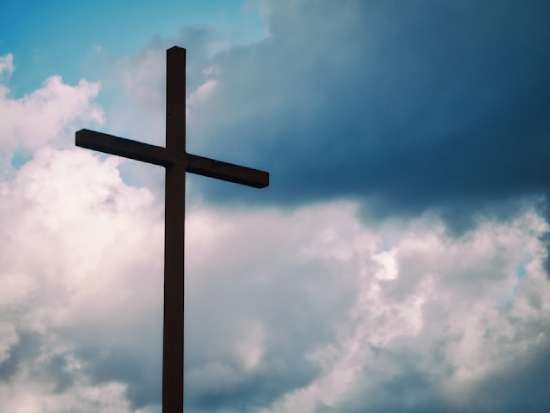
Photo by Aaron Burden on Unsplash
The new covenant is a set of promises God gave to His people and confirmed through Jesus’ death on the Cross. We find the term new covenant in Jeremiah 31:31-34, which Paul later quotes in the New Testament:
“Behold, the days are coming, says the Lord, when I will make a new covenant with the house of Israel and with the house of Judah—not according to the covenant that I made with their fathers in the day when I took them by the hand to lead them out of the land of Egypt; because they did not continue in My covenant, and I disregarded them, says the Lord. For this is the covenant that I will make with the house of Israel after those days, says the Lord: I will put My laws in their mind and write them on their hearts; and I will be their God, and they shall be My people. None of them shall teach his neighbor, and none his brother, saying, ‘Know the Lord,’ for all shall know Me, from the least of them to the greatest of them. For I will be merciful to their unrighteousness, and their sins and their lawless deeds I will remember no more” (Hebrews 8:8-12, NKJV).
Did you notice the four important promises from God to His people?
- He will put His laws in their minds and write them on their hearts.
- He will be their God, and they will be His people.
- All will know Him.
- He will give them mercy and no longer remember their sins.
These four promises were really not new promises but rather renewed ones.2 From the beginning, it was part of God’s plan to fulfill all these promises to His people through Jesus. Notice what the book of Hebrews tells us about it:
“Now may the God of peace who brought up our Lord Jesus from the dead, that great Shepherd of the sheep, through the blood of the everlasting covenant, make you complete in every good work to do His will, working in you what is well pleasing in His sight, through Jesus Christ” (Hebrews 13:20-21, NKJV).
This passage mentions “the blood of the everlasting covenant.” Since its context is Jesus’ resurrection, we can safely assume it’s referring to Jesus’ blood and death.
Already in the Garden of Eden, God had promised to give the Offspring of the woman as the Messiah (Genesis 3:15). This Messiah would bruise the head of the serpent and deliver His followers from sin and evil.
Fast forward to Abraham. When God called Abraham, He made a covenant with him, promising to bless him, his descendants, and all the world through them (Genesis 12:1-3). This promise simply reflected back to that first promise in Genesis—one of Adam and Eve’s descendants would become the Deliverer of the people.
Many times, God repeated that promise to Abraham, and He promised it to Abraham’s son, Isaac:
“I will establish My covenant with him for an everlasting covenant, and with his descendants after him” (Genesis 17:19, NKJV).
The descendants of Abraham who received this covenant were the Israelites. God once again spoke the covenant to them (Exodus 19-24) and gave them symbols and illustrations in the sanctuary service (Exodus 25-31)—such as the animal sacrifices that pointed to Christ’s death (in addition to the symbol of circumcision He’d given to Abraham).
All of these reminded them of when Christ would come and confirm the covenant (Daniel 9:27).
When was the new covenant established?
The everlasting covenant, as we’ve seen, was established right after Adam and Eve’s fall into sin (Genesis 3:15). The new covenant, which repeated the original one, was established at the death of Jesus.
All three Gospels (and 1 Corinthians 11) record that right before Jesus’ death on the Cross, He gathered His disciples together for a special meal (we know it today as the Last Supper). During this meal, He took a cup of grape juice and said,
“Drink of it, all of you, for this is my blood of the covenant, which is poured out for many for the forgiveness of sins” (Matthew 26:27-28, ESV).3
Jesus’ blood would seal the new covenant (Luke 22:20). This is significant because “the old covenant” God made with the Israelites was also sealed with blood.
Paul brings this up in Hebrews 9:15-22. In this passage, he points out that Moses “took the blood of calves and goats…and sprinkled both the book [of the law] and all the people, saying ‘This is the blood of the covenant that God commanded for you’” (ESV).
This covenant was a renewal of the everlasting one with Abraham. And we’ll cover more about the old covenant in a moment. But first, an important question…
Who is the new covenant for?
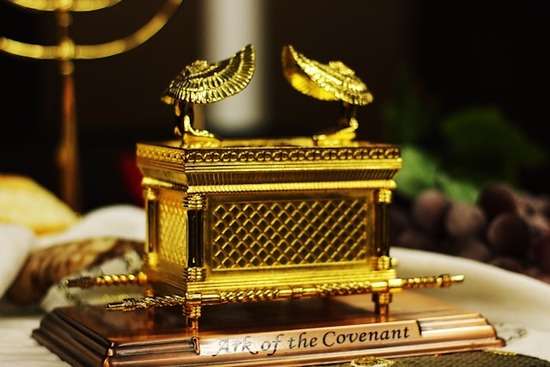
Photo by Igor Rodrigues on Unsplash
The new covenant is for all of God’s followers—both Jews and non-Jews—because the Gospel is for everyone (Matthew 24:14; 2 Corinthians 3:6).
In one of his epistles, Paul wrote to Gentile believers, reminding them of how the blood of Christ brings them the same blessings God promised to Abraham, Isaac, Jacob, and their descendants:
“But now in Christ Jesus you who once were far off have been brought near by the blood of Christ. For he himself is our peace, who has made us both one and has broken down in his flesh the dividing wall of hostility” (Ephesians 2:13-14, ESV).
Jesus broke down the dividing wall between Jews and Gentiles (non-Jews). Everyone can participate in the promises given to God’s people through Abraham:
“There is neither Jew nor Greek, there is neither slave nor free, there is neither male nor female; for you are all one in Christ Jesus. And if you are Christ’s, then you are Abraham’s seed, and heirs according to the promise” (Galatians 3:28-29, NKJV).
So now that we understand more about this covenant and how it has existed from the beginning, you may be wondering why a renewed one was necessary. Let’s go there next.
Why we needed a renewed covenant
God’s everlasting covenant given at the Fall has never changed: God’s desire has always been to free His people from their sins and bring them near Him. He repeated that promise from Abraham down through the generations to the people of Israel. The new covenant was only necessary because the people of Israel failed to uphold their end of the covenant with God.
Here’s the backstory.
When the Israelites came out of Egypt to go to the Promised Land, they were immature in their faith, having forgotten God’s principles while enslaved for hundreds of years.
So, God made a covenant with them (often known as the first covenant, old covenant, or mosaic covenant) at Mount Sinai. As part of this covenant, He gave them the sanctuary system and the Ten Commandments.
After so many years in Egypt, they had lost sight of what it means to live a life of love. Though God’s law of love had always existed, He gave them the Ten Commandments as simple principles for loving God and others. Because the Israelites were like children who needed specific directions, He elaborated on those principles through the many laws in the books of Leviticus and Numbers.
God also intended that the animal sacrifices, which were part of the sanctuary service, would be real-life lessons of the seriousness of sin and point them toward the Messiah’s sacrifice.
So, since God had made this covenant with Israel, why was the new covenant needed?
The apostle Paul, right before sharing about the new covenant, gives us the following reason:
“For if that first covenant had been faultless, there would have been no occasion to look for a second” (Hebrews 8:7, ESV).
What was the fault with the first covenant?
“For He finds fault with them” (Hebrews 8:8, ESV).
Them is talking about the Israelites, the ones who entered into the covenant with God.
Remember, a covenant involves two parties committing or making promises to one another. It’s conditional on those promises being kept. So, for a covenant to be faulty, at least one of those parties has to break their promise.
One modern example of this concept is marriage. Marriage is a covenant between two parties who make promises to one another.
If one spouse in that covenant decides to date someone else, the covenant becomes faulty. The fault is due to that spouse’s action—even while the other spouse might be completely innocent.
Let’s carry this illustration over to God’s covenant with His people, the Israelites. When God gave His laws and the sanctuary system to them at Mount Sinai, notice what happened:
“Then [Moses] took the Book of the Covenant and read it in the hearing of the people. And they said, ‘All that the Lord has spoken we will do, and we will be obedient.’ And Moses took the blood and threw it on the people and said, ‘Behold the blood of the covenant that the Lord has made with you in accordance with all these words’” (Exodus 24:7-8, ESV).
The people promised to do all God said and be obedient to Him.
But a quick trip through the Bible books of Judges, 1 and 2 Samuel, and 1 and 2 Kings shows us very clearly that the people failed to keep their promise. They didn’t hold up their end of the covenant, which made it faulty.
All along, God wanted them to recognize their dependence on Him and the sacrifice of Jesus, but they depended on themselves and failed. Theologian Jiří Moskala says, “They took God’s law merely as a command, something to do in order to be righteous and holy, instead of keeping God’s precepts out of gratitude for His kindness toward them.”4
For this reason, the old covenant failed; God’s people couldn’t hold up their end.
But Jesus changed all of that.
He came to this earth and lived a perfect life of obedience to fulfill our end of the covenant (Matthew 5:17-18). Sinful human beings aren’t capable of being faithful to the covenant, but through Jesus, we are.
The new covenant, as Paul emphasizes, is built on better promises—Christ’s promises:
“Christ [as our High Priest] has obtained a ministry that is much more excellent than the old as the covenant He mediates is better, since it is enacted on better promises” (Hebrews 8:6, ESV).
Rather than our promises to keep God’s commandments, the new covenant is about Jesus’ promise to put His laws in our minds and write them on our hearts (Hebrews 8:10). His promises won’t fail:
“For all the promises of God find their Yes in [Christ]” (2 Corinthians 1:20, ESV).
What the new covenant means for us

Photo by Naassom Azevedo on Unsplash
The new covenant and its promises are, in essence, the Gospel message (Romans 1:16-17). The new covenant is Jesus’ promise to save us from our sins and to give us His power in our lives. And that promise was confirmed by His death on the Cross.
Thus, rather than us trying to do the right thing and obey Him in our strength, we now have His promise to do that in us. Let’s look again at the incredible promises of the new covenant as mentioned in Hebrews 8:10-12:
- He will put His laws in our minds and write them on our hearts.
- He will be our God, and we will be His people.
- All will know Him.
- He will give us mercy and no longer remember our sins.
And this was God’s purpose for His people all along! Notice the similar promise in Ezekiel 36:26-28:
“And I will give you a new heart, and a new spirit I will put within you. And I will remove the heart of stone from your flesh and give you a heart of flesh. And I will put My Spirit within you, and cause you to walk in My statutes and be careful to obey My rules. You shall dwell in the land that I gave to your fathers, and you shall be My people, and I will be your God” (ESV).
Because we aren’t capable of obeying God and upholding the covenant, Jesus came and upheld our end of the covenant.
What’s our role then?
Simply to believe—believe that He will do this work in us.
A well-known passage about salvation reflects this role and the promises of the new covenant:
“For by grace you have been saved through faith. And this is not your own doing; it is the gift of God, not a result of works, so that no one may boast. For we are His workmanship, created in Christ Jesus for good works, which God prepared beforehand, that we should walk in them” (Ephesians 2:8-10, ESV).
The new covenant is God’s promise to do a beautiful work in our lives, a work we can’t do ourselves. Even when our promises fail, God’s promise to us is unfailing.
A covenant on better promises
The new covenant, when we understand it correctly, is just the Gospel message God gave to humans when sin entered our world. Throughout the Old Testament, He promised to send someone to save us from our sins (Matthew 1:21).
When Jesus came, that promise became a reality in His perfect life and death for us. He was faithful to the covenant that we humans couldn’t keep.
In this way, He renewed the covenant for us. We, through Christ, can enter into that covenant in which He promises to give us the Holy Spirit and write His laws in our hearts and minds. Christians today can live in the assurance that Jesus makes it possible for them to be faithful to the covenant.
And we can look forward to the day when we will be fully reunited with God:
“Behold, the dwelling place of God is with man. He will dwell with them, and they will be His people, and God Himself will be with them as their God” (Revelation 21:3, ESV).
It’s all possible because of the better covenant based on what Jesus has done for us.
Related Articles.


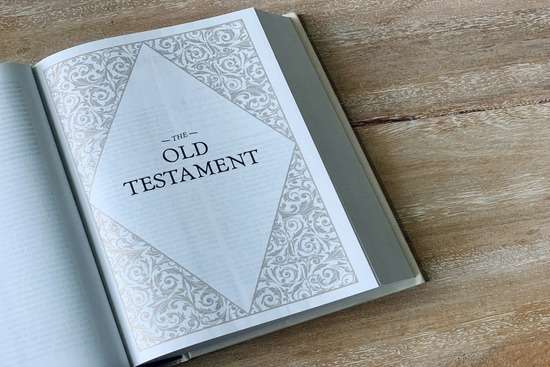
- Mendenhall, George, “Covenant,” Encyclopedia Britannica. [↵]
- Moskala, Jiří, “What Is New in the New Covenant?” Ministry. [↵]
- See also Mark 14:24 and Luke 22:20. [↵]
- Moskala, “What Is New in the New Covenant?” [↵]
More Answers

The Barren Fig Tree Parable: What It Means to Bear Fruit
Find out what the Parable of the Barren Fig Tree really means.

¿Qué son las reuniones evangelísticas adventistas?
¿Qué son las reuniones evangelísticas adventistas?La Iglesia Adventista del Séptimo Día pone un gran énfasis en compartir el evangelio mediante la evangelización, o compartir el evangelio a través de la predicación, la enseñanza y el testimonio. Una de las formas en...
O que são os Encontros Evangelísticos Adventistas?
O que são os Encontros Evangelísticos Adventistas?A Igreja Adventista do Sétimo Dia dá grande ênfase ao compartilhamento do evangelho por meio da evangelização, ou seja, compartilhar o evangelho através da pregação, ensino e testemunho. Uma das formas de realizarmos...

O Que os Adventistas Acreditam Sobre Fé e Obras?
O Que os Adventistas Acreditam Sobre Fé e Obras?Os adventistas acreditam que somos salvos pela fé, que é a crença e confiança que temos em Jesus Cristo para nos salvar dos nossos pecados. Jesus, então, nos capacita a viver em harmonia com os mandamentos de Deus e a...
¿Qué creen los Adventistas sobre la fe y las obras?
¿Qué creen los Adventistas sobre la fe y las obras?Los adventistas creen que somos salvos por la fe, que es la creencia y confianza que tenemos en Jesucristo para salvarnos de nuestros pecados. Jesús, entonces, nos capacita para vivir en armonía con los mandamientos...
Je, Ninahitaji Kuwa Mwadventista Ili Niokolewe
Je, Ninahitaji Kuwa Mwadventista Ili Niokolewe?Jibu la swali hili ni rahisi, “hapana.” Linapokuja swala la wokovu katika Yesu Kristo, kinachohitajika kwa mtu ni kukiri dhabihu ya Yesu kwa ajili yetu, kuamini kwamba Ametuokoa, na kudai zawadi ya bure ya wokovu ambayo...
¿Necesito ser adventista para ser salvo?
¿Necesito ser adventista para ser salvo?La respuesta a esta pregunta es simplemente, “no.” Cuando se trata de la salvación en Jesucristo, todo lo que se requiere de una persona es reconocer el sacrificio de Jesús por nosotros, creer que Él nos ha salvado y reclamar el...
Preciso ser Adventista para ser salvo?
A resposta para essa pergunta é simplesmente: “não.”

Lo que la Biblia dice sobre la Segunda Venida de Jesucristo
¿Tienes curiosidad sobre lo que la Biblia dice acerca de la Segunda Venida de Jesucristo? Cubriremos los versículos clave y su significado.

¿Quién fue Mateo, el apóstol, en la Biblia?
En el primer libro del Nuevo Testamento, encontramos la historia del Evangelio desde la perspectiva de Mateo.
2 Corinthians: An Overview of Paul’s Most Personal Letter
Discover Paul’s lessons on forgiveness, reconciliation, generosity, and more. It’s all in the book of 2 Corinthians!
Quem Foi Mateus, o Apóstolo, na Bíblia?
Quem Foi Mateus, o Apóstolo, na Bíblia?No primeiro livro do Novo Testamento, encontramos a história do Evangelho sob a perspectiva de Mateus. Ele era um coletor de impostos judeu de Cafarnaum, no primeiro século d.C., e provavelmente era desprezado pelos outros judeus...

The Pharisee and the Tax Collector Parable: Its Meaning Made Simple
The Meaning of the Pharisee and the Tax Collector ParableIn Luke 18:9-14, Jesus told a parable about two men who went to the temple to pray. One was a Pharisee and the other a tax collector. The Pharisee prayed (well, bragged) about his own good works compared to the...
Biblia Inasema Nini Kuhusu Ujio wa Pili wa Yesu Kristo
Unajuliza Biblia inasema nini kuhusu Kurudi kwa Yesu Kristo Mara ya Pili? Tutajadili aya kuu na maana zake.

The Story of the Widow’s Mite—What It Really Means
The Story of the Widow’s Mite—What It Really MeansPeople often assume bigger is better, but the Bible turns this concept on its head with the story of the Widow’s Mite. Of all the donations Jesus sees at the temple, the gift that draws His attention is not the...

Consejo de Elena G. de White sobre la Educación Universitaria
Consejo de Elena G. de White sobre la Educación UniversitariaElena G. de White, una cofundadora importante del Adventismo, es conocida a menudo por su orientación práctica y espiritual para la educación infantil adecuada. Pero también estuvo significativamente...
Mathayo Alikuwa Nani Katika Biblia?
Mathayo Alikuwa Nani Katika Biblia?Katika kitabu cha kwanza cha Agano Jipya, tunapata simulizi la Injili kutoka kwa Mathayo. Alikuwa mtoza ushuru Myahudi kutoka Kapernaumu katika karne ya kwanza MK, na huenda alichukiwa na Wayahudi wenzake kwa kuchagua kazi hiyo....

¿Cuáles son los beneficios de vivir en el campo?
¿Cuáles son los beneficios de vivir en el campo?Visitar el campo puede ofrecer un descanso muy necesario del típico ajetreo y bullicio de la ciudad. Muchos incluso han decidido mudarse a zonas rurales para disfrutar de un ritmo más lento, espacios amplios, aire...
Quais São os Benefícios de Viver no Campo?
Visitar o campo pode oferecer uma pausa muito necessária do típico agito da cidade.

¿Qué significa la parábola de la perla de gran precio?
Esto es lo que Jesús enseñó sobre el reino de los cielos a través de esta breve parábola sobre un comerciante que encuentra una perla invaluable.
O Que Significa a Parábola da Pérola de Grande Valor?
Aqui está o que Jesus ensinou sobre o reino dos céus por meio desta parábola curta sobre um comerciante que encontra uma pérola inestimável.

Por Que Muitos Adventistas Querem Viver no Campo
Por Que Muitos Adventistas Querem Viver no CampoViver em áreas rurais é algo que os adventistas têm valorizado historicamente, embora as necessidades da vida moderna nem sempre tenham tornado isso possível. Convenhamos, as vantagens da vida na cidade são bastante...
Uma Visão Geral de Romanos: Fé, Justiça, Relacionamentos
Uma Visão Geral de Romanos: Fé, Justiça, RelacionamentosO livro de Romanos é uma das 21 epístolas, ou cartas abertas, do Novo Testamento. E embora seja um texto bíblico antigo, ainda tem uma relevância significativa (até surpreendente) para nossas vidas hoje. O...

Jesus é o Mesmo Ser que Miguel, o Arcanjo?
Jesus é o Mesmo Ser que Miguel, o Arcanjo?Muitos cristãos têm se perguntado sobre a misteriosa identidade de Miguel, o Arcanjo. Desde os primórdios do cristianismo, muitos interpretaram Miguel como o Messias identificado com a figura do Anjo do Senhor. O reformador...
Je, Faida za Kuishi Vijijini ni Zipi?
Kutembelea maeneo ya vijijini kunaweza kutoa mapumziko yanayohitajika sana kutoka kwenye pilikapilika za kawaida za mijini.
Je, Mfano wa Lulu ya Thamani Kubwa Unamaanisha Nini?
Hivi ndivyo Yesu alivyofundisha kuhusu ufalme wa mbinguni kupitia mfano huu mfupi wa mfanyabiashara aliyepata lulu ya thamani isiyo na kifani.
Kwa Nini Waadventista Wengi Wanataka Kuishi Vijijini
Kwa Nini Waadventista Wengi Wanataka Kuishi VijijiniKuishi maeneo ya vijijini ni jambo ambalo Waadventista wamekuwa wakilithamini kihistoria, ingawa mahitaji ya maisha ya kisasa hayafanyi iwezekane kila wakati. Tukubali, faida za kuishi mjini zinaonekana wazi: fursa...
Muhtasari wa Kitabu cha Warumi: Imani, Haki, Mahusiano
Hapa kuna muhtasari na historia ya waraka mrefu zaidi wa Paulo.

Sobre o que é a Parábola do Semeador de Jesus?
A parábola do semeador é, em última análise, sobre como as pessoas responderam a Jesus Cristo e Sua mensagem do reino de Deus—o Evangelho.
Didn’t find your answer? Ask us!
We understand your concern of having questions but not knowing who to ask—we’ve felt it ourselves. When you’re ready to learn more about Adventists, send us a question! We know a thing or two about Adventists.